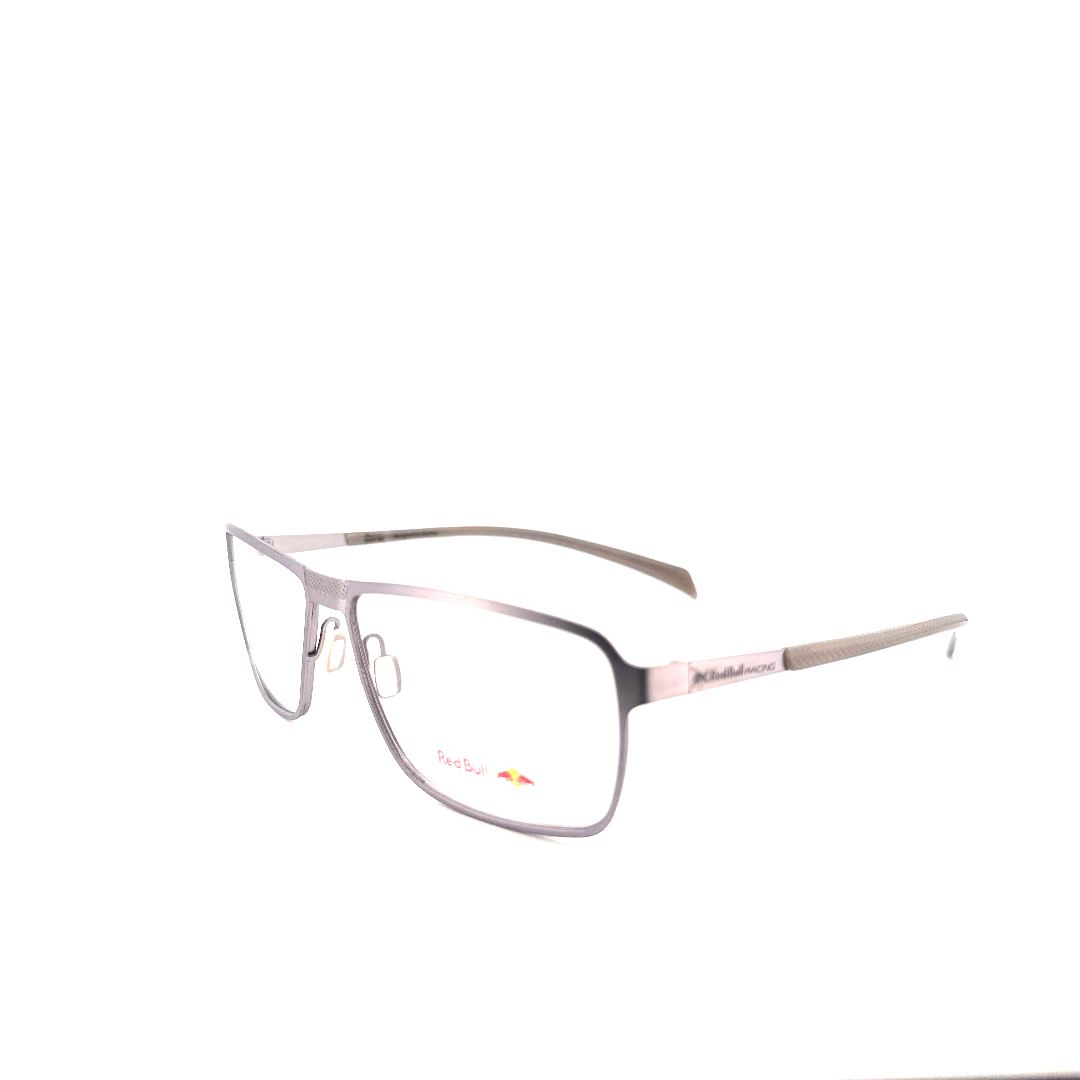
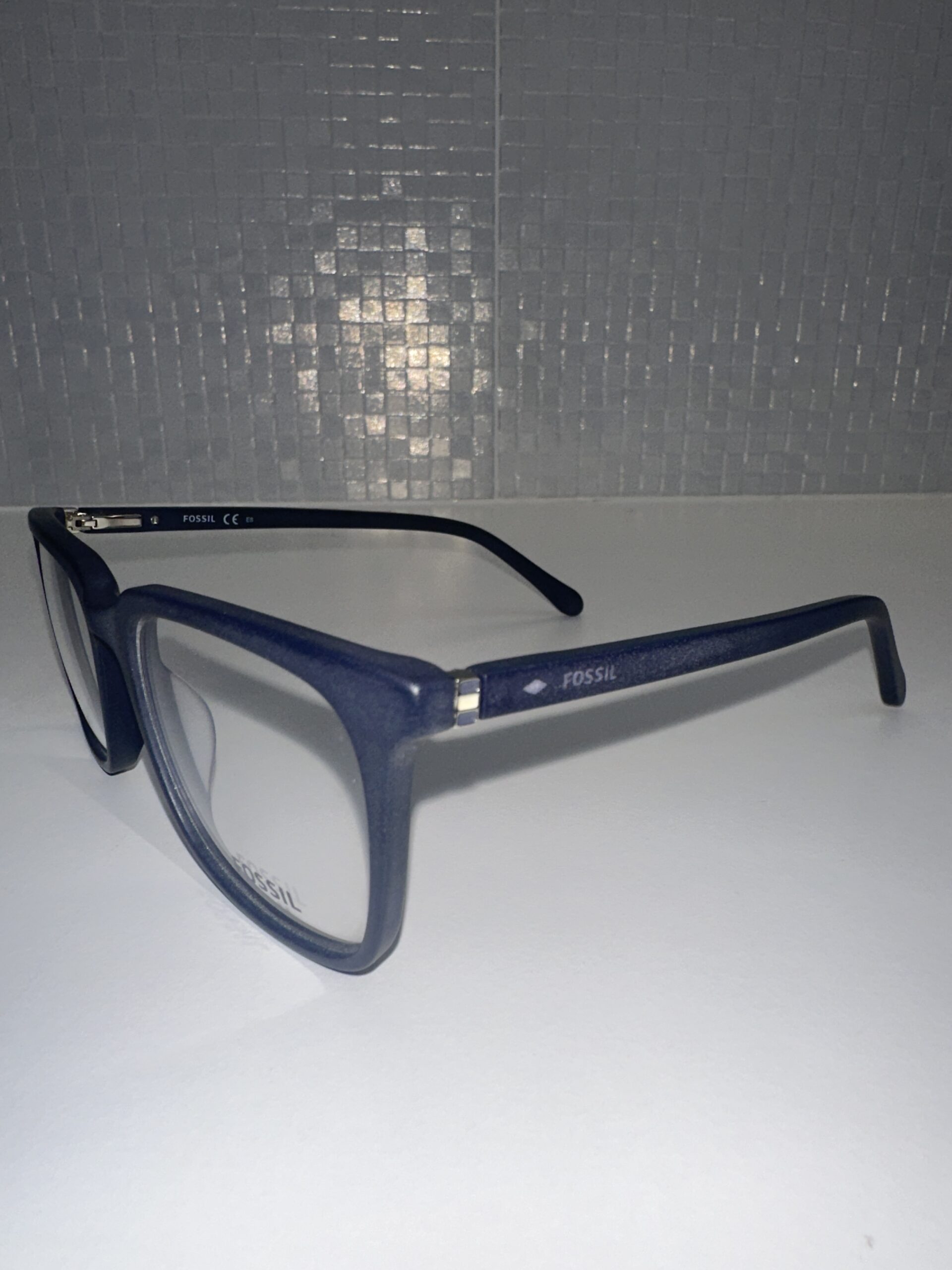
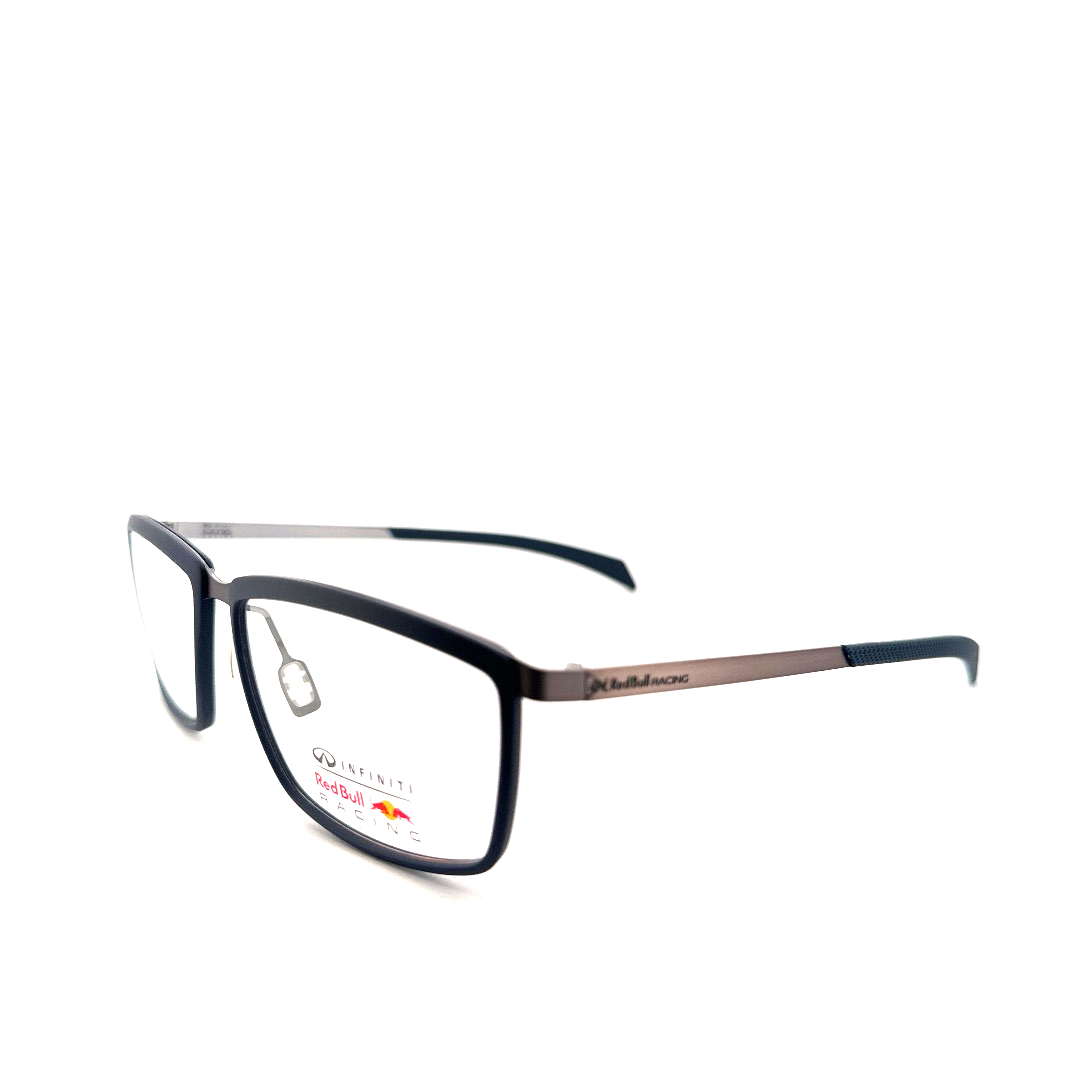
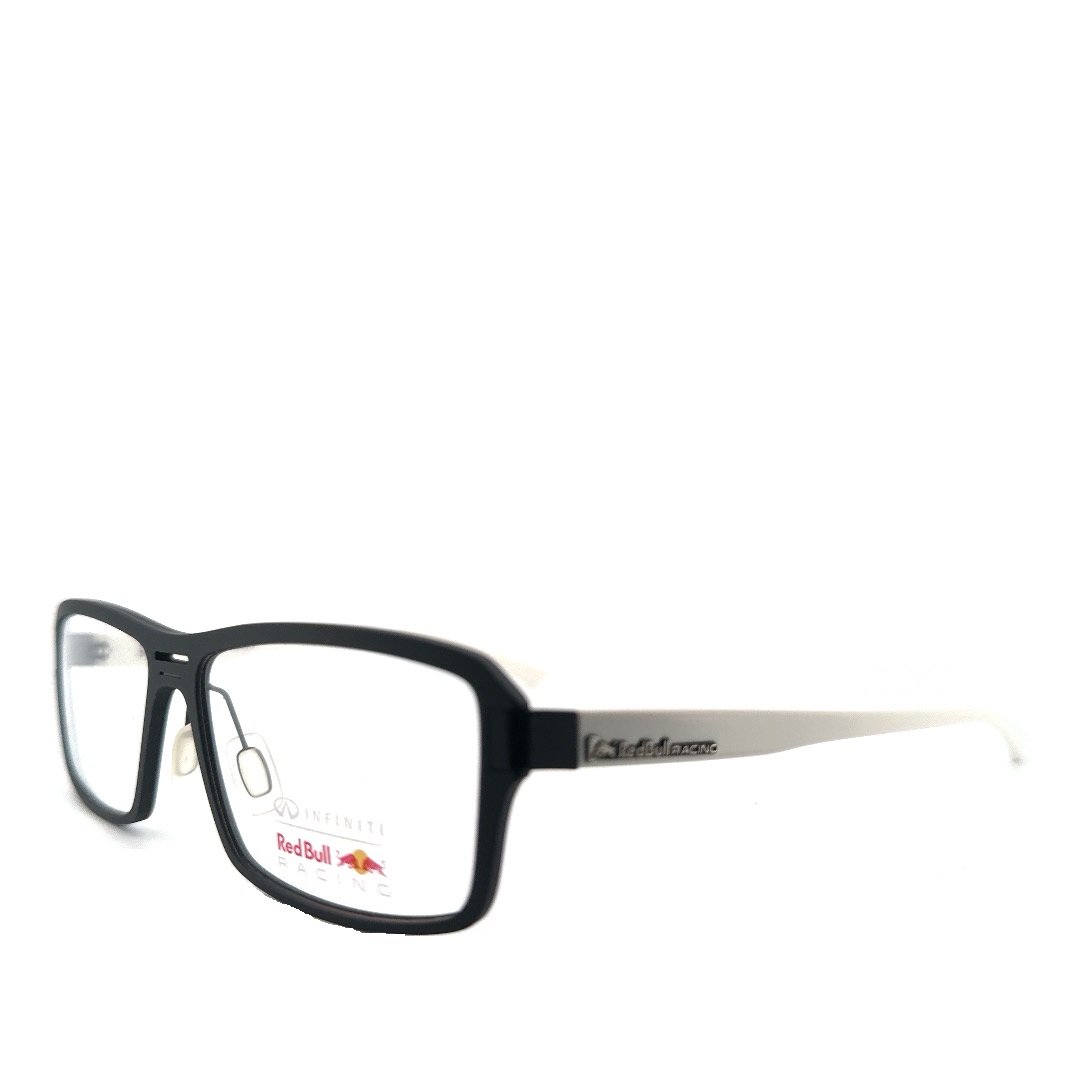
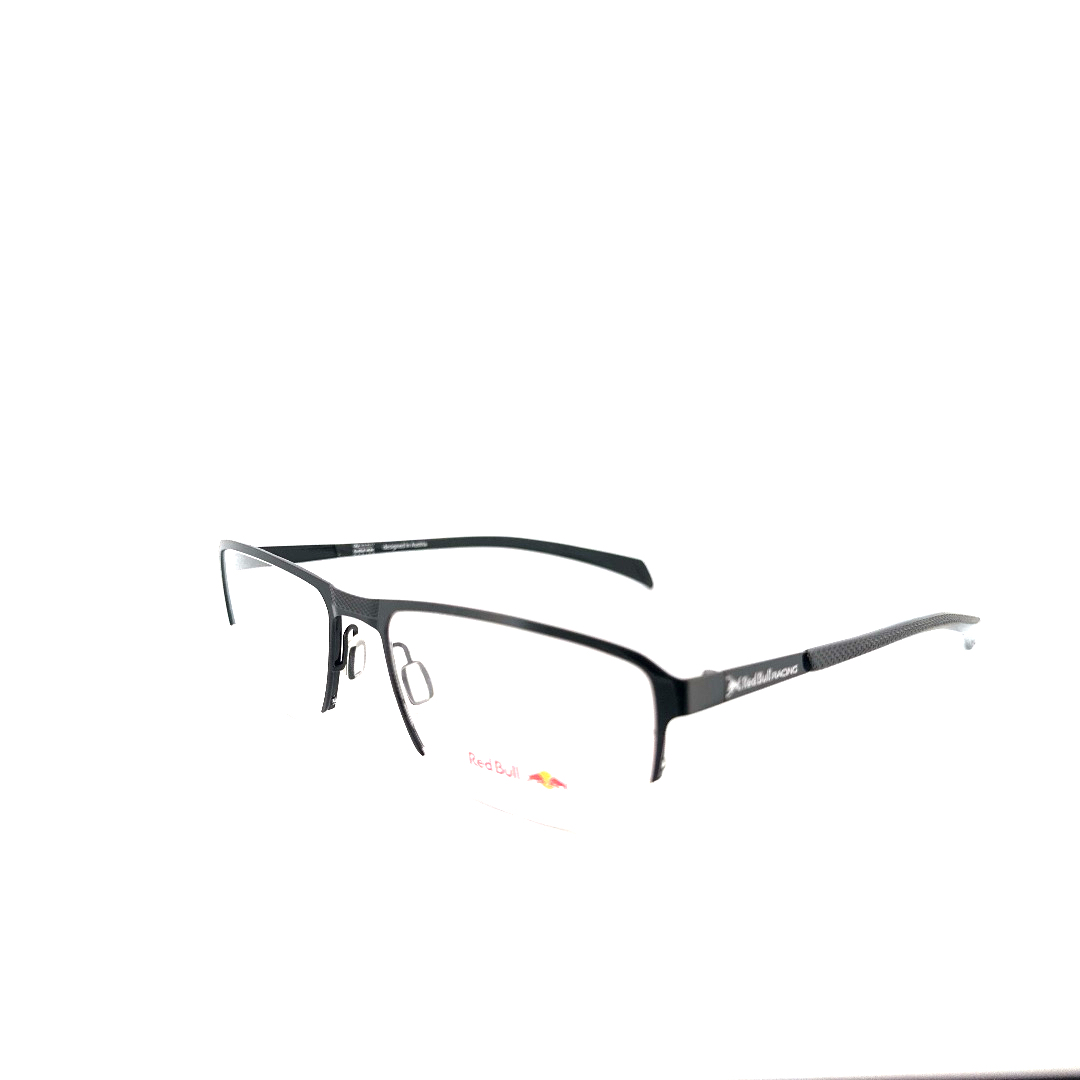
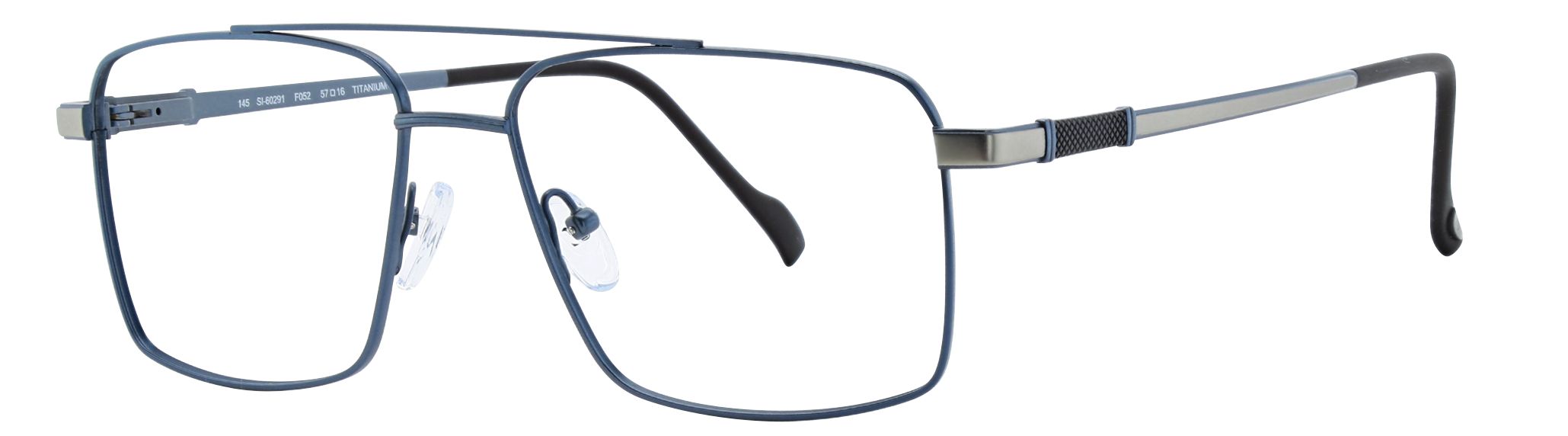
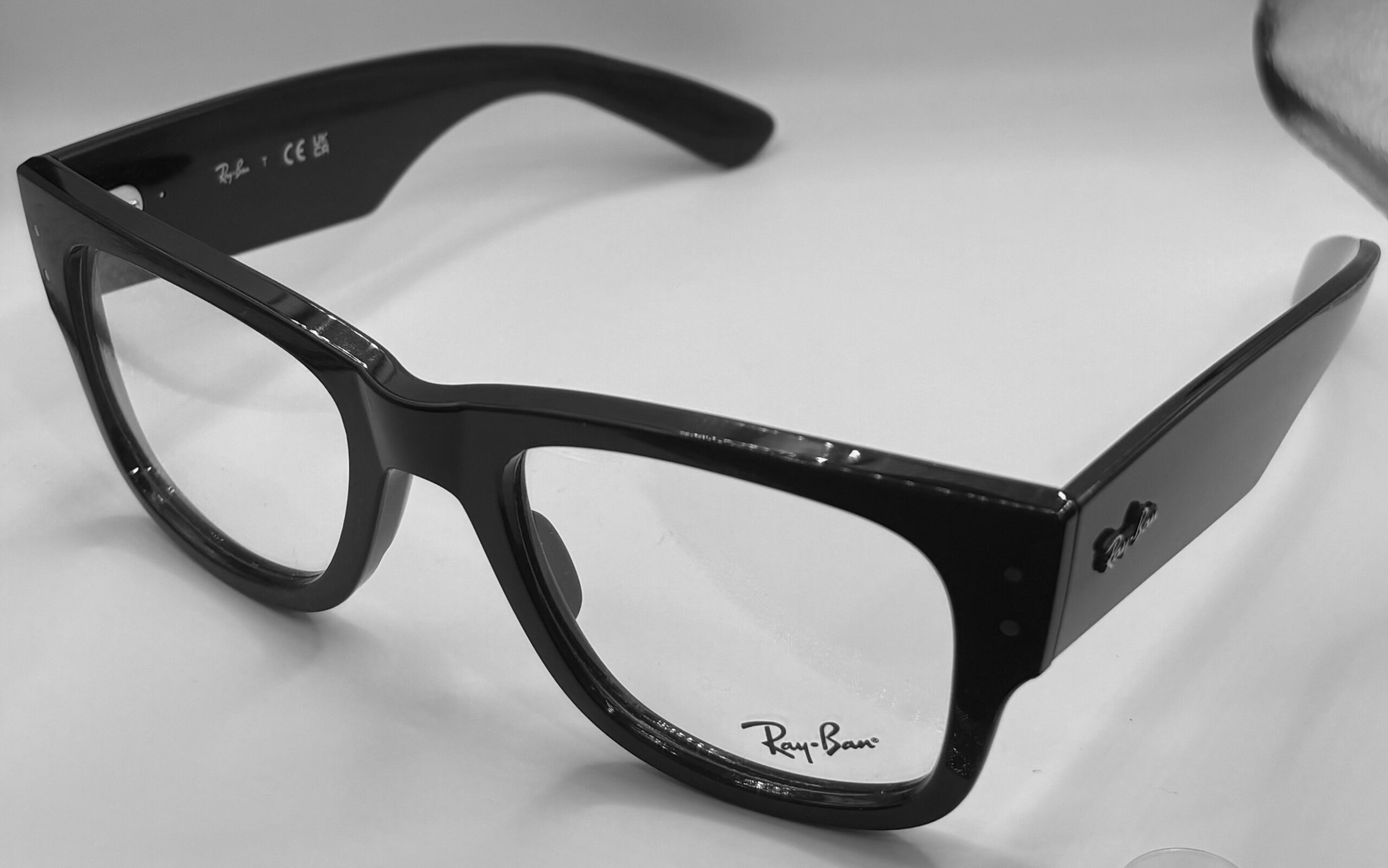
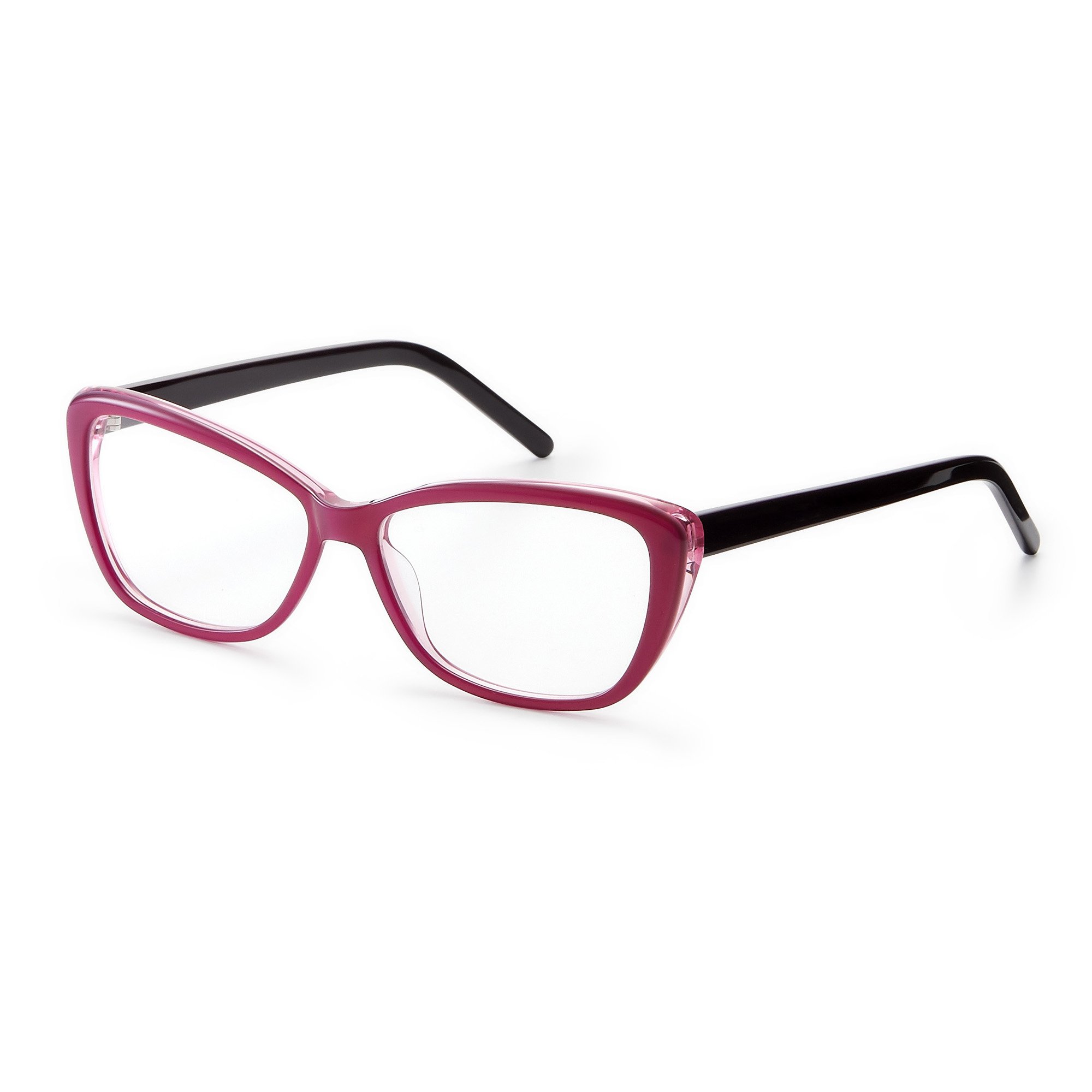
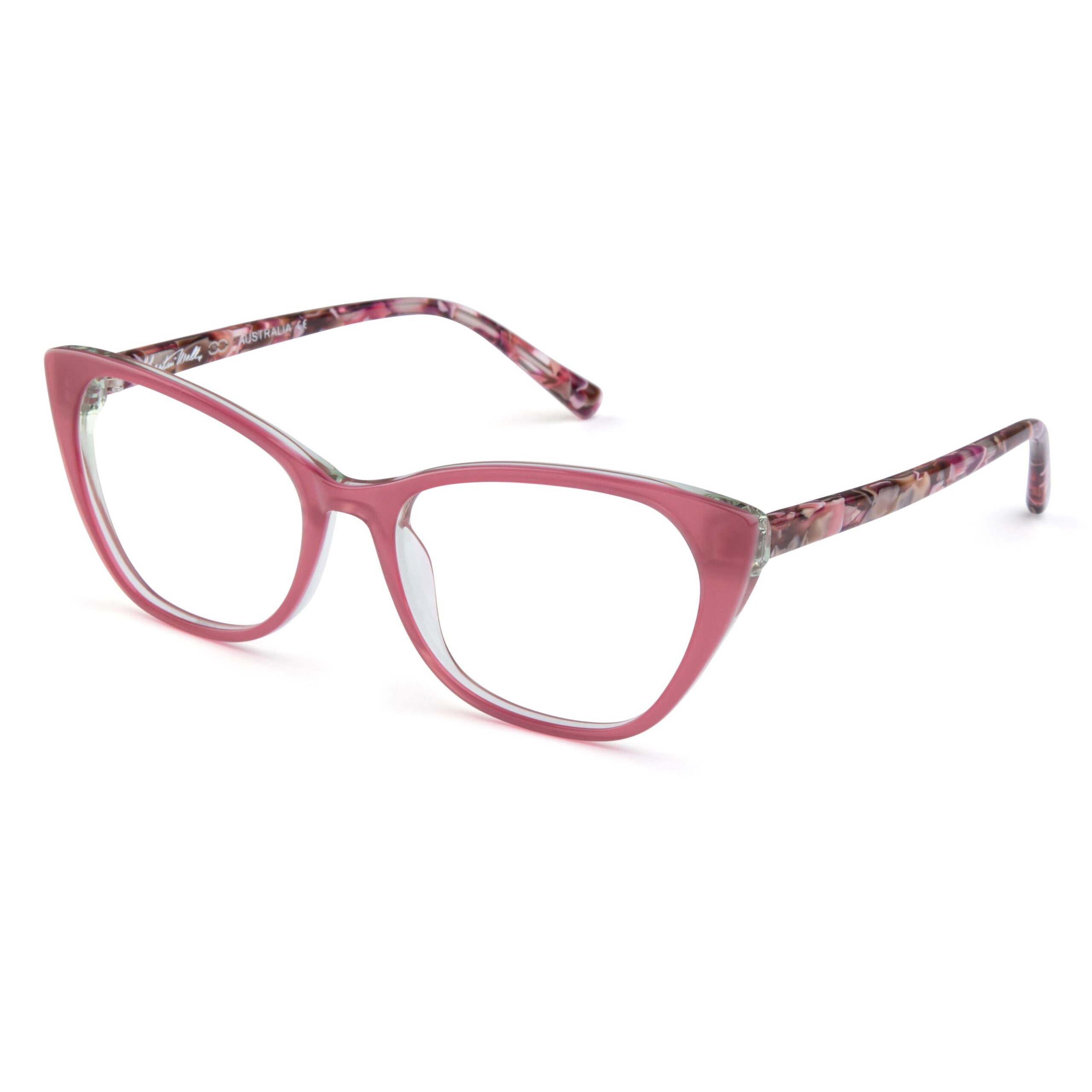
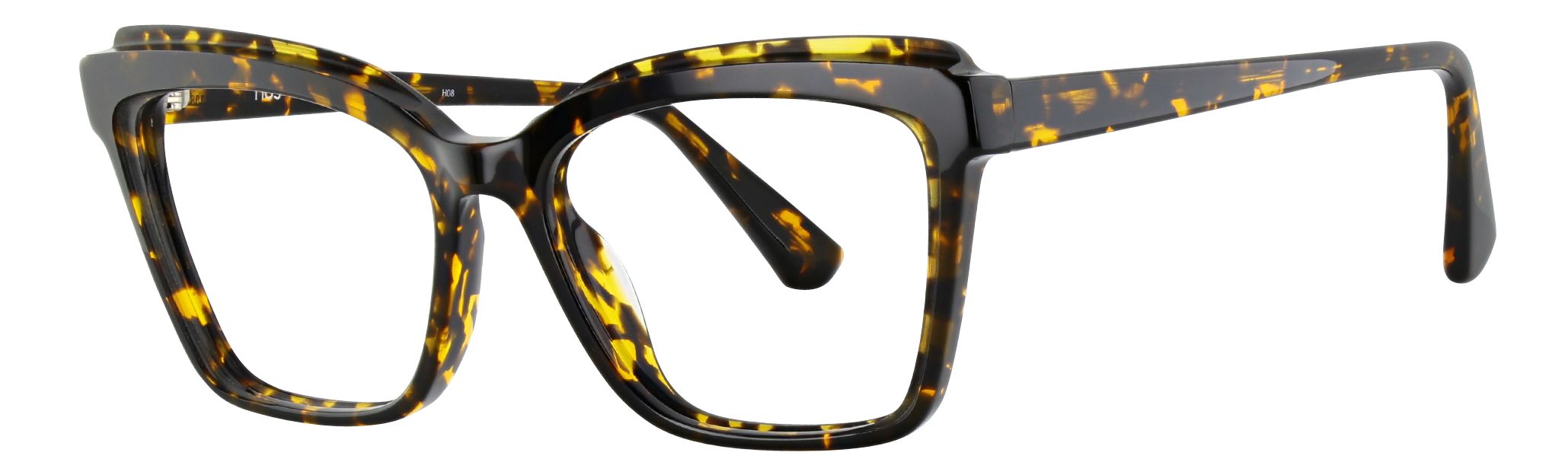
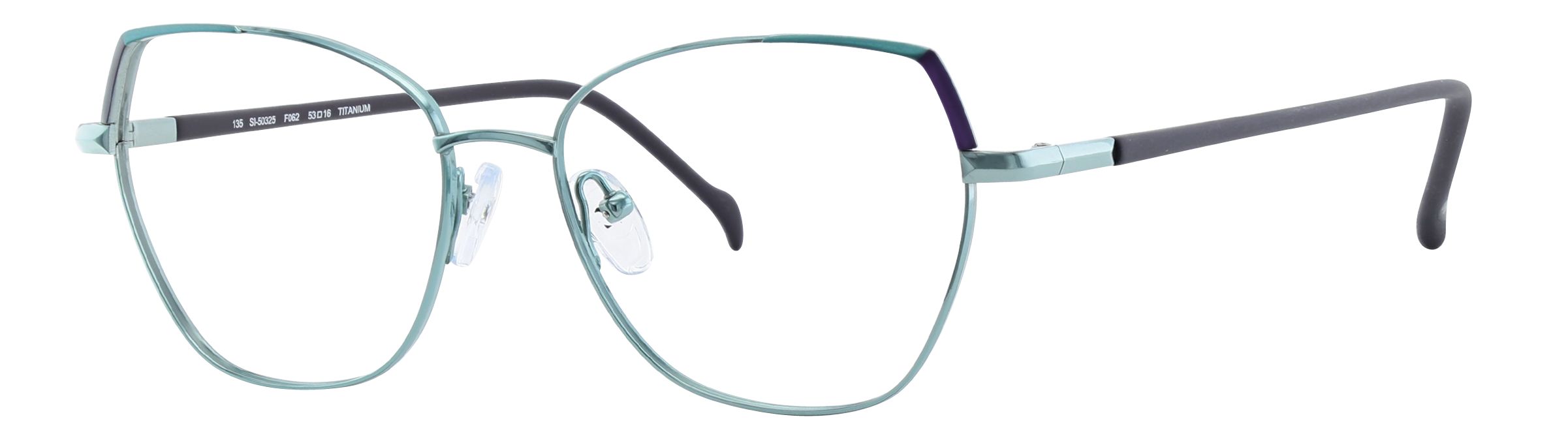
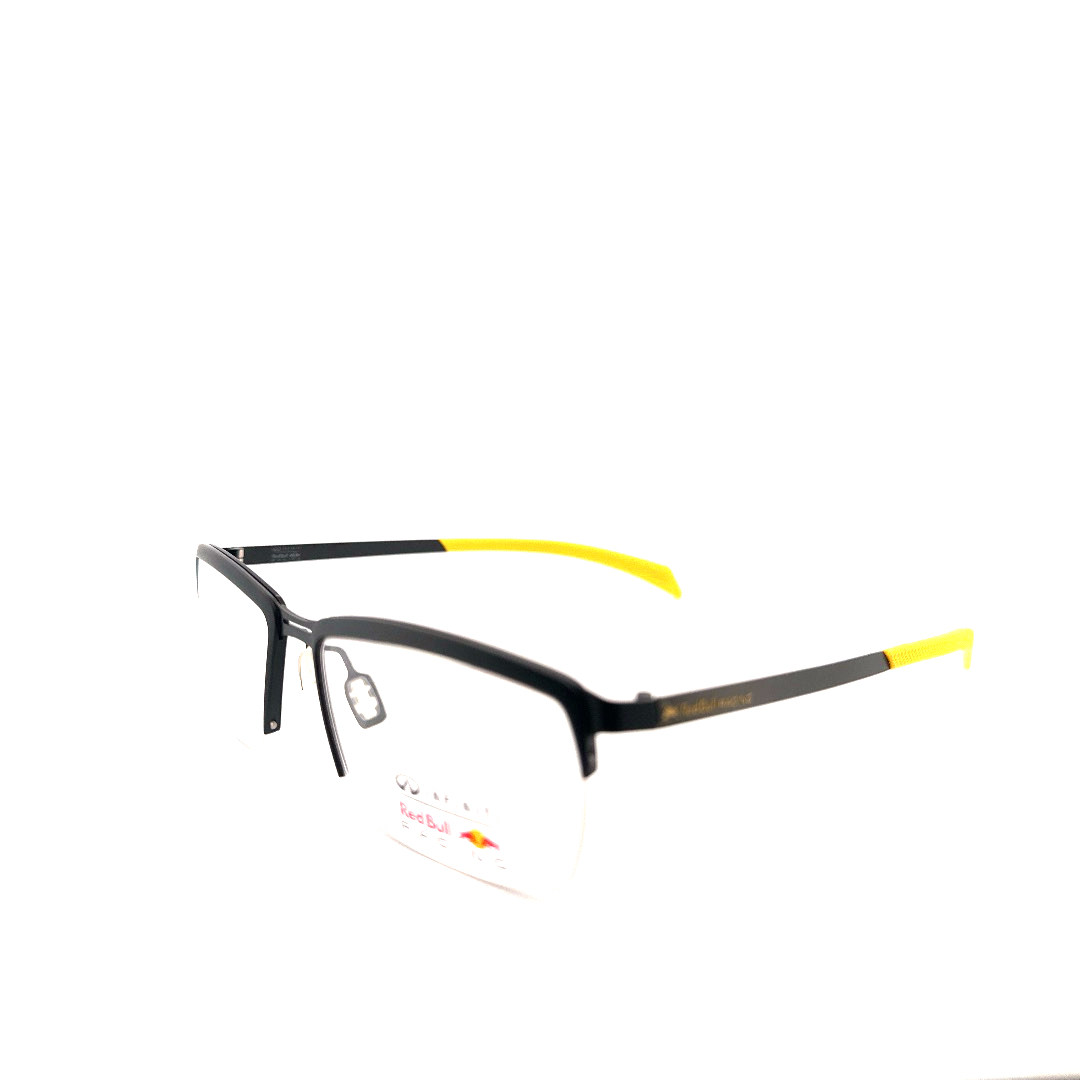
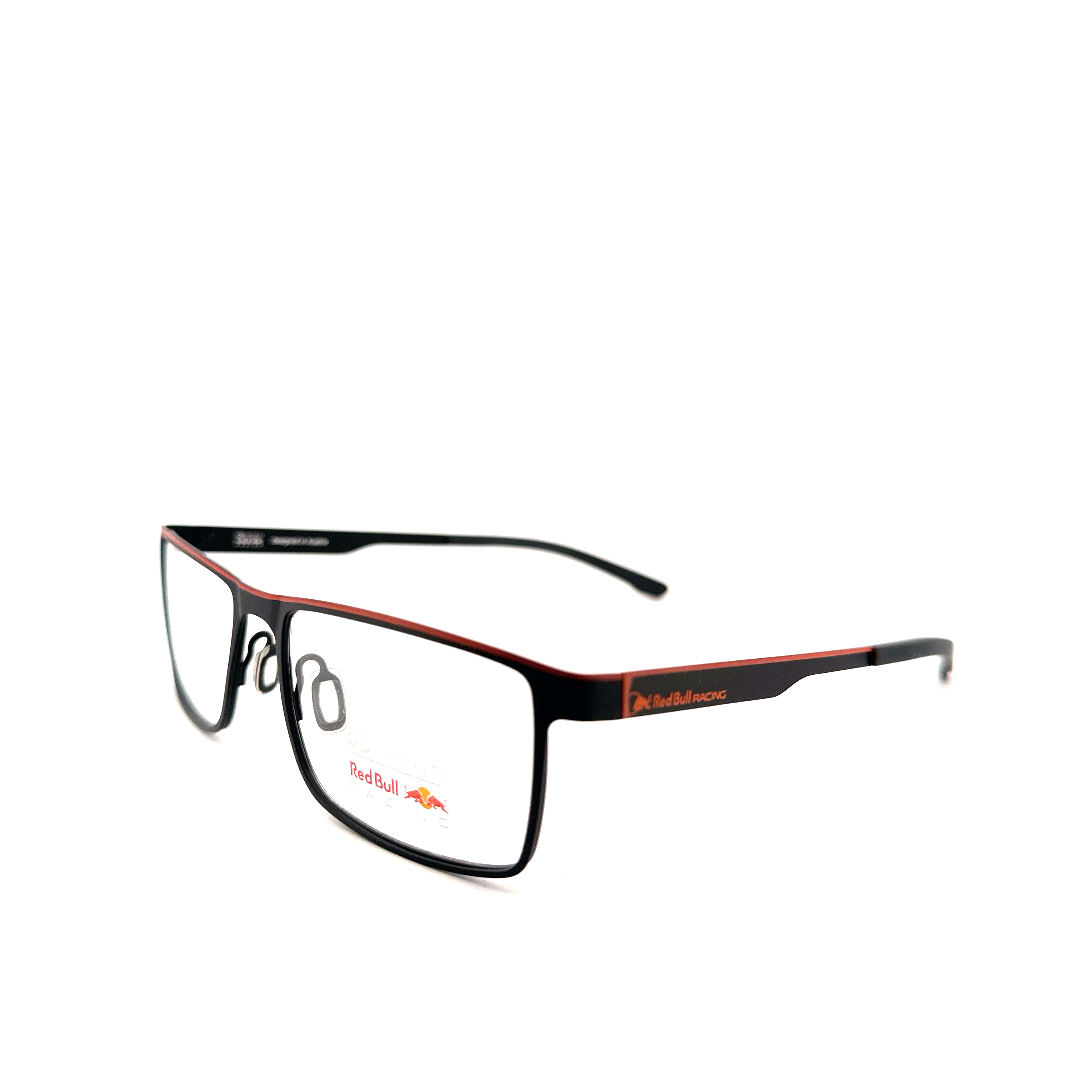
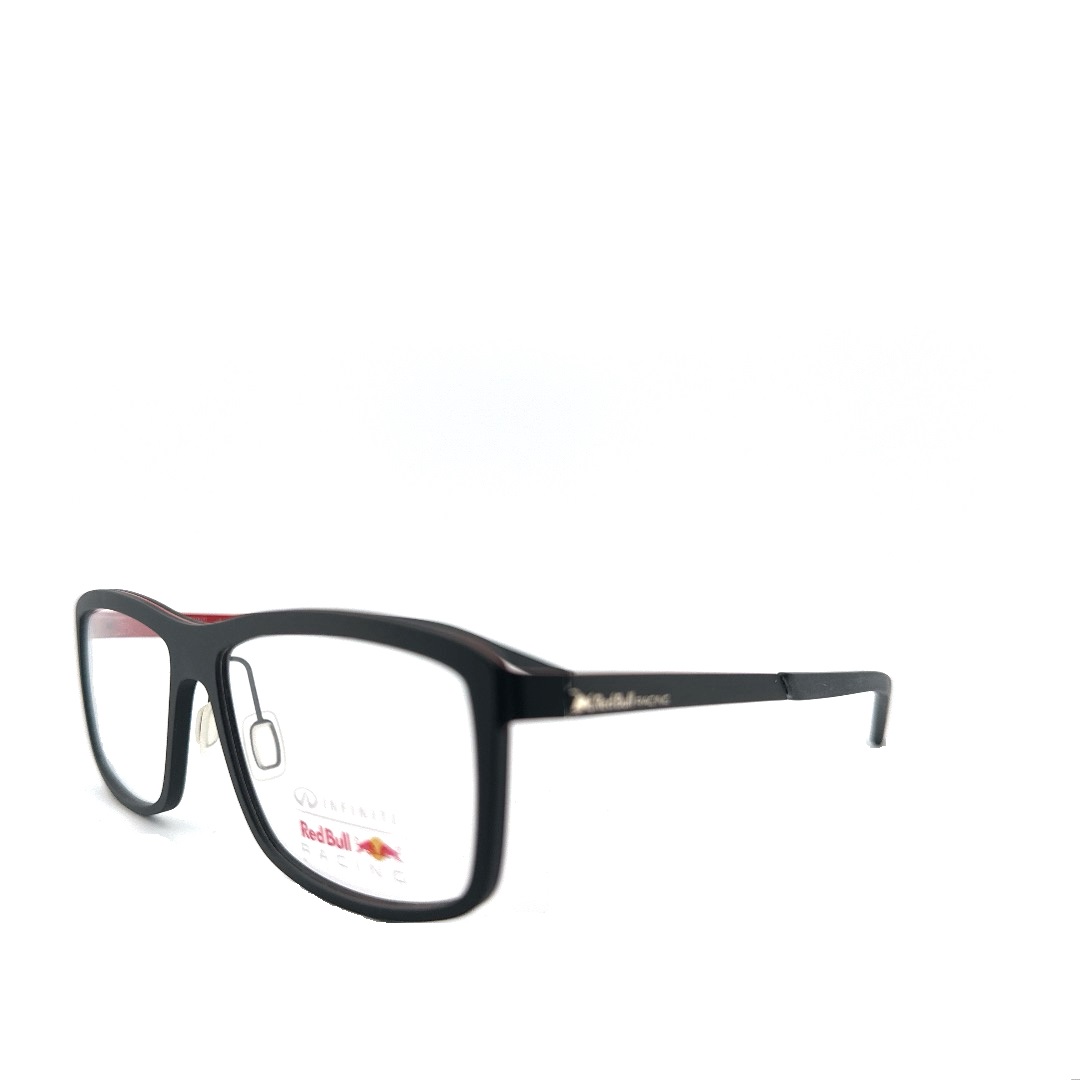
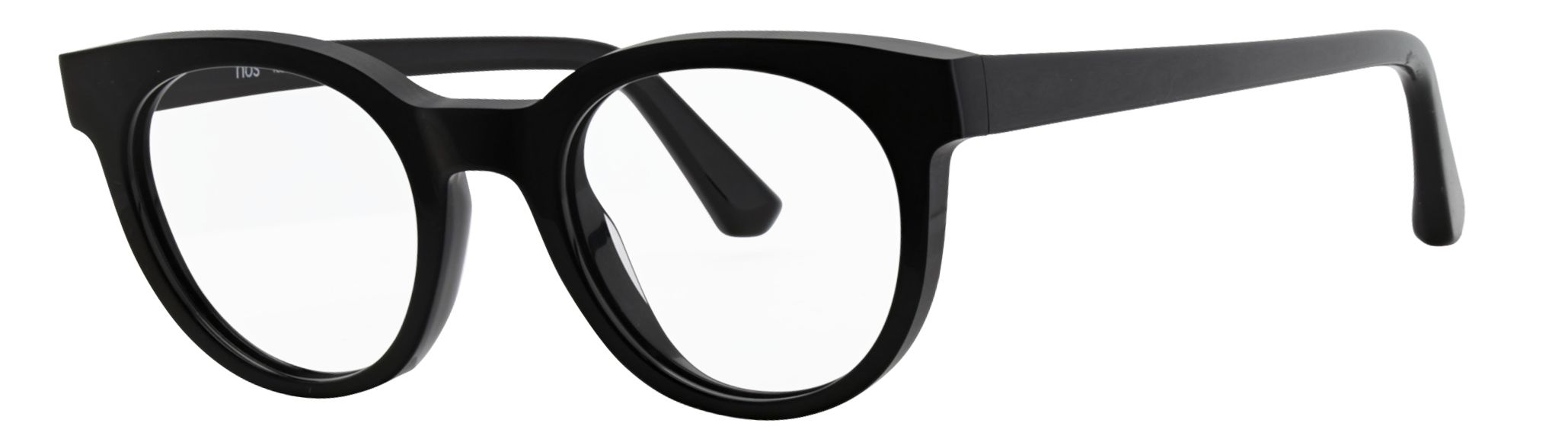
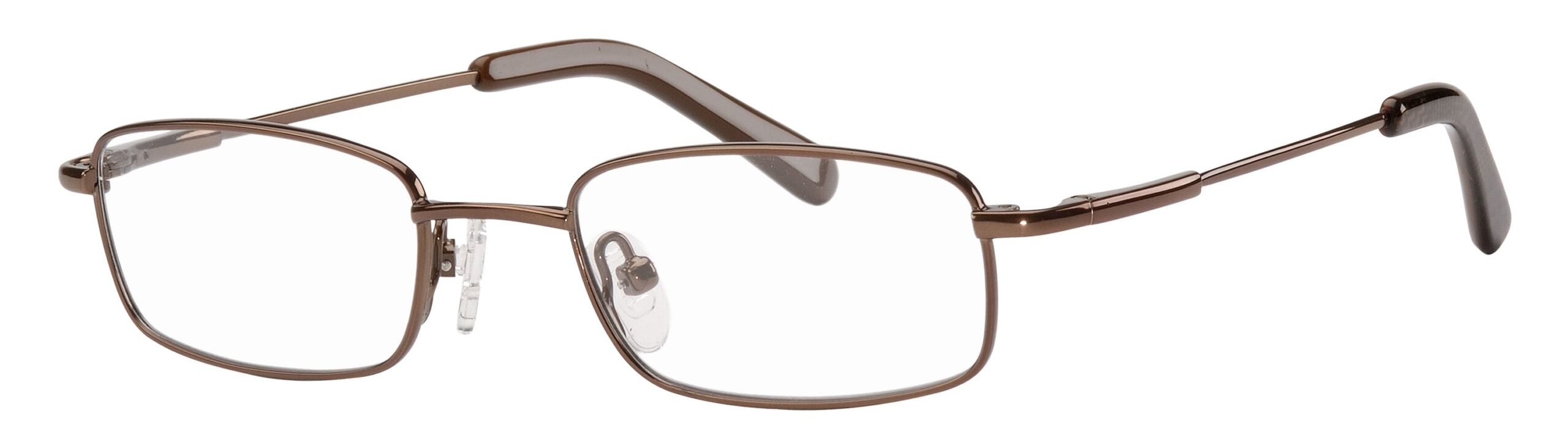
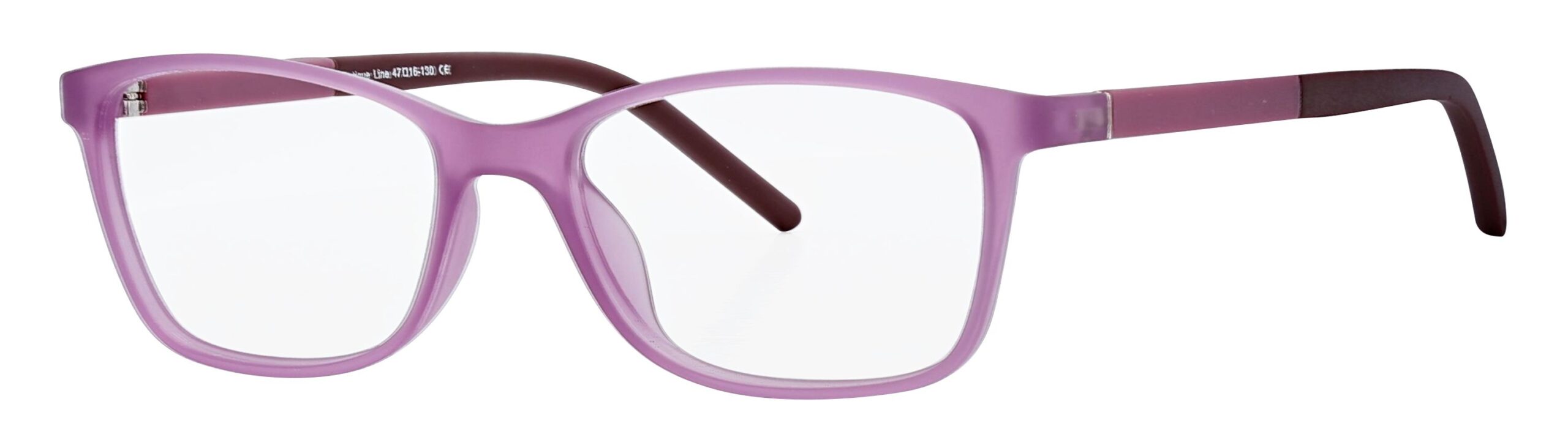
Shop optical frames and sunglasses from top brands at significantly reduced prices.
Previous season models, current season quality.

Last Seasons Eyewear is Australia's home for previous season optical frames and sunglasses from quality brands at genuinely discounted prices. Whether you're looking for men's, women's or children's eyewear frames, or a sharp pair of sunglasses, our range delivers the quality you want at a price that makes sense.
Every frame is from the prior season's collection which means real brands, real craftsmanship, and savings of up to 60% off original retail. Browse our full range and find your next pair today.
When a new season's collection arrives, prior season frames are retired from retail not because anything is wrong with them, but simply because newer models have arrived. At Last Seasons, we source these brand new frames and pass the savings directly to you. The quality is identical. The price is not.

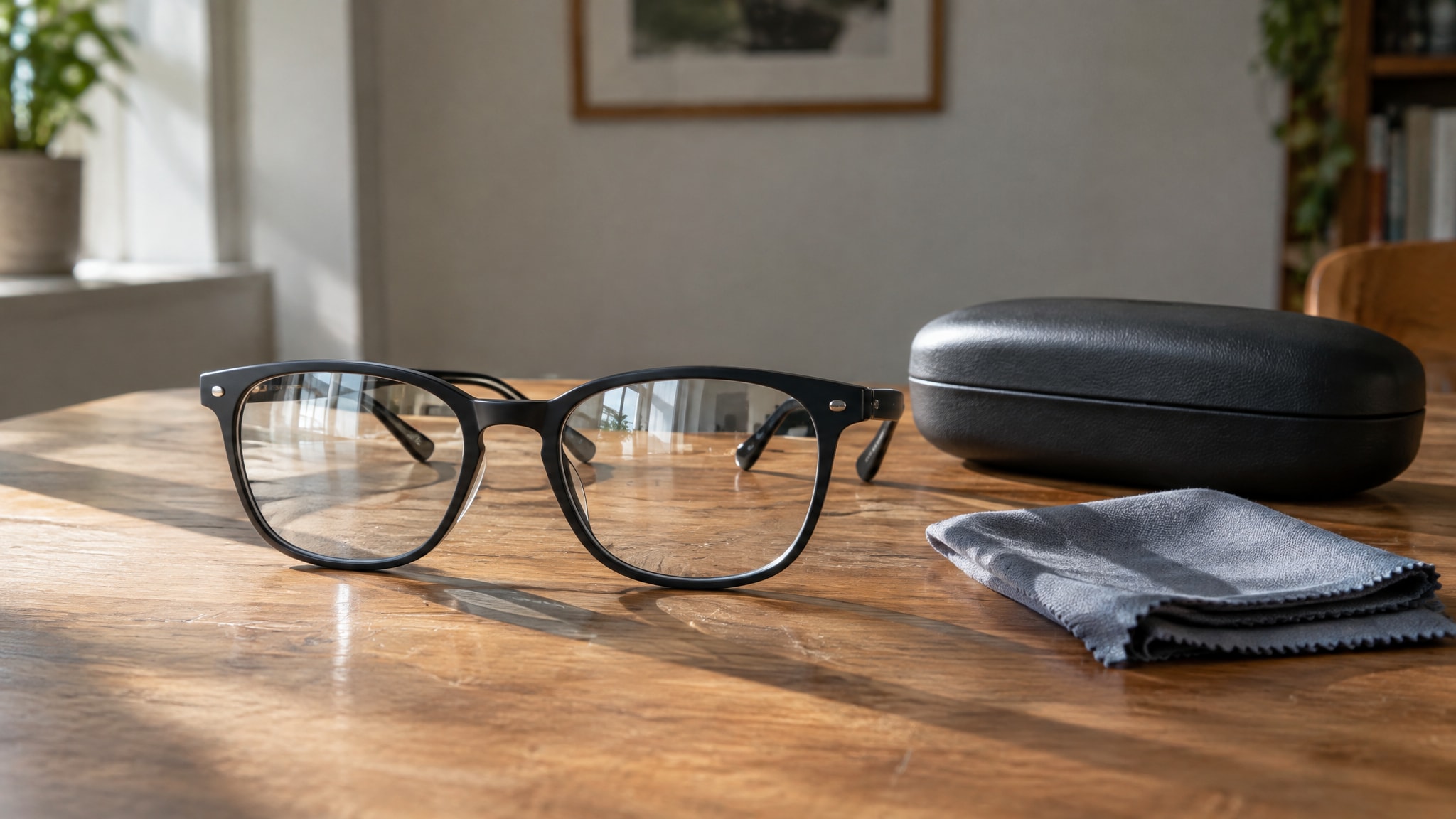
If you’ve come across prior-season eyewear and wondered whether it’s genuinely worth buying, you’re not alone. The most common question buyers ask is: are previous season glasses frames good quality, or is there a catch? The short answer is no catch, but understanding why takes a bit of context about how the optical industry actually works.
Optical brands release new frame collections on a seasonal cycle, typically once or twice a year. When a new collection lands, retailers and distributors need to clear space on their display boards. Frames from the previous collection get displaced, not because anything is wrong with them, but because the industry moves on a calendar, not a quality timeline.
These displaced frames are what the trade calls new old stock (NOS), manufactured to full specification, distributed through normal channels, and never sold to a consumer. They haven’t been worn, adjusted, or fitted. They leave the display case in the same condition they arrived.
This is the distinction that matters most. Prior-season frames are unworn frames that have been superseded by a new release. Secondhand glasses are frames that a previous owner has worn, adjusted, and returned to the resale market.
These are not the same product. New old stock eyewear sits in original condition, no nose pad wear, no temple stretching, no lens scratches (or lens slots that have been used). Understanding this difference is the foundation for evaluating any prior-season purchase.
No. The model year of a frame has no bearing on its structural quality. Optical frames are not consumer electronics, there is no firmware, no battery degradation, and no built-in obsolescence in the materials.
Quality optical frames are typically constructed from acetate, titanium, stainless steel, or a combination of these materials. Acetate and titanium, the two most common materials in quality optical frames, do not degrade meaningfully when stored correctly. A frame produced two seasons ago retains the same structural integrity as one produced this month.
The manufacturing standards that apply to a frame on release day still apply to that same frame sitting in a distributor’s stockroom a year later. Hinges, spring mechanisms, and lens retention systems are engineered for years of daily wear. Sitting unused in controlled storage doesn’t change that.
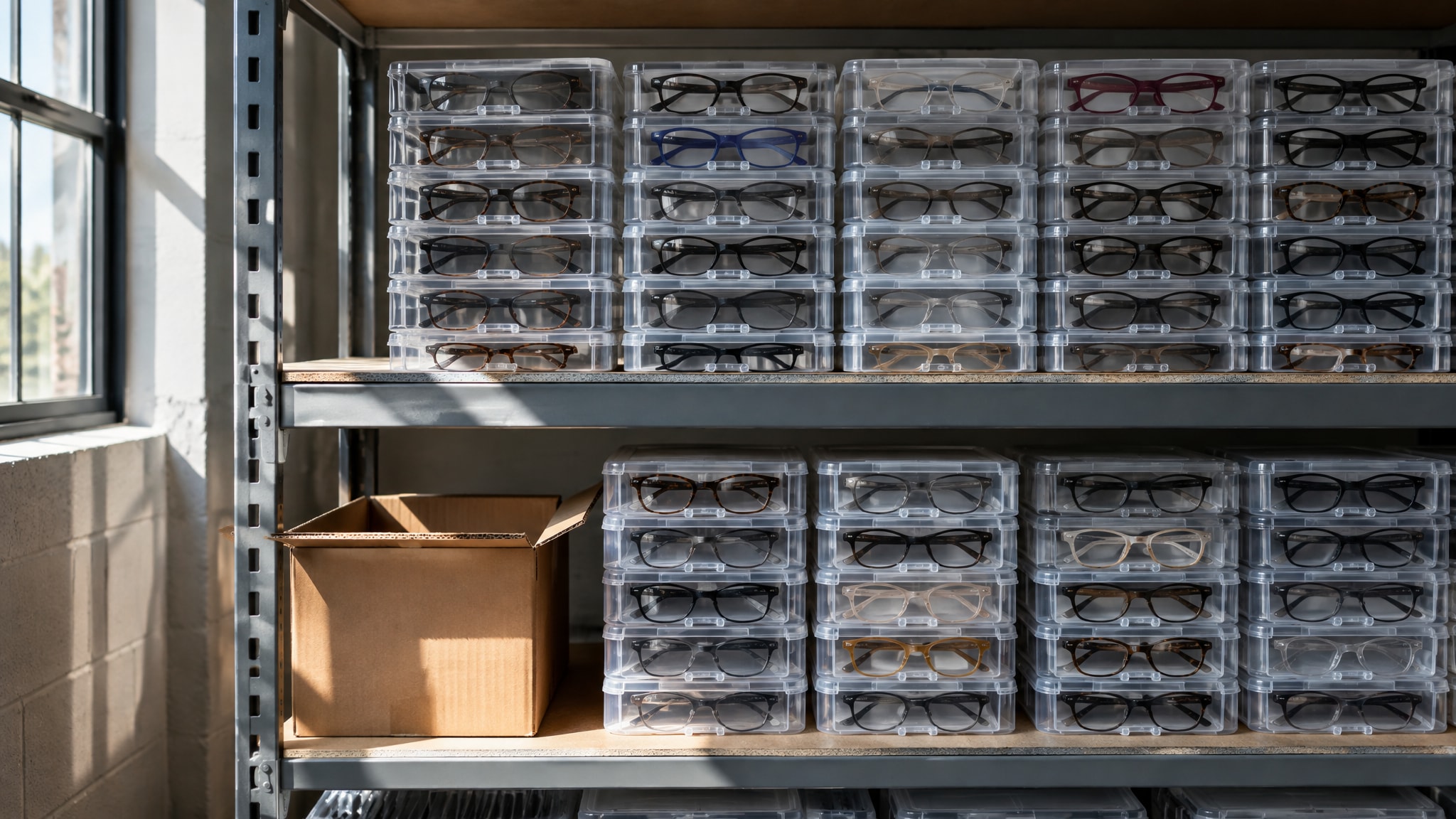
Reputable suppliers store surplus optical frames in their original packaging or on padded display boards, away from direct sunlight and humidity. This is standard practice for any business holding inventory, frames are a considered asset, not disposables.
When prior-season stock comes from Australian distributors or optical practices clearing their boards, it typically arrives in new and unworn condition: original cases, cleaning cloths, and manufacturer packaging intact. The condition description “new and unworn” is literal, not marketing language.
Worth being direct here, because the confusion causes genuine buyer hesitation. Last season glasses are not pre-owned glasses. They have not been worn by another person, and they carry none of the hygiene or fit concerns that come with secondhand eyewear.
Secondhand glasses have a usage history. That history can include nose pad compression, temple spread from repeated wear, surface wear at contact points, and lens replacement that affects how the frame sits. None of that applies to prior-season new old stock.
Warranty implications also differ. Frames sourced directly from authorised distributors or optical practices are authentic brand products, not grey-market or diverted stock. That matters for any manufacturer warranty that attaches to the frame itself.
The resale chain is also different. Previous season stock moves from brand distributor to optical practice to clearance, a short, traceable chain. Secondhand eyewear moves through private sellers, online marketplaces, or consignment, with no consistent condition verification at any point.
The discount on prior-season frames reflects inventory economics, not a quality downgrade. That distinction matters for value-savvy buyers.
Optical distributors and practices pay for every square metre of display space. When a new collection arrives, prior-season stock stops earning its keep on the board, it’s not generating sales, and it’s tying up capital that could be reinvested in the new range. Clearing it quickly at a discount makes straightforward business sense.
The same dynamic applies across almost every seasonal retail category. The price drops because the seller’s priority has shifted, not because the product has changed.
Major optical brands, including names stocked by Australian distributors and practices, release new frame collections seasonally, routinely displacing perfectly intact prior-season models from display cases regardless of their condition. Optometrists typically update their frame boards one to two times per year to reflect new brand releases. This creates a regular, predictable flow of unworn stock that exits practices in original condition.
That stock needs somewhere to go. Specialist clearance channels, rather than general secondhand marketplaces, are the right destination, because they can accurately represent condition, verify authenticity, and present the frames to buyers who understand what prior-season means. You can read more about how surplus optical frames reach the market if you’re interested in the supply-side detail.
For Australian buyers purchasing prior-season eyewear online, a few practical signals separate a reliable purchase from a risky one.
Brand authenticity is the first check. Frames should come from verifiable distributor or practice sources, not anonymous private sellers. If the seller can’t explain where their stock originates, that’s a meaningful gap.
Condition descriptions should be specific. “New and unworn” is a verifiable claim, it means original packaging, no adjustment marks, and no wear on contact surfaces. Vague descriptions like “good condition” or “barely used” suggest the seller is describing secondhand stock using softer language.
Return policies matter more when you can’t handle a frame before buying. A clear, no-fault return window lets you verify fit and condition on receipt without risk.
For domestic buyers, free Australia-wide shipping removes the last friction point from an otherwise straightforward transaction. It means the price you see is the price you pay, useful when you’re comparing prior-season frames against full-price retail.
At Last Seasons Eyewear, every frame listed comes directly from Australian distributors or optical practices clearing surplus stock, not from private sellers or pre-owned sources. That sourcing model is why condition is consistently described as new and unworn. You can browse previous season glasses frames available in Australia to see current stock across a range of brands and styles.
Yes, provided you’re buying from a reputable source that accurately describes condition and verifies provenance.
The facts are straightforward. Prior-season frames are new and unworn. The materials, acetate, titanium, stainless steel, do not degrade in storage. The manufacturing quality is identical to current-season equivalents from the same brand. The discount exists because of inventory turnover pressure, not because anything is wrong with the product.
For buyers in 2026 looking to access recognised optical brands at lower prices, previous season frames are a practical and well-understood option. The quality holds up. The only real question is whether the style suits you, which is exactly the same question you’d ask of any frame at full price.

If you want to buy prescription frames online in Australia, you have more options than ever, and more ways to overpay. Most guides point you straight to full-price retailers or big online optometrists. This one covers a smarter route: previous-season prescription frames that are new, unworn, and available well below recommended retail price. Here’s what that means, how to find them, and how to buy with confidence.
Australians have moved steadily toward buying health and personal care products online, and prescription eyewear has followed. The reasons are practical: online retailers carry far more frame styles than a typical bricks-and-mortar optometrist, and prices are generally lower because the overhead is lower.
The standard model, choose frames in-store, pay for lenses, pick up two weeks later, is still common. But more buyers now order frames online and have lenses fitted locally, or use online lens labs directly. The process is well-established, and most concerns around sizing and fit can be managed with accurate measurements and a sensible return policy.
“Previous season” does not mean used. It means the frames were manufactured to the same standards as current stock, purchased new by a distributor or optometrist, and never worn. They are not returned, not refurbished, and not pre-owned.
The distinction matters. When you buy previous season glasses frames in Australia, you are buying a brand-new frame that simply didn’t sell out before the brand released its next collection. The frame itself hasn’t changed, only its catalogue status has.
Optical brands update their collections seasonally or annually. When a new line arrives, distributors and optometrists need to clear shelf space for it. The prior-season frames, still in perfect condition, move into storage rather than onto display.
This is where previous-season inventory comes from. Surplus frames sit with distributors and practices across Australia and New Zealand, fully saleable but no longer front-of-display. Retailers who buy this stock can pass the saving on to the customer. Understanding how surplus optical frames reach the market explains why this supply chain is consistent and reliable, not a one-off clearance.
Frame quality comes down to materials and construction, acetate, titanium, stainless steel, not which season the frame appeared in a brand’s lookbook. A well-made frame from a prior collection is functionally identical to the current display model in an optometrist’s cabinet.
The most reliable approach is to look specifically for previous-season or end-of-line stock from recognised optical brands. Generic cheap frames exist, but they often cut corners on material quality or hinge durability. Brand-name prescription frames at a discount give you the quality assurance of an established manufacturer at a fraction of the full-retail price.
Search for the specific brand name alongside terms like “previous season”, “prior season”, or “end of line”. Marketplaces that specialise in this category, rather than full-price online optometrists, tend to have the deepest discounts because that’s their entire model.
Before placing an order for prescription eyewear online, check these things:
Buying online prescription glasses frames in Australia from a reputable previous-season retailer should come without shipping costs. Last Seasons Eyewear offers free shipping Australia-wide, so the price you see is the price you pay.
Beyond shipping, the key to buying with confidence is sourcing transparency. Last Seasons Eyewear sources frames exclusively from optical distributors and registered optometrists in Australia and New Zealand. Every frame listed is new and unworn, not pre-owned, not returned, not refurbished. That’s a verifiable sourcing claim, not a marketing phrase.
Authenticity is straightforward when the frames come directly from the brands’ own distribution chain. The stock originates with Australian and New Zealand distributors and practices, so there’s no grey-market import question.
Full retail on brand-name prescription frames in Australia commonly runs from $200 to well over $500 before lenses. Previous-season stock from the same brands sits meaningfully below that, not because anything is wrong with the frame, but because the collection has been superseded.
The saving is structural. Distributors and optometrists need to move surplus stock. A previous-season marketplace connects that supply directly to the buyer, cutting out the margin layers that stack up at a full-price retailer. The frame on your face is the same; the path it took to get there is shorter.
For a clear sense of how previous-season eyewear stacks up against full-price retail, the comparison holds across brands and frame categories. Previous-season prescription eyewear is not a compromise, it’s a better-informed purchase.
Ready to order? Here’s the practical sequence:
Browse current listings at lastseasons.com.au, stock turns over regularly, so what’s available today may not be there next week.

If you’re an Australian optometrist or optical distributor, surplus frame stock is an occupational reality. Brands release new collections on tight cycles, buying decisions get made months in advance, and the result is prior-season inventory sitting in stock drawers, new, unworn, and earning nothing. Knowing how to sell surplus optical frames efficiently is one of the more practical things you can do for your practice’s cash flow and storage capacity.
Optical frame collections typically rotate on an annual or bi-annual cycle. Stock purchased in one buying season can become “prior-season” within twelve months, regardless of whether it has been worn or even displayed. That’s the nature of the industry.
A practice carrying three or four frame brands across two or more seasons can easily accumulate dozens of prior-season units sitting in stock drawers. The stock is new and unworn, but it’s no longer displayed and therefore generating no revenue. Multiply that across a year or two of buying cycles and the problem compounds quickly.
Tied-up capital is the core issue. Every frame sitting unsold represents money that can’t be reinvested in new stock, equipment, or staffing. Storage pressure is a secondary concern, display space is finite, and prior-season frames occupying it displace current-collection revenue. The longer stock sits, the harder it becomes to move, because the gap between it and current-season product widens in the buyer’s mind, even if the frames themselves are in perfect condition.
Distributors face the same dynamic. When a brand retires a model mid-year or replaces a colour run, distributors often hold end-of-line stock that is perfectly current in quality but no longer orderable. A surplus channel becomes the most efficient exit route.
Before you can sell old optical stock, you need a clear picture of what you’re actually holding. A basic audit doesn’t need to be complicated, a spreadsheet works fine.
These two categories look similar on a shelf but behave differently in the resale market.
Prior-season stock refers to frames that were part of an active collection but have since been superseded by a newer season. The brand still exists, the model may still be recognisable, and the frame is new and unworn. This is your highest-value surplus category.
Discontinued frames are models the brand has retired entirely, no longer in production and no longer orderable. They can still carry resale value, particularly if the brand is well-regarded, but buyers may be harder to find because there’s no ongoing demand signal from retail.
Understanding how previous-season frames differ from secondhand stock matters here. Prior-season new frames are not used goods, they haven’t been worn, adjusted, or fitted to a patient. That distinction directly affects what a buyer will pay.
Sort your audit by brand, collection year, and condition. Flag anything that’s been a display model separately, light handling or minor surface marks need to be noted honestly.
Condition and brand recognition are the two biggest drivers of what surplus stock is worth to a buyer.
New-and-unworn frames in original packaging command the strongest prices. Display frames with minor wear, small scratches, hinge looseness, are still sellable but need accurate condition notes. Frames with significant damage are rarely worth listing individually.
Brand matters because buyers use it as a quality and authenticity shortcut. Established optical brands carry more inherent confidence for a buyer than unfamiliar private-label stock, regardless of which channel you’re selling through.
There’s no single right channel for optical frame clearance. The best option depends on your volume, timeline, and how much effort you can put into the process.
Running a clearance promotion in-practice is the most familiar option. You mark down prior-season frames, promote them to existing patients, and recover some margin directly. The upside is simplicity and no third-party involvement. The downside is limited reach, your patient base is finite, and not everyone is in the market for a new frame at the moment you’re clearing stock.
In-practice discounting also tends to compress margins significantly. To move stock quickly, prices often need to drop far enough that the return is modest relative to the original wholesale cost.
Returning stock to brand representatives is another route some practices attempt, but most suppliers don’t offer this as a standard arrangement, and terms vary widely.
A specialist optical surplus marketplace connects your stock with buyers who are actively searching for prior-season frames at reduced prices. That’s a fundamentally different buyer intent from someone scrolling through a general classifieds site.
Generic platforms like Facebook Marketplace or Gumtree reach a broad audience, but optical frames are a niche product. Buyers on those platforms are rarely equipped to evaluate brand, model, or frame measurements, which slows the process and often results in lower prices or abandoned sales.
A dedicated marketplace serving the optical sector attracts buyers, individual consumers, smaller practices, students, who understand the product and are specifically looking for previous-season optical frames in Australia at competitive prices. That targeted demand is what makes specialist channels worth considering over bulk liquidation, which typically returns the lowest per-unit value of any option.
Once you’ve decided on a channel, the listing process itself determines how quickly your stock moves and at what price.
Buyers of prior-season stock are deal-savvy. They’re not impulse purchasers, they’re comparing options and making considered decisions. Vague listings lose them immediately.
For each frame, provide:
Photography matters. Clean, well-lit shots against a neutral background, front-on and three-quarter angle, communicate condition better than any description. Use natural light where possible and avoid cluttered backgrounds.
Pricing prior-season stock relative to RRP is straightforward in principle: buyers expect a meaningful discount from the original price, and that discount increases the further the stock is from the current season. A frame from the prior season in perfect condition might sit at 40–60% below RRP; older stock or display frames will typically need to be priced lower to move. The specific number depends on the brand and current demand, but anchoring to RRP gives both seller and buyer a shared reference.
Accurate specs and honest condition statements matter more here than marketing language. Write what it is, not what you hope it sounds like.
Reactive clearance fixes an existing problem. Good stock management prevents it from building up in the first place.
Practices that track frame turnover by brand and collection year consistently catch slow movers earlier. A frame identified as slow early in a buying cycle is far easier to sell than one held until the next season’s catalogue drops. By that point, the new collection has arrived, display space pressure has doubled, and the resale window has narrowed.
Practical steps worth building into your buying cycle:
These habits don’t eliminate surplus stock, the seasonal cycle makes some accumulation inevitable, but they keep it manageable.
Timing is the most underrated lever. Listing prior-season stock early in the new season, before the gap between “prior-season” and “current” becomes too obvious to buyers, consistently produces better results than listing at season’s end when your own new stock has already arrived.
The key factors that affect the value you recover:
Last Seasons Eyewear lists prior-season optical frames from established brands, new and unworn, at prices well below original RRP, connecting Australian and New Zealand practices and distributors directly with deal-savvy buyers. If you’re holding prior-season or discontinued frame stock and want a direct, targeted channel to recover value from it, listing on Last Seasons is a practical next step. Visit lastseasons.com.au to find out how to list your surplus stock.