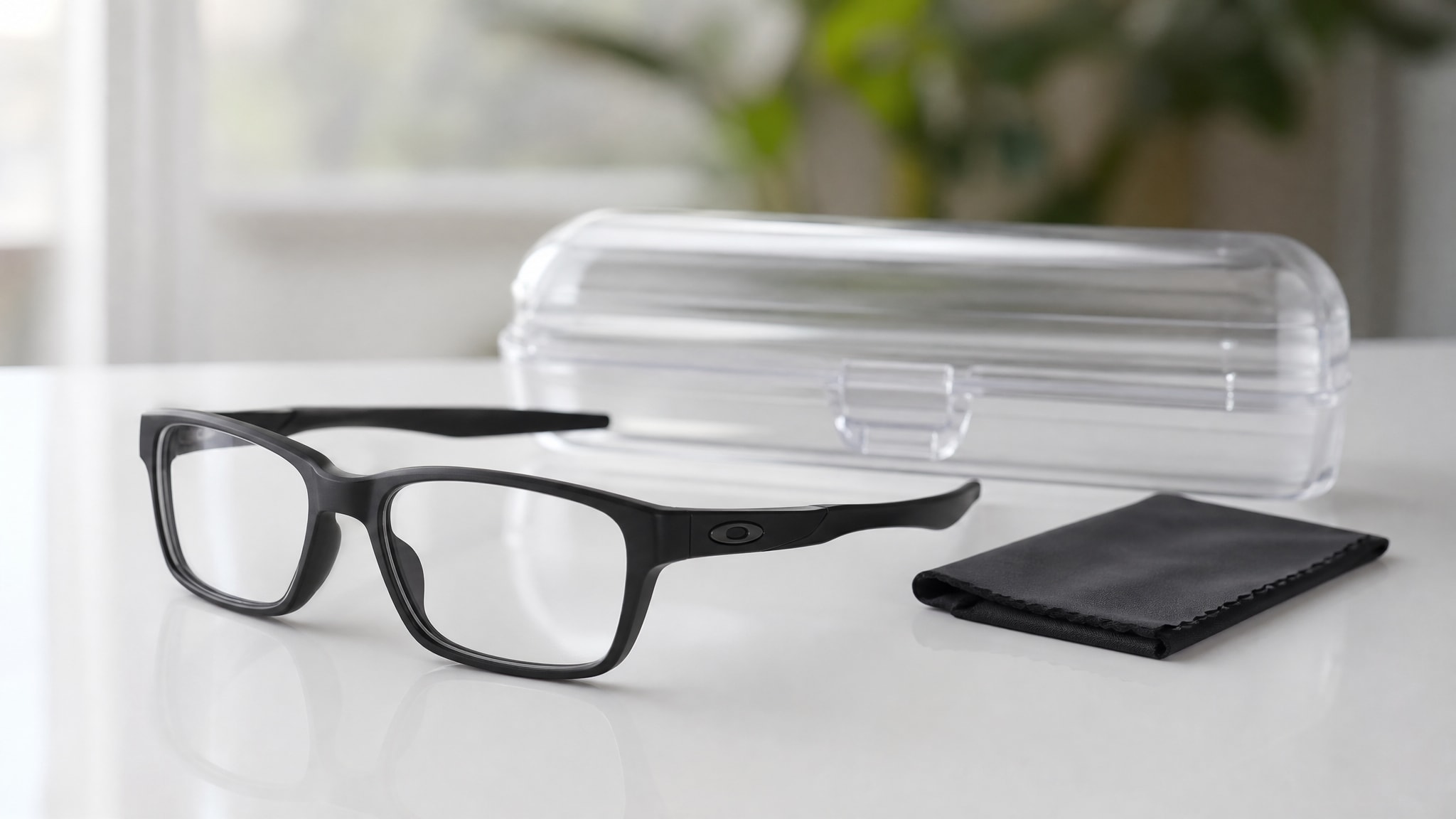
Buying prescription glasses cheaper than your optometrist usually means trading price for service. Prior-season stock changes that. You get genuine branded frames at a lower price because the inventory is surplus, not defective, so you skip the usual retail markup without skipping the brand.
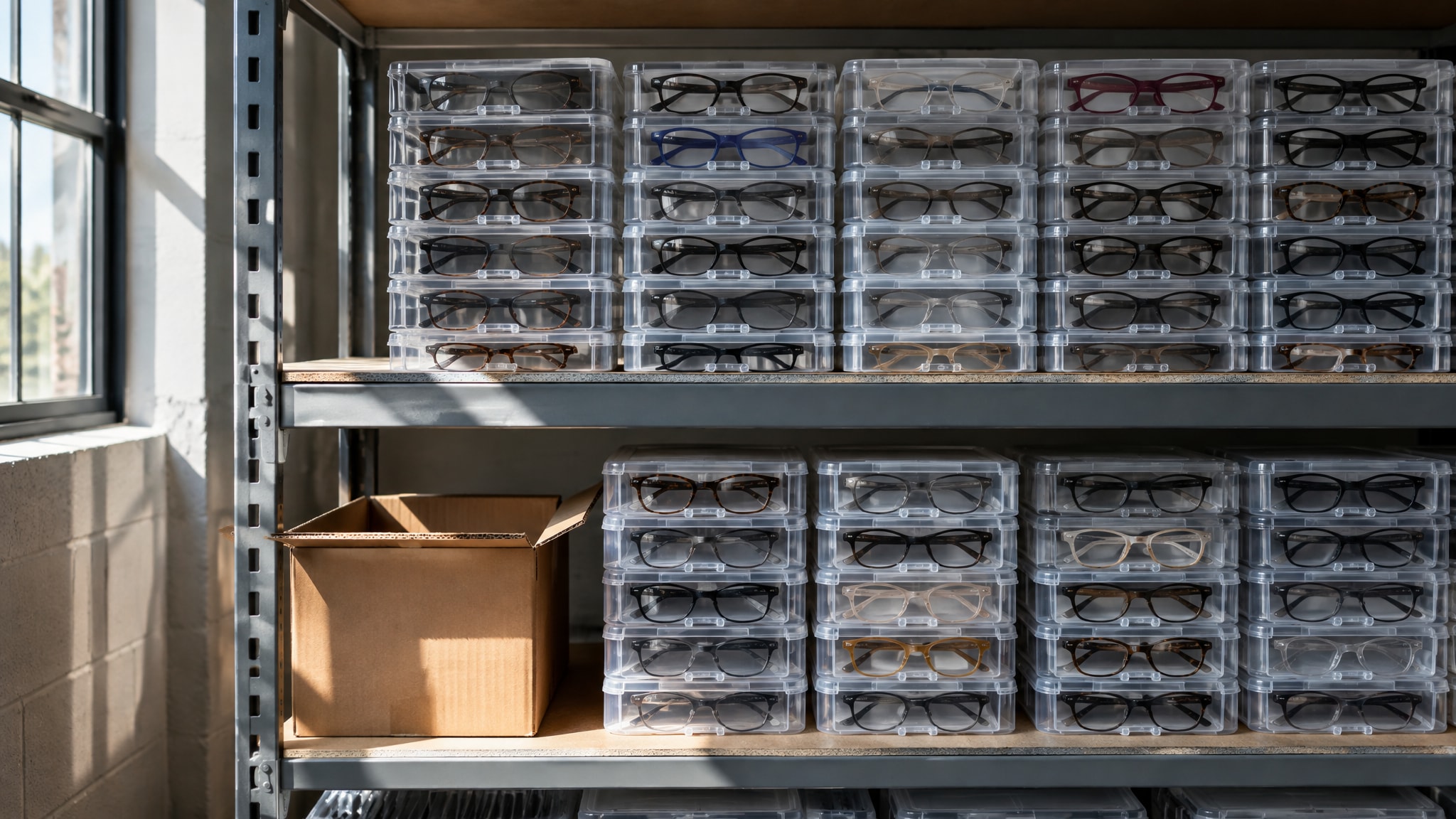
This marketplace model connects distributors and optometrists holding excess stock directly with consumers, cutting out the wholesale layers that normally push prices up. The result is new, unworn eyewear from established brands, priced on inventory timing rather than compromised quality or authenticity.
Physical stores have to cover fitout costs, clinical staffing and prime real estate across every frame they sell. Online platforms carry none of that overhead, so the saving gets passed straight through on identical products. That structural difference, more than anything else, is why cheaper prescription glasses online is a realistic goal for Australian buyers rather than a marketing line.
Traditional optical practices bundle professional services into the product price. That’s the source of the optometrist markup on branded frames: it covers clinical time and facility costs whether or not you need ongoing care. The bundled model buys you expert advice, but it also means you’re paying for infrastructure even when you just want a replacement frame.
Online marketplaces split the product from the clinical service, so each side can run at its own efficient price point. You can still see your local optometrist for eye health checks, and source frames through a platform that doesn’t need to recover practice overheads from frame sales alone.
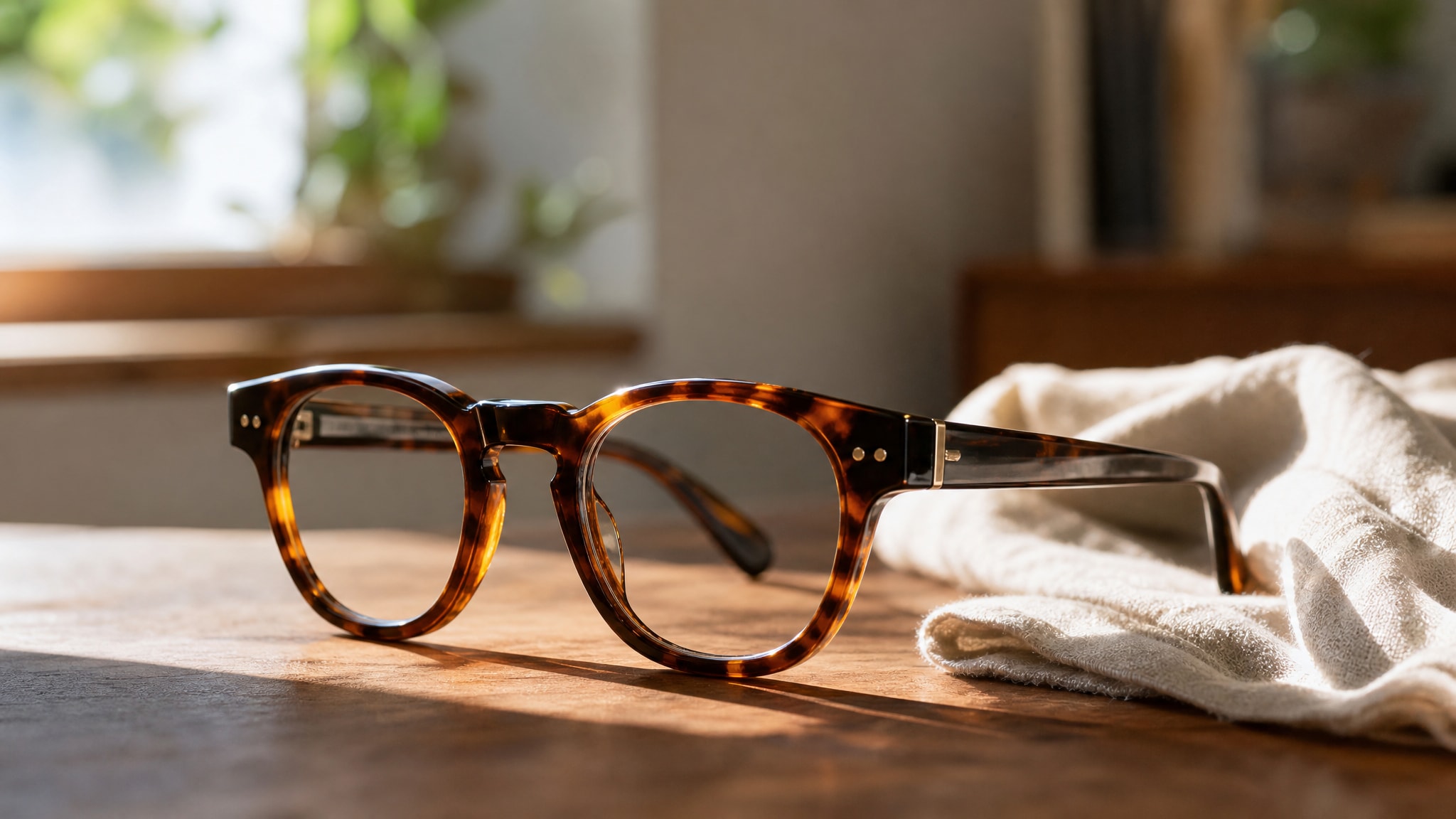
“Prior-season” means new, unworn inventory from recognised brands, still in original condition, but from an earlier collection cycle. That’s a different thing to secondhand goods, returns or manufacturing seconds, which can carry hidden defects or limited warranty cover.
Distributors and optometrists list this stock to recover capital tied up in slow-moving inventory rather than let it keep depreciating in storage. Last Seasons Eyewear operates as a marketplace connecting these sellers directly to consumers, cutting out the wholesale layer while keeping brand and condition intact.
The gap between online glasses and optometrist prices comes down to inventory age, not shortcuts in materials or authentication. You’re comparing the same manufacturing standard across different distribution timelines. The price difference is logistics, not quality.
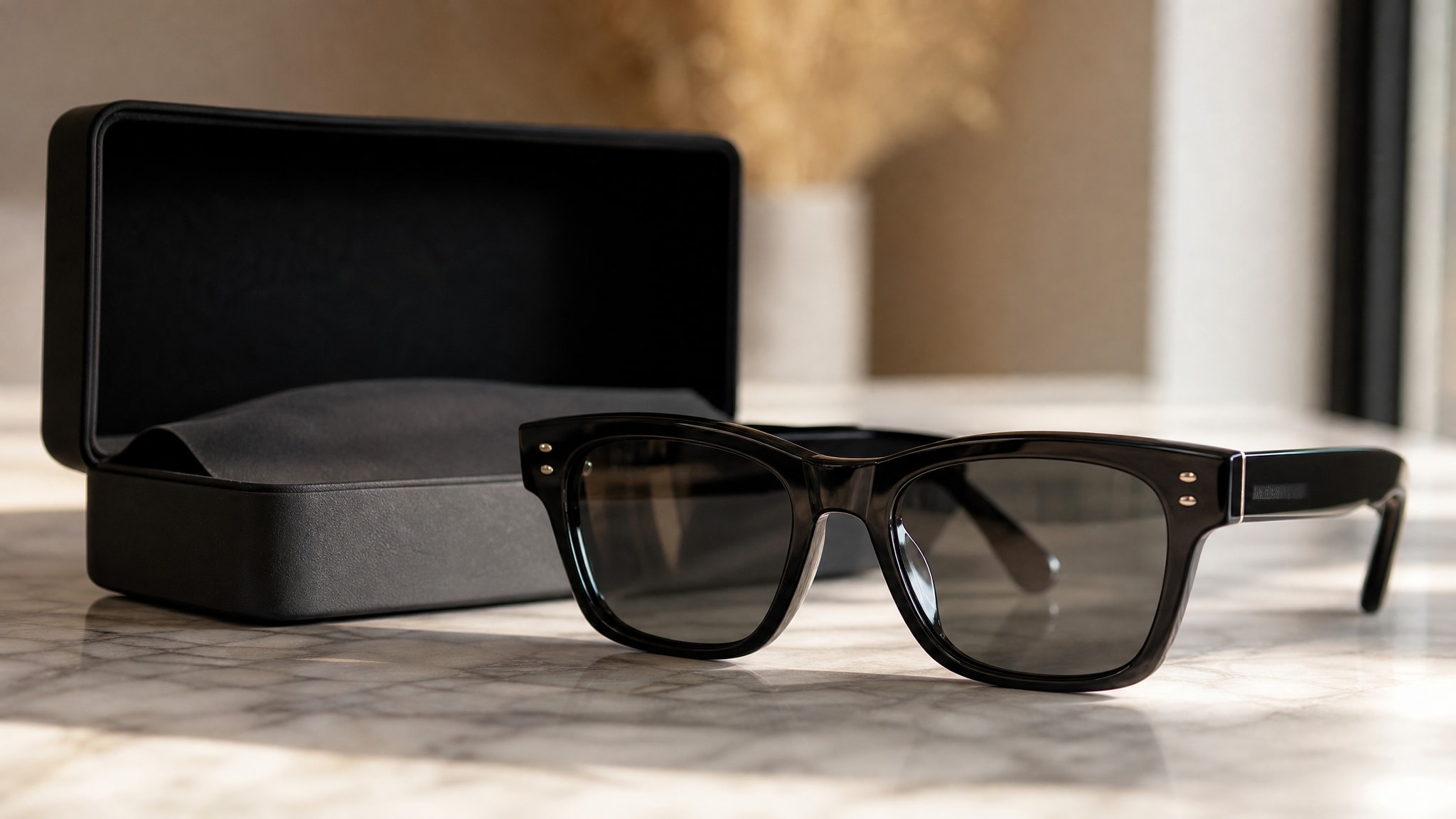
The Max Mara MM0029 Emme6 01B, listed at around AUD 310, is prior-season new stock, not clearance of damaged or returned goods. This full-rim women’s sunglass has a 56mm lens width, 18mm bridge and 140mm temple length, and the same build quality and brand assurance as a current-season equivalent, at a fraction of the usual retail price.
The Anne Klein AK7043 001 in black and gold sits around AUD 190. With a 59mm lens width and 16mm bridge, it suits larger face shapes while holding to the same construction standard you’d expect from an established fashion house.
The Spencer Wilson Samantha and Shanghai, both around AUD 110, show that recognised optical brands don’t have to carry a traditional retail markup. The Samantha C1 has a 50mm lens width and 22mm bridge, built for practical everyday styling. The Shanghai C2 gives men a 51mm lens and 21mm bridge in brown and gold.
These prices make one thing clear: going cheaper than an optometrist doesn’t mean giving up on brand recognition or build quality. The Spencer Wilson Pines C36 rounds out this tier, also around AUD 110, with a 54mm lens width and a black, aqua and silver colourway for women who want reliable daily wear without the premium price tag.
Finding a genuine branded-frames discount online means knowing what’s actually in stock right now, not relying on vague category blurbs. Here’s what’s currently available through this marketplace model.
The Max Mara MM0029 Emme6 01B combines black and gold tones in a full-rim design built for all-day wear. Its 56mm lens width and 18mm bridge suit average to wider faces, and the 140mm temple length fits comfortably across most adult head sizes.
If you prefer warmer tones, the Max Mara MM0008 Logo2 56F in brown and beige sits around AUD 390, with a slightly smaller 55mm lens width and 17mm bridge. Both models share the 140mm temple length and full-rim build, so either can take a prescription lens if you need one.
The Spencer Wilson Samantha C1 in brown is a good example of practical styling at a low price. At around AUD 110, it has a 50mm lens width and a generous 22mm bridge, comfortable on narrower faces.
Men looking at the Spencer Wilson Shanghai C2 get a 51mm lens width, 21mm bridge, and longer 145mm temples for a secure fit. The Spencer Wilson Pines C36 adds a tri-tone colourway at the same AUD 110 price point and 54mm lens width.
The Anne Klein AK7043 001 stands out with a 59mm lens width, one of the larger frames currently listed. At around AUD 190, this black and gold sunglass suits anyone who wants bold proportions and full coverage without the boutique price.
Every frame here comes with precise measurements, like the 56mm lens width and 18mm bridge on the Max Mara MM0029, so you can check the fit before you buy rather than guess. Compare those numbers against the glasses you already own, and you’ll know whether a discounted frame will actually suit you.
Worrying about authenticity and prescription accuracy makes sense when you’re buying outside the usual channels. The thing to understand is how authorised surplus differs from grey-market or counterfeit supply.
Authenticity starts with where the stock comes from, not with inspecting it after it arrives. Prior-season frames sold through authorised marketplaces come from the same manufacturers and distributors that supply brick-and-mortar optometrists, so warranty eligibility and build quality match current-season stock.
Counterfeit risk goes up with unverified sellers who can’t show clear supply chain documentation. Established marketplaces guard against this by vetting sellers and keeping direct relationships with distributors holding genuine surplus inventory.
Your current prescription stays valid wherever you buy your frames, as long as the frame specs support your lens needs. High prescriptions sometimes need particular lens widths or rim types to avoid thick edges, so check the frame dimensions against what your optometrist recommends.
This doesn’t replace regular eye exams or professional dispensing advice for complex prescriptions. It just means you can source frames separately once your prescription is stable and your needs are straightforward.
The costs behind optometrist markup on glasses are real. Physical practices invest heavily in clinical equipment, trained staff and compliant facilities, and that’s what makes comprehensive eye care possible beyond just selling frames.
That overhead is necessary, but it still lands in the unit cost of every frame sold through that channel. Rent in high-traffic locations, staff training and regulatory compliance all feed into pricing in a way that simply doesn’t apply to an online-only operation.
Online marketplaces don’t replace that clinical infrastructure, they sit alongside it, handling the product transaction on its own. You keep access to professional care when you need it, and get a lower-cost option for frames when you don’t.
Picking frames remotely works best with measurement data, not visual guesswork. Your existing glasses are the most reliable reference point for whether a discounted frame will actually fit.
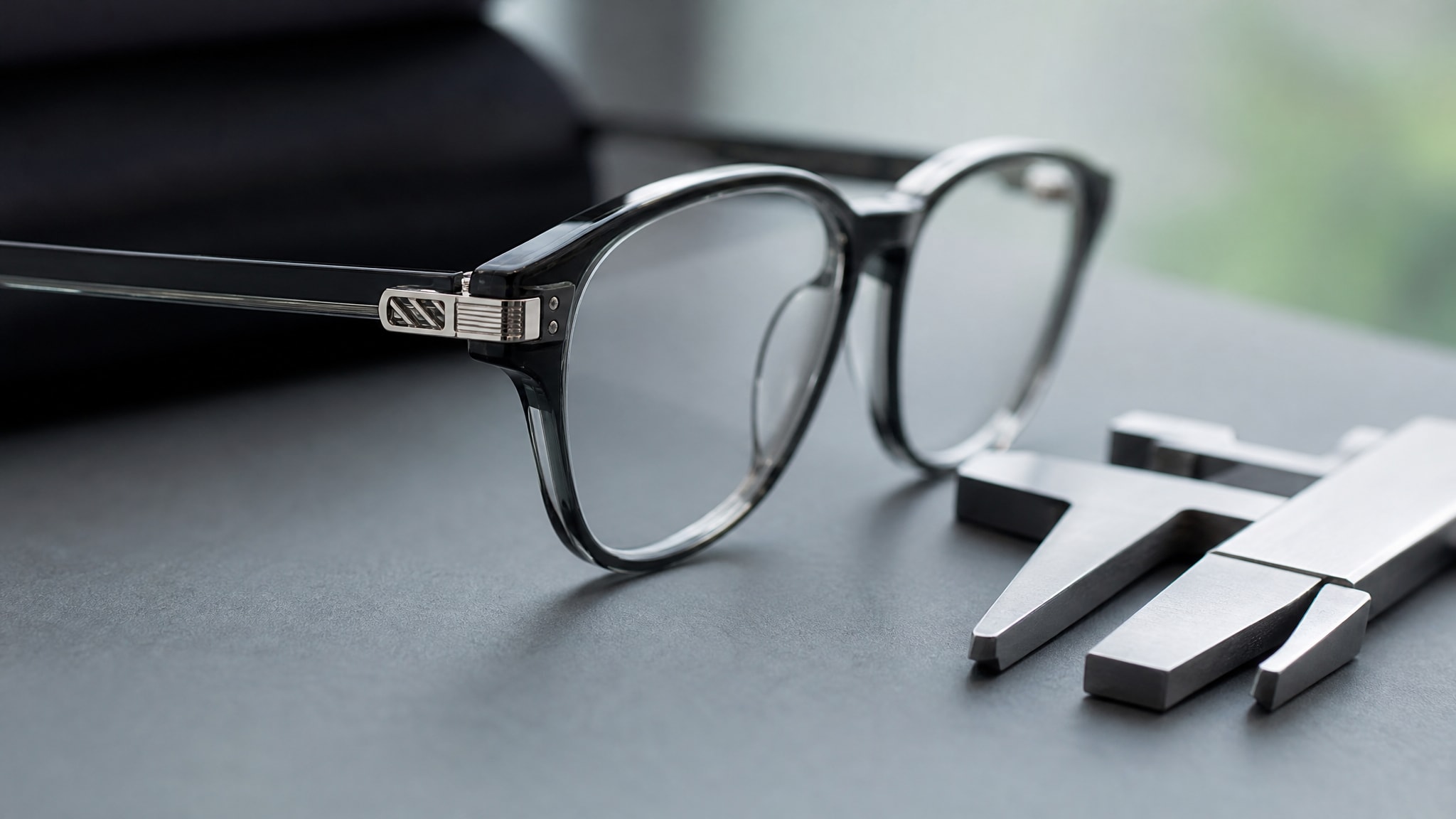
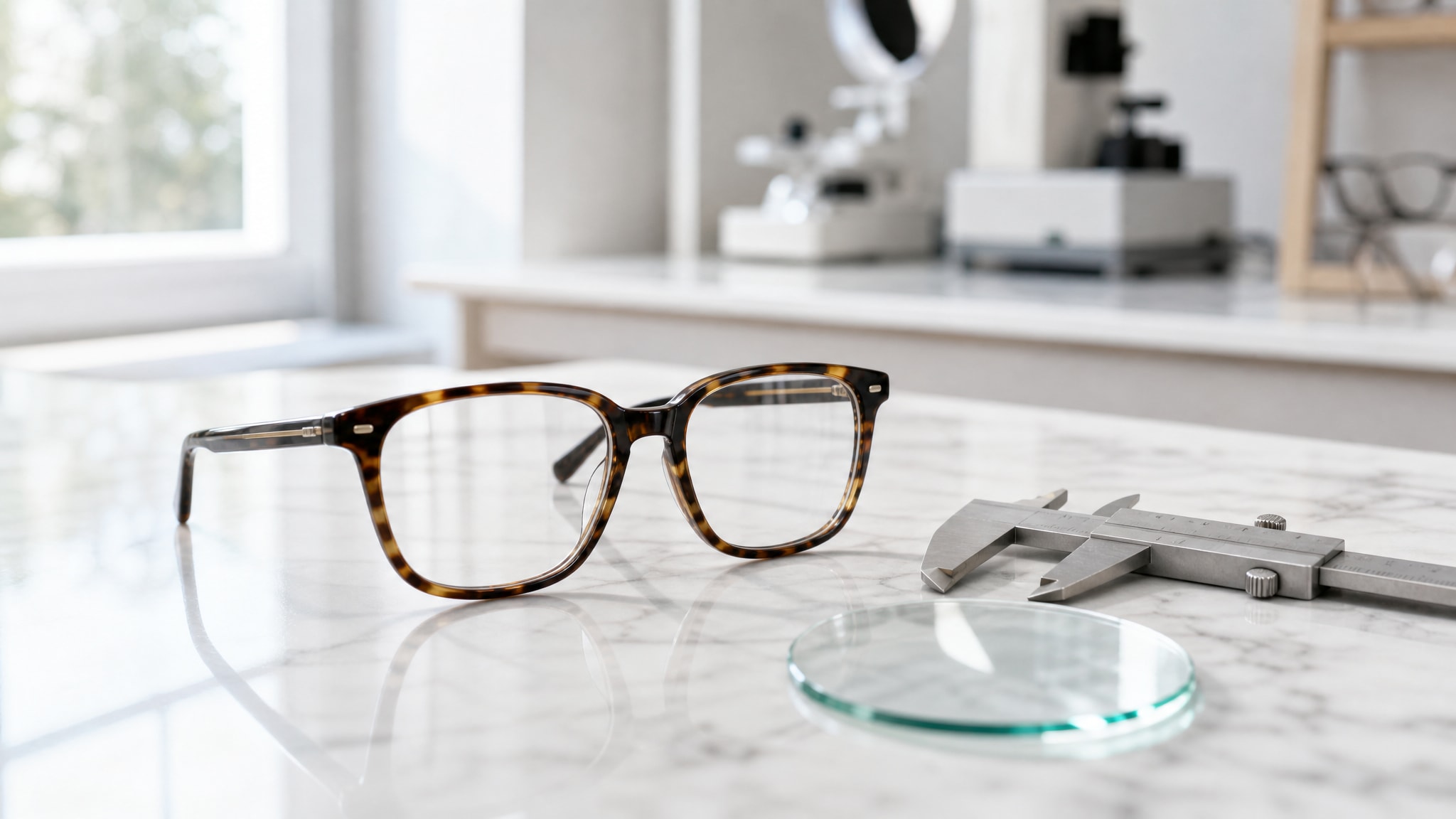
Frame specs follow a standard format: lens width, bridge width and temple length, all in millimetres. Compare those three numbers against your current glasses to find compatible options. A tolerance of 1–2mm is generally fine for comfortable wear.
Lens depth and the longest-side measurement add more context for how a frame will actually sit on your face. A frame can match on lens width but differ a lot in depth, and look proportionally wrong even though the technical fit checks out.
Bridge width often matters more than lens width for keeping a frame in place. Wider bridges suit broader noses and stop slipping; narrower bridges suit finer features, regardless of the overall frame size.
Temple length affects comfort and security both. Too short, and you get pressure behind the ears; too long, and the frame slides forward. Check this measurement against your current glasses, and you can rule out a bad fit before you order.
Prior-season eyewear is genuine value when it comes through an authorised channel that stands behind condition and authenticity. Free Australia-wide shipping removes the geographic barrier, so it works just as well for regional buyers as for anyone in a capital city.
This model works for consumers who want quality frames at a lower price and for practices that need to move surplus stock. The transaction stays transparent and verifiable the whole way through, which is more than you can say for most secondhand markets.
Yes, prior-season frames are manufactured to identical specifications and quality standards as current-season equivalents. They are new and unworn, differing only in collection year rather than materials, construction, or warranty eligibility when purchased through authorised channels.
Compare the lens width, bridge width, and temple length measurements listed on each product page against your current glasses. Tolerances of 1-2mm are generally acceptable, and these specifications allow accurate fit assessment before purchase.
Your current prescription works with any compatible frame regardless of where you purchase it. Check frame dimensions against your optometrist’s recommendations for high prescriptions to ensure the lens width and rim type support your specific requirements.
Lower prices reflect inventory timing and reduced overhead rather than compromised quality or authenticity. Distributors and optometrists list surplus prior-season stock to recover capital, and online marketplaces eliminate intermediate wholesale layers that traditionally inflate retail pricing.