Looking for a Ray-Ban alternative in Australia usually means choosing between overpriced current releases and unbranded copies that don’t quite convince. You don’t have to compromise on authenticity to get a better price, once you understand how prior-season inventory works. Genuine frames from established optical brands end up sitting in warehouses simply because a new collection has arrived. That’s the gap pragmatic buyers can use to get premium build quality at a lower rate.
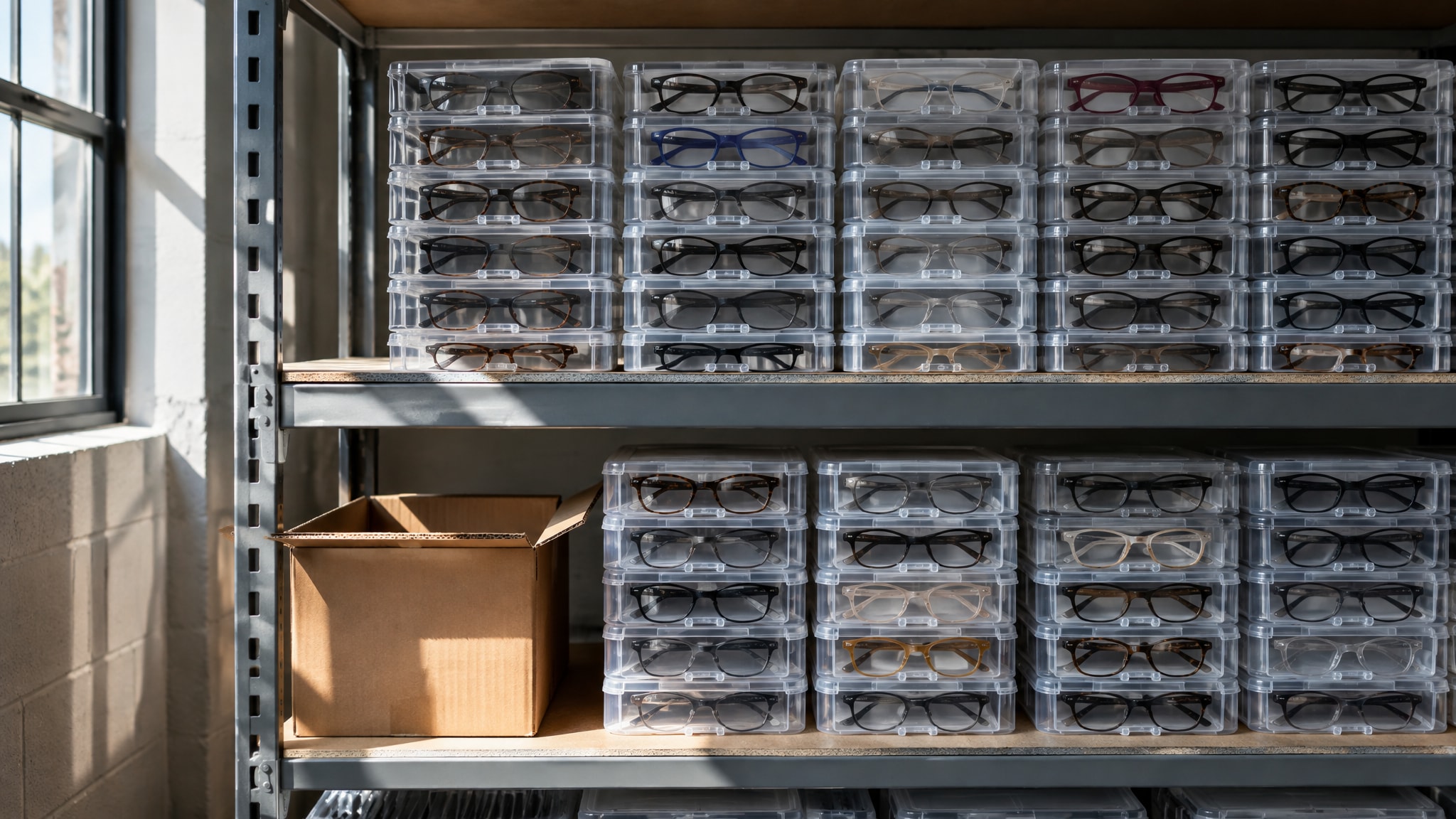
This marketplace model works for style-conscious shoppers and for trade sellers who need to move surplus stock without devaluing the brand. The result is a selection of new, unworn eyewear that meets the same manufacturing standards as current releases, minus the marketing premium that comes with a new season.
Most guides on finding a Ray-Ban alternative in Australia point you towards generic lookalikes that copy the look but not the build. Authentic prior-season stock is a different proposition entirely: the price drop comes from retail inventory cycles, not inferior materials or counterfeit shortcuts.
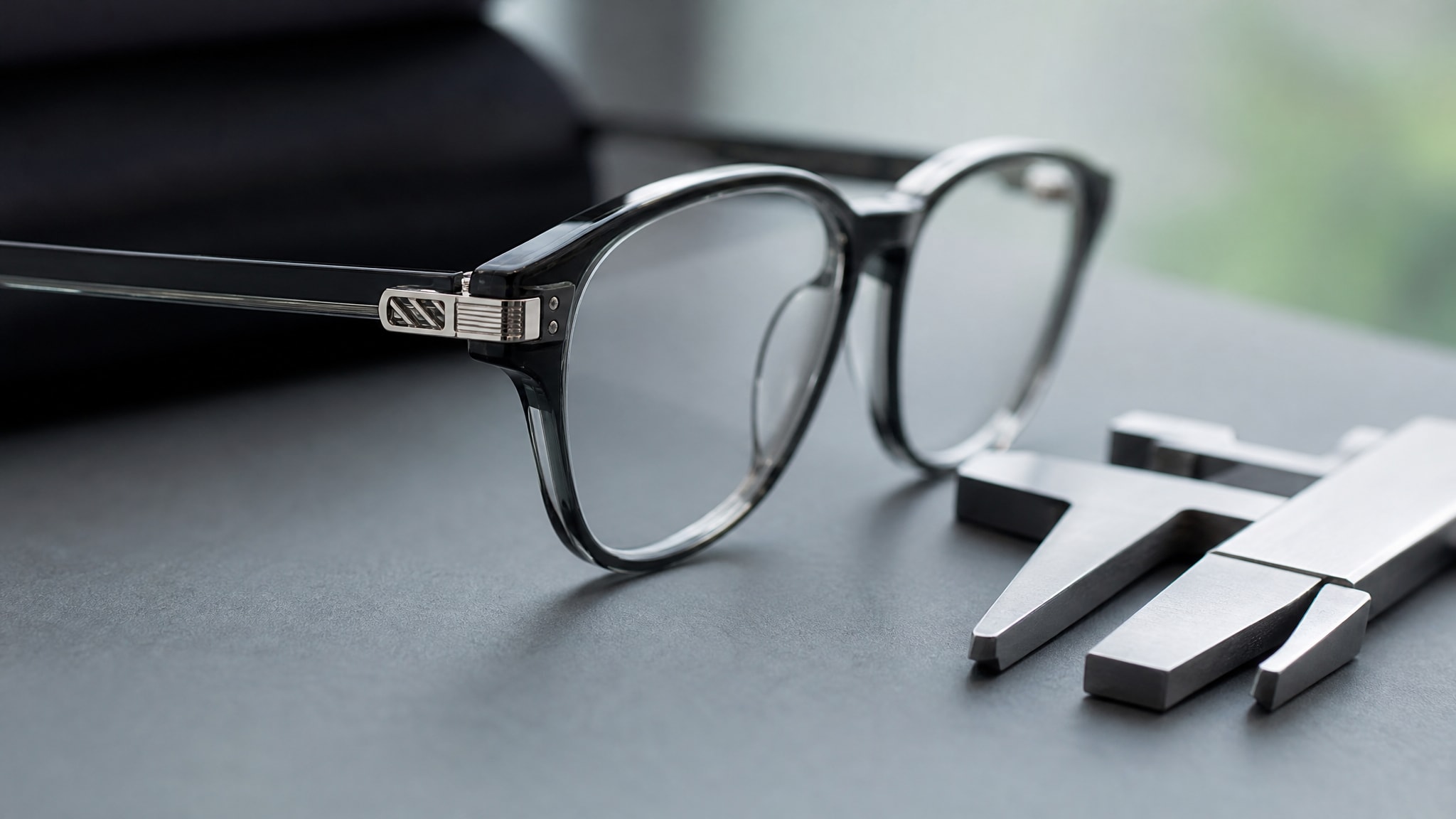
A generic frame might copy the silhouette of a classic Wayfarer, but it can’t copy the engineering behind genuine optical wear. Unbranded alternatives often use lower-grade acetate that turns brittle over time, paired with hinges that lack proper tension calibration. Choose an authentic Ray-Ban at a prior-season discount and you keep the original manufacturer’s quality control and material specs.
That distinction matters most for lens alignment and frame durability under Australian UV conditions. Replica frames often miss optical standards because the production process chases visual similarity, not function. Genuine prior-season stock is identical to the current retail version in every spec except its release date.
Retail eyewear pricing carries real weight in marketing launches and shelf placement fees, costs that disappear the moment a line is discontinued. Distributors and optometrists listing surplus stock want warehouse space and cash flow back, not an artificial price floor. That’s why you can find genuine Ray-Ban frames cheap relative to current retail, without any question mark over where they came from.
A price drop signals a calendar change, not a defect. Optical practices need to clear shelves for the next collection, so perfectly good inventory moves through dedicated channels instead. You get branded eyewear priced on wholesale realities rather than boutique markups.
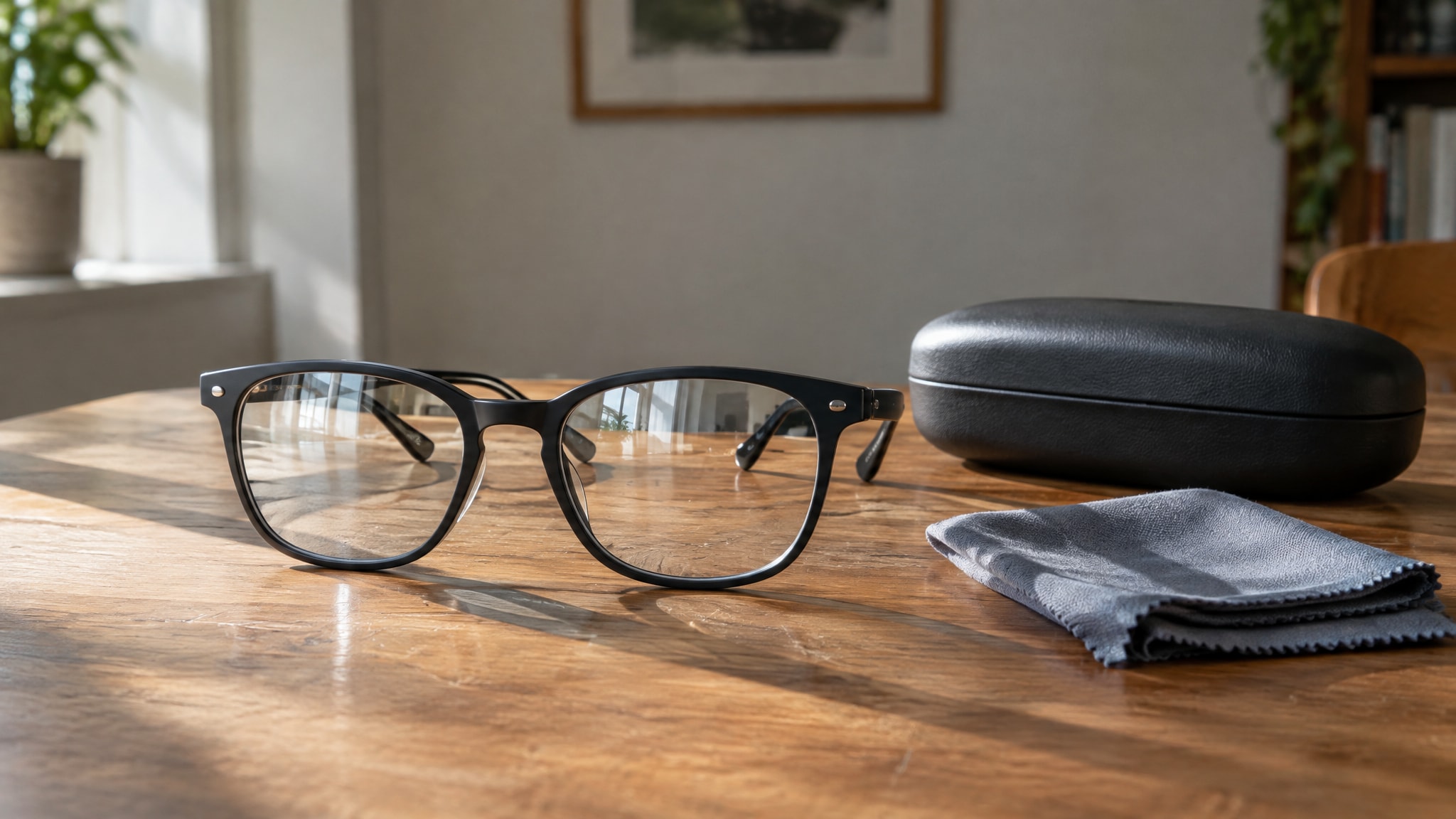
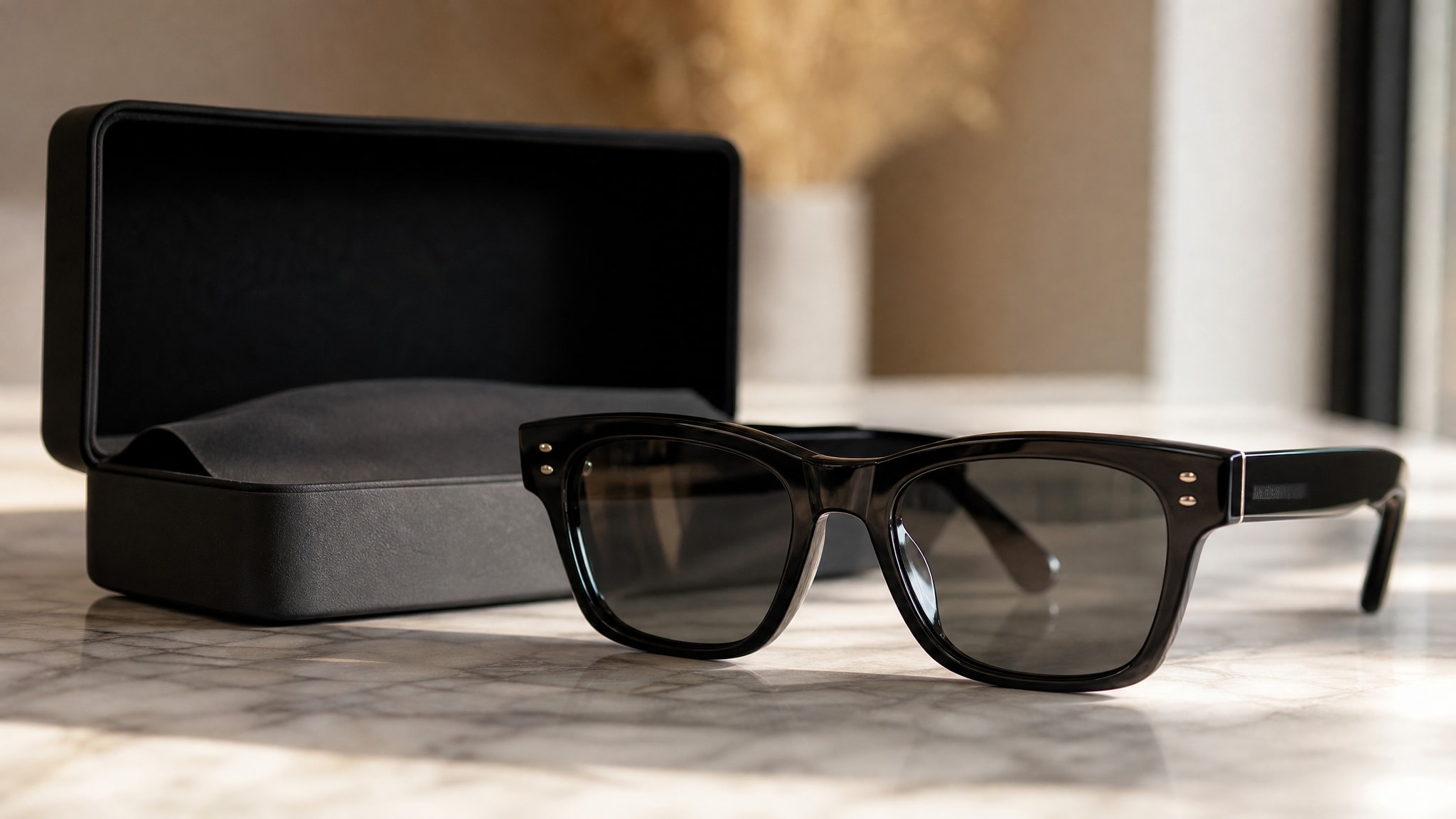
Specific models prove that genuine Ray-Ban discounts exist beyond generic substitutes. The Ray-Ban RB 0840V MEGA WAYFARER 2000, available as new prior-season stock at around AUD 310, shows how an iconic design stays accessible once you’re buying outside the peak retail window.
This full-rim frame has a 51mm lens width, a 21mm bridge and 145mm temples, giving solid coverage for adult male faces. The black colourway keeps the versatile look that made the Mega Wayfarer a staple, and the build holds its shape through daily wear. You get the same acetate and hinge mechanics as a current retail display, minus the launch-year premium.
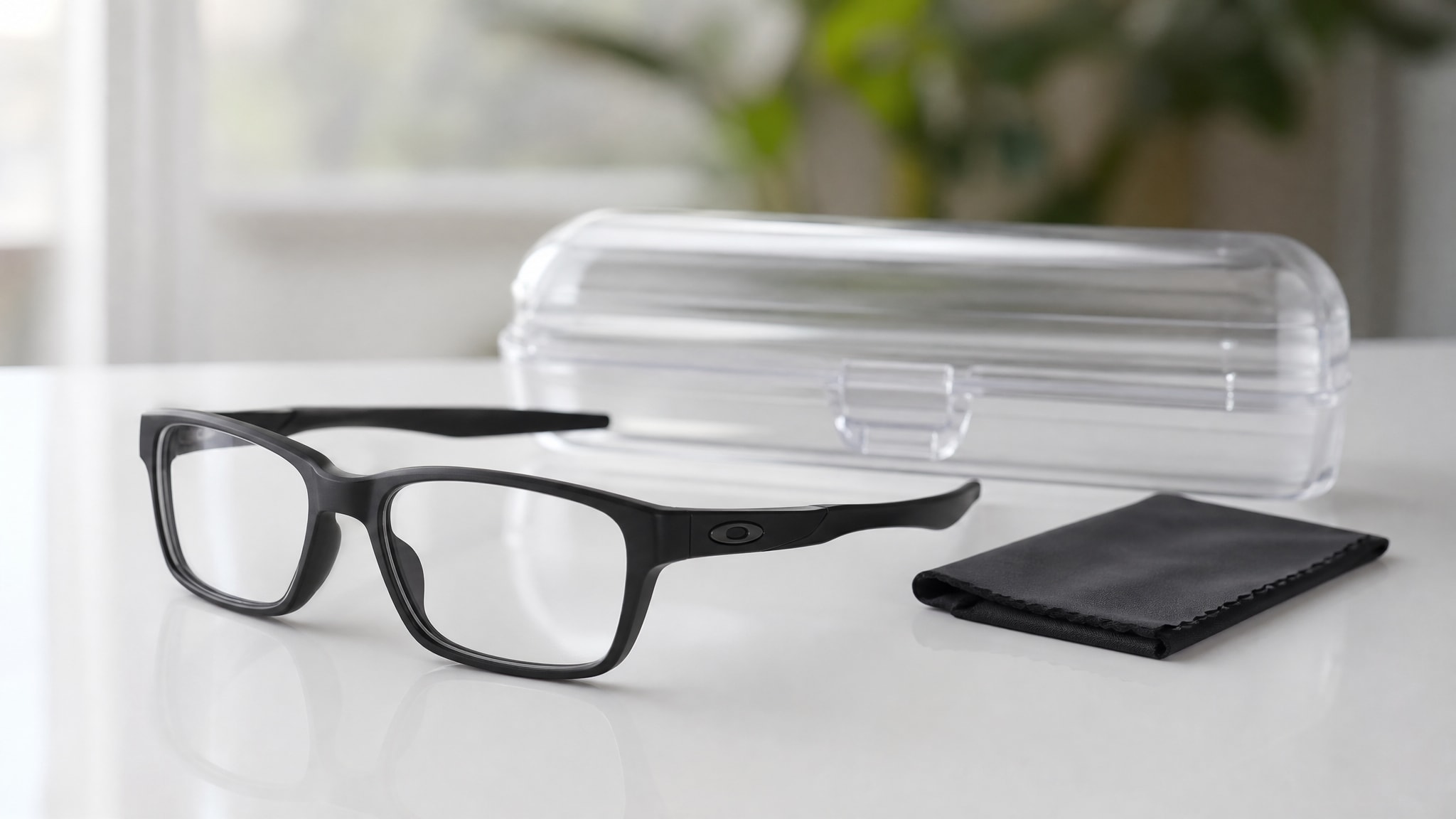
Dimensions matter when you’re buying online, because they decide whether a bold frame actually suits your face. This model’s 54mm longest side and 41mm depth put it in statement territory while staying comfortable for extended wear. That’s what prior-season buying should deliver: the same specs, at a price that makes more sense.
Legitimate sellers give you full product identifiers: model numbers, colour codes, exact measurements, not vague descriptions. Expect clear statements confirming items are new and unworn, not euphemisms like “pre-loved” or “vintage.” If you want more detail on what to check, our guide on how to verify frame authenticity walks through the checkpoints for major brands.
Authentic versus replica comparisons come down to seller credibility and documentation. Established marketplaces put their reputation behind accurate listings and stand by the genuineness of their stock. Vague product descriptions usually mean compromised stock; precise specs usually mean a legitimate trade channel.
Designer eyewear doesn’t need a four-figure budget if you’re looking at previous-season releases from established fashion houses. The Max Mara MM0008 and Anne Klein AK7043, offered as women’s alternatives under AUD 400, show that good styling and solid construction are still within reach at prior-season prices.
The Max Mara MM0008 in brown and beige has a 55mm frame, a 17mm bridge and 140mm temples, giving it balanced proportions for all-day wear. Its full-rim build holds up better than a rimless alternative, and the colourway suits most wardrobes without taking over an outfit. At around AUD 390, it brings Italian design heritage in at a fraction of current boutique pricing.
You’ll notice the difference in finish next to fast-fashion sunglasses at a similar price. The acetate polishing, the hinge action, the logo application: all of it points to the manufacturing standards you’d expect from a luxury label. This frame suits buyers who want the designer name without paying for this season’s novelty.
The Anne Klein AK7043 in black and gold has a larger 59mm frame and a 16mm bridge, good for anyone who prefers more coverage. The 135mm temples and 61mm longest side give it a confident shape that works from the office to the weekend. At around AUD 190, it sits in the gap between budget options and a premium buy.
Practical styling means frames that work across contexts without constant adjustment. This model’s full-rim design and neutral palette keep it relevant well past this season’s trends. You’re getting an established American sportswear look through an efficient inventory channel instead of a marked-up retail one.
Spencer Wilson sunglasses, priced at around AUD 110, as an alternative to premium brands, prove credible build quality exists below the usual designer price point. The brand leans on functional design and durable construction rather than logo-driven prestige, which suits daily rotation without babying the frame.
The Spencer Wilson Shanghai in brown and gold has a 51mm frame, a 21mm bridge and 145mm temples, classic proportions for a masculine fit. Its full-rim build and 44mm depth give adequate lens coverage while staying light for extended wear. The Cla, in black, runs slightly smaller at 50mm with a 22mm bridge and longer 150mm temples, so it suits a different face shape within the same quality tier.
Both models are built for wearability rather than trend-chasing, which is why they work as daily drivers. Hinge tension and acetate finishing stay consistent across the range despite the low price. These frames suit anyone who rates function and understated style over visible branding.
The Spencer Wilson Pines combines black, aqua and silver in a 54mm frame built for everyday use. Its 16mm bridge and 140mm temples sit comfortably, and the 56mm longest side gives enough coverage without overwhelming smaller features. It’s a good example of design that works at a lower price point when a manufacturer sticks to the essentials.
Daily wear means a frame has to handle constant handling without losing its adjustment or showing wear. The Pines’ colour-blocking adds some visual interest while staying neutral enough for a professional setting. You get eyewear that holds up regardless of the occasion.
Telling authentic prior-season stock apart from a counterfeit comes down to how specific the listing is and how transparent the seller is. A legitimate seller states plainly that an item is new and unworn, with no vague terms hiding the real condition. The product page should show the exact model reference, colour code and dimensions, matching the manufacturer’s own specs.
Replica sellers tend to lean on lifestyle photos instead of technical detail, or use stock images with no unique product identifiers. Price alone doesn’t prove authenticity, but a price well below wholesale benchmarks is worth a second look regardless of what the seller claims. Trust comes from verifiable detail, not a persuasive pitch.
Genuine discounted eyewear carries the same warranties and consumer protections as a full-price purchase, as long as it’s sold through an authorised channel. A seller operating outside that framework can’t guarantee authenticity or back a manufacturer’s promise. Your confidence should come from documented provenance, not reassurance that falls apart under a closer look.
Buying eyewear remotely raises the obvious question of fit, and that puts plenty of buyers off even at a good price. The fix is knowing the measurement system and using a retailer’s policies built for remote buying. All frames sold through Last Seasons are new and unworn prior-season stock, with free Australia-wide shipping, which takes the financial risk out of experimenting on size.
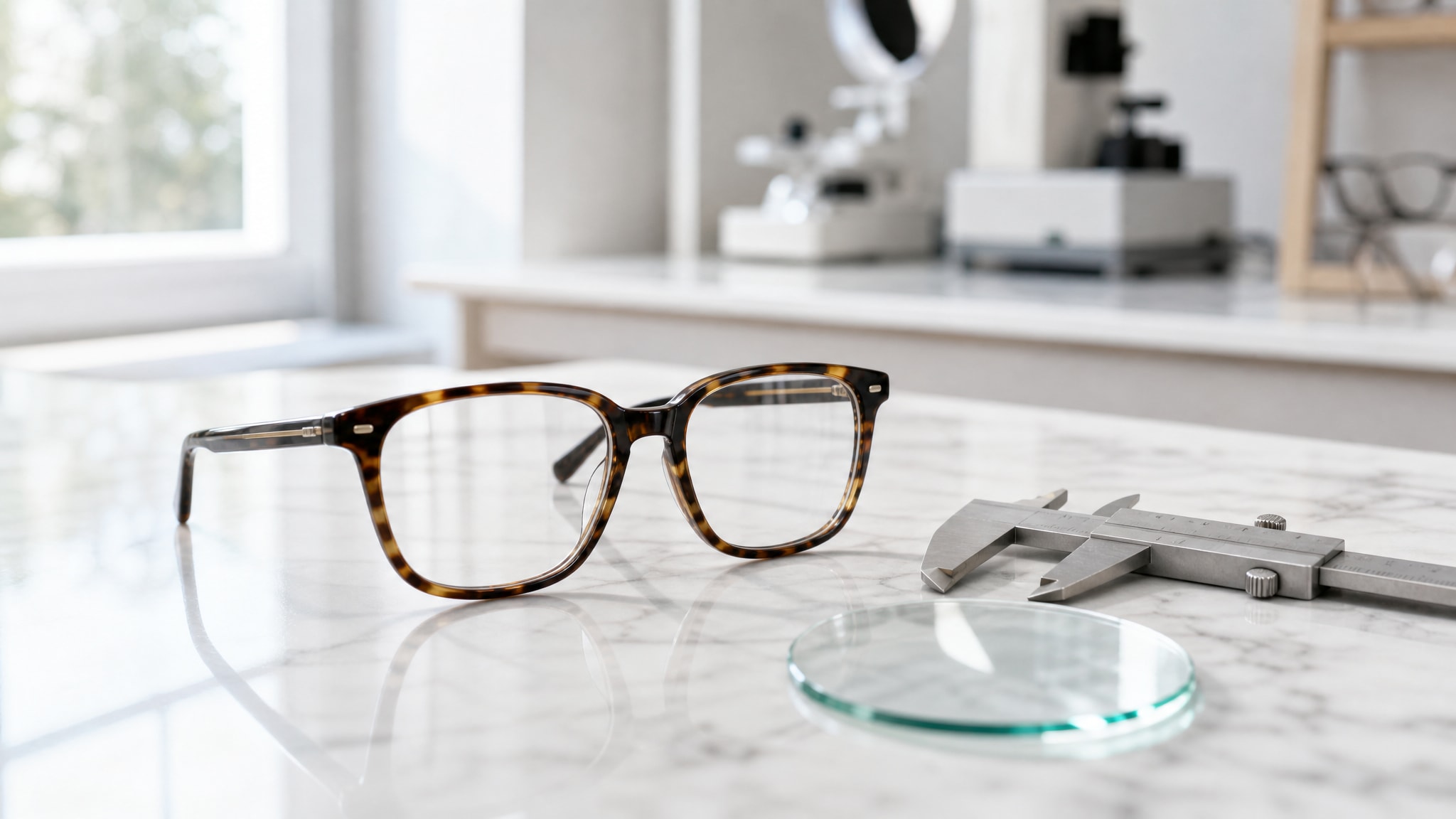
The dimensions on a product page map directly to physical measurements you can check against a pair of glasses that already fit well. Our guide on choosing frames without trying them on explains how lens width, bridge size and temple length work together to determine fit. Knowing your own baseline measurements cuts out the guesswork and cuts down returns.
You already own a pair that feels right, so use it as your reference instead of a generic size chart. Measure the horizontal lens width and bridge distance, then filter your search by those numbers. That turns online shopping from a gamble into an informed choice based on your own measurements.
Free domestic shipping removes the penalty for looking beyond what’s on the shelf locally. The same consumer protections apply to prior-season purchases as to anything else, so you have recourse if something arrives damaged or misdescribed. For more detail, our guide on buying designer sunglasses online covers policy and best practice.
Remote buying works best when a seller invests in accurate photography and a thorough condition report. You deserve the same service as someone buying in-store, channel aside. Clear policy builds more trust than a promotional pitch ever will.
The range runs from Spencer Wilson at around AUD 110 to Max Mara near AUD 390, genuine options across several budgets, none of it a compromise on authenticity. Each tier serves a different need: entry-level function, mid-range versatility, premium design heritage. What ties them together is new-condition stock from a recognised manufacturer, not a shortcut on brand integrity.
If you want to go further, our guide to designer frames under $100 covers the budget end, and Ray-Ban alternative sale options covers a broader range across categories. Value comes from matching the spec to what you actually need, not chasing the lowest number on the page. Prior-season buying rewards a bit of patience and research with genuine quality at a price that makes sense.
Legitimate sellers provide exact model numbers, colour codes, and frame dimensions matching manufacturer specifications. They explicitly state items are new and unworn rather than using vague terms like pre-loved. Avoid listings lacking technical details or offering prices far below wholesale benchmarks.
Prior-season stock is new, unworn inventory from previous retail collections that never reached end consumers. Secondhand eyewear has been previously owned and worn, potentially showing signs of use or adjustment. Prior-season items carry the same manufacturer specifications as current retail versions.
Yes, standard consumer protections apply to prior-season purchases including returns for fit issues. Free Australia-wide shipping reduces the financial risk of trying different sizes. Check individual seller policies for specific return windows and condition requirements before purchasing.
Spencer Wilson uses full-rim construction and quality acetate finishing similar to higher-priced brands, focusing on durability over logo prestige. The main differences lie in brand recognition and design complexity rather than fundamental build quality. They serve as practical daily wear options at accessible price points.
Price reductions reflect retail inventory cycles as distributors clear space for new collections, not product defects or compromised authenticity. Marketing premiums and launch costs disappear once lines are discontinued. You benefit from logistical necessities rather than paying for seasonal novelty.