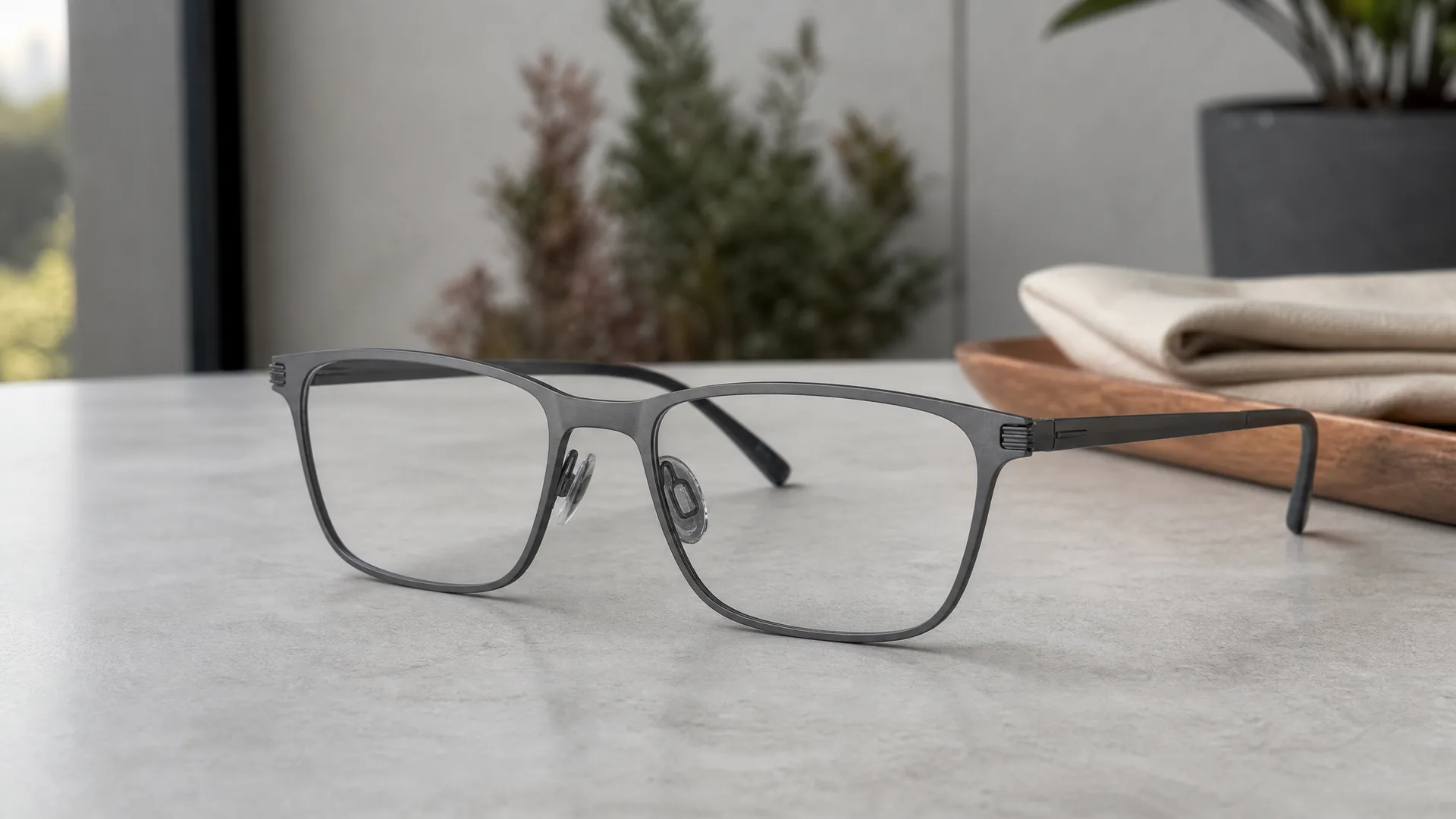
Finding titanium glasses frames on sale in Australia often feels like a compromise between quality and cost. Usually it isn’t. The discount reflects timing, not manufacturing defects. Prior-season titanium eyewear from established optical brands is typically surplus stock from distributors or optometrists clearing inventory, not returned or used items. You get the same premium material and build quality as current releases without paying the full retail premium attached to this year’s catalogue.
This suits trade buyers moving discontinued lines and individual shoppers who want durable glasses frames at a sensible price, wherever in Australia they are. The frames are new, unworn, and sourced through legitimate optical channels that put brand integrity ahead of fast fashion turnover.
Discounted titanium frames are a market inefficiency. High-quality optical goods sit in storage simply because a newer collection has arrived. Optical industry professionals recognise that titanium frame quality comes down to manufacturing standards and alloy purity, not seasonal release dates, so the performance stays the same regardless of when the frame was first catalogued.
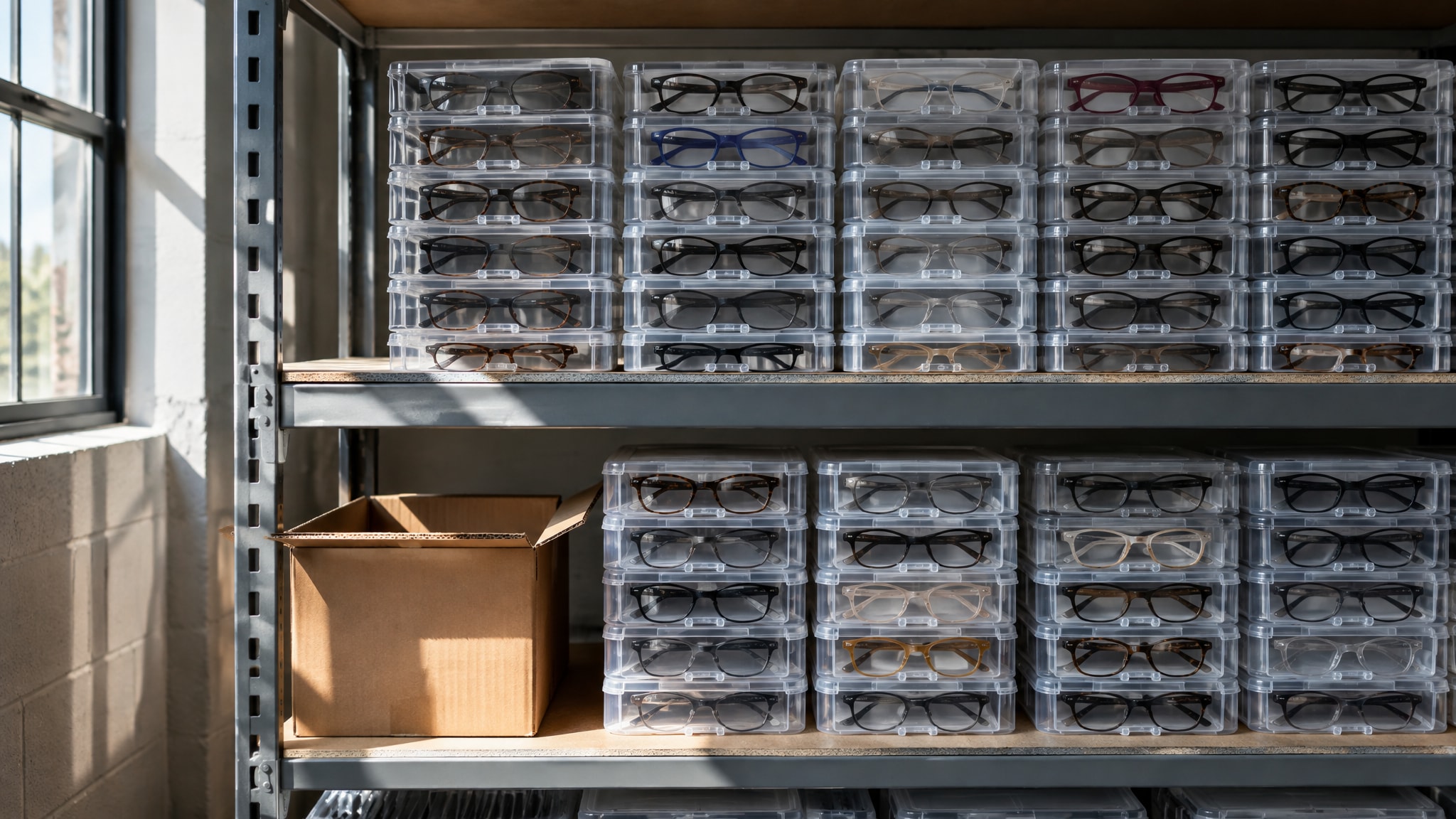
Prior-season titanium frames from established optical brands are often surplus stock from distributors or optometrists clearing inventory, not returned or used items. These frames have never been fitted with lenses, adjusted for a patient, or displayed in a high-traffic retail environment where handling damage happens. You get a product that meets the original factory specifications for finish, hinge tension, and structural alignment.
The price reduction comes entirely from the optical industry’s seasonal cycle, not any degradation in the product itself. Retailers and distributors need shelf space for incoming collections, which creates an opportunity to buy premium branded eyewear at a fraction of the original wholesale cost. This distinction matters. It separates genuine value from suspiciously cheap imports that may use inferior alloys or skip proper quality control during assembly.
Titanium has one of the highest strength-to-weight ratios of any eyewear metal. That makes it significantly lighter than stainless steel or monel while keeping its structural rigidity. A frame manufactured in 2025 has the same tensile strength and corrosion resistance as one released today, provided it comes from the same production line and meets the same ISO standards. The material doesn’t age or degrade while sitting in protective packaging, so the functional lifespan doesn’t change either.
You can expect the same flex and memory properties that define premium titanium eyewear, regardless of the season stamp on the box. Understanding previous season glasses frames quality helps confirm that the discount applies only to the model year, not the engineering tolerances or surface treatments that protect against sweat and humidity.
Australian conditions demand eyewear that performs under heat, humidity, and active daily routines without causing discomfort or skin irritation. Lightweight titanium glasses deliver these advantages through material science, not marketing claims, and they address specific problems that come with heavier acetate or standard metal frames.
The reduced mass of titanium frames removes the pressure points that typically build up behind the ears and across the nasal bridge during extended wear. This shows up most in Australian summers, when perspiration increases friction and heavier frames start to slide or dig in. You get less fatigue and fewer adjustments through the day, because the frame spreads its minimal weight more evenly across the contact surfaces.
Active professionals and outdoor workers benefit most, since their movement would otherwise shift a heavier frame repeatedly. Titanium’s natural elasticity also lets the temples flex slightly without permanent deformation, so the frame keeps its fit through sport or manual work.
Pure titanium and beta-titanium alloys are biocompatible metals. They don’t contain nickel or the other common allergens found in cheaper metal frames. Hypoallergenic titanium frames prevent the contact dermatitis and greenish skin discolouration that affects wearers sensitive to base metals or poor-quality plating. That’s why titanium is the default recommendation for patients with known metal sensitivities, or anyone who’s reacted badly to fashion eyewear before.
Titanium’s corrosion resistance also protects skin health by stopping oxidation products forming against the temple or nose pad area. Sweat and sunscreen accelerate corrosion in lesser metals, but titanium stays inert even after years of direct contact with skin and environmental chemicals.
Not every titanium frame brand keeps consistent quality across its whole range, so sticking with specialists that have a proven manufacturing heritage cuts your purchase risk. Established Japanese and European optical houses dominate the prior-season market, because their production volumes and distribution networks create legitimate surplus without hurting brand reputation.
Japanese manufacturers like Charmant, Z Parts, and Menizzi have built decades-long reputations for precision titanium craftsmanship, prioritising hinge durability and finish longevity over trend-driven design. These companies often produce frames in dedicated titanium facilities using proprietary welding techniques and surface treatments that mass-market brands can’t replicate at similar price points. European specialists such as Lindberg and Mykita bring comparable engineering rigour, with designs that put titanium’s unique properties to work rather than treating it as a generic metal substitute.
When you see these names in discontinued optical frames listings, the discount reflects inventory management, not a quality compromise. These frames often turn up in clearance channels because optical practices and distributors rotate stock based on prescribing trends, leaving technically superior models available at reduced prices long after their initial release.
Brands like Silhouette, ic! berlin, and Kazuo Kawasaki have earned strong followings among Australian optometrists specifically because their titanium frames hold up in local conditions and meet patient expectations. These labels balance international design credibility with practical touches like adjustable nose pads, secure lens mounting systems, and finishes that resist tropical humidity. You’ll find them regularly in prior-season titanium selections, because Australian optical businesses maintain deep relationships with these suppliers and periodically refresh their display inventory.
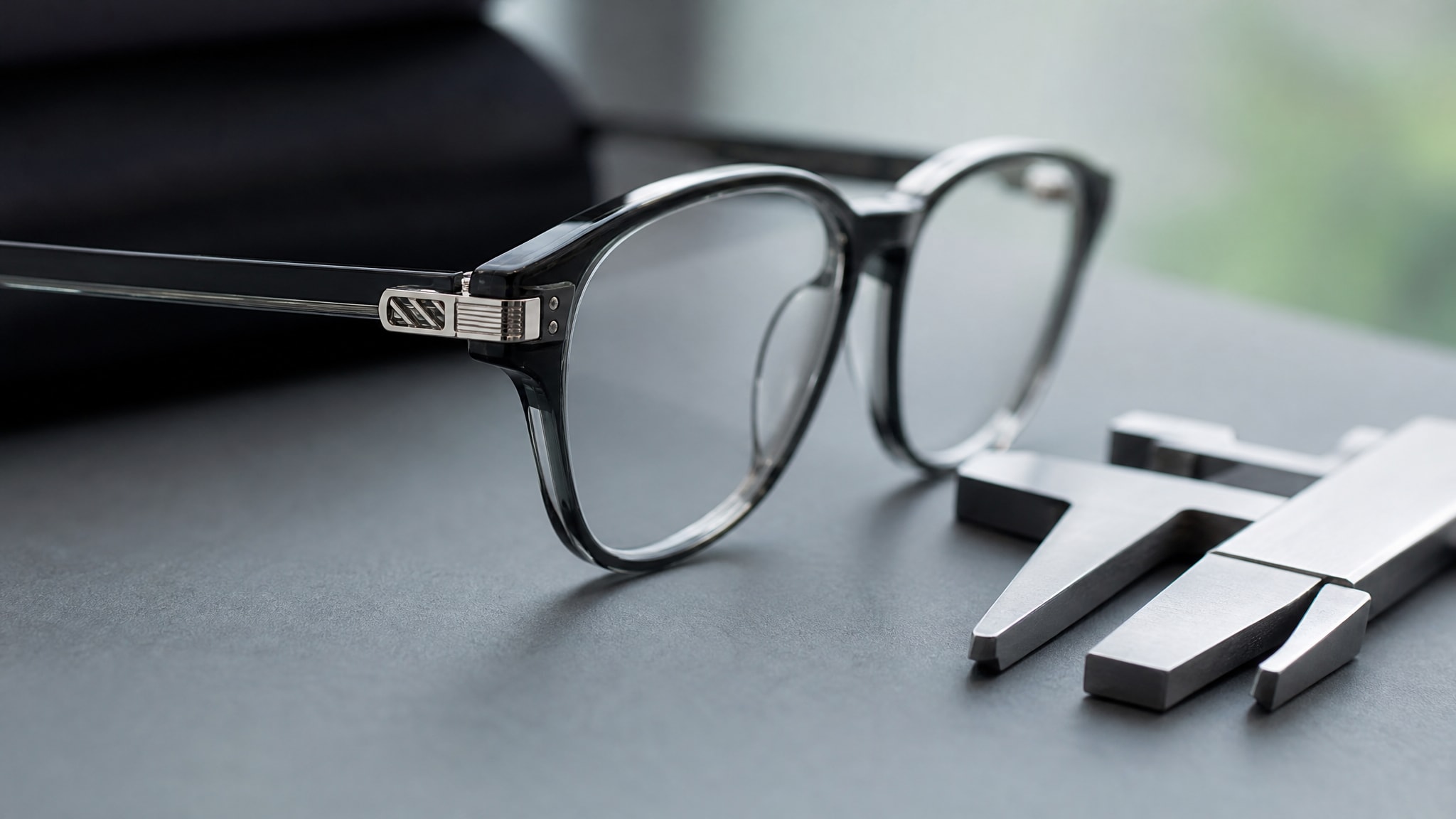
The consistency of sizing across production runs also makes these brands safer to buy online without trying them on first. Established optical favourites stick to strict dimensional tolerances, a 52mm lens width from 2024 matches the same specification today closely enough to rely on your existing prescription measurements.
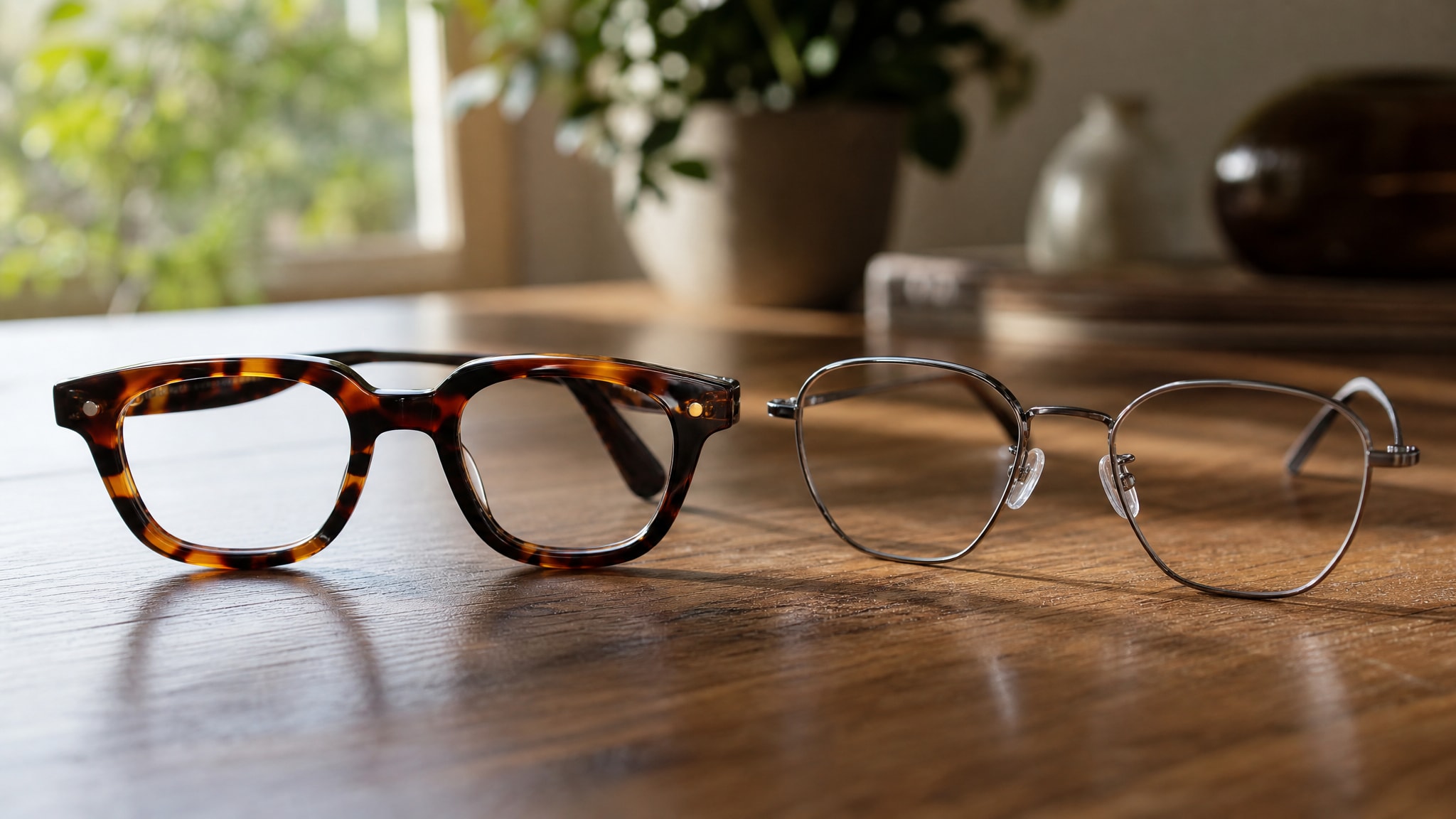
Choosing between materials comes down to your priorities on weight, look, and budget, not an assumption that one material always wins. Titanium vs acetate comparisons often miss how discount pricing shifts the value equation, putting titanium within reach of buyers who previously wrote it off as too expensive.
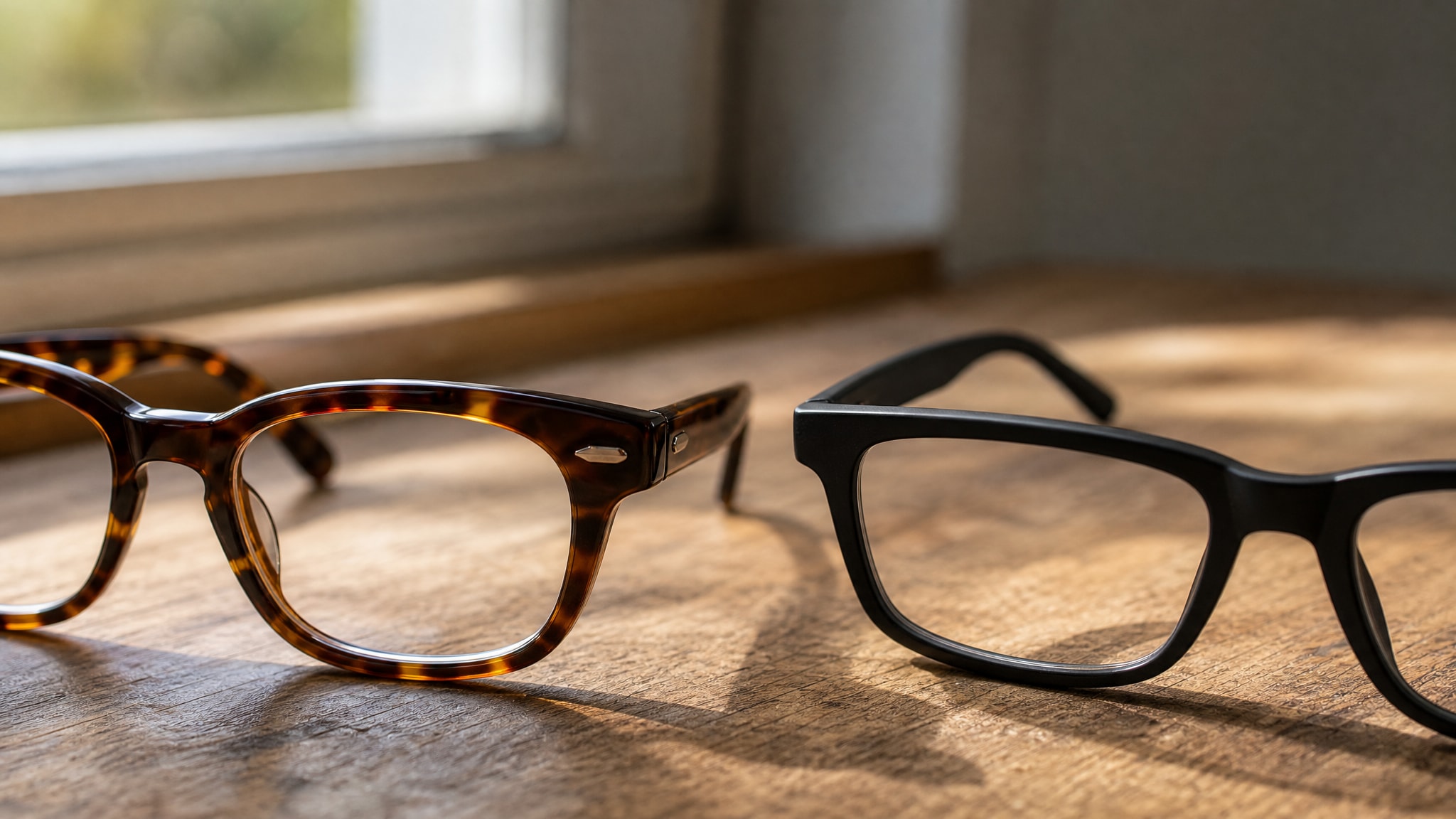
Acetate offers richer colour options, thicker profiles, and more adjustability through heat moulding, which suits wearers who want bold styling or need significant frame customisation during fitting. Titanium delivers minimal weight, superior durability, hypoallergenic safety, and a refined metallic look that acetate can’t match, though it limits colour variety and needs specialised tools for adjustment. When titanium frames drop to prior-season pricing, the cost gap narrows a lot, and you can get the metal-specific benefits without the usual premium.
This isn’t a guide for collectors chasing rare vintage pieces or limited-edition collaborations that appreciate in value over time. It’s for practical buyers who need reliable daily eyewear and want to put their budget toward lens technology or an extra pair, rather than paying full price for the latest frame release.
Buying discounted eyewear online takes some diligence, so you get genuine branded product in new condition rather than counterfeit or misrepresented goods. You protect your money by checking specific credentials and documentation before you buy, especially when prices look unusually low next to mainstream retail.
Reputable sellers provide clear imagery of actual stock, detailed product descriptions specifying “new” and “prior season,” and verifiable business credentials that show legitimate optical industry connections. Learning how to verify frame authenticity means checking serial number placement, logo engraving quality, hinge construction details, and packaging accuracy against manufacturer specifications. Counterfeit titanium frames often fail these checks, because replicating precision welding and surface finishing takes equipment investment counterfeiters tend to avoid.
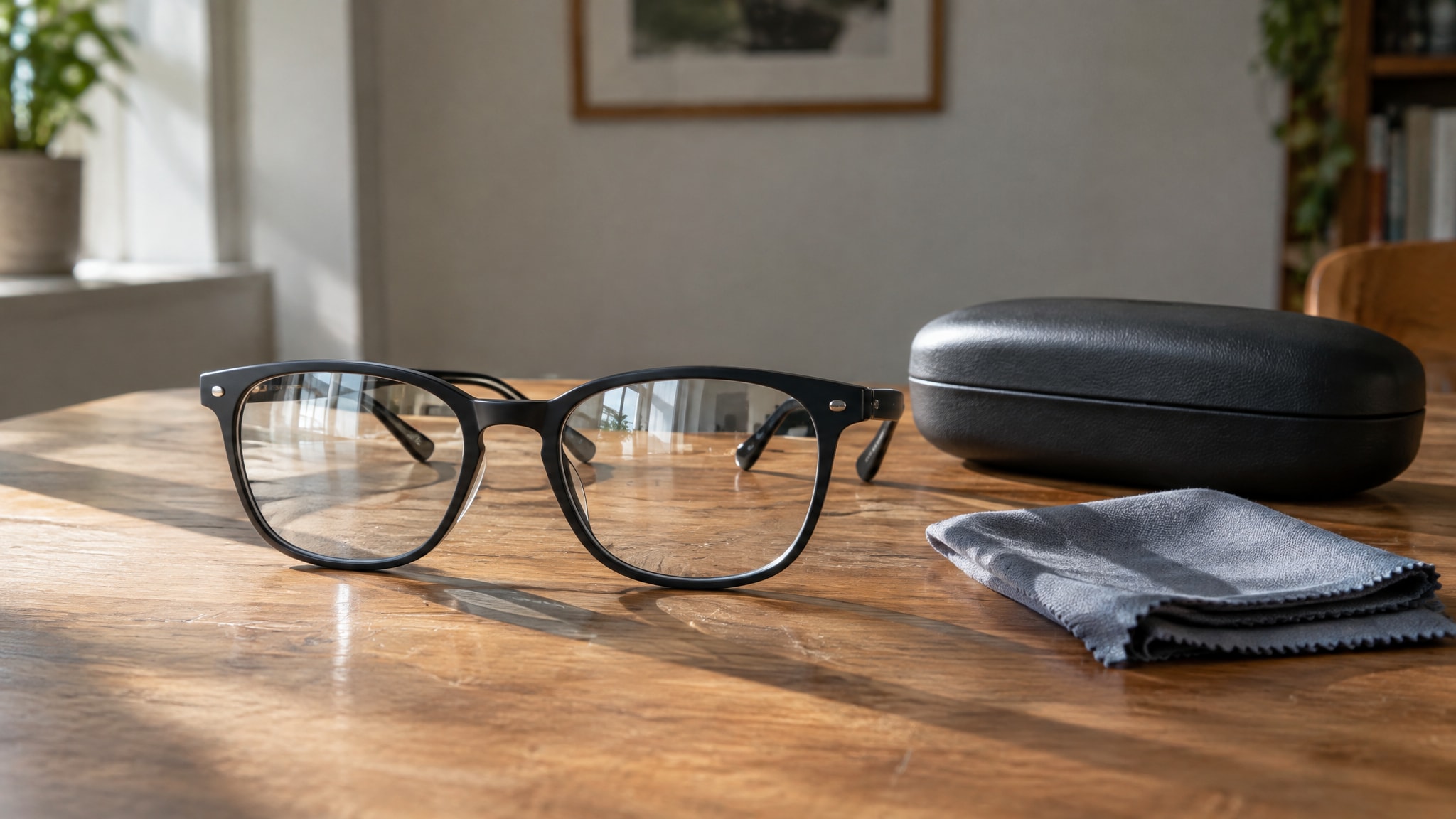
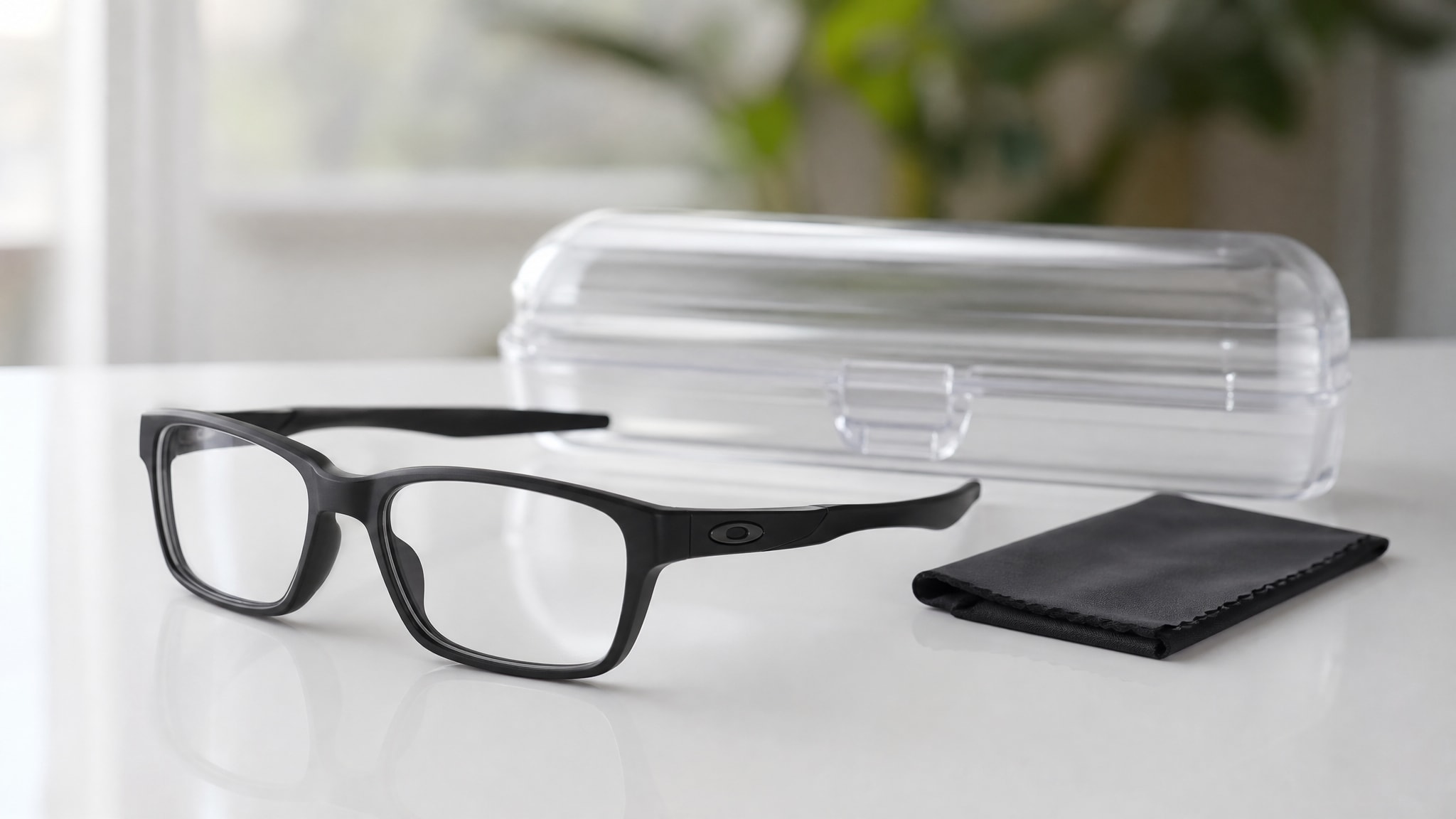
Product listings should state plainly the frame’s origin, unworn status, and whether the original case and cleaning cloth are included. Ambiguous language like “refurbished,” “display model,” or “open box” is worth a direct question before you buy, since these terms can point to prior handling that affects warranty eligibility or cosmetic condition.
Even with accurate measurements and brand familiarity, online frame purchases carry fit uncertainty, and return policies need to address that honestly. Look for retailers offering reasonable return windows, prepaid return shipping for faulty or misdescribed items, and clear restocking fee disclosures if you change your mind after delivery. These terms signal confidence in the product and cut your financial risk when you’re trying an unfamiliar brand or size.
Specialist discount retailers typically understand that prior-season buyers are value-conscious but still expect professional service. Their policies reflect that balance: real protection against genuine issues, without inviting speculative ordering that drives up costs for everyone.
Titanium’s resistance to bending, tarnishing, and temperature extremes directly means a longer service life, which is what justifies the upfront cost even at a discount. Unlike acetate frames, which go brittle over time, or plated metals, which corrode at stress points, titanium keeps its structural integrity through years of daily wear and exposure to the elements. Durable glasses frames share this same material foundation, cutting how often you need to replace them and what you spend on eyewear over time.
Buying prior-season titanium keeps perfectly functional optical goods in circulation instead of letting them sit in a warehouse. It’s economic pragmatism and resource efficiency working together: premium performance without extra manufacturing demand. Last Seasons Eyewear specialises in new, unworn prior-season optical frames from recognised brands, supporting that circular approach while sticking to strict quality verification standards.
Shipping costs can eat into the savings from discounted frames, particularly for customers outside metropolitan delivery zones. Free shipping across Australia removes that barrier, so the advertised price is your true landed cost with no surprise additions at checkout. This matters most when you’re comparing total spend against full-price retail, where shipping is often free too, but the base price stays a lot higher.
Regional optometry patients and rural trade buyers get the same prior-season titanium selection as city-based shoppers, with no geographic penalty. When you buy prescription frames online, confirming delivery is included upfront saves you from budget surprises and speeds up the decision. Last Seasons Eyewear provides free shipping across Australia on all orders, so discounted titanium frames stay genuinely affordable regardless of your postcode.