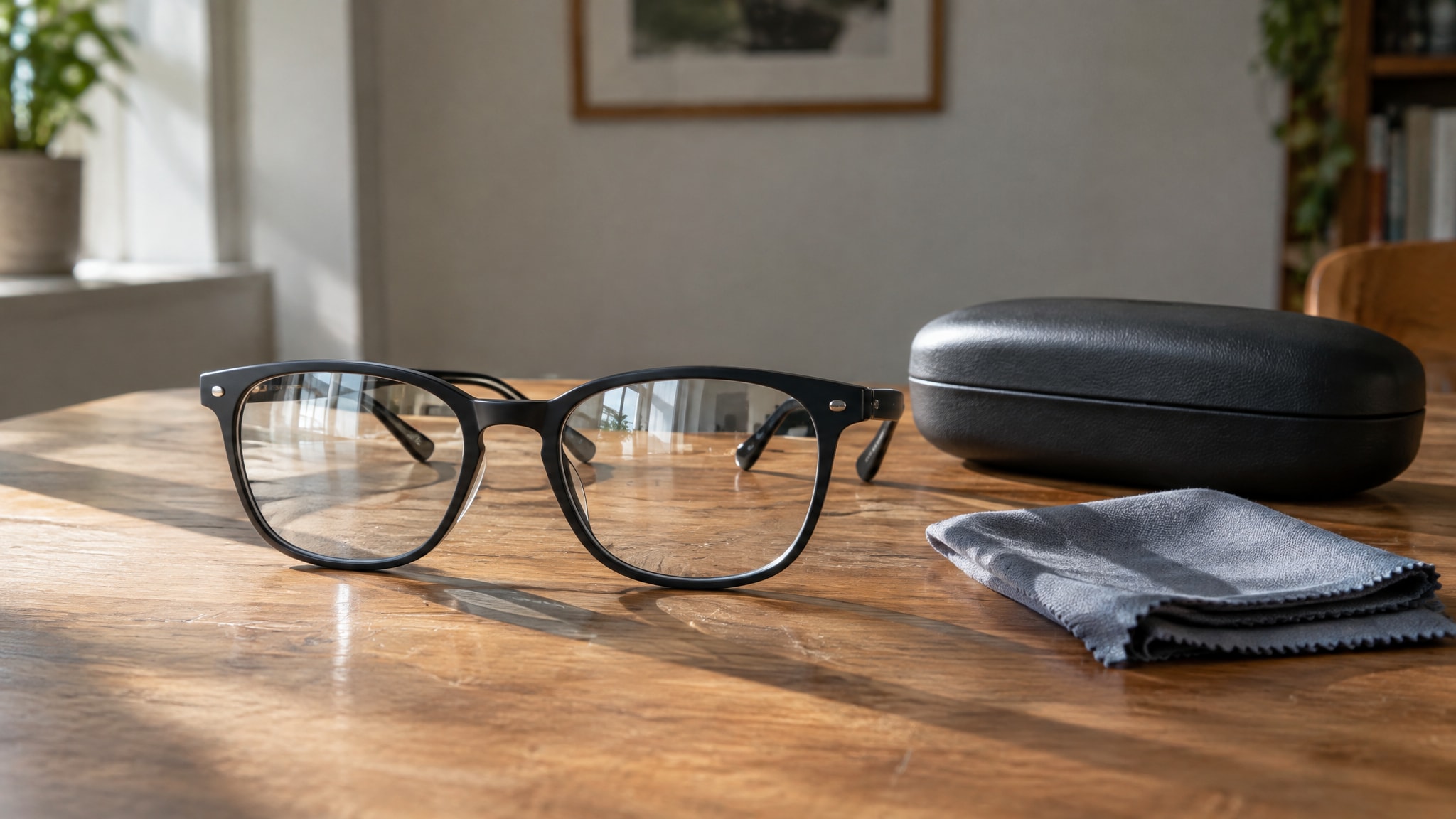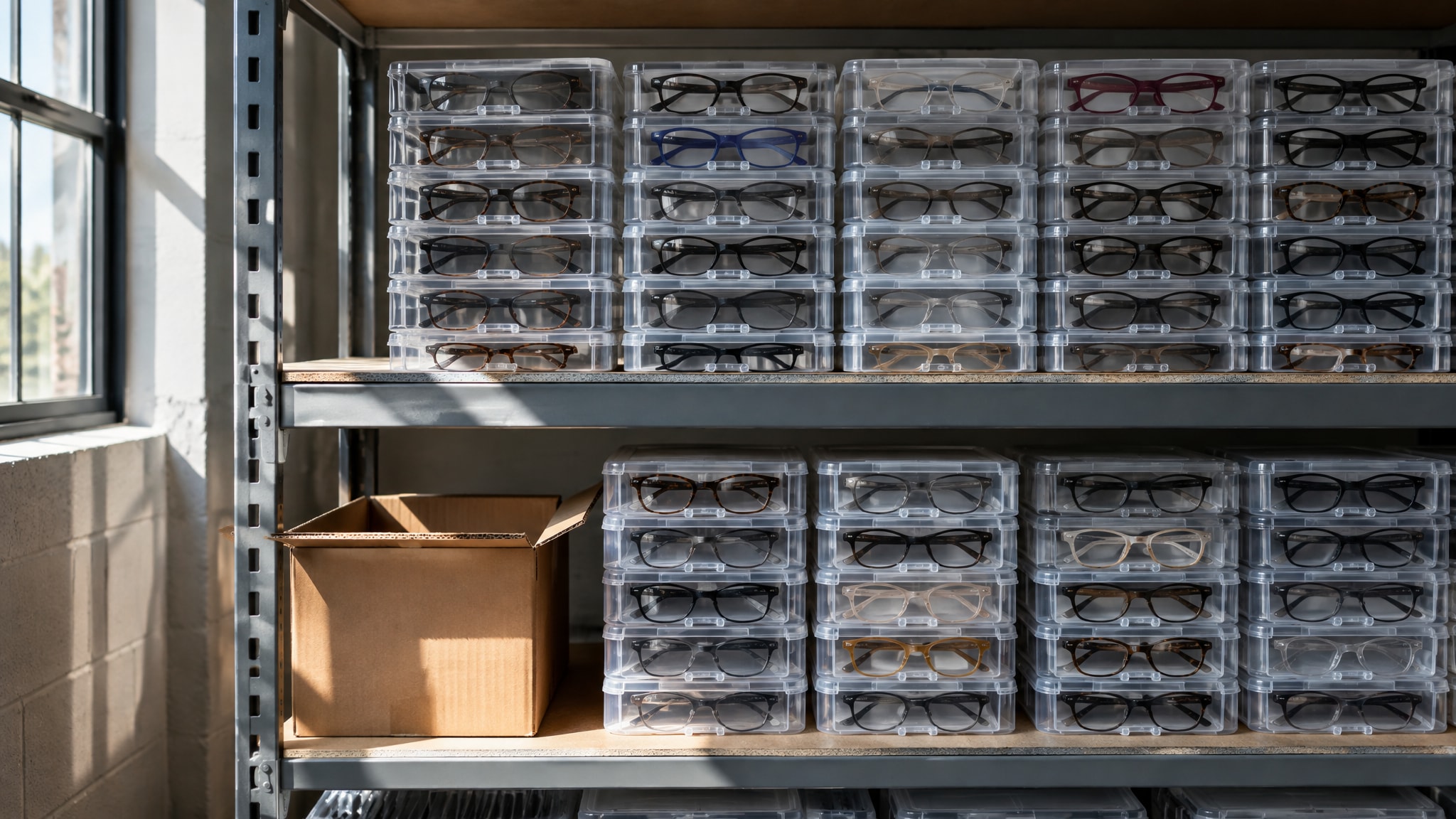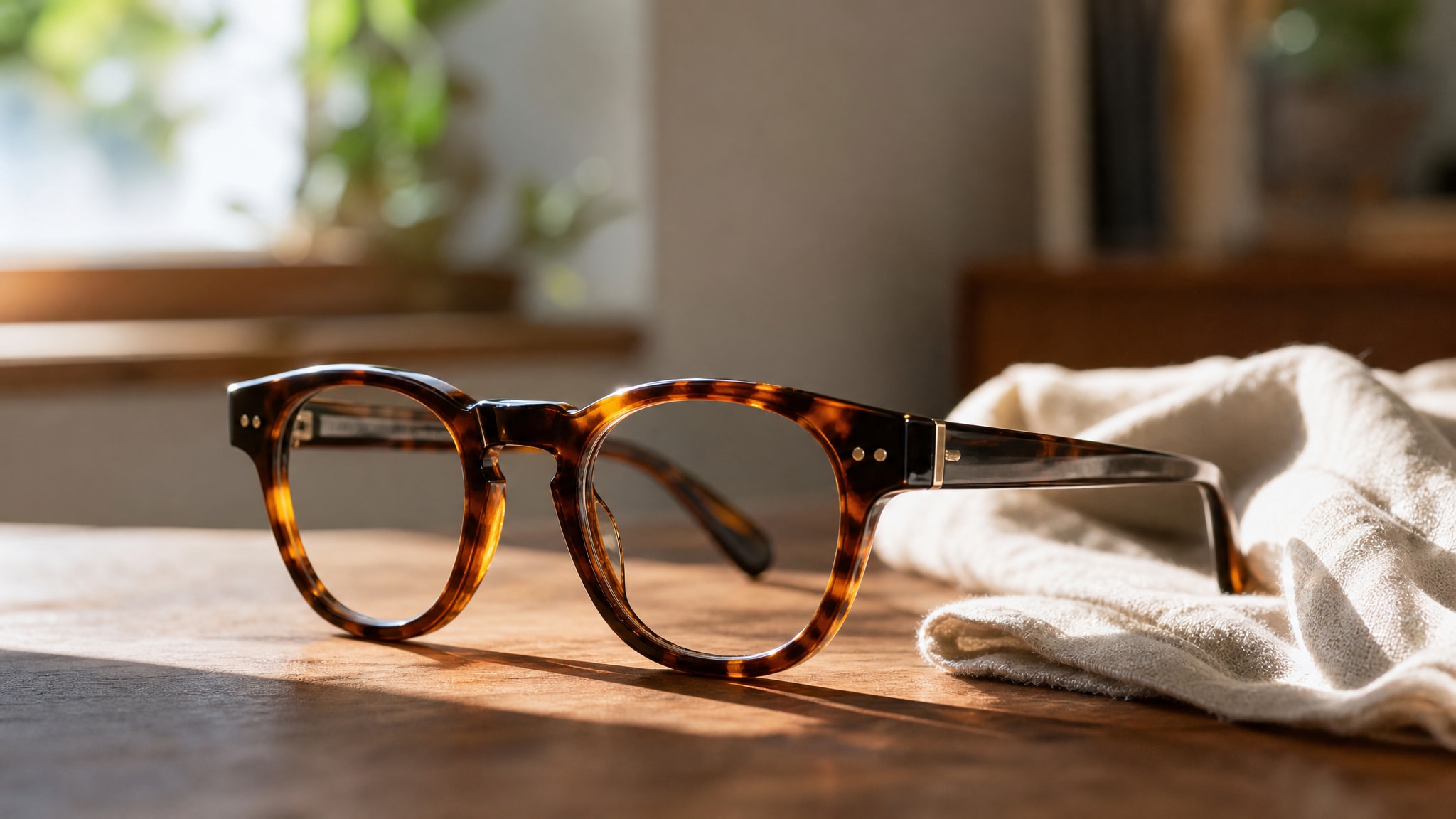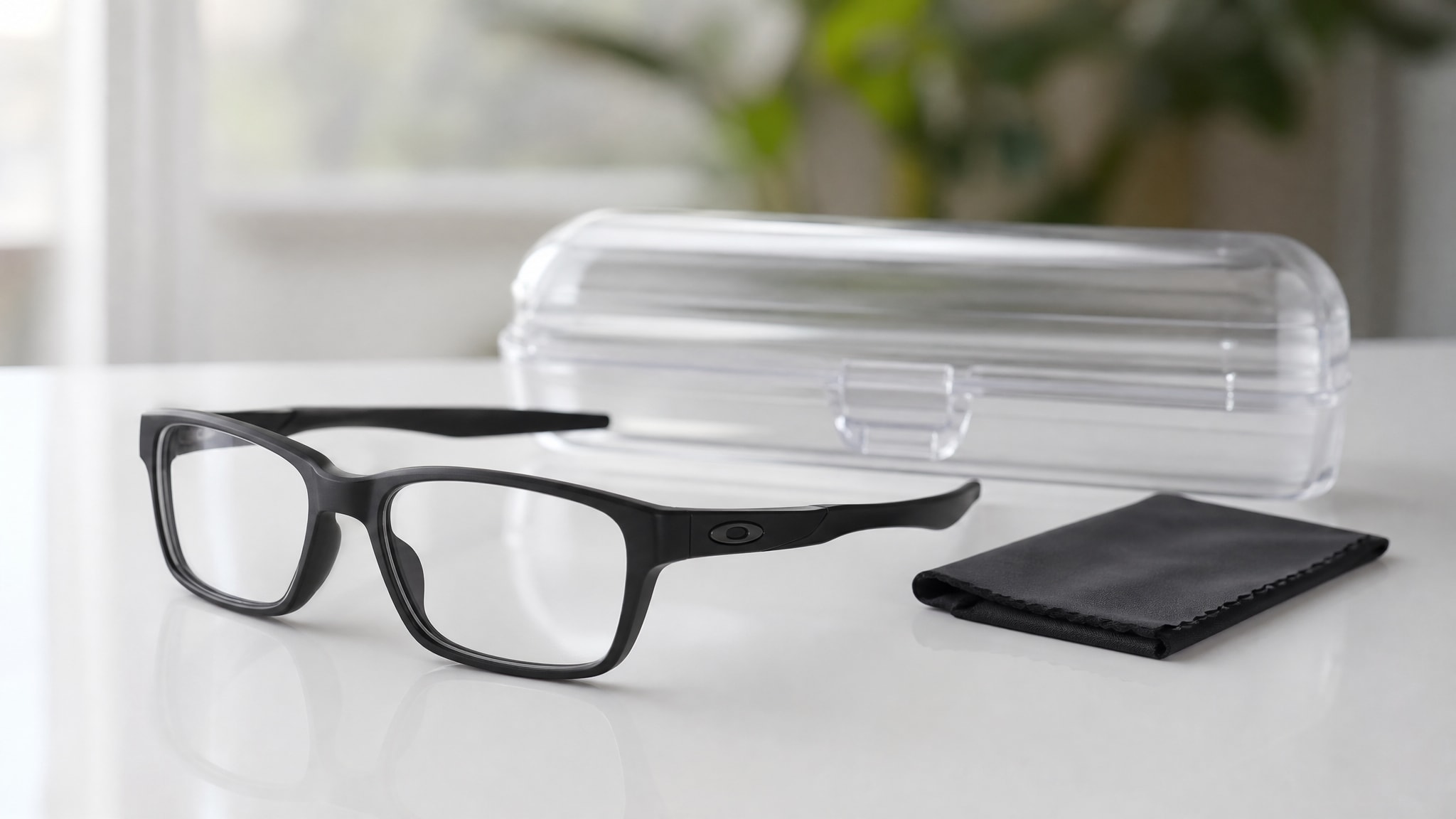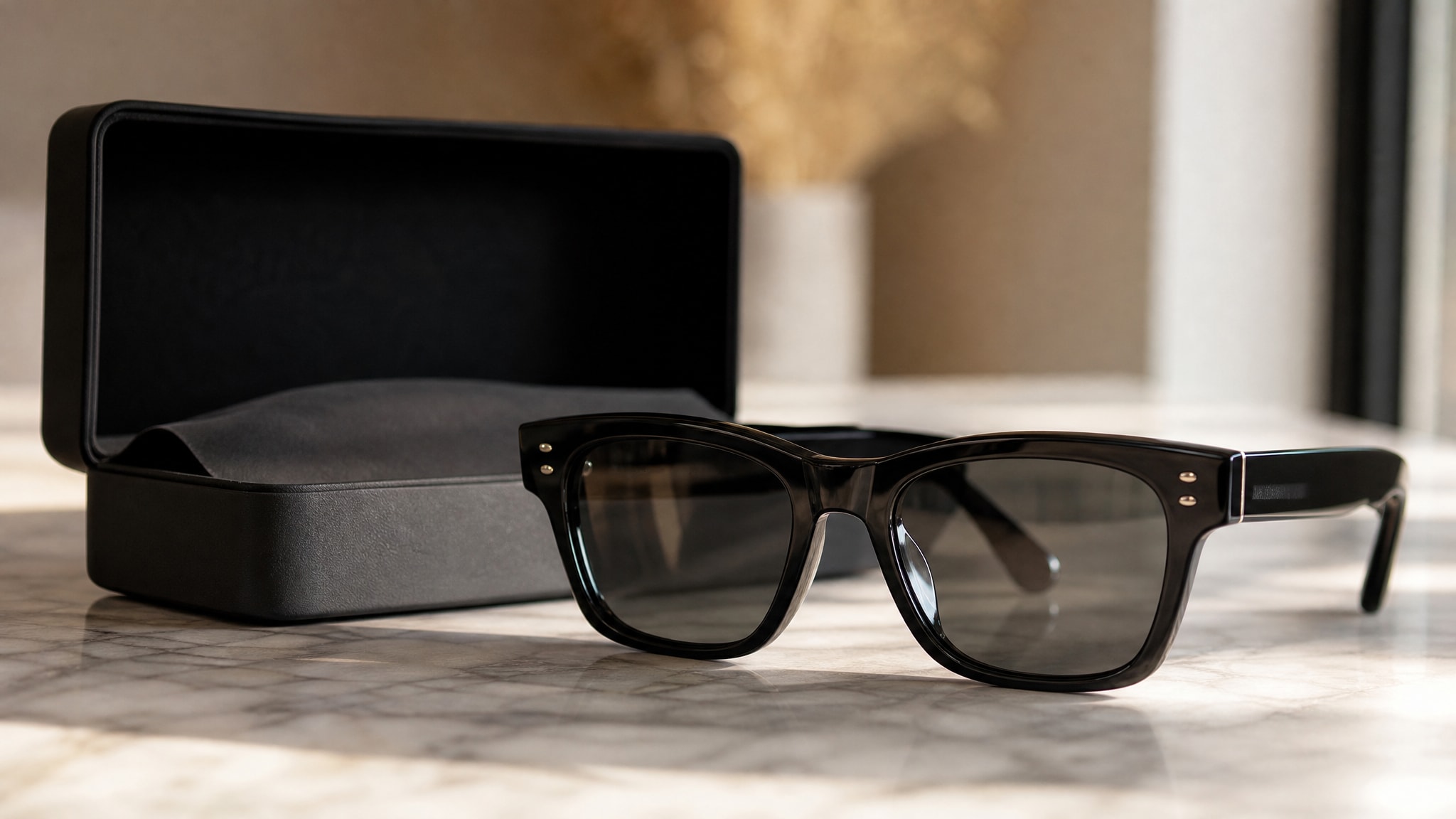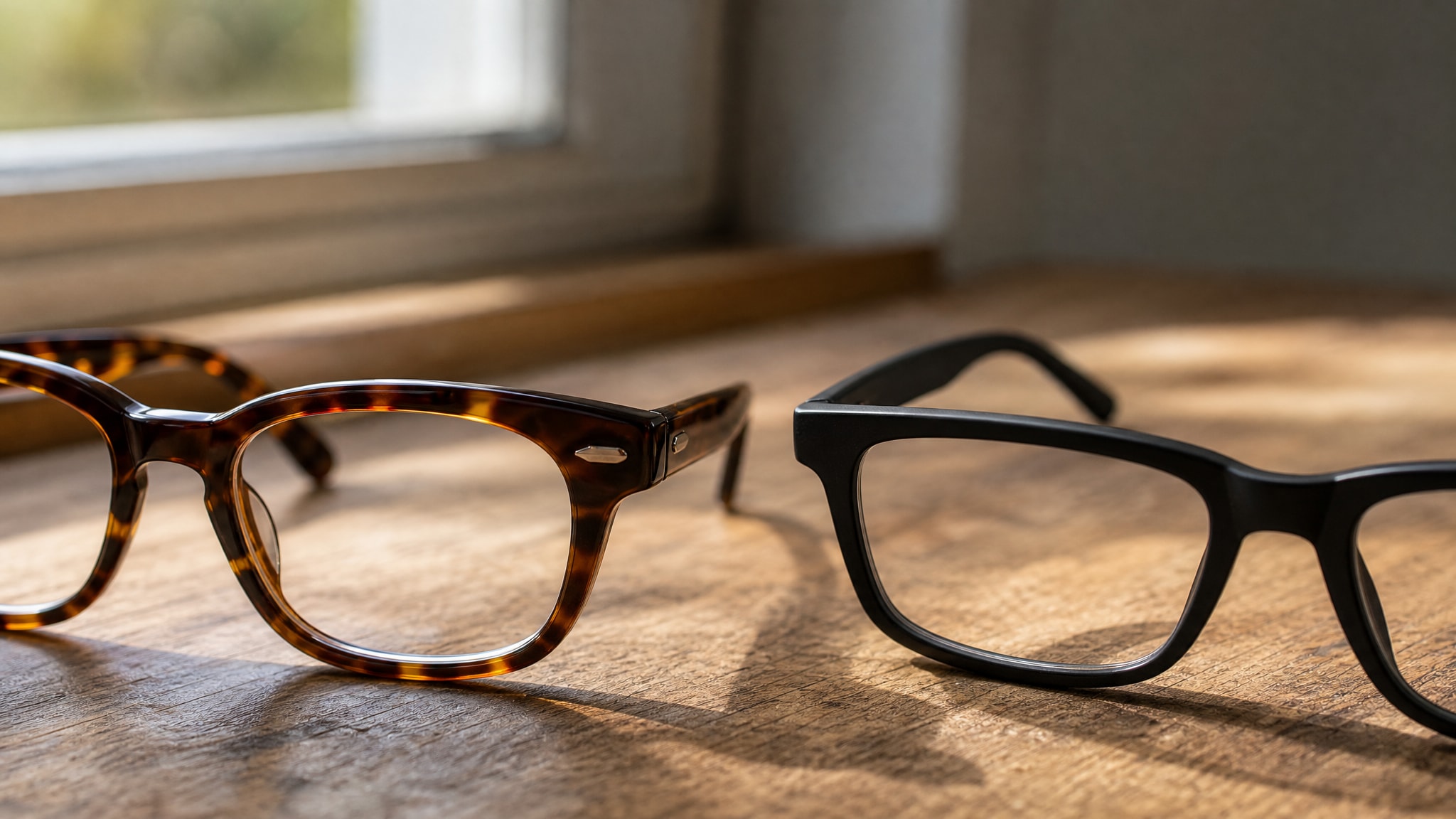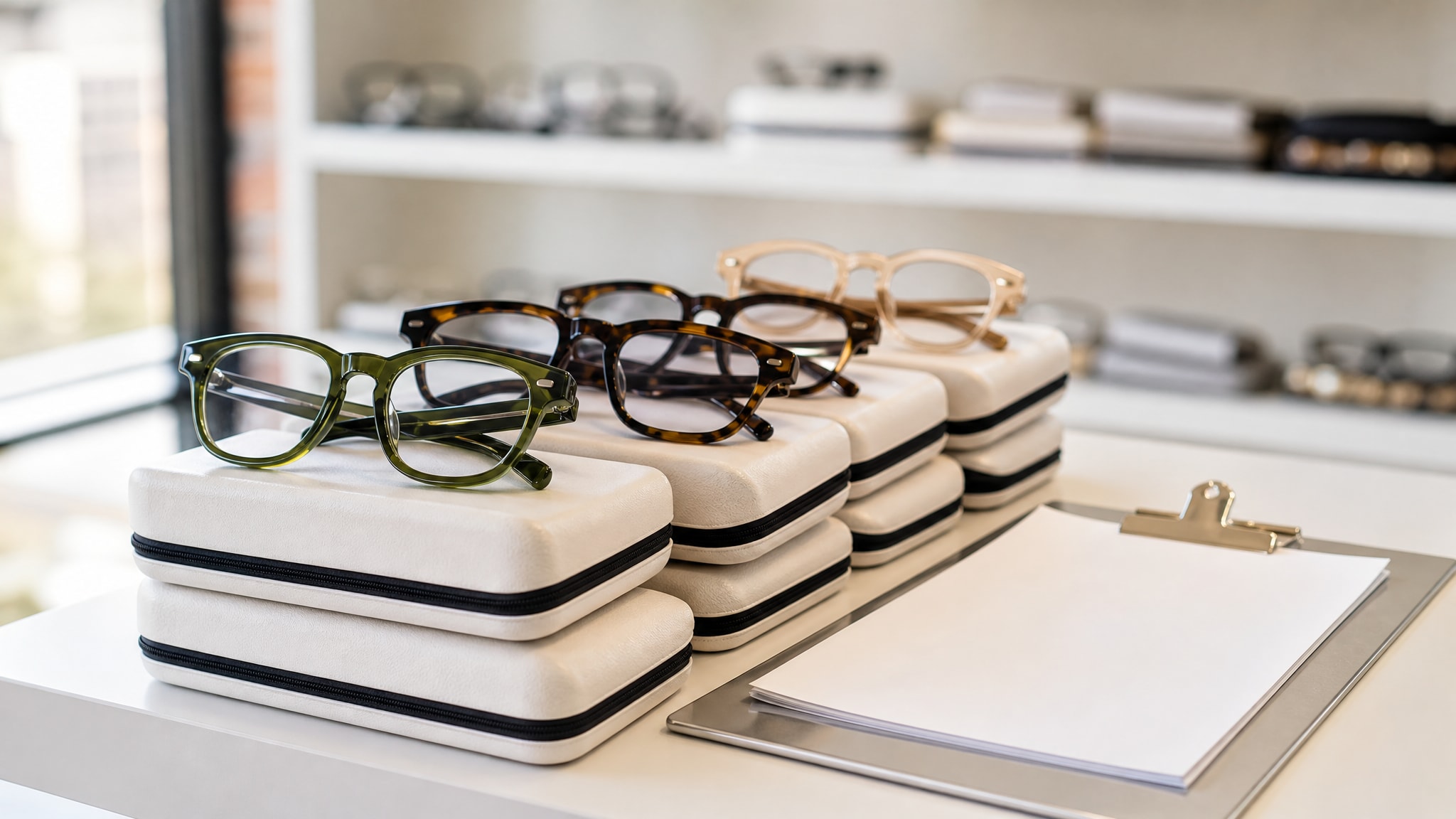
Designer glasses under $100 in Australia don’t mean secondhand or damaged. They mean prior-season stock, and the optical industry clears it constantly.
Shoppers on a strict budget often assume sub-$100 pricing signals worn goods or manufacturing defects. Fashion retail trains you to think that way. Optical practices and distributors work differently: they clear surplus prior-season stock to recover revenue, and that creates a real market for genuine branded frames at a fraction of the retail price. These frames are new and unworn. You get recognised brand quality without paying for seasonal novelty.
Affordable brand-name glasses under $100 come down to inventory turnover, not product quality. Optical businesses have to manage shelf space and capital tied up in unsold stock, so they list surplus prior-season inventory to recover costs rather than let it sit. That’s the whole mechanism. It lets genuine branded frames sell under $100 without being used, refurbished, or defective.
Previous-season optical frames from brands like Ray-Ban, Tommy Hilfiger, or Calvin Klein frequently appear under $100 when distributors clear surplus stock, with build quality identical to current retail lines. The discount reflects timing, not compromise. These models were ordered in quantities that outstripped demand, or newer colourways replaced them in the showroom. You’re buying the same acetate and metal construction sold at full price, minus the marketing spend that comes with a current-year launch.
This setup works for everyone. Trade sellers clear space, and buyers get real value. Price tracks age here, not integrity.
All frames listed on Last Seasons Eyewear are new and unworn, sourced directly from Australian optometrists and distributors clearing prior-season inventory, not from secondhand sellers. That distinction matters, because pre-owned marketplaces carry risks around hygiene, structural fatigue, and missing components that simply don’t apply to surplus new-old stock. Discounted designer frames under $100 typically mean previous-season models in current condition. You get recognised brand quality without paying for seasonal novelty.
Scratches, loose hinges, and worn nose pads are never an acceptable trade-off for a lower price on clearance eyewear.
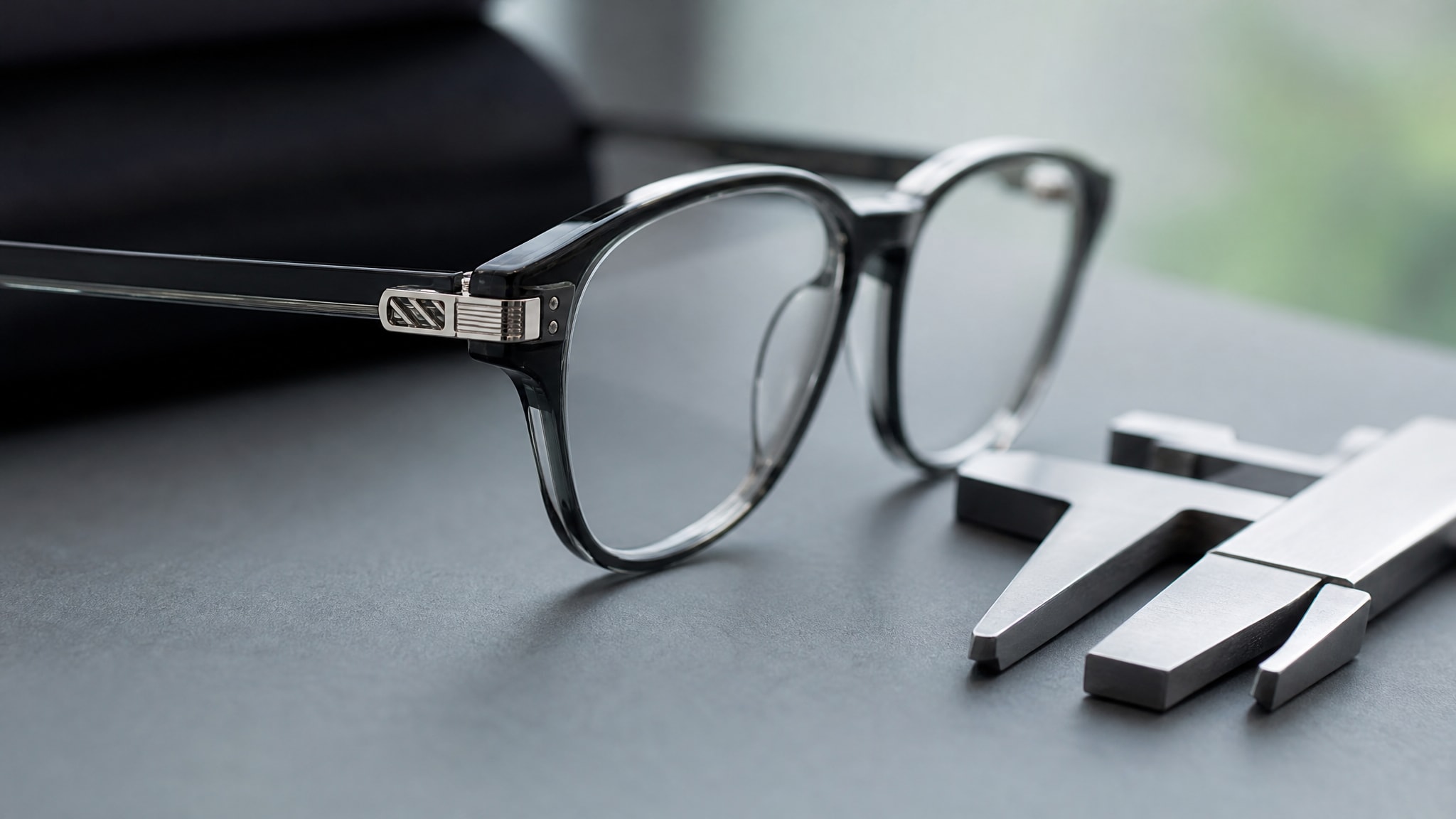
Sub-$100 designer frames hold the same manufacturing standards as their full-price counterparts, because they come off the same production runs and pass through the same quality control. The lower cost comes from where the frame sits in the retail lifecycle, not from cheaper materials or shortcuts that would compromise how long it lasts.
Budget branded frames under $100 typically use the same acetate or metal construction as full-price versions. The discount reflects timing, not manufacturing shortcuts. Hinges, temple cores, and lens grooves meet the same specs as current-season stock, because brands don’t run separate, inferior production lines for clearance channels. Previous season glasses frames quality explains how to tell genuine surplus apart from imitations that hide behind a low price tag.
Frames in this category suit prescription reglazing, because their structural integrity matches what opticians expect from current inventory.
Warranty terms on clearance stock can differ from current-season retail, so check coverage before you buy. Some distributors honour full manufacturer warranties on prior-season frames; others offer limited store-specific guarantees that cover manufacturing defects but exclude cosmetic issues found after delivery. Return policies vary too, between general retailers and specialist optical clearance platforms, so confirm whether change-of-mind returns are accepted or exchanges are limited to faulty items.
Checking these terms upfront saves you the disappointment of a fit or style that doesn’t work once the frames arrive.
Locating specific styles within a hard budget cap takes a targeted search, not a browse through generic discount categories that mix genuine surplus with unbranded imports. Precise filters save time and keep results within your spending limit, without the mental arithmetic or cart adjustments.
Set a maximum price filter of $100 before you touch brand or shape preferences, so every result meets your budget from the start. Generic searches for cheap designer glasses in Australia often return results around $120 to $150 that only reach sub-$100 pricing through promo codes or bundle deals. Dedicated clearance platforms list net prices that already reflect the discount. From there you can narrow by frame shape or lens width to suit your face and prescription, so you’re not stuck choosing between the right price and a wearable size.
Discontinued optical frames for sale expands your options beyond the current clearance highlights, within the same budget.
Authenticity checks protect your money when you buy discounted frames online, because counterfeiters target popular price points to move fakes. Look for serial numbers etched inside the temple arm, consistent branding placement on lenses and hinges, and packaging that matches the brand’s official specs for that model year. How to check if glasses frames are genuine sets out the specific markers for major brands sold through Australian clearance channels.
Buying from specialist optical marketplaces rather than general auction sites cuts authentication risk, because verified trade sellers source directly from licensed distributors.
Savings on previous-season stock typically run 40% to 60% below current RRP for the same recognised optical brands, depending on how long the model has been out of the primary retail cycle. A frame that retailed for $220 last year might sit at $89 now, simply because a newer colourway took its place in showroom displays, not because the original frame fell short on quality.
That price gap comes down to inventory age. It says nothing about durability, missing features, or optical performance. Buyers who care more about function and brand heritage than having the newest catalogue release get real value without any real downgrade.
Comparing like-for-like models across seasons confirms that construction and materials stay constant even as the price tag drops.
Selecting frames for prescription use means checking technical compatibility alongside style and budget. Not every discontinued frame suits every lens type, and stronger prescriptions narrow the viable options within the sub-$100 category.
Higher minus or plus prescriptions need enough rim depth and lens width to handle edge thickness without looking unbalanced or feeling heavy. Check lens width and bridge measurements against your current glasses before you commit to a stronger prescription. You can buy prescription frames online with confidence once you’ve matched these measurements precisely, rather than guessing from photos or generic size labels.
Frames with very thin metal rims or shallow lens depths may not suit progressive lenses or high-index materials, whatever the price tag says.
Discontinued models sometimes come in limited size runs, so accurate measurement matters more here than with current stock and its wider fitting options. Prioritise frames with adjustable nose pads or flexible temples when buying remotely; these features absorb minor fit variations across batches and cut the chance of pressure points or slippage. Compare total frame width and temple length against a pair that already fits well, rather than trusting the manufacturer’s stated size alone, since that can vary between model families even within the same brand.
Five minutes spent measuring your existing frames saves a costly return and means the discounted pair actually gets worn.
Delivery surcharges frequently push budget eyewear over the $100 mark at checkout, wiping out the savings from careful frame selection. A retailer advertising $79 frames but adding $25 freight has really charged you $104, and that breaks a strict budget cap.
Free Australia-wide shipping is included on all orders at Last Seasons Eyewear, so delivery surcharges never push a sub-$100 frame over budget at checkout. That all-in pricing stands in contrast to competitors who advertise a low headline price and recover margin through freight fees that only show up late in checkout. Free shipping on glasses across Australia explains how that keeps the price you see the price you pay, so you can compare true landed costs rather than misleading display prices.
The advertised price should be the final price. No hidden additions, no surprises at checkout.
Specialist marketplaces that aggregate verified previous-season stock from Australian optometrists and distributors are the most reliable route to genuine sub-$100 frames. These platforms vet sellers and authenticate inventory before listing, cutting out the guesswork you’d face on general discount sites or peer-to-peer resale apps, where condition and provenance stay uncertain.
Buying from dedicated optical platforms means the frames are genuine, new, and suitable for prescription reglazing, because the supply chain traces back to licensed Australian distributors. You might find lower prices elsewhere if you hunt hard enough. But if authenticity and optical-grade condition matter to you, the curation and verification a specialist clearance provider does as standard is what you’re paying for.