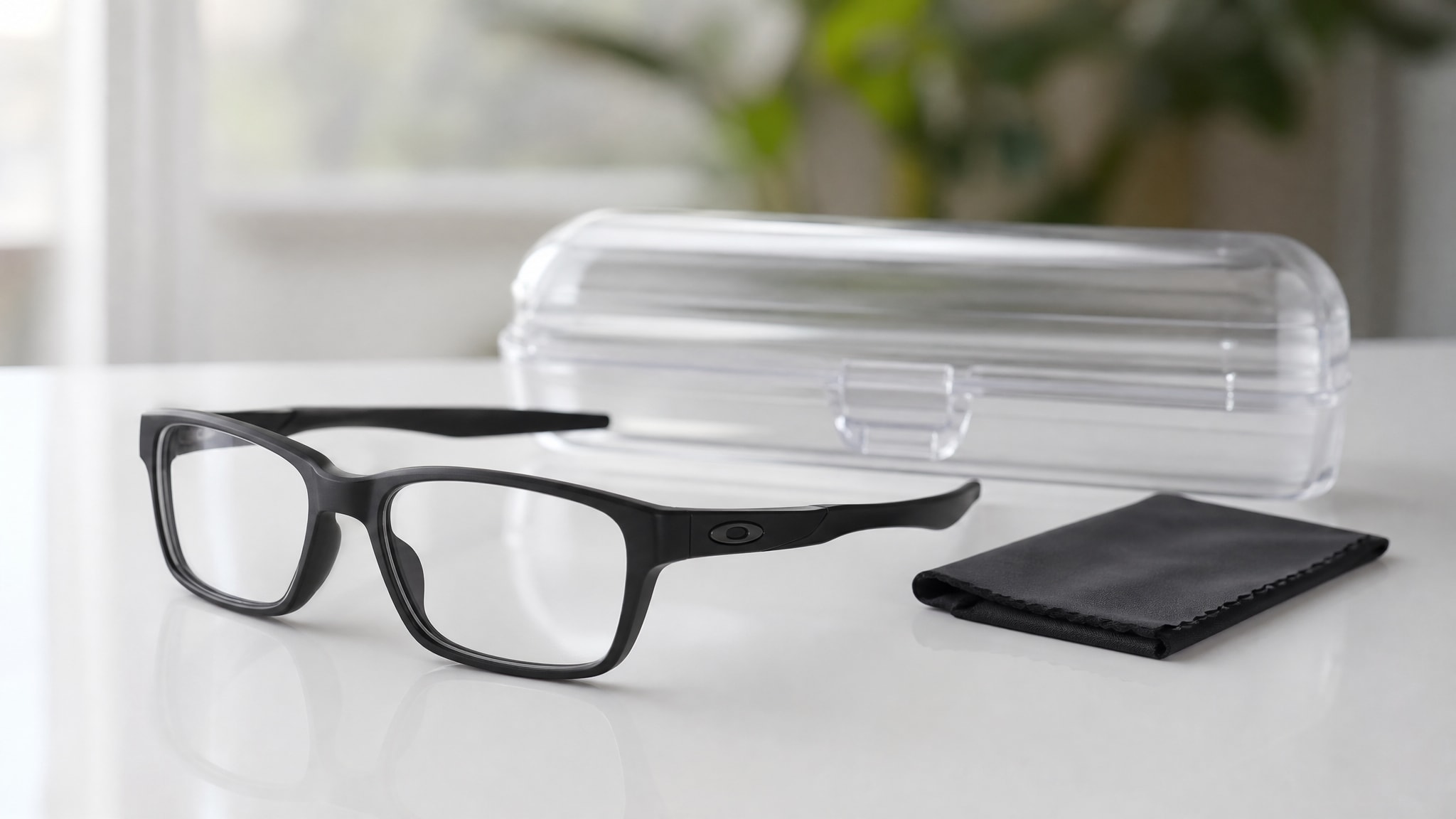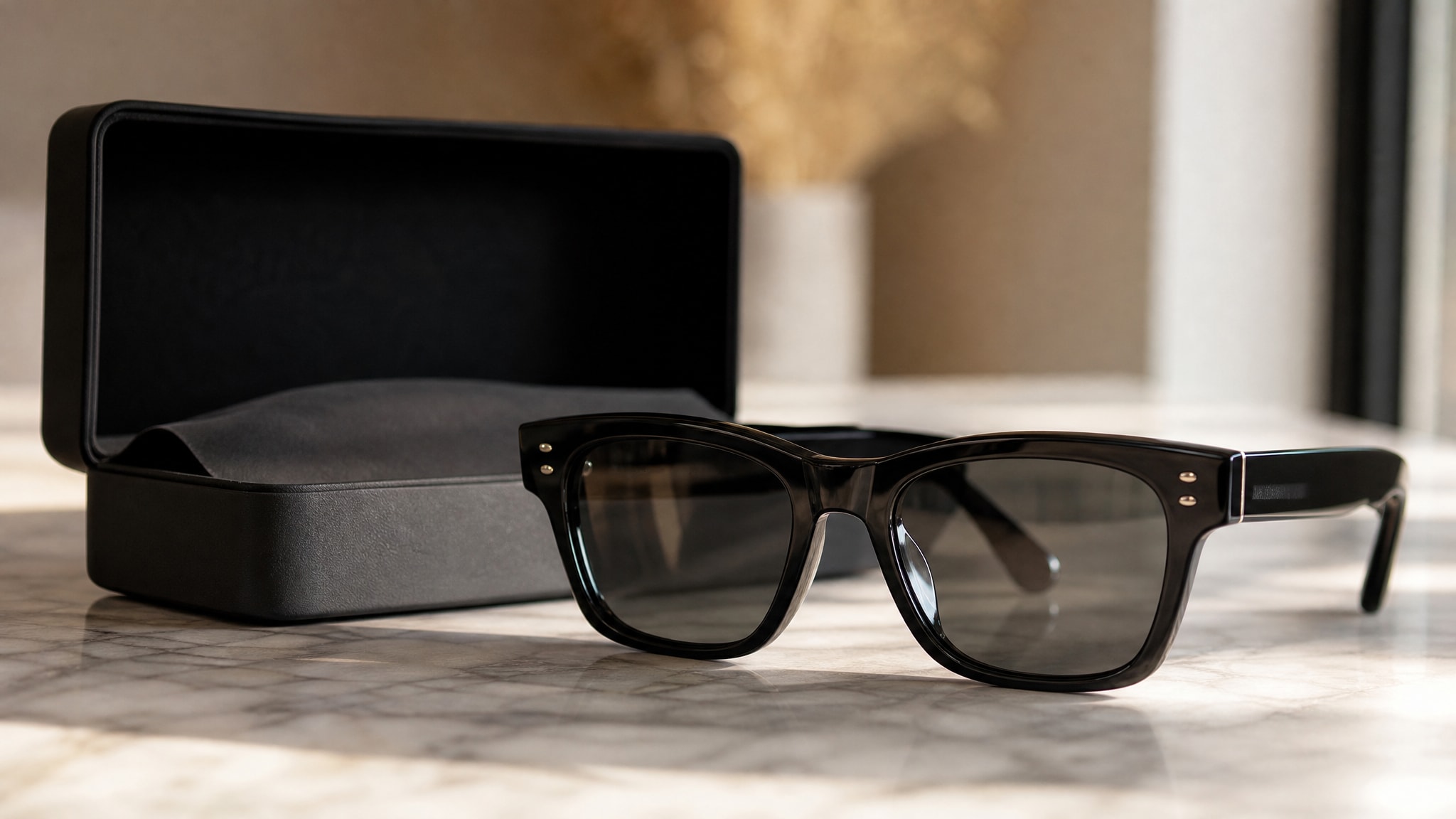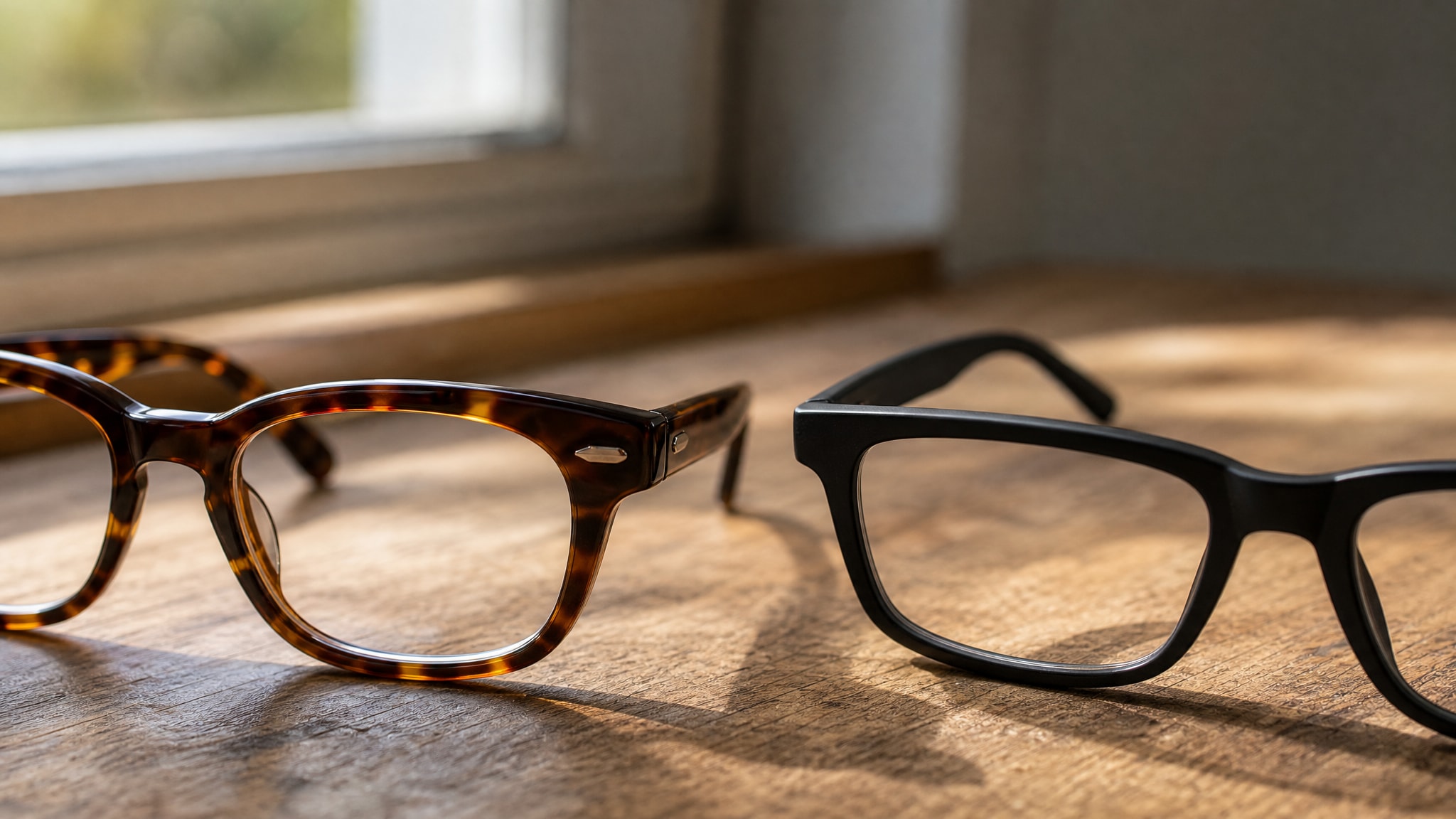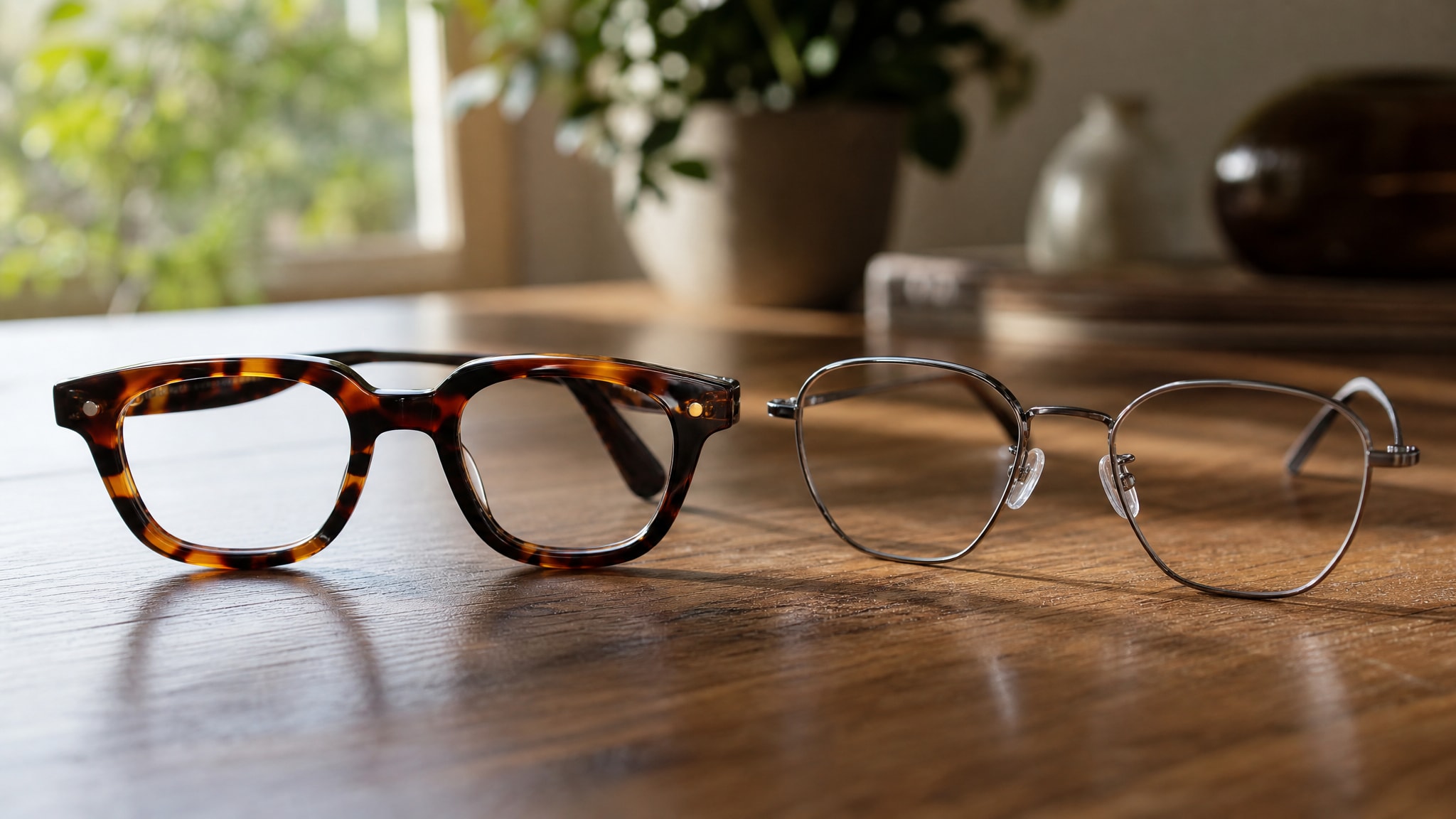
Finding a reliable Ray-Ban outlet alternative in Australia often means looking beyond the traditional factory store model. Physical outlets have long been the default for bargain hunters, but they frequently come with problems around stock consistency and product condition that frustrate serious buyers.
A dedicated marketplace for prior-season stock works differently. It sources unworn frames directly from optical practices and distributors, rather than relying on manufacturing overruns or customer returns. That means current-condition eyewear with a verified origin, without the uncertainty that comes with grey-market imports or unverified discount channels.
Shoppers increasingly recognise that the lowest sticker price doesn’t always mean the best value, not when authenticity and wearability are on the line. You need confidence that the frames you buy are structurally sound and genuinely new, whenever they were originally made for retail.
Physical outlets frequently carry fragmented size runs or factory seconds. Specialist prior-season platforms typically list complete, inspected units from professional optical inventories instead. That fragmentation is a real problem: you might find a specific Wayfarer colourway but only in a lens width that doesn’t suit your face, and end up compromising on fit just to get the brand name.
Factory stores work with whatever inventory manufacturers push through clearance channels, which rarely lines up with the specific models or sizes Australian buyers actually want. Online marketplaces that aggregate surplus from multiple optometrists solve this by pooling stock nationally, giving you access to a broader range of intact pairs that never made it to the shop floor.
Sophisticated counterfeits circulate in the Australian market, which makes verifying frame authenticity a non-negotiable step before buying discounted eyewear. Unverified sellers on generalist marketplaces often lack a transparent supply chain, so you’re left unable to tell the difference between legitimate surplus and a well-made replica.
Legitimate prior-season stock comes with traceable origins from registered local optical businesses, and that audit trail is something grey-market importers simply can’t offer. It’s what separates a genuine Ray-Ban discount from a gamble on a product that might not meet UV safety standards or might fail early.
Understanding the gap between new-old-stock and traditional outlet merchandise matters if you want savings that don’t cost you longevity. Previous season glasses frames quality stays identical to current retail offerings, because these items were originally made for full-price sale in professional optical environments.
Genuine prior-season Ray-Ban stock is fundamentally different from factory seconds or counterfeit goods. It has passed the same quality control checks as current-season inventory. These frames sat in optical practice storage rather than getting rejected for manufacturing defects or coming back after customer use, so hinges, nose pads and lens coatings all meet original spec.
Factory outlets often mix first-quality surplus with B-grade items, the kind of subtle flaw you don’t spot under shop lighting but notice after a few weeks of wear. Verified surplus stock cuts out that variability. The reduced price reflects the age of the collection, not a compromise in build.
Surplus optical stock typically sells at a significant discount off current RRP, because practices need to clear shelf space for new collections. That passes wholesale-level savings on to you. It’s what creates room for a genuine Ray-Ban lower price that rivals or beats physical outlet prices, without the risk of damaged goods.
Physical stores have to cover overheads like rent and staff in premium locations, and that limits how deep they can discount even clearance items. Online platforms running on lower fixed costs can pass more of that saving through to you, while the dispensing opticians who listed the stock still keep a healthy margin.
Trust in an online eyewear purchase comes down to whether the seller can show legitimate sourcing, not just claim authenticity in the marketing copy. Expect transparency about where frames come from, and be wary of listings that lean on stock photography or vague talk of condition.
Authenticity verification depends on a traceable supply chain from registered local optical businesses, not an unverifiable overseas drop-shipper. Reputable domestic platforms disclose their relationships with Australian optometrists and distributors, so you can confirm the business operates under local consumer law and holds a verifiable ABN.
International sellers shipping into Australia often skip these accountability measures. That makes returns hard and warranty claims close to impossible if something goes wrong. Checking for detailed seller information and local contact details gives you a baseline assurance that the transaction sits inside a regulated commercial framework.
Prices well below the usual wholesale range usually point to counterfeit merchandise rather than a great deal. Legitimate retailers can’t sustainably sell genuine frames at those rates. Listings that skip model numbers, size measurements or batch codes stop you cross-referencing against official Ray-Ban catalogues to confirm anything.
Sellers using terms like “designer inspired,” or refusing extra photos of serial markings, are hiding what the product actually is. If a deal looks too good to be true in the Australian market, it almost certainly involves goods that don’t meet Luxottica’s manufacturing standards.
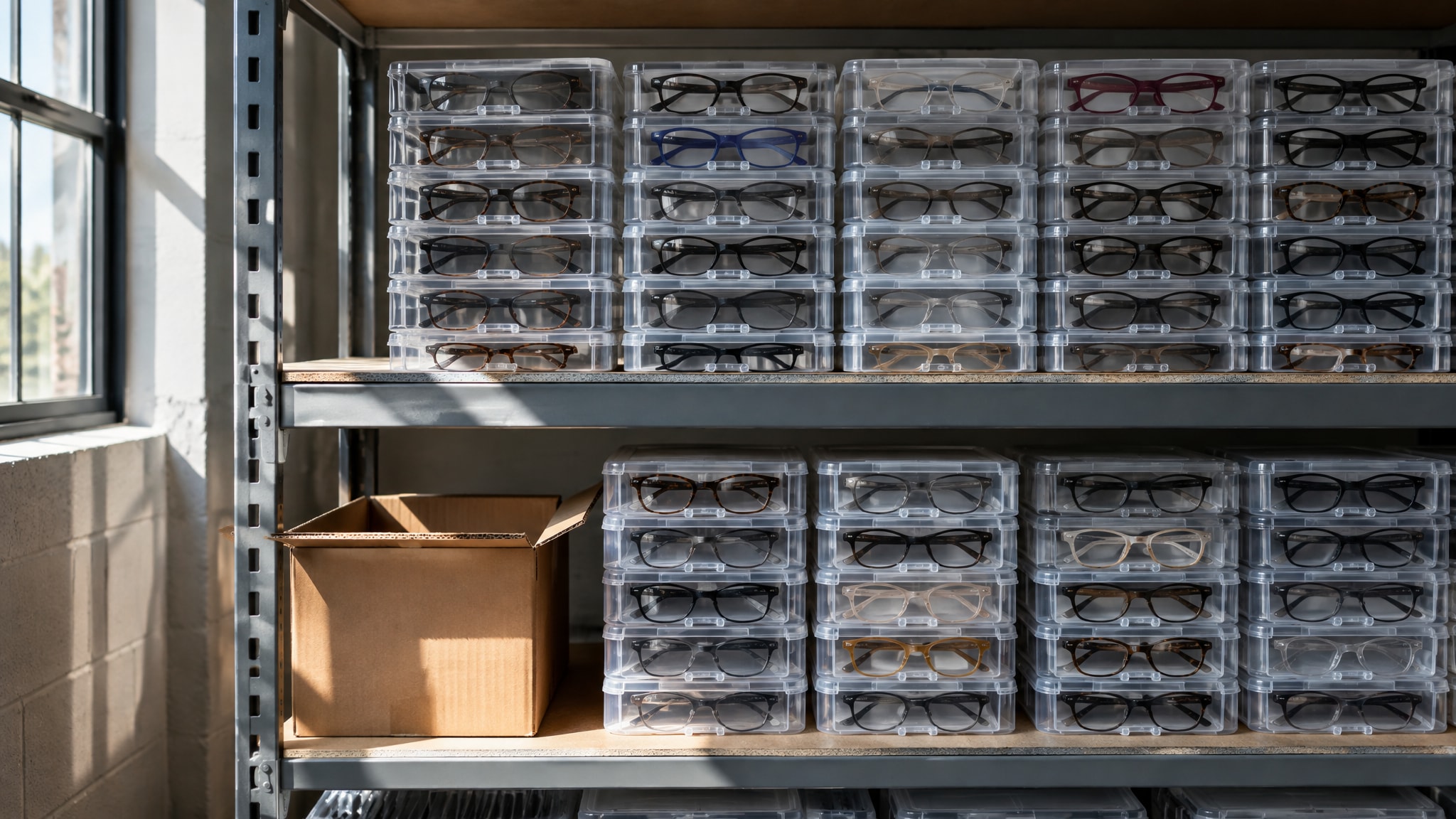
This marketplace model doesn’t manufacture new products or replicate sold-out designs. It redistributes existing genuine inventory that optical practices no longer need. The supply chain runs on revenue recovery: dispensing opticians list surplus frames to recoup capital tied up in ageing stock, and practices keep rotating displays to make room for new collections. That’s what creates a steady stream of genuine Ray-Ban prior season stock, separate from the usual seasonal retail sales cycle.
Availability moves with individual practice inventory decisions, not manufacturer production schedules. Popular models turn up unpredictably and sell fast once listed. If you’re after a specific discontinued Ray-Ban model, this decentralised sourcing works in your favour, since frames retired from metropolitan boutiques can still be sitting in a regional practice’s inventory.
Core silhouettes keep steady demand across seasons, which makes them good candidates for surplus channels, where the pricing advantage is most pronounced. A timeless design doesn’t lose relevance just because a manufacturer tweaks the colour palette or temple detailing for the new year.
Iconic styles like the RB2140 Original Wayfarer and RB3025 Aviator remain staples of Ray-Ban prior season stock even when retailers move on to new collections. Their proportions haven’t shifted in decades, so there’s little risk of buying a silhouette that looks dated in a few months.
Surplus channels often carry several lens size options for these classics, letting you pick the fit that mass-market retailers usually limit to one or two variants. Year-round prior season deals on these evergreen models tend to hold their value better than chasing a trendy release that depreciates fast.
Discontinued optical frames often show up in these marketplaces before disappearing for good, which is your last shot at a specific fit that newer collections don’t offer. Optometrists clearing inventory may hold niche acetate colours or bridge widths that didn’t sell at full price but suit particular faces perfectly.
Browsing discontinued optical frames helps you work out which retired models match your prescription and your taste. This secondary market suits collectors and practical wearers alike, anyone who knows that a good fit matters more than a current catalogue number.
Domestic logistics cut out a lot of the friction of buying discounted eyewear, compared with international grey-market alternatives that leave you exposed to customs delays and messy returns. Free shipping across Australia on platforms like Last Seasons removes the hidden costs that quietly eat into the savings on an overseas listing.
Local fulfilment also means the transaction sits under Australian Consumer Law, so you get statutory rights around faulty goods and misleading descriptions that foreign sellers routinely disclaim. Return policies from domestic specialists typically handle fit issues more easily than international vendors do, since eyewear comfort is subjective and sometimes needs a trial run. Standard warranties generally apply to genuine prior-season stock bought through authorised Australian channels, covering manufacturing defects the same way a current-season retail pair would be.
Choosing verified prior-season stock over a risky grey-market alternative protects your budget and your eyes: every pair still has to meet the original safety and quality benchmarks. The value here comes from the same manufacturing standard at a reduced price, through a legitimate commercial channel rather than a questionable one.
Brand credibility stays intact because these frames started life in professional optical environments. You get the saving without taking on the structural uncertainty that comes with cheaper, unverified options in the Australian market.