Holding onto prior-season eyewear inventory ties up capital that could fund your next collection. Deep discounting on your own floor often fails to recover meaningful revenue, too. Australian optical distributors and optometrists need a direct path to convert dormant stock into cash, without eroding brand value or waiting months for individual retail sales.
Last Seasons Eyewear is a dual-sided Australian marketplace. It connects distributors holding surplus stock directly with consumers who want branded eyewear at reduced prices. That model lets you request an eyewear stock clearance quote based on actual market demand for new, unworn frames, rather than accepting arbitrary liquidation pennies on the dollar.
You can get a formal valuation by submitting your current inventory list through our trade portal, instead of relying on generic industry advice. This direct approach means your specific mix of brands and frame conditions gets an assessment tailored to the Australian market.
Specialised surplus buyers assess optical stock by brand tier and new-unworn condition rather than age alone. That’s what separates genuine clearance from secondhand resale. When you request an eyewear stock clearance quote, the evaluation focuses on wholesale recovery potential for pristine items that remain fully saleable despite being from a previous season.
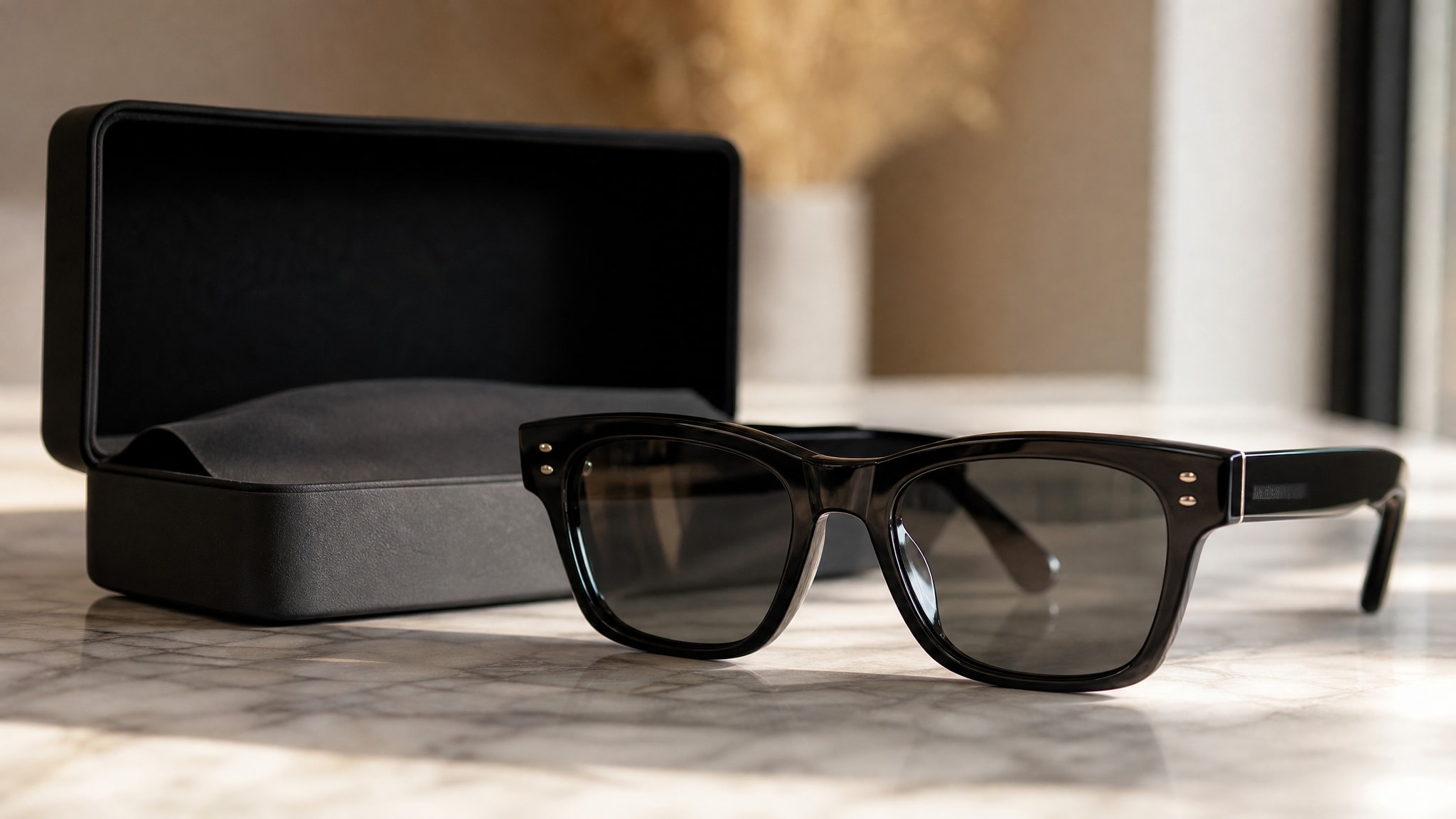
Our own listings show the calibre of stock that qualifies. The AM Eyewear Dom sunglasses and the AIKO EYEWEAR unisex frames are both new, prior-season models currently listed on the Last Seasons Eyewear marketplace. Because they’re new and unworn, they retain real residual value, and we price them to reflect that market position rather than treating them as distressed goods.
Most online guides cover retail clearance strategies but never offer a mechanism for getting a binding offer on bulk optical inventory. Reading about markdown schedules doesn’t help you clear excess optometry inventory when you need cash flow or warehouse space for incoming collections.
A transactional quote service removes the guesswork from optical stock valuation in Australia. It replaces theoretical advice with a concrete financial offer. You get a specific figure based on real buyer demand, and that lets you decide whether to release stock now or hold it for slower retail channels.
The valuation process weighs verifiable condition and brand recognition over simple volume metrics to work out fair market recovery rates. Understanding these factors helps you prepare your submission correctly and sets realistic expectations for the offer you’ll receive.
Your frames need to be in new, unworn condition, with original packaging intact, to qualify for a premium surplus eyewear stock valuation. We verify each SKU against known authentic specifications, so the stock meets the standard that style-conscious buyers of discounted genuine eyewear expect.
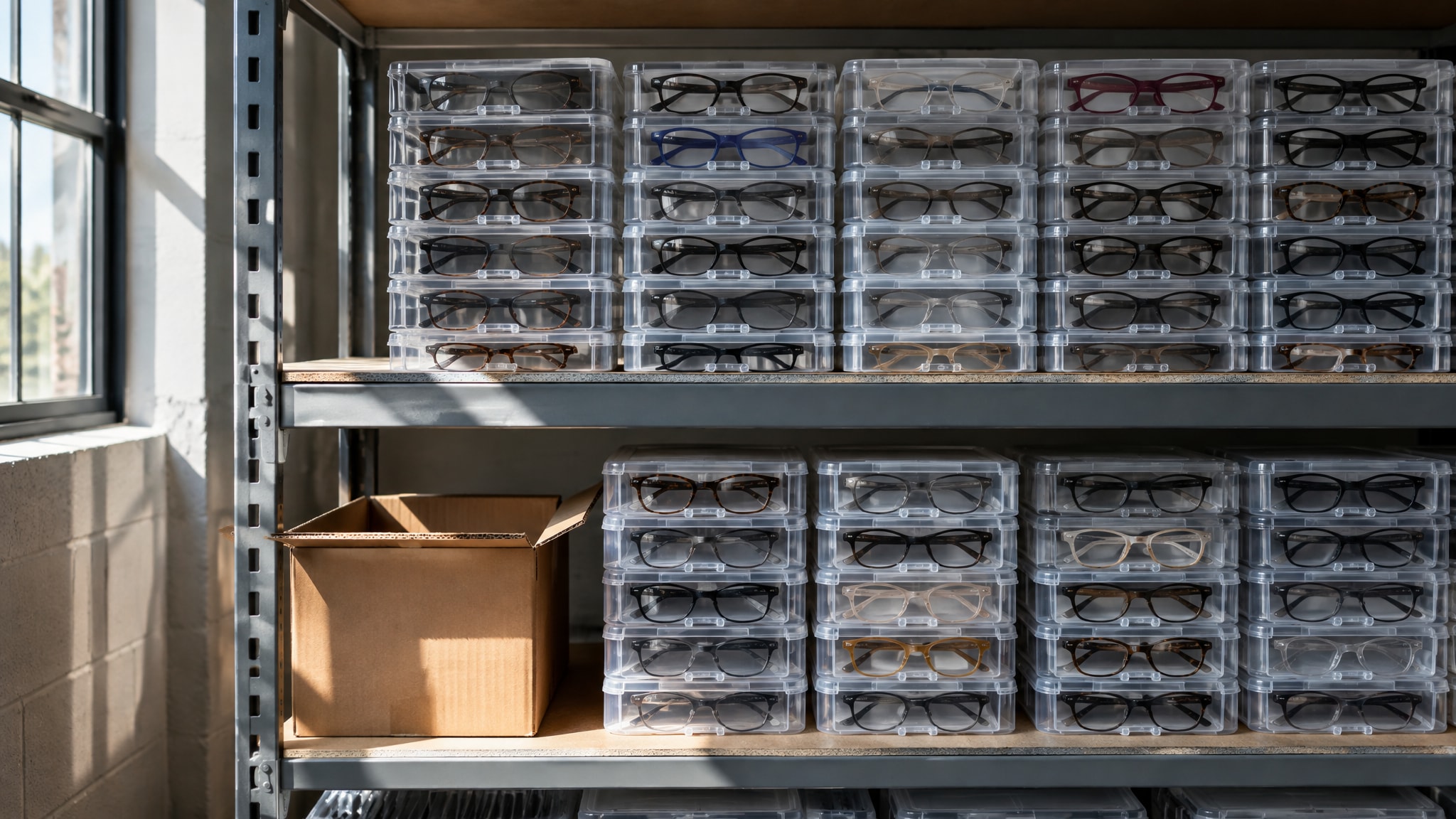
Brand hierarchy shapes the final quote: established names like STEPPER EYEWEAR and AM Eyewear command stronger secondary market demand than unknown labels. Volume matters too. Larger lots of consistent quality reduce handling costs per unit and typically attract better aggregate pricing than fragmented single-style submissions.
How fast you get a binding offer depends on how quickly you provide complete and accurate inventory data. Delays usually happen when stock lists lack model numbers, colourways or quantities, which forces back-and-forth clarification and stalls the valuation.
Once we receive a clean dataset, our team cross-references your SKUs against current marketplace demand to generate a firm optical stock liquidation quote. That means you get a definitive answer fast enough to fit your financial planning cycle, rather than waiting indefinitely for a response.
Not every frame in your storeroom qualifies for a specialist clearance quote, so it’s worth checking eligibility before you submit. We focus on new, prior-season eyewear from recognised brands that appeal to Australian buyers.
Sunglasses from established designers hold their resale value even after the primary retail season passes. The AM Eyewear Women’s Full Rim Sunglass in Lightpink | Dom is a good example: full-rim construction, a style that doesn’t date.
This model is priced around AUD 450.00, which shows the price point where buyers actively seek discounted genuine alternatives. Your surplus stock in this tier draws buyers who want premium quality without the full markup, which makes it a strong candidate for bulk clearance valuation.
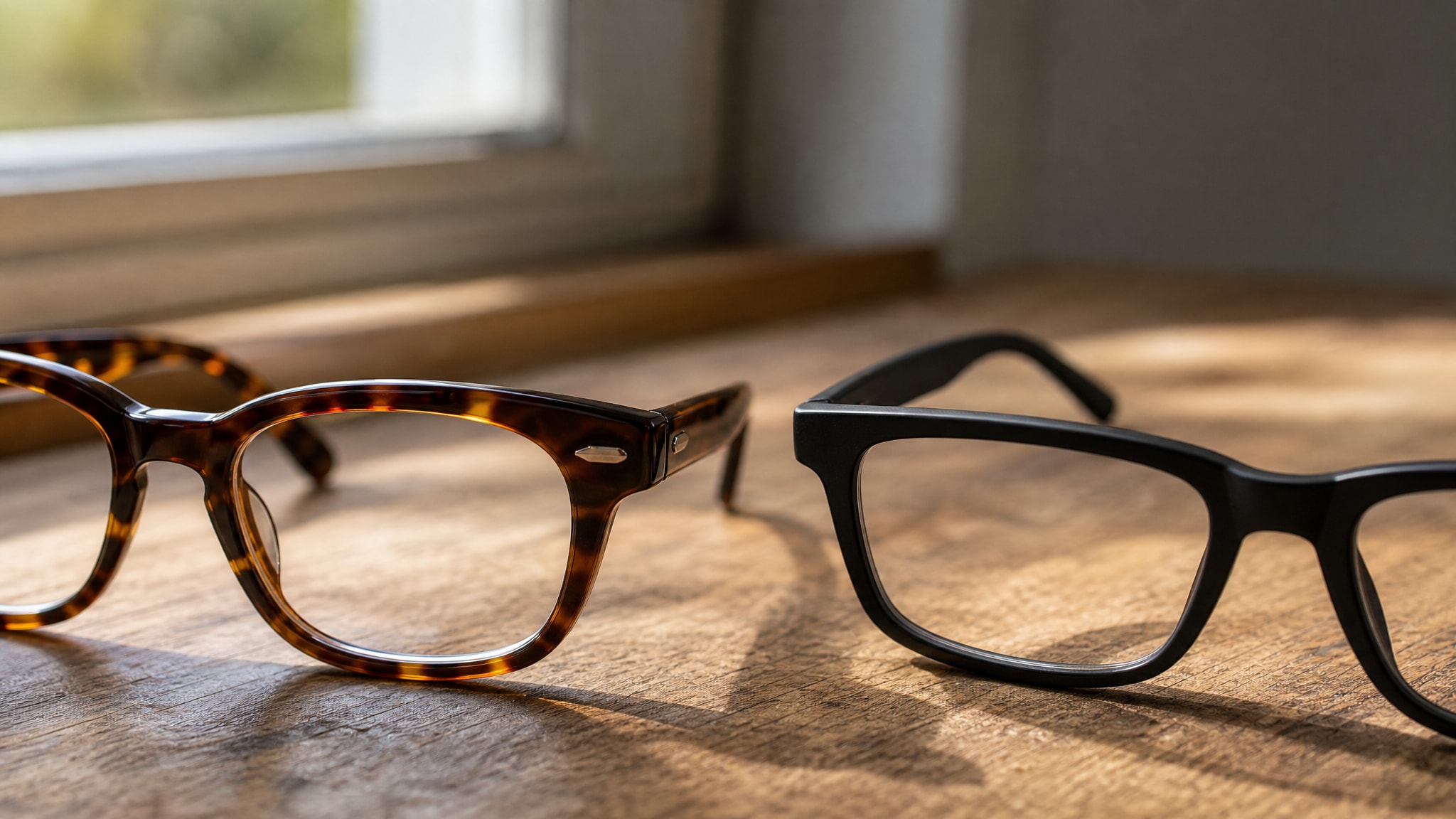
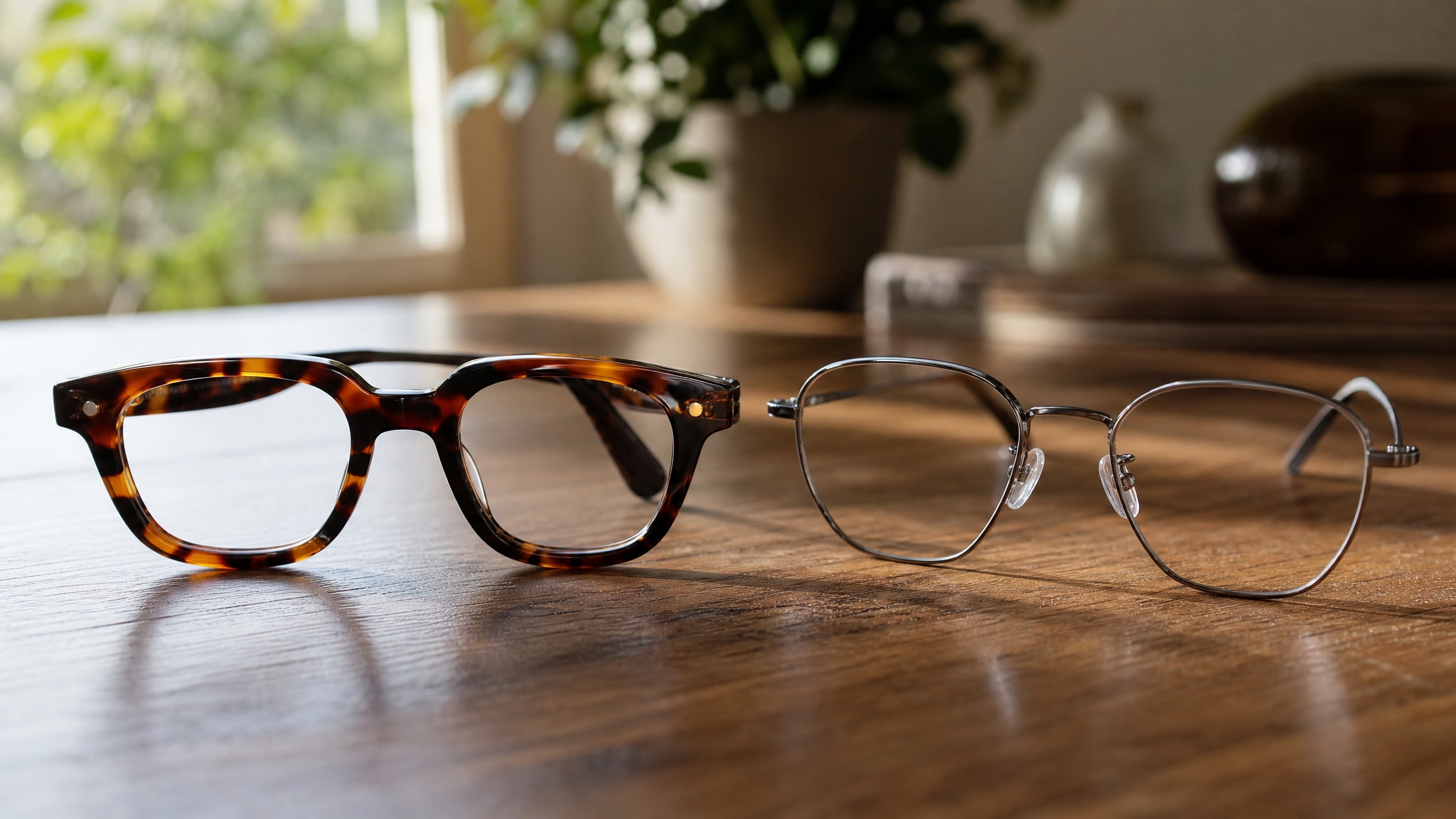
Everyday optical frames are the highest-volume opportunity for clearing excess optometry inventory. The AIKO EYEWEAR Unisex’s Full Rim Frame in Purple | 2214 and the STEPPER EYEWEAR Women’s Full Rim Frame in Green | SI 50325 both show the practical, well-made look that drives steady demand in the secondary market.
These frames are priced around AUD 128.00 to AUD 208.00, which positions them as accessible quality for budget-conscious professionals. Submitting these categories for a sell surplus frames quote gives you the best chance of a competitive offer, because they match proven buyer preferences.
Deep discounting on your own retail channels signals distress to customers and trains them to wait for sales instead of paying full price. Bulk clearance through a specialist buyer protects your brand while recovering capital that would otherwise stay locked in aging stock.
This approach isn’t suitable for damaged, secondhand or non-branded frames. The marketplace specifically serves buyers seeking new, authentic prior-season eyewear, and including ineligible stock in your submission will delay processing and may lower the overall valuation, because of the extra sorting it creates.
Moving surplus through a dedicated channel also means you’re not cannibalising sales of your current collection, and new arrivals keep their premium positioning. Revenue from a formal optical stock liquidation quote funds fresh inventory purchases, without the reputational cost of constant markdowns on your shop floor.
Deciding between individual retail sales and bulk liquidation takes an honest look at your cash flow timeline and storage constraints. Both paths have merit, depending on whether you want maximum margin or immediate capital recovery.
Choose bulk liquidation when holding costs outweigh the potential margin gain from slow individual sales over coming months. If shelf space is needed urgently for new collections, or quarterly targets require immediate revenue, a specialist buyer offers certainty that retail can’t match.
If you have ample storage and strong foot traffic, though, managing your own pricing surplus optical frames strategy might yield higher returns over time. Match your exit strategy to your actual business constraints, rather than defaulting to whichever option feels less painful right now.
Accurate quotes need complete SKU data: model number, colourway, size and quantity for every frame you want to clear. Missing information forces estimations that protect the buyer rather than the seller, which means conservative offers that leave money on the table.
Organise your spreadsheet by brand and category before you submit it. This speeds up assessment and shows professional inventory management, and it directly affects the speed and accuracy of your eyewear stock clearance quote.
Converting dormant inventory into working capital starts with submitting your detailed stock list for assessment. Our Australian marketplace exists to connect your surplus prior-season frames with buyers who value new condition and authentic branding.
If you’re ready to sell prior season frames for cash, the next step is providing complete inventory data for review. Visit our optical stock clearance sale page to see where your cleared stock ultimately reaches market, or read our guide on surplus eyewear stock valuation for more on how the quoting process works.
You must supply a complete spreadsheet listing every SKU’s model number, colourway, frame size and exact quantity. Incomplete data forces conservative estimates that reduce your potential offer, so verify all fields before submission to ensure the valuation reflects your stock’s true worth.
No, only new and unworn frames in original packaging qualify for valuation through this marketplace. The business model serves consumers specifically seeking discounted genuine prior-season eyewear, not pre-owned goods, so any used or damaged stock will be excluded from your quote.
Turnaround depends entirely on the completeness and accuracy of your submitted inventory data. Clean datasets with full SKU details typically receive a binding offer promptly, while missing information causes delays as clarifications are sought before valuation can proceed.
Bulk clearance recovers capital immediately without training your retail customers to expect perpetual markdowns on your shop floor. A specialist buyer absorbs the slow-selling inventory risk while preserving your brand’s premium positioning for current-season collections.