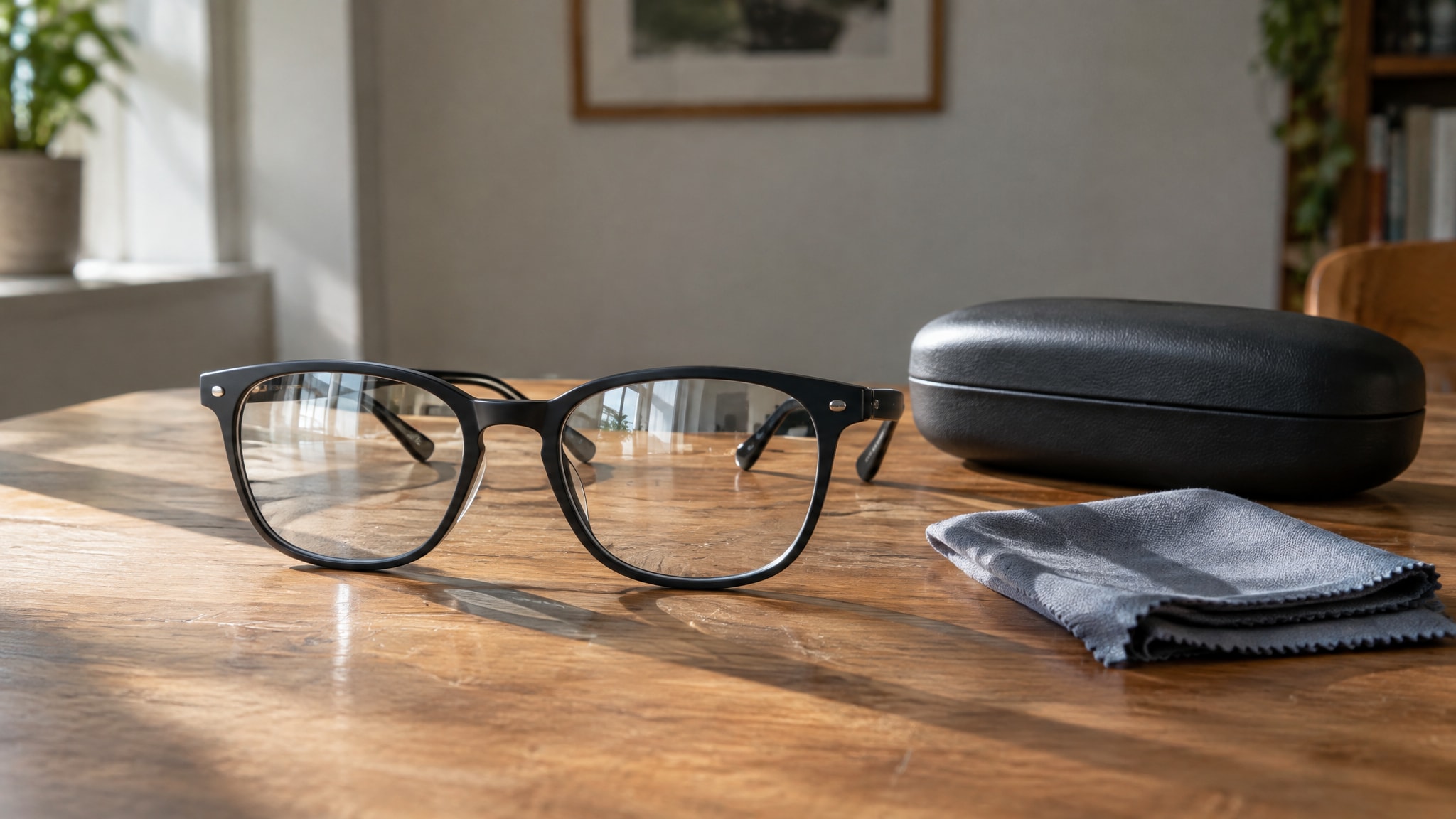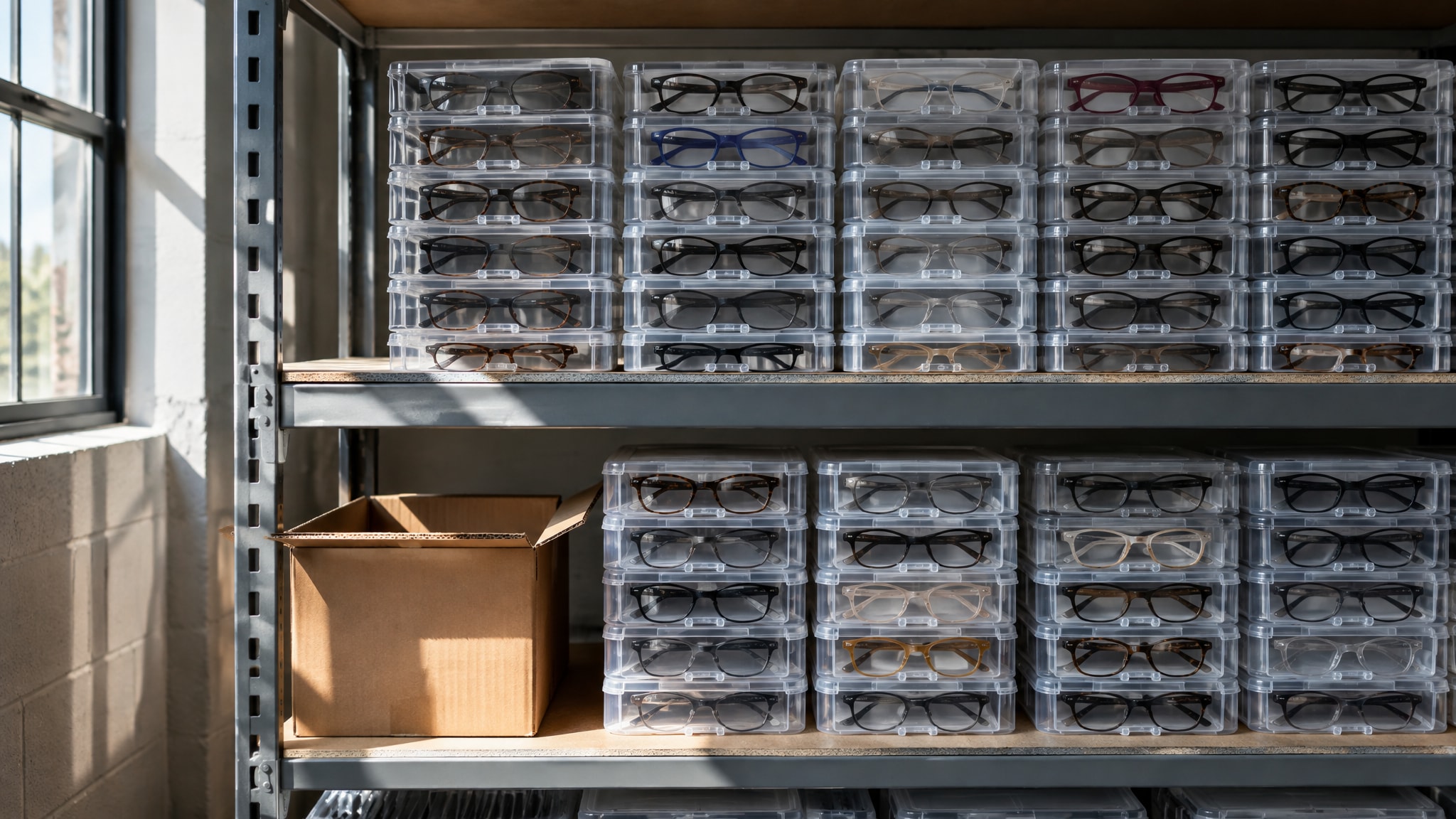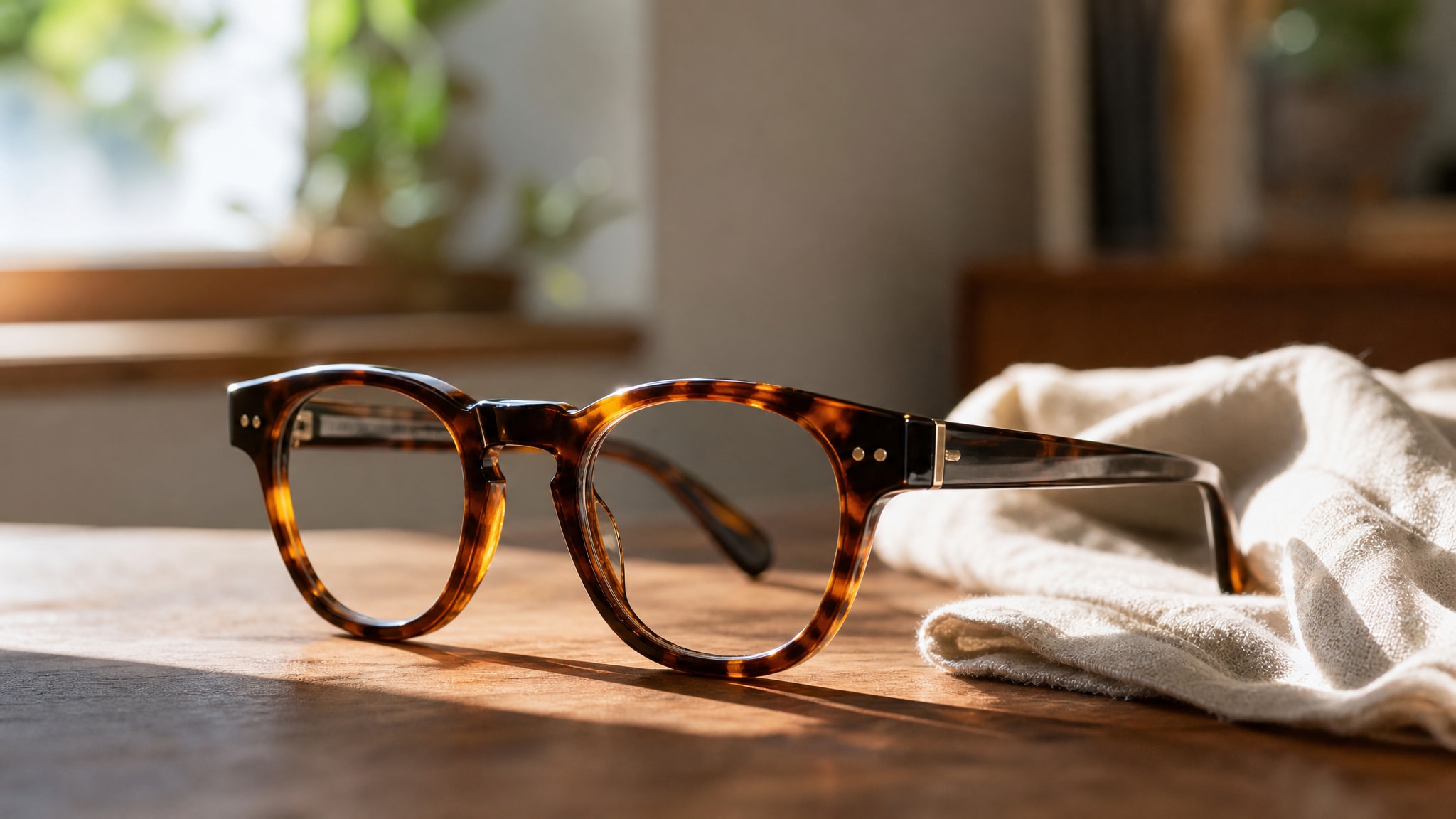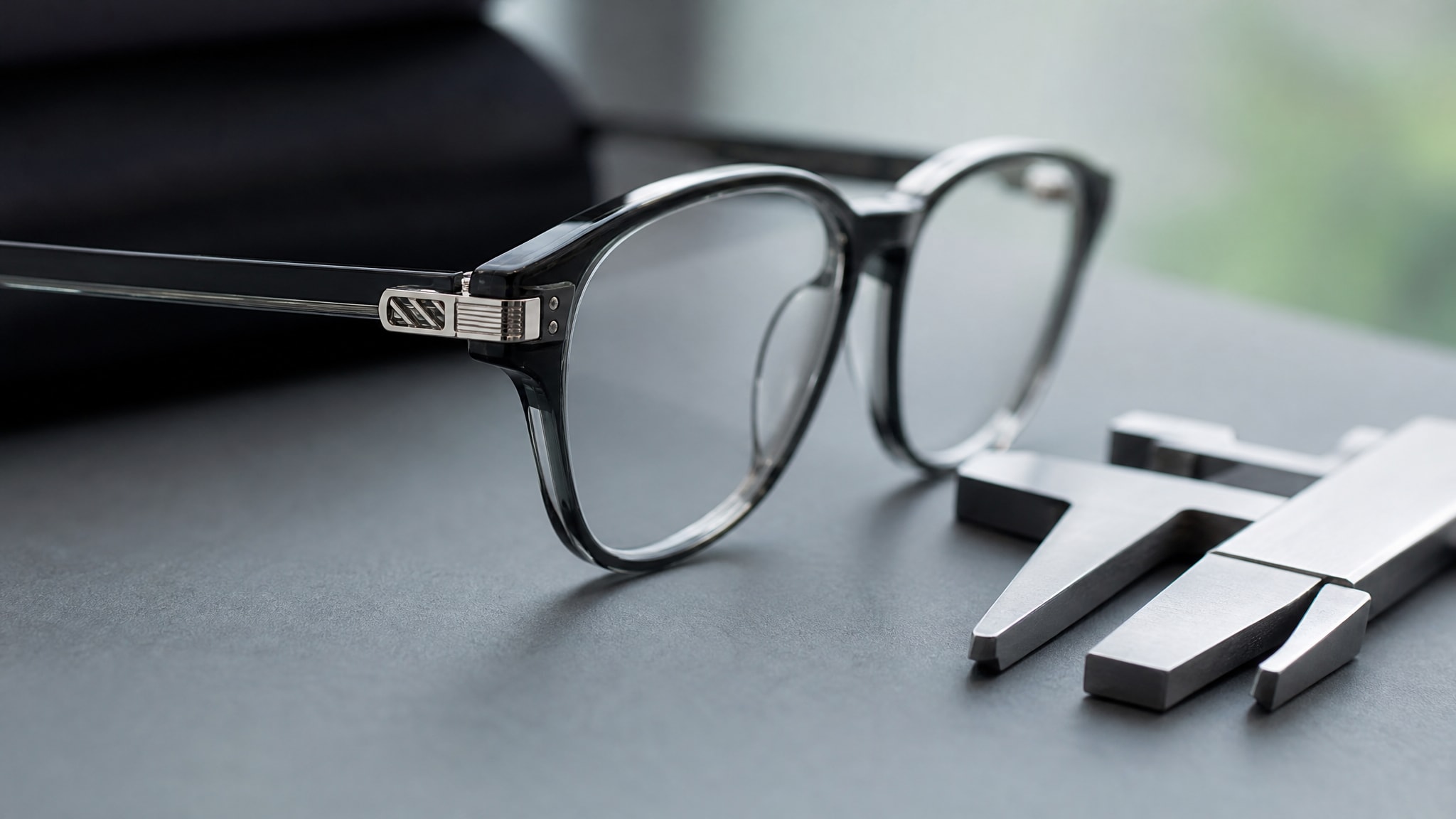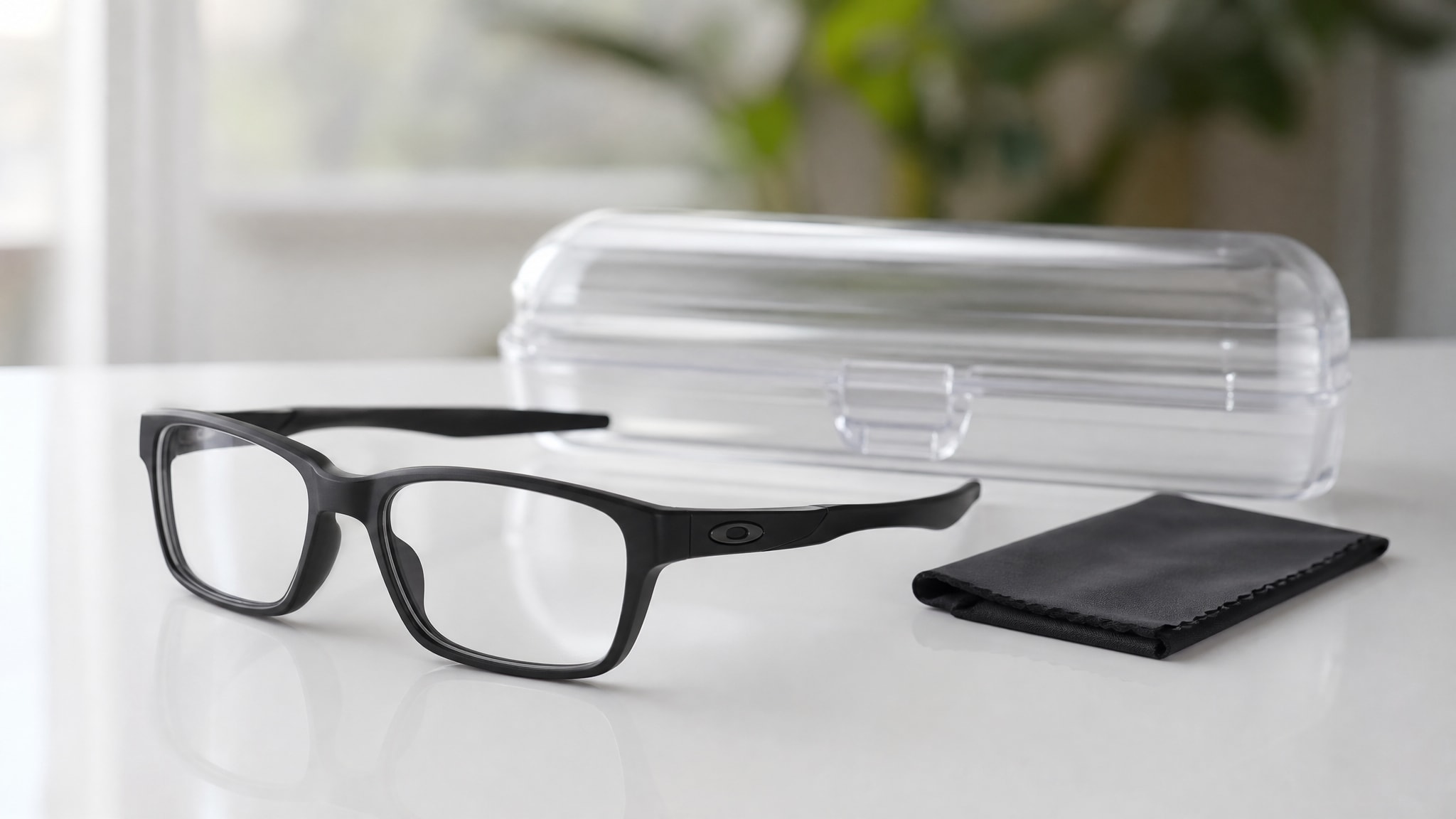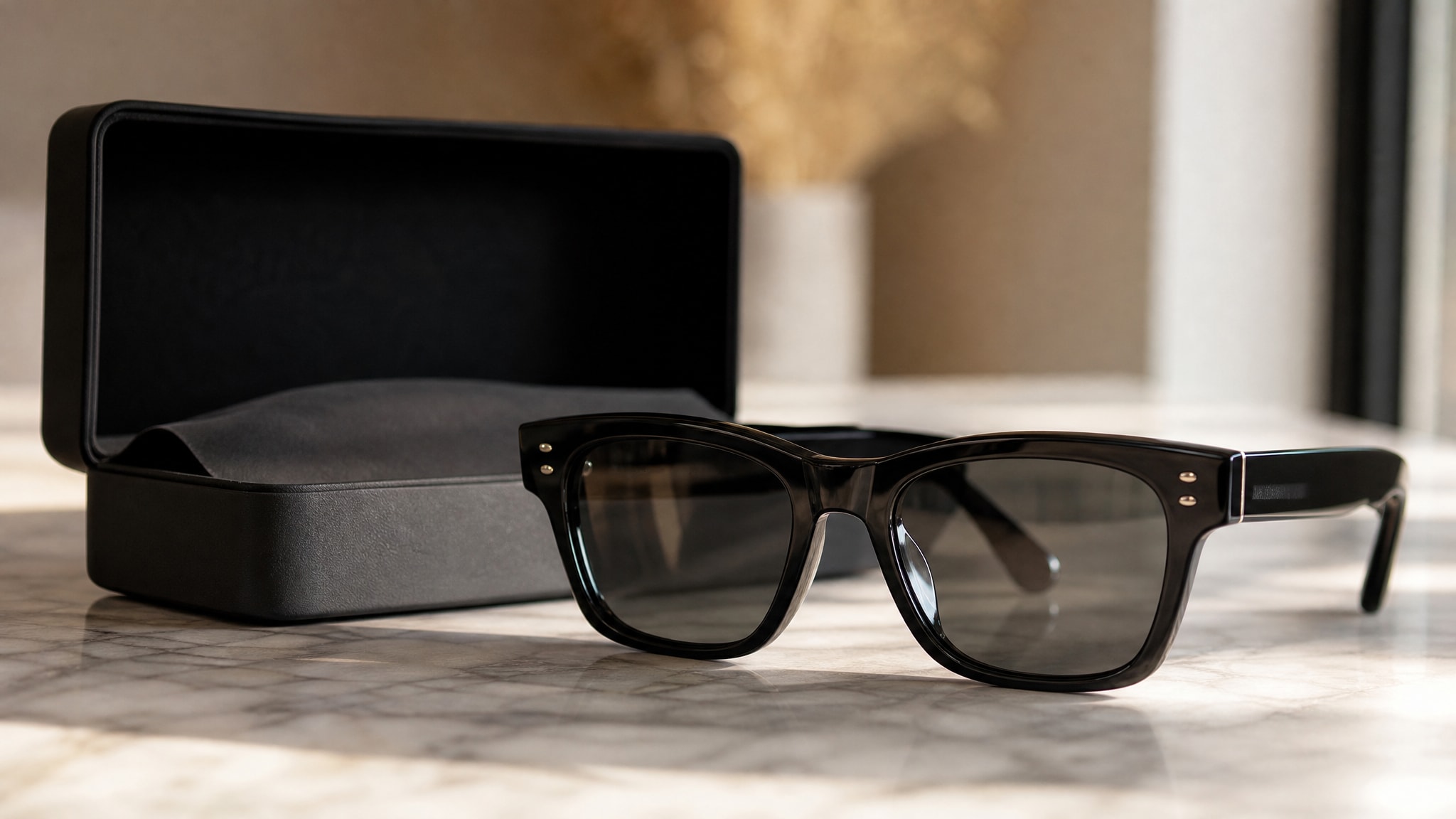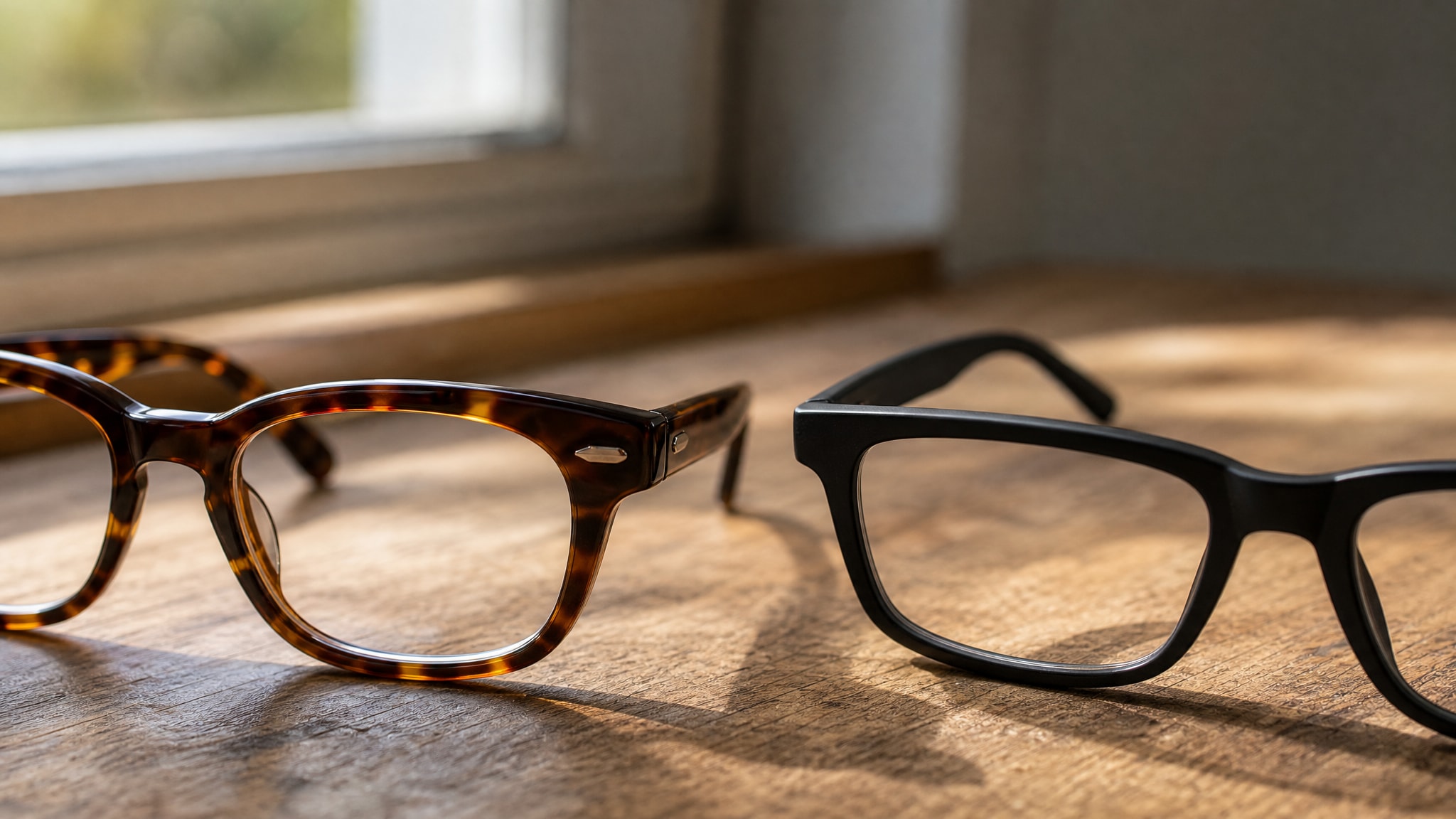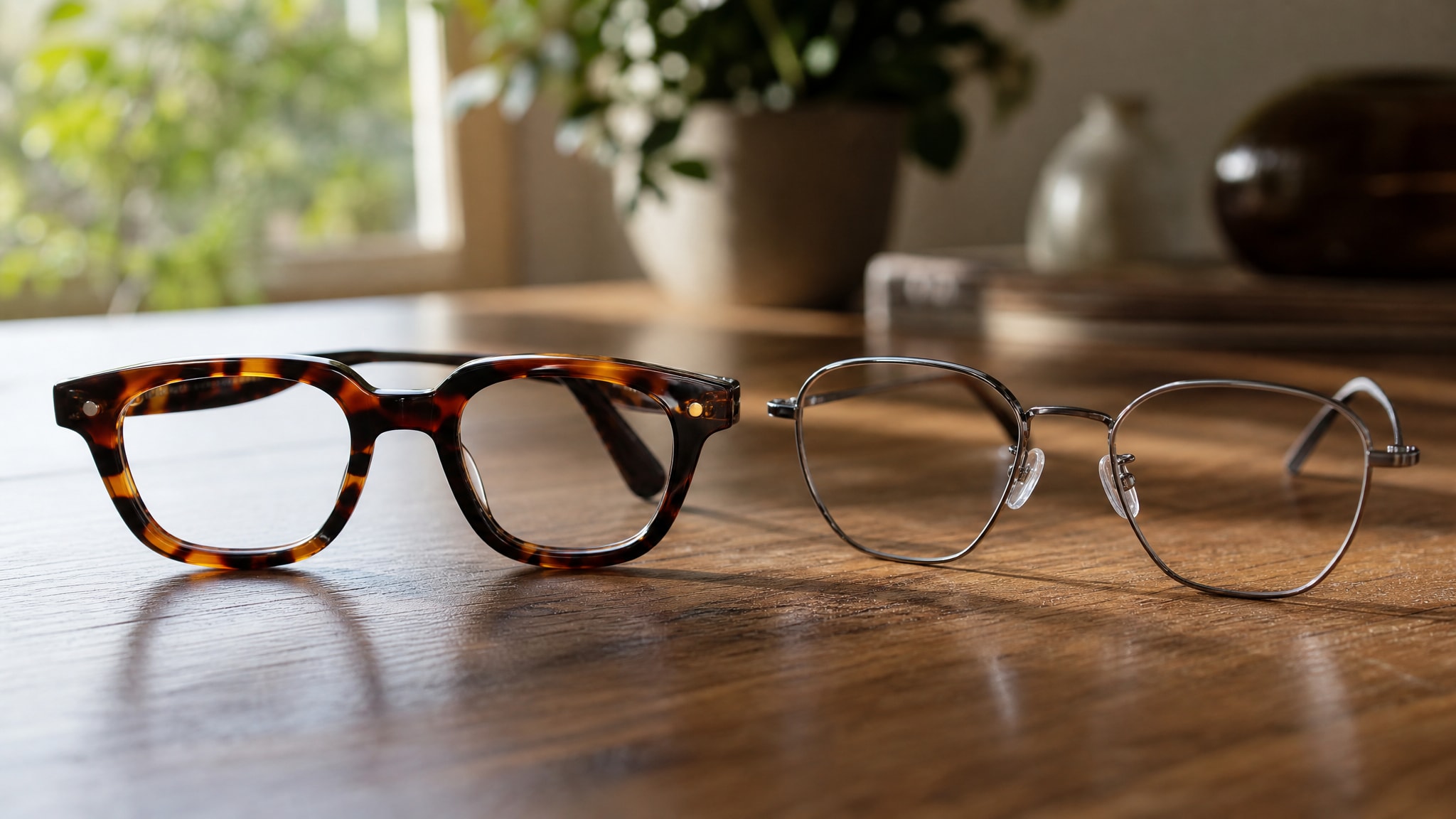
If you’ve been searching for previous season glasses frames in Australia, you’ve likely hit a wall of vague discount sites and secondhand listings. None of them clearly answer the obvious question: are these frames actually new? The answer, when you’re shopping through the right channel, is yes, new, unworn, and from brands you recognise, just superseded by a newer collection.
Previous season glasses frames are manufactured by established optical brands, held as genuine stock by optometrists or distributors, and never worn by anyone. The only reason they’re available at a lower price is that the brand has since released a newer collection, making these frames “prior season” by catalogue definition, not by condition.
They are not refurbished. They are not ex-display in the sense of having been worn. They are not clearance-grade rejects. They are simply frames that a practice or distributor needs to move on from.
“New old stock” (NOS) is a term used across retail industries, automotive, electronics, fashion, to describe unused merchandise that pre-dates current inventory. In optical, it means a frame that has sat in a drawer or display case, may have been tried on over a customer’s own glasses, but has never been dispensed, fitted, or glazed.
Secondhand glasses frames are different entirely. They’ve been worn, adjusted, and often fitted with lenses for a specific prescription. Buying secondhand means buying someone else’s wear and tear.
Prior-season optical frames are NOS. That distinction matters for condition, hygiene, and longevity.
The full retail price of a frame reflects its position in the market at launch, when it’s new-to-collection and demand is highest. Once a brand releases its next season range, the prior frames don’t become lower quality. They become lower priority for the practice holding them.
A frame from a well-known European optical brand retailing at full price through an optometrist in 2025 may appear on a prior-season marketplace in 2026 at a fraction of that price, same frame, same quality, different season label.
Major optical brands typically release new collections twice a year. That cadence is fast, and it means prior-season stock accumulates across the supply chain quickly, at the distributor level, at the individual practice level, and sometimes at buying group level.
Optometrists and frame distributors regularly clear prior-season stock at reduced margins rather than hold it indefinitely. The commercial logic is straightforward: warehouse space and cash flow matter more than defending the retail price of a discontinued line.
Optical practices routinely retire frame ranges when a brand releases its new-season collection, leaving perfectly unworn stock sitting in display drawers. Prior-season marketplaces exist to move this inventory, connecting sellers who need to clear stock with buyers who want quality frames at a better price.
The same labels stocked in high-street optical practices appear as prior-season stock. These are not grey-market imports or obscure alternatives, they’re the established brand-name frames that Australians already know from their optometrist visits.
European designer eyewear brands, performance sports eyewear labels, and well-regarded independent optical brands all cycle through the prior-season pipeline regularly. The brand credibility is unchanged. The craftsmanship is unchanged. The only difference is that a newer season has launched since these frames were first catalogued.
For buyers who want a recognisable brand name without the full retail premium, prior-season stock is the clearest route. You’re not compromising on the brand, you’re buying last season’s collection rather than this season’s.
For trade sellers, this also means your surplus stock retains genuine value in the resale market. Buyers are actively searching for these brands.
Buying discounted glasses frames in Australia doesn’t require taking a leap of faith, provided you know what to look for. The key is buying through a platform that sources stock exclusively from optical practices and authorised distributors, not from private individuals.
Last Seasons Eyewear lists only new, unworn frames. Every listing on the platform comes directly from optical practices or authorised distributors, not from private individuals reselling used goods. That supply-side discipline is what separates it from general resale marketplaces.
Before completing a purchase, look for:
If a listing doesn’t tell you where the stock came from, that’s worth querying before you buy.
Last Seasons Eyewear offers free Australia-wide shipping on orders. That removes the usual hesitation around ordering frames online, if the fit isn’t right, the cost of return isn’t coming out of your pocket.
Free shipping applies across Australia, so whether you’re in Sydney, regional Queensland, or Western Australia, the delivered price is the listed price.
There are a few routes Australians typically try when searching for brand name glasses at a discount. It’s worth understanding what each actually delivers.
Secondhand resellers (eBay, Facebook Marketplace, local buy/swap groups) list used frames of unknown provenance. Condition is inconsistent, authenticity is unverifiable in many cases, and frames have been worn and adjusted. The price can be low, but so is the certainty.
End-of-line clearance sales at optical chains or online retailers do occasionally surface genuine discounts. But these are sporadic, brand selection is narrow, and availability is unpredictable. You’re shopping around a sale event, not a curated inventory.
Generic discount optical sites often sell frames at low price points by sourcing from lower-cost manufacturers, not by offering genuine brand-name prior-season stock. The price looks similar, but the product isn’t.
Prior-season marketplaces like Last Seasons Eyewear occupy a different position: new old stock, brand-name frames, sourced directly from trade sellers, with consistent availability. The value proposition is clear, you’re getting the quality without the current-season price premium.
For trade sellers, optometrists, distributors, buying groups, the marketplace model also makes more commercial sense than holding surplus stock or running an internal clearance. You list, it sells, and the cash flow improves.
Previous season glasses frames in Australia covers more than just prescription optical frames. The same prior-season dynamic plays out across sunglasses, brands release new sunglass collections on a similar cadence, and surplus stock from prior seasons moves into the same pipeline.
That means buyers can find:
For buyers, the breadth of stock means there’s genuine value across both categories. For optical practices or distributors sitting on prior-season sun inventory as well as optical frames, it’s worth listing all of it.
Whether you’re buying for yourself or looking to move surplus trade stock, browse the current listings at Last Seasons Eyewear, or, if you’re a practice or distributor with frames to clear, the seller channel is straightforward to use and reaches buyers who are actively looking for exactly what you have.