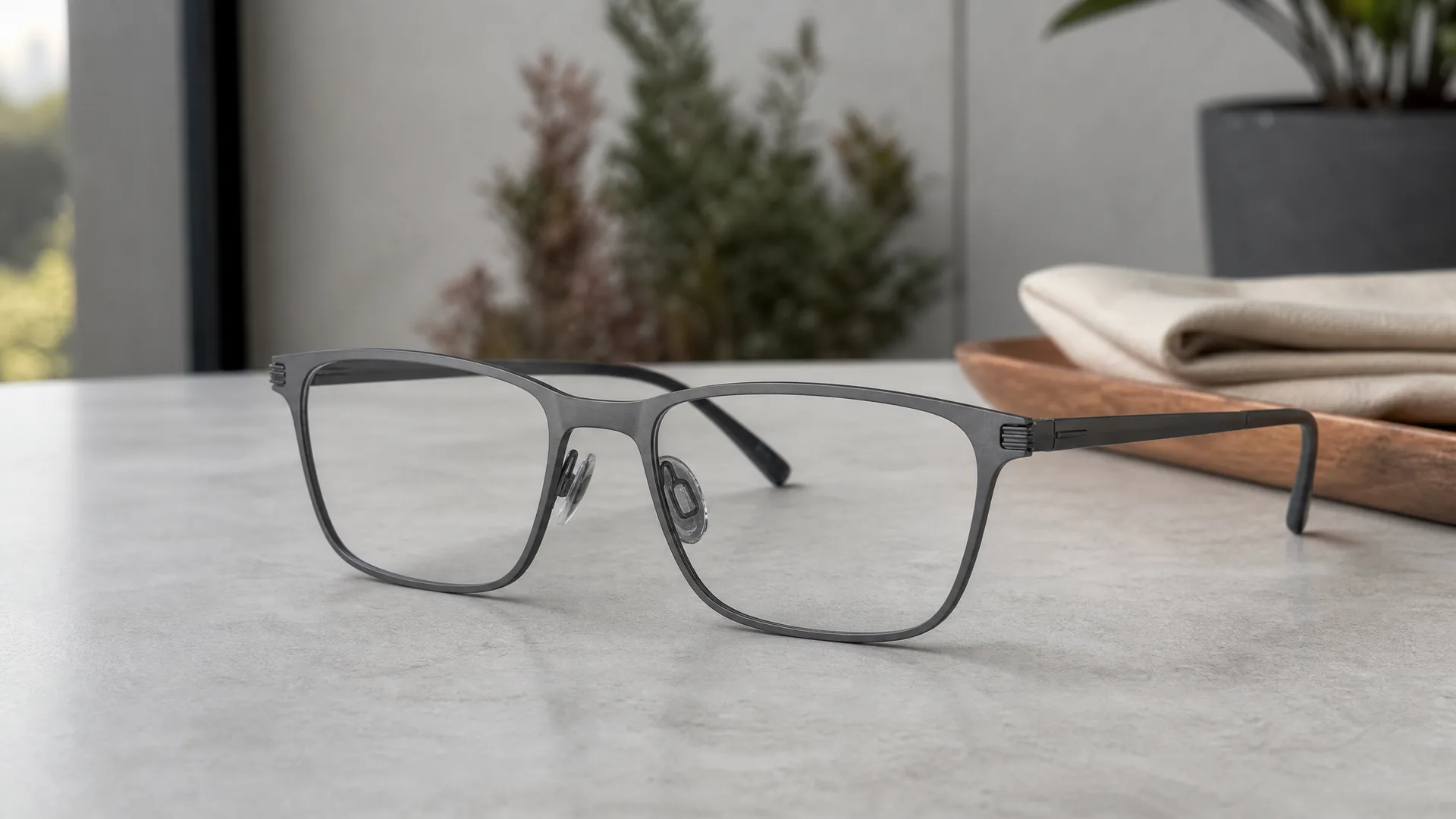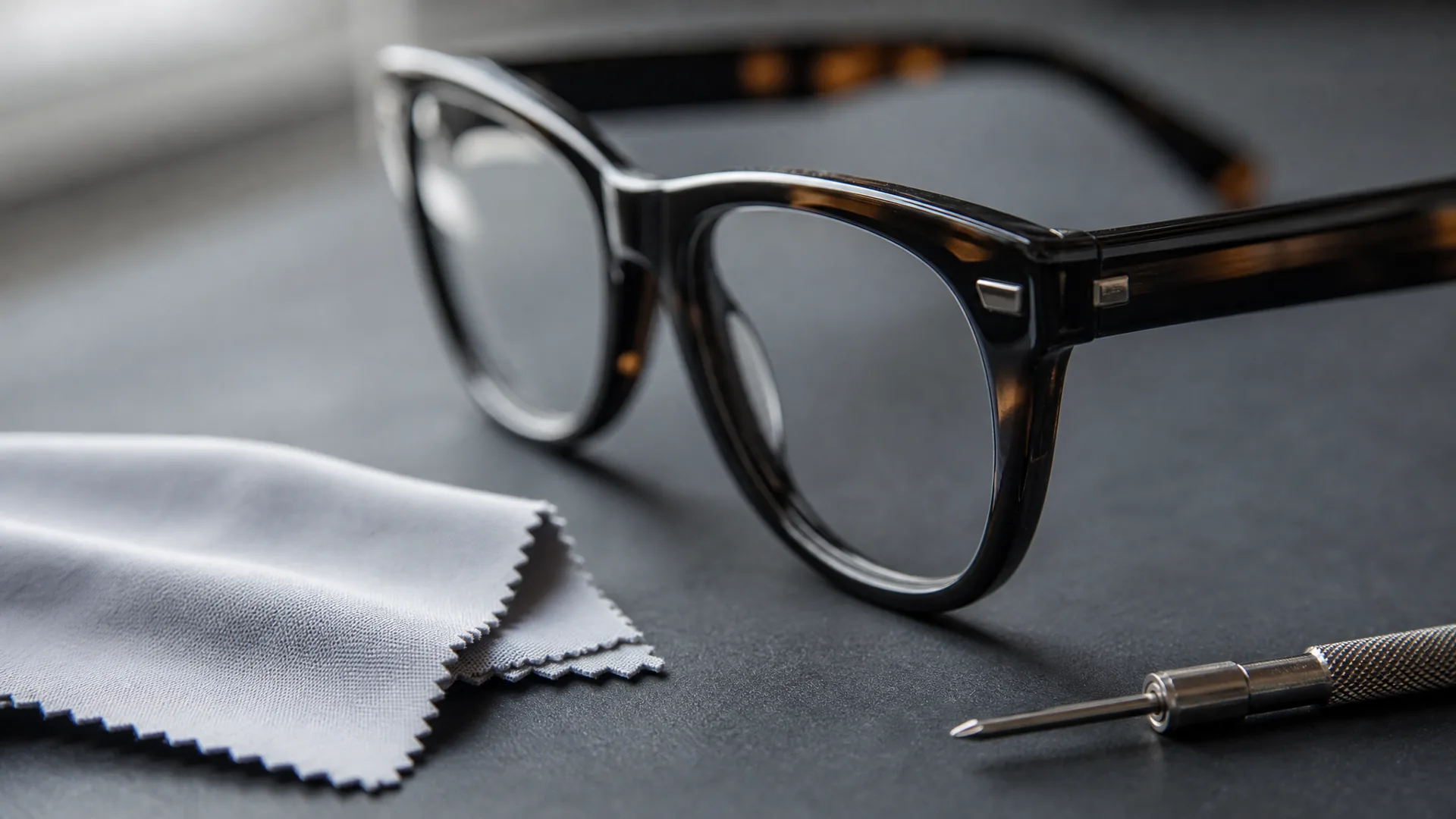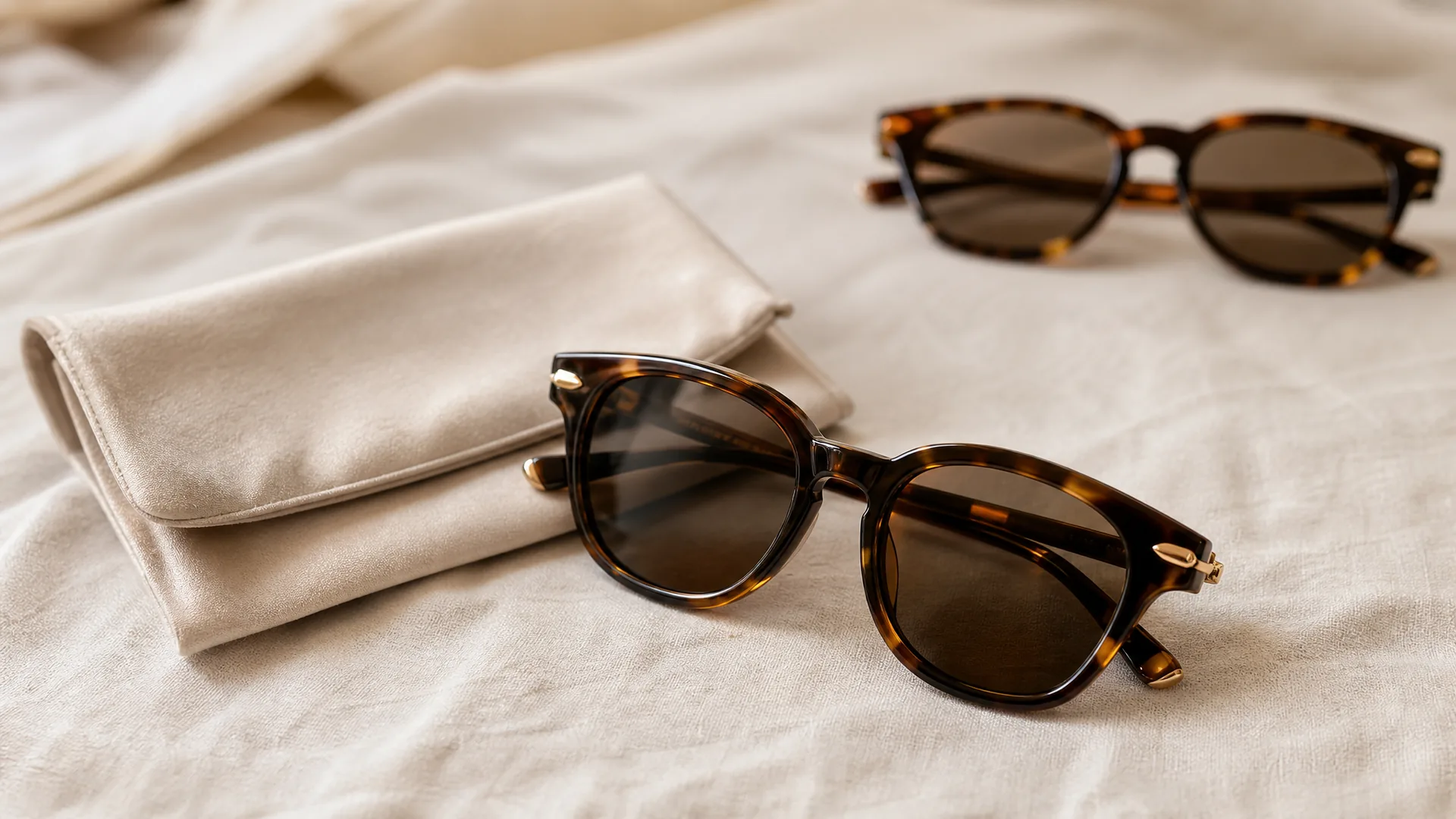
If you’ve come across prior-season eyewear and wondered whether it’s genuinely worth buying, you’re not alone. The most common question buyers ask is: are previous season glasses frames good quality, or is there a catch? The short answer is no catch, but understanding why takes a bit of context about how the optical industry actually works.
Optical brands release new frame collections on a seasonal cycle, typically once or twice a year. When a new collection lands, retailers and distributors need to clear space on their display boards. Frames from the previous collection get displaced, not because anything is wrong with them, but because the industry moves on a calendar, not a quality timeline.
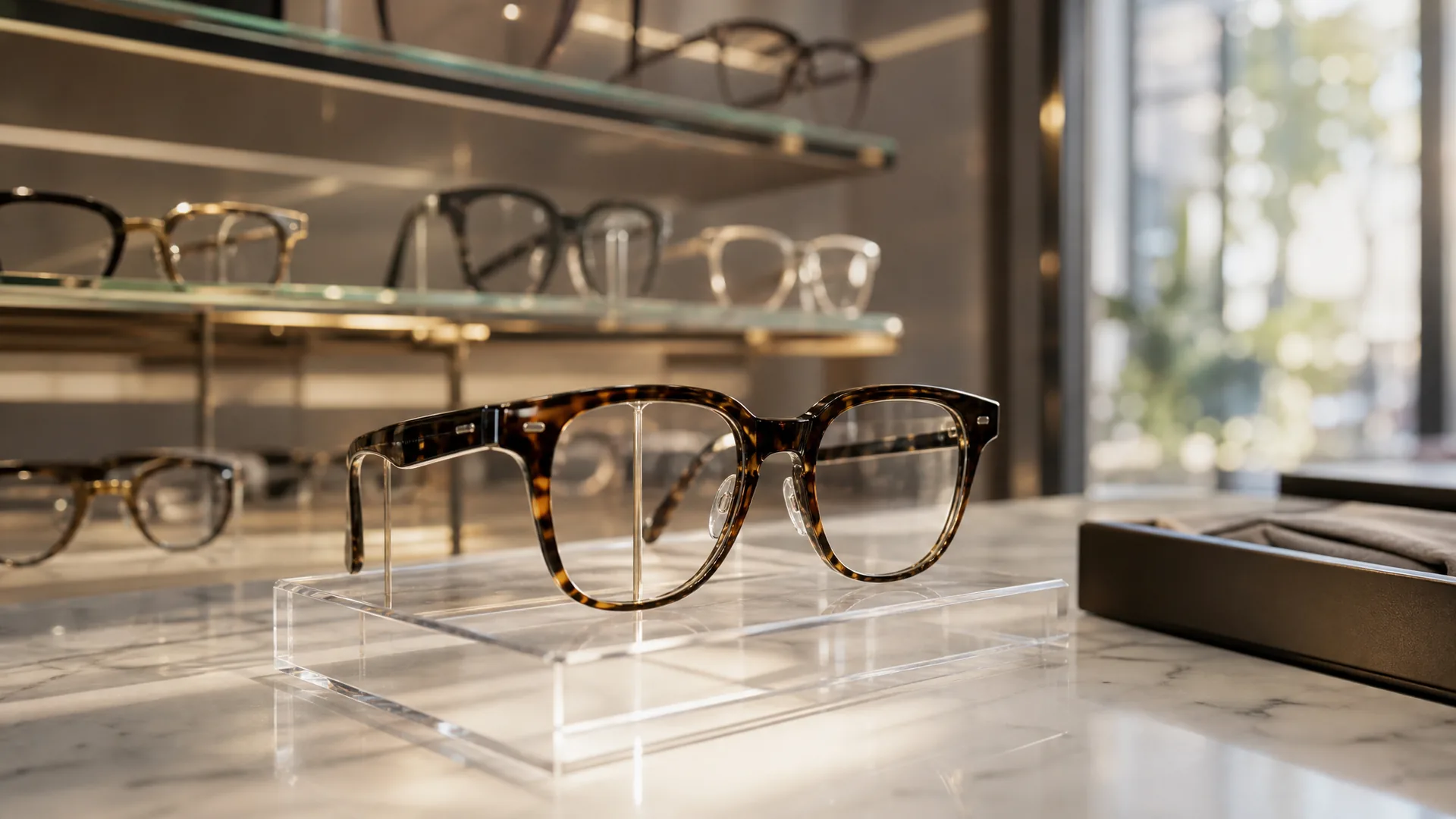
These displaced frames are what the trade calls new old stock (NOS), manufactured to full specification, distributed through normal channels, and never sold to a consumer. They haven’t been worn, adjusted, or fitted. They leave the display case in the same condition they arrived.
This is the distinction that matters most. Prior-season frames are unworn frames that have been superseded by a new release. Secondhand glasses are frames that a previous owner has worn, adjusted, and returned to the resale market.
These are not the same product. New old stock eyewear sits in original condition, no nose pad wear, no temple stretching, no lens scratches (or lens slots that have been used). Understanding this difference is the foundation for evaluating any prior-season purchase.
No. The model year of a frame has no bearing on its structural quality. Optical frames are not consumer electronics, there is no firmware, no battery degradation, and no built-in obsolescence in the materials.
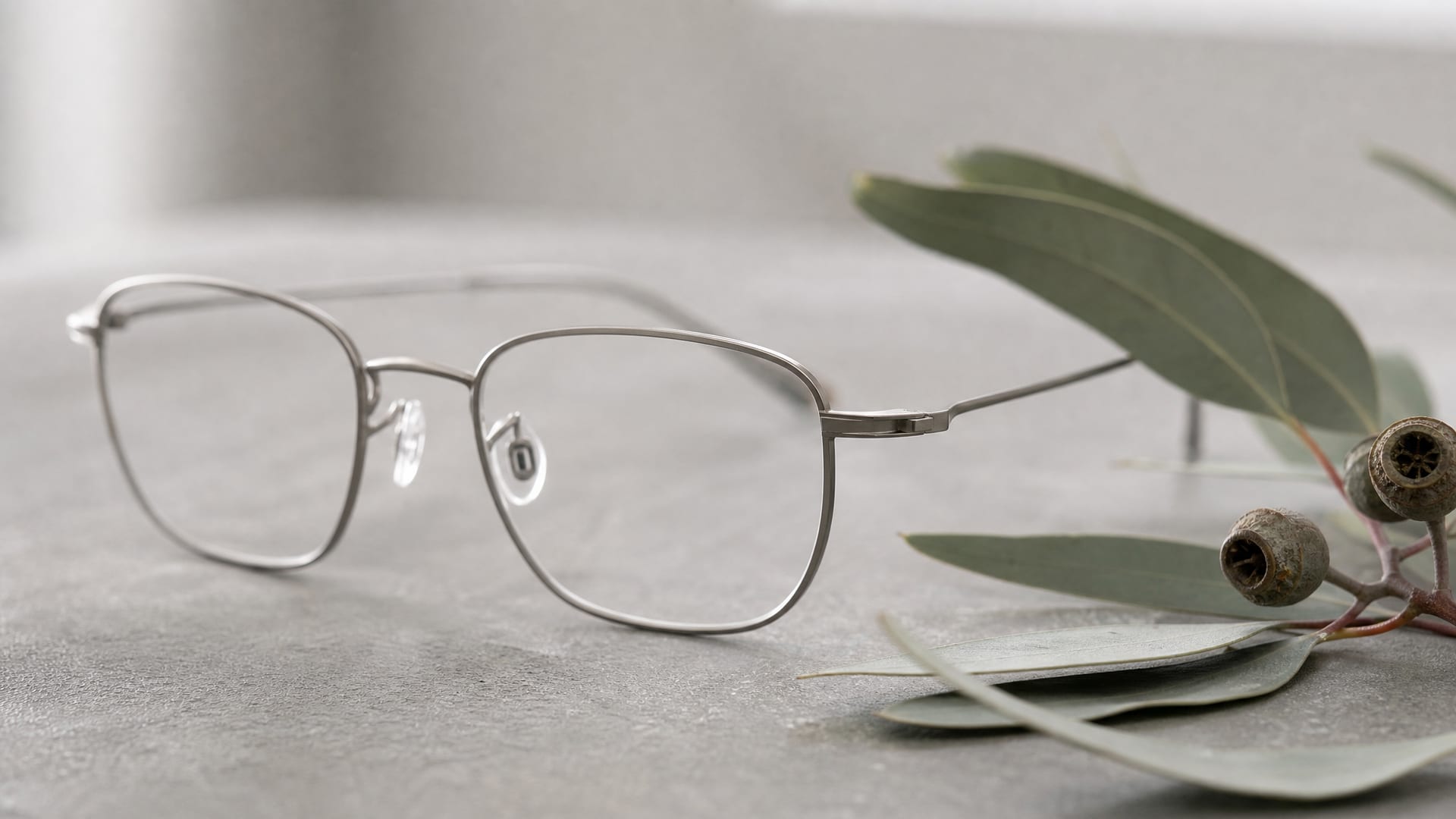
Quality optical frames are typically constructed from acetate, titanium, stainless steel, or a combination of these materials. Acetate and titanium, the two most common materials in quality optical frames, do not degrade meaningfully when stored correctly. A frame produced two seasons ago retains the same structural integrity as one produced this month.
The manufacturing standards that apply to a frame on release day still apply to that same frame sitting in a distributor’s stockroom a year later. Hinges, spring mechanisms, and lens retention systems are engineered for years of daily wear. Sitting unused in controlled storage doesn’t change that.
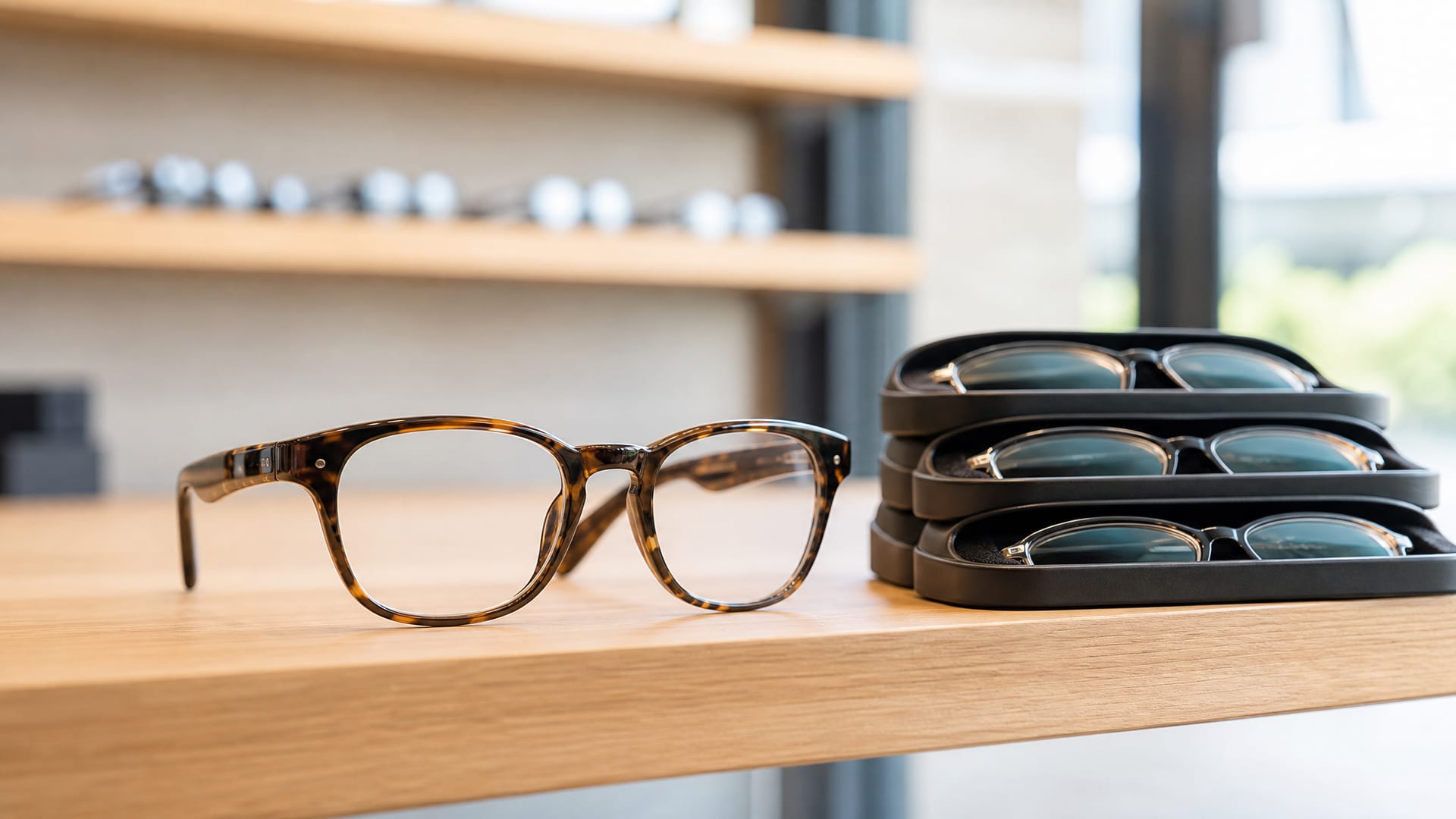
Reputable suppliers store surplus optical frames in their original packaging or on padded display boards, away from direct sunlight and humidity. This is standard practice for any business holding inventory, frames are a considered asset, not disposables.
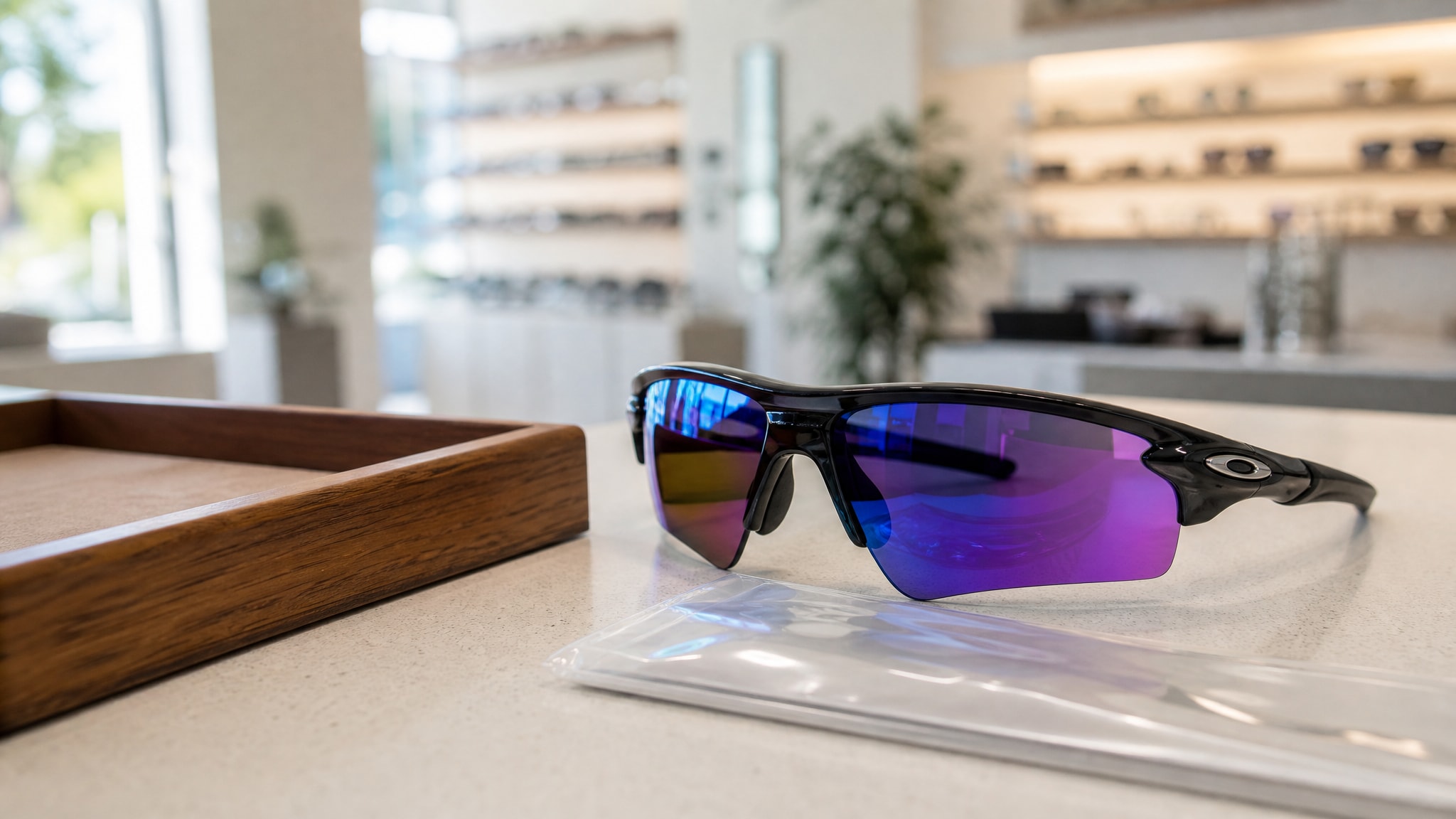
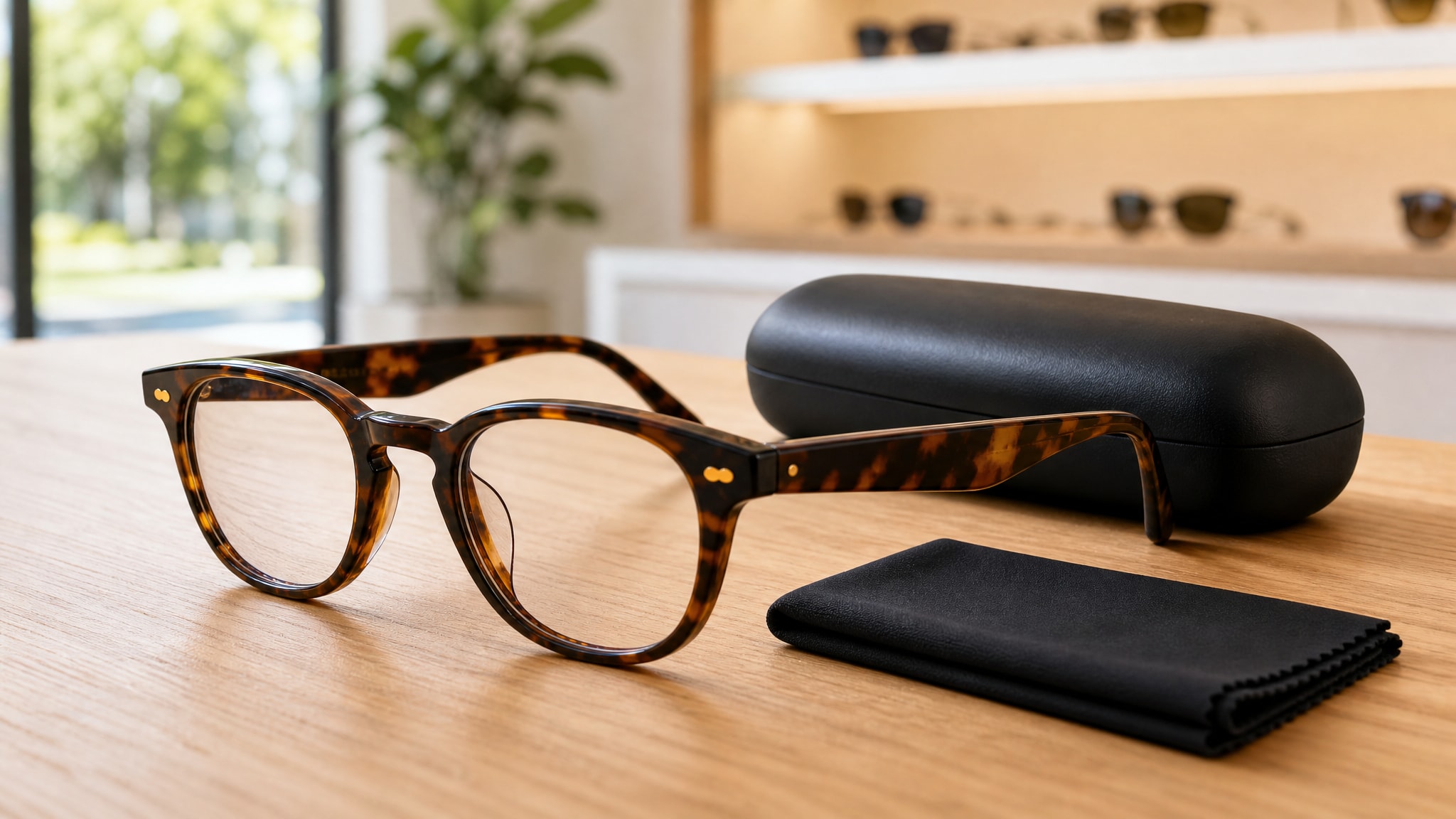
When prior-season stock comes from Australian distributors or optical practices clearing their boards, it typically arrives in new and unworn condition: original cases, cleaning cloths, and manufacturer packaging intact. The condition description “new and unworn” is literal, not marketing language.
Worth being direct here, because the confusion causes genuine buyer hesitation. Last season glasses are not pre-owned glasses. They have not been worn by another person, and they carry none of the hygiene or fit concerns that come with secondhand eyewear.
Secondhand glasses have a usage history. That history can include nose pad compression, temple spread from repeated wear, surface wear at contact points, and lens replacement that affects how the frame sits. None of that applies to prior-season new old stock.
Warranty implications also differ. Frames sourced directly from authorised distributors or optical practices are authentic brand products, not grey-market or diverted stock. That matters for any manufacturer warranty that attaches to the frame itself.
The resale chain is also different. Previous season stock moves from brand distributor to optical practice to clearance, a short, traceable chain. Secondhand eyewear moves through private sellers, online marketplaces, or consignment, with no consistent condition verification at any point.
The discount on prior-season frames reflects inventory economics, not a quality downgrade. That distinction matters for value-savvy buyers.
Optical distributors and practices pay for every square metre of display space. When a new collection arrives, prior-season stock stops earning its keep on the board, it’s not generating sales, and it’s tying up capital that could be reinvested in the new range. Clearing it quickly at a discount makes straightforward business sense.
The same dynamic applies across almost every seasonal retail category. The price drops because the seller’s priority has shifted, not because the product has changed.
Major optical brands, including names stocked by Australian distributors and practices, release new frame collections seasonally, routinely displacing perfectly intact prior-season models from display cases regardless of their condition. Optometrists typically update their frame boards one to two times per year to reflect new brand releases. This creates a regular, predictable flow of unworn stock that exits practices in original condition.
That stock needs somewhere to go. Specialist clearance channels, rather than general secondhand marketplaces, are the right destination, because they can accurately represent condition, verify authenticity, and present the frames to buyers who understand what prior-season means. You can read more about how surplus optical frames reach the market if you’re interested in the supply-side detail.
For Australian buyers purchasing prior-season eyewear online, a few practical signals separate a reliable purchase from a risky one.
Brand authenticity is the first check. Frames should come from verifiable distributor or practice sources, not anonymous private sellers. If the seller can’t explain where their stock originates, that’s a meaningful gap.
Condition descriptions should be specific. “New and unworn” is a verifiable claim, it means original packaging, no adjustment marks, and no wear on contact surfaces. Vague descriptions like “good condition” or “barely used” suggest the seller is describing secondhand stock using softer language.
Return policies matter more when you can’t handle a frame before buying. A clear, no-fault return window lets you verify fit and condition on receipt without risk.
For domestic buyers, free Australia-wide shipping removes the last friction point from an otherwise straightforward transaction. It means the price you see is the price you pay, useful when you’re comparing prior-season frames against full-price retail.
At Last Seasons Eyewear, every frame listed comes directly from Australian distributors or optical practices clearing surplus stock, not from private sellers or pre-owned sources. That sourcing model is why condition is consistently described as new and unworn. You can browse previous season glasses frames available in Australia to see current stock across a range of brands and styles.
Yes, provided you’re buying from a reputable source that accurately describes condition and verifies provenance.
The facts are straightforward. Prior-season frames are new and unworn. The materials, acetate, titanium, stainless steel, do not degrade in storage. The manufacturing quality is identical to current-season equivalents from the same brand. The discount exists because of inventory turnover pressure, not because anything is wrong with the product.
For buyers in 2026 looking to access recognised optical brands at lower prices, previous season frames are a practical and well-understood option. The quality holds up. The only real question is whether the style suits you, which is exactly the same question you’d ask of any frame at full price.