How to Sell Surplus Optical Frames: A Guide

How to Sell Surplus Optical Frames: A Guide

July 11, 2026

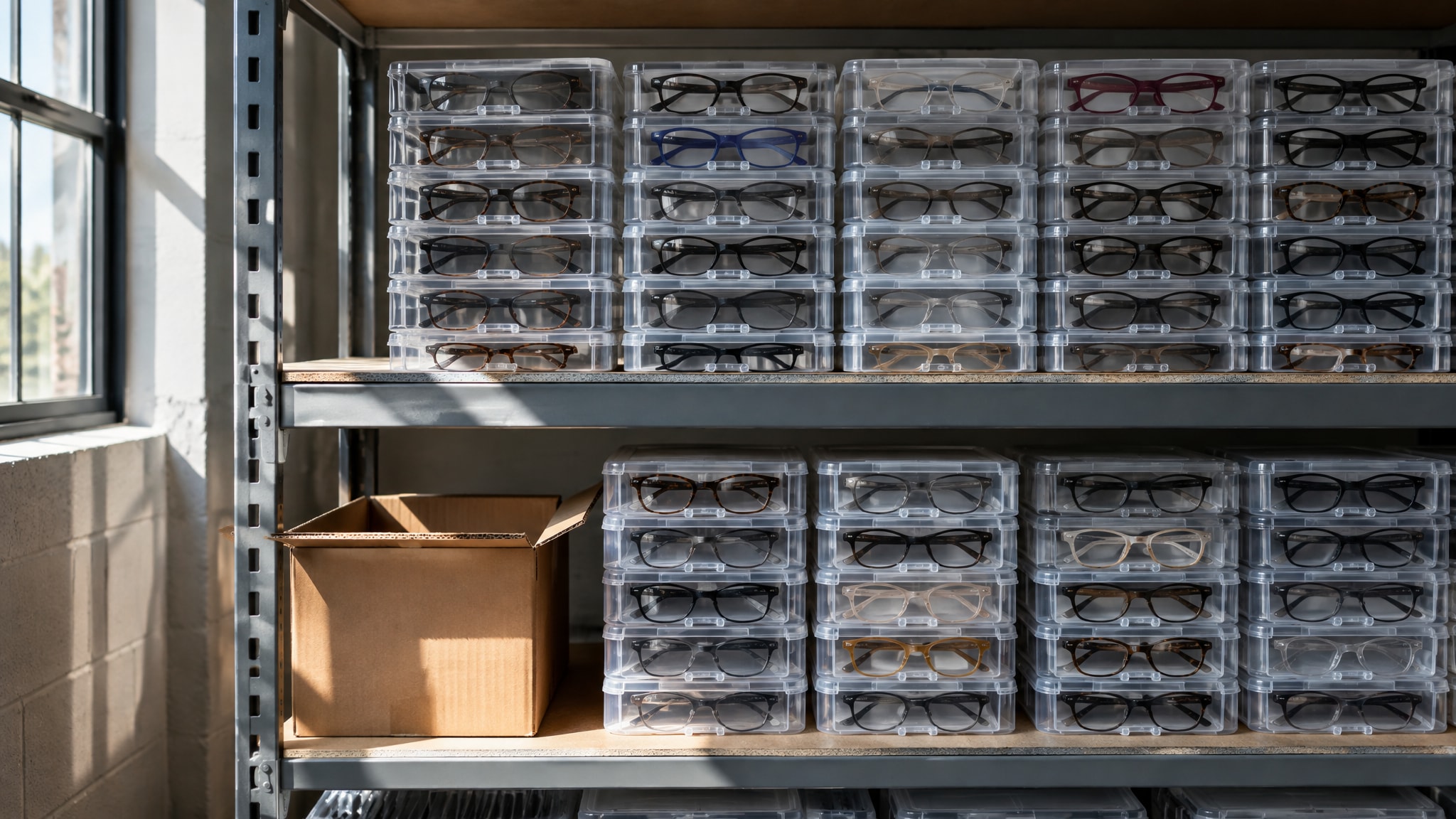
If you’re an Australian optometrist or optical distributor, surplus frame stock is an occupational reality. Brands release new collections on tight cycles, buying decisions get made months in advance, and the result is prior-season inventory sitting in stock drawers, new, unworn, and earning nothing. Knowing how to sell surplus optical frames efficiently is one of the more practical things you can do for your practice’s cash flow and storage capacity.

Why Surplus Optical Frame Stock Builds Up (and Why It Matters)

Optical frame collections typically rotate on an annual or bi-annual cycle. Stock purchased in one buying season can become “prior-season” within twelve months, regardless of whether it has been worn or even displayed. That’s the nature of the industry.

A practice carrying three or four frame brands across two or more seasons can easily accumulate dozens of prior-season units sitting in stock drawers. The stock is new and unworn, but it’s no longer displayed and therefore generating no revenue. Multiply that across a year or two of buying cycles and the problem compounds quickly.

Tied-up capital is the core issue. Every frame sitting unsold represents money that can’t be reinvested in new stock, equipment, or staffing. Storage pressure is a secondary concern, display space is finite, and prior-season frames occupying it displace current-collection revenue. The longer stock sits, the harder it becomes to move, because the gap between it and current-season product widens in the buyer’s mind, even if the frames themselves are in perfect condition.

Distributors face the same dynamic. When a brand retires a model mid-year or replaces a colour run, distributors often hold end-of-line stock that is perfectly current in quality but no longer orderable. A surplus channel becomes the most efficient exit route.

Know What You Have: Auditing Your Optical Practice Stock

Before you can sell old optical stock, you need a clear picture of what you’re actually holding. A basic audit doesn’t need to be complicated, a spreadsheet works fine.

Categorising Discontinued Frames vs. Prior-Season Stock

These two categories look similar on a shelf but behave differently in the resale market.

Prior-season stock refers to frames that were part of an active collection but have since been superseded by a newer season. The brand still exists, the model may still be recognisable, and the frame is new and unworn. This is your highest-value surplus category.

Discontinued frames are models the brand has retired entirely, no longer in production and no longer orderable. They can still carry resale value, particularly if the brand is well-regarded, but buyers may be harder to find because there’s no ongoing demand signal from retail.

Understanding how previous-season frames differ from secondhand stock matters here. Prior-season new frames are not used goods, they haven’t been worn, adjusted, or fitted to a patient. That distinction directly affects what a buyer will pay.

Sort your audit by brand, collection year, and condition. Flag anything that’s been a display model separately, light handling or minor surface marks need to be noted honestly.

Assessing Condition and Resale Value

Condition and brand recognition are the two biggest drivers of what surplus stock is worth to a buyer.

New-and-unworn frames in original packaging command the strongest prices. Display frames with minor wear, small scratches, hinge looseness, are still sellable but need accurate condition notes. Frames with significant damage are rarely worth listing individually.

Brand matters because buyers use it as a quality and authenticity shortcut. Established optical brands carry more inherent confidence for a buyer than unfamiliar private-label stock, regardless of which channel you’re selling through.

Your Options for Optical Frame Clearance

There’s no single right channel for optical frame clearance. The best option depends on your volume, timeline, and how much effort you can put into the process.

In-Practice Clearance Sales and Discounting

Running a clearance promotion in-practice is the most familiar option. You mark down prior-season frames, promote them to existing patients, and recover some margin directly. The upside is simplicity and no third-party involvement. The downside is limited reach, your patient base is finite, and not everyone is in the market for a new frame at the moment you’re clearing stock.

In-practice discounting also tends to compress margins significantly. To move stock quickly, prices often need to drop far enough that the return is modest relative to the original wholesale cost.

Returning stock to brand representatives is another route some practices attempt, but most suppliers don’t offer this as a standard arrangement, and terms vary widely.

Selling Through an Online Surplus Marketplace

A specialist optical surplus marketplace connects your stock with buyers who are actively searching for prior-season frames at reduced prices. That’s a fundamentally different buyer intent from someone scrolling through a general classifieds site.

Generic platforms like Facebook Marketplace or Gumtree reach a broad audience, but optical frames are a niche product. Buyers on those platforms are rarely equipped to evaluate brand, model, or frame measurements, which slows the process and often results in lower prices or abandoned sales.

A dedicated marketplace serving the optical sector attracts buyers, individual consumers, smaller practices, students, who understand the product and are specifically looking for previous-season optical frames in Australia at competitive prices. That targeted demand is what makes specialist channels worth considering over bulk liquidation, which typically returns the lowest per-unit value of any option.

How to Sell Old Optical Stock Through a Specialist Marketplace

Once you’ve decided on a channel, the listing process itself determines how quickly your stock moves and at what price.

What Information Buyers Need to Purchase Confidently

Buyers of prior-season stock are deal-savvy. They’re not impulse purchasers, they’re comparing options and making considered decisions. Vague listings lose them immediately.

For each frame, provide:

  • Brand and model name, exactly as it appears on the frame or in the brand catalogue
  • Colour code, the specific colour reference, not just “brown tortoise”
  • Frame measurements, eye size, bridge width, and temple length in millimetres (e.g. 52-18-145)
  • Condition, new and unworn, display model, or any specific notes on wear
  • Original RRP, gives the buyer a reference point for evaluating the deal

Photography matters. Clean, well-lit shots against a neutral background, front-on and three-quarter angle, communicate condition better than any description. Use natural light where possible and avoid cluttered backgrounds.

Pricing prior-season stock relative to RRP is straightforward in principle: buyers expect a meaningful discount from the original price, and that discount increases the further the stock is from the current season. A frame from the prior season in perfect condition might sit at 40–60% below RRP; older stock or display frames will typically need to be priced lower to move. The specific number depends on the brand and current demand, but anchoring to RRP gives both seller and buyer a shared reference.

Accurate specs and honest condition statements matter more here than marketing language. Write what it is, not what you hope it sounds like.

Optometrist Stock Management: Preventing Surplus Before It Starts

Reactive clearance fixes an existing problem. Good stock management prevents it from building up in the first place.

Practices that track frame turnover by brand and collection year consistently catch slow movers earlier. A frame identified as slow early in a buying cycle is far easier to sell than one held until the next season’s catalogue drops. By that point, the new collection has arrived, display space pressure has doubled, and the resale window has narrowed.

Practical steps worth building into your buying cycle:

  • Buy tighter on new introductions. Order conservative quantities on first-season buys from a new brand or collection. Reorder if it performs.
  • Review turnover quarterly, not annually. A frame that hasn’t moved in three months in an active practice is a slow mover, flag it early.
  • Build a clearance plan into each new season. Before the next collection arrives, decide what prior-season stock will be cleared and through which channel. Don’t wait until the new frames are on the desk.

These habits don’t eliminate surplus stock, the seasonal cycle makes some accumulation inevitable, but they keep it manageable.

Getting the Most Value When You Sell Surplus Frames

Timing is the most underrated lever. Listing prior-season stock early in the new season, before the gap between “prior-season” and “current” becomes too obvious to buyers, consistently produces better results than listing at season’s end when your own new stock has already arrived.

The key factors that affect the value you recover:

  • Timing: List early. The longer stock sits, the wider the perceived gap from the current collection becomes.
  • Presentation: Clean photography and accurate descriptions build buyer confidence. Poor-quality listings attract lowball offers or no offers at all.
  • Pricing: Anchor to RRP. A clear, honest discount relative to the original retail price is what makes surplus stock attractive, and it keeps the transaction straightforward.
  • Channel: Choose a platform with genuine buyer demand in the optical category. A specialist marketplace delivers targeted traffic that generic classifieds can’t match.

Last Seasons Eyewear lists prior-season optical frames from established brands, new and unworn, at prices well below original RRP, connecting Australian and New Zealand practices and distributors directly with deal-savvy buyers. If you’re holding prior-season or discontinued frame stock and want a direct, targeted channel to recover value from it, listing on Last Seasons is a practical next step. Visit lastseasons.com.au to find out how to list your surplus stock.

Related Blogs

Previous Season Glasses Frames Quality: Are They Worth It?

Previous Season Glasses Frames Quality: Are They Worth It?

July 23, 2026

If you’ve come across prior-season eyewear and wondered whether it’s genuinely worth buying, you’re not alone. The most common question buyers ask is: are previous season glasses frames good quality, or is there a catch? The short answer is no catch, but understanding why takes a bit of context about how the optical industry actually works.

What ‘Previous Season’ Actually Means in Eyewear

Optical brands release new frame collections on a seasonal cycle, typically once or twice a year. When a new collection lands, retailers and distributors need to clear space on their display boards. Frames from the previous collection get displaced, not because anything is wrong with them, but because the industry moves on a calendar, not a quality timeline.

These displaced frames are what the trade calls new old stock (NOS), manufactured to full specification, distributed through normal channels, and never sold to a consumer. They haven’t been worn, adjusted, or fitted. They leave the display case in the same condition they arrived.

Prior-season frames vs. secondhand glasses: a clear distinction

This is the distinction that matters most. Prior-season frames are unworn frames that have been superseded by a new release. Secondhand glasses are frames that a previous owner has worn, adjusted, and returned to the resale market.

These are not the same product. New old stock eyewear sits in original condition, no nose pad wear, no temple stretching, no lens scratches (or lens slots that have been used). Understanding this difference is the foundation for evaluating any prior-season purchase.

Is the Quality of Prior Season Frames Compromised?

No. The model year of a frame has no bearing on its structural quality. Optical frames are not consumer electronics, there is no firmware, no battery degradation, and no built-in obsolescence in the materials.

How optical frames are made to last

Quality optical frames are typically constructed from acetate, titanium, stainless steel, or a combination of these materials. Acetate and titanium, the two most common materials in quality optical frames, do not degrade meaningfully when stored correctly. A frame produced two seasons ago retains the same structural integrity as one produced this month.

The manufacturing standards that apply to a frame on release day still apply to that same frame sitting in a distributor’s stockroom a year later. Hinges, spring mechanisms, and lens retention systems are engineered for years of daily wear. Sitting unused in controlled storage doesn’t change that.

Storage and condition: what to expect

Reputable suppliers store surplus optical frames in their original packaging or on padded display boards, away from direct sunlight and humidity. This is standard practice for any business holding inventory, frames are a considered asset, not disposables.

When prior-season stock comes from Australian distributors or optical practices clearing their boards, it typically arrives in new and unworn condition: original cases, cleaning cloths, and manufacturer packaging intact. The condition description “new and unworn” is literal, not marketing language.

Previous Season vs. Secondhand Glasses: Not the Same Thing

Worth being direct here, because the confusion causes genuine buyer hesitation. Last season glasses are not pre-owned glasses. They have not been worn by another person, and they carry none of the hygiene or fit concerns that come with secondhand eyewear.

Secondhand glasses have a usage history. That history can include nose pad compression, temple spread from repeated wear, surface wear at contact points, and lens replacement that affects how the frame sits. None of that applies to prior-season new old stock.

Warranty implications also differ. Frames sourced directly from authorised distributors or optical practices are authentic brand products, not grey-market or diverted stock. That matters for any manufacturer warranty that attaches to the frame itself.

The resale chain is also different. Previous season stock moves from brand distributor to optical practice to clearance, a short, traceable chain. Secondhand eyewear moves through private sellers, online marketplaces, or consignment, with no consistent condition verification at any point.

Why Top Optical Brands Sell Previous Season Stock at Lower Prices

The discount on prior-season frames reflects inventory economics, not a quality downgrade. That distinction matters for value-savvy buyers.

Optical distributors and practices pay for every square metre of display space. When a new collection arrives, prior-season stock stops earning its keep on the board, it’s not generating sales, and it’s tying up capital that could be reinvested in the new range. Clearing it quickly at a discount makes straightforward business sense.

The same dynamic applies across almost every seasonal retail category. The price drops because the seller’s priority has shifted, not because the product has changed.

How surplus frames reach the market

Major optical brands, including names stocked by Australian distributors and practices, release new frame collections seasonally, routinely displacing perfectly intact prior-season models from display cases regardless of their condition. Optometrists typically update their frame boards one to two times per year to reflect new brand releases. This creates a regular, predictable flow of unworn stock that exits practices in original condition.

That stock needs somewhere to go. Specialist clearance channels, rather than general secondhand marketplaces, are the right destination, because they can accurately represent condition, verify authenticity, and present the frames to buyers who understand what prior-season means. You can read more about how surplus optical frames reach the market if you’re interested in the supply-side detail.

Buying Previous Season Frames with Confidence in Australia

For Australian buyers purchasing prior-season eyewear online, a few practical signals separate a reliable purchase from a risky one.

Brand authenticity is the first check. Frames should come from verifiable distributor or practice sources, not anonymous private sellers. If the seller can’t explain where their stock originates, that’s a meaningful gap.

Condition descriptions should be specific. “New and unworn” is a verifiable claim, it means original packaging, no adjustment marks, and no wear on contact surfaces. Vague descriptions like “good condition” or “barely used” suggest the seller is describing secondhand stock using softer language.

Return policies matter more when you can’t handle a frame before buying. A clear, no-fault return window lets you verify fit and condition on receipt without risk.

Free shipping and what a good online buying experience looks like

For domestic buyers, free Australia-wide shipping removes the last friction point from an otherwise straightforward transaction. It means the price you see is the price you pay, useful when you’re comparing prior-season frames against full-price retail.

At Last Seasons Eyewear, every frame listed comes directly from Australian distributors or optical practices clearing surplus stock, not from private sellers or pre-owned sources. That sourcing model is why condition is consistently described as new and unworn. You can browse previous season glasses frames available in Australia to see current stock across a range of brands and styles.

Are Previous Season Glasses Frames Worth It? The Short Answer

Yes, provided you’re buying from a reputable source that accurately describes condition and verifies provenance.

The facts are straightforward. Prior-season frames are new and unworn. The materials, acetate, titanium, stainless steel, do not degrade in storage. The manufacturing quality is identical to current-season equivalents from the same brand. The discount exists because of inventory turnover pressure, not because anything is wrong with the product.

For buyers in 2026 looking to access recognised optical brands at lower prices, previous season frames are a practical and well-understood option. The quality holds up. The only real question is whether the style suits you, which is exactly the same question you’d ask of any frame at full price.


READ MORE
Buy Prescription Frames Online Australia: Afford Recognised Brands

Buy Prescription Frames Online Australia: Afford Recognised Brands

July 15, 2026

If you want to buy prescription frames online in Australia, you have more options than ever, and more ways to overpay. Most guides point you straight to full-price retailers or big online optometrists. This one covers a smarter route: previous-season prescription frames that are new, unworn, and available well below recommended retail price. Here’s what that means, how to find them, and how to buy with confidence.

Why Buying Prescription Frames Online Makes Sense in Australia

The shift away from in-store frame shopping

Australians have moved steadily toward buying health and personal care products online, and prescription eyewear has followed. The reasons are practical: online retailers carry far more frame styles than a typical bricks-and-mortar optometrist, and prices are generally lower because the overhead is lower.

The standard model, choose frames in-store, pay for lenses, pick up two weeks later, is still common. But more buyers now order frames online and have lenses fitted locally, or use online lens labs directly. The process is well-established, and most concerns around sizing and fit can be managed with accurate measurements and a sensible return policy.

What ‘Previous Season’ Prescription Frames Actually Means

New and unworn, not secondhand

“Previous season” does not mean used. It means the frames were manufactured to the same standards as current stock, purchased new by a distributor or optometrist, and never worn. They are not returned, not refurbished, and not pre-owned.

The distinction matters. When you buy previous season glasses frames in Australia, you are buying a brand-new frame that simply didn’t sell out before the brand released its next collection. The frame itself hasn’t changed, only its catalogue status has.

Why optical brands release prior-season stock

Optical brands update their collections seasonally or annually. When a new line arrives, distributors and optometrists need to clear shelf space for it. The prior-season frames, still in perfect condition, move into storage rather than onto display.

This is where previous-season inventory comes from. Surplus frames sit with distributors and practices across Australia and New Zealand, fully saleable but no longer front-of-display. Retailers who buy this stock can pass the saving on to the customer. Understanding how surplus optical frames reach the market explains why this supply chain is consistent and reliable, not a one-off clearance.

Frame quality comes down to materials and construction, acetate, titanium, stainless steel, not which season the frame appeared in a brand’s lookbook. A well-made frame from a prior collection is functionally identical to the current display model in an optometrist’s cabinet.

How to Find Affordable Prescription Frames Online in Australia

Searching for brand-name prescription frames at a discount

The most reliable approach is to look specifically for previous-season or end-of-line stock from recognised optical brands. Generic cheap frames exist, but they often cut corners on material quality or hinge durability. Brand-name prescription frames at a discount give you the quality assurance of an established manufacturer at a fraction of the full-retail price.

Search for the specific brand name alongside terms like “previous season”, “prior season”, or “end of line”. Marketplaces that specialise in this category, rather than full-price online optometrists, tend to have the deepest discounts because that’s their entire model.

What to look for in an online prescription eyewear retailer

Before placing an order for prescription eyewear online, check these things:

  • Stock source clearly stated. A credible retailer tells you where the frames come from, distributor surplus, optometrist clearance, or similar. Vague sourcing is a red flag.
  • New and unworn guarantee. The listing should explicitly state the frames are not pre-owned.
  • Return policy. At minimum, you should be able to return a frame that doesn’t fit. Look for at least 14–30 days.
  • Brand authenticity. Genuine optical brands have consistent branding, model numbers, and quality markings on the frame itself. If a price seems unusually low for a brand you recognise, verify the retailer’s sourcing claim.
  • Shipping terms. Free shipping across Australia is now standard for credible online eyewear retailers. Confirm before checkout.

Free Shipping and Buying with Confidence

Buying online prescription glasses frames in Australia from a reputable previous-season retailer should come without shipping costs. Last Seasons Eyewear offers free shipping Australia-wide, so the price you see is the price you pay.

Beyond shipping, the key to buying with confidence is sourcing transparency. Last Seasons Eyewear sources frames exclusively from optical distributors and registered optometrists in Australia and New Zealand. Every frame listed is new and unworn, not pre-owned, not returned, not refurbished. That’s a verifiable sourcing claim, not a marketing phrase.

Authenticity is straightforward when the frames come directly from the brands’ own distribution chain. The stock originates with Australian and New Zealand distributors and practices, so there’s no grey-market import question.

Previous Season Prescription Eyewear: Savings Without the Compromise

Real savings on recognised optical brands

Full retail on brand-name prescription frames in Australia commonly runs from $200 to well over $500 before lenses. Previous-season stock from the same brands sits meaningfully below that, not because anything is wrong with the frame, but because the collection has been superseded.

The saving is structural. Distributors and optometrists need to move surplus stock. A previous-season marketplace connects that supply directly to the buyer, cutting out the margin layers that stack up at a full-price retailer. The frame on your face is the same; the path it took to get there is shorter.

For a clear sense of how previous-season eyewear stacks up against full-price retail, the comparison holds across brands and frame categories. Previous-season prescription eyewear is not a compromise, it’s a better-informed purchase.

How to Buy Prescription Frames Online: Step-by-Step

Ready to order? Here’s the practical sequence:

  1. Get a current prescription. Your script needs to be up to date, most retailers require a prescription dated within two years. If yours is older, book an eye test first.
  2. Measure your pupillary distance (PD). Your PD is the distance between your pupils in millimetres. Your optometrist can measure it, or you can use a PD ruler app as a starting point. It’s essential for lens centration.
  3. Know your frame measurements. Check the inside of your current frames, most have three numbers printed on the temple arm (lens width, bridge width, temple length). Use these as your sizing guide.
  4. Choose a frame style. Face shape is a useful starting point: rectangular frames tend to suit rounder faces, and rounder frames suit more angular features. But fit and comfort matter more than rules.
  5. Verify the retailer. Confirm the frames are new and unworn, the sourcing is transparent, and there’s a return policy you’re comfortable with.
  6. Place your order. Once you have your frames, take them to a local optometrist for lens fitting, or submit your prescription directly to an online lens lab.

Browse current listings at lastseasons.com.au, stock turns over regularly, so what’s available today may not be there next week.


READ MORE
Previous Season Glasses Frames Australia: New Stock, Genuine Savings

Previous Season Glasses Frames Australia: New Stock, Genuine Savings

July 7, 2026

If you’ve been searching for previous season glasses frames in Australia, you’ve likely hit a wall of vague discount sites and secondhand listings. None of them clearly answer the obvious question: are these frames actually new? The answer, when you’re shopping through the right channel, is yes, new, unworn, and from brands you recognise, just superseded by a newer collection.

What Are Previous Season Glasses Frames?

Previous season glasses frames are manufactured by established optical brands, held as genuine stock by optometrists or distributors, and never worn by anyone. The only reason they’re available at a lower price is that the brand has since released a newer collection, making these frames “prior season” by catalogue definition, not by condition.

They are not refurbished. They are not ex-display in the sense of having been worn. They are not clearance-grade rejects. They are simply frames that a practice or distributor needs to move on from.

New Old Stock vs. Secondhand: The Key Difference

“New old stock” (NOS) is a term used across retail industries, automotive, electronics, fashion, to describe unused merchandise that pre-dates current inventory. In optical, it means a frame that has sat in a drawer or display case, may have been tried on over a customer’s own glasses, but has never been dispensed, fitted, or glazed.

Secondhand glasses frames are different entirely. They’ve been worn, adjusted, and often fitted with lenses for a specific prescription. Buying secondhand means buying someone else’s wear and tear.

Prior-season optical frames are NOS. That distinction matters for condition, hygiene, and longevity.

Why Previous Season Eyewear Costs Less (Without Costing You Quality)

The full retail price of a frame reflects its position in the market at launch, when it’s new-to-collection and demand is highest. Once a brand releases its next season range, the prior frames don’t become lower quality. They become lower priority for the practice holding them.

A frame from a well-known European optical brand retailing at full price through an optometrist in 2025 may appear on a prior-season marketplace in 2026 at a fraction of that price, same frame, same quality, different season label.

How the Optical Supply Chain Creates Surplus Stock

Major optical brands typically release new collections twice a year. That cadence is fast, and it means prior-season stock accumulates across the supply chain quickly, at the distributor level, at the individual practice level, and sometimes at buying group level.

Optometrists and frame distributors regularly clear prior-season stock at reduced margins rather than hold it indefinitely. The commercial logic is straightforward: warehouse space and cash flow matter more than defending the retail price of a discontinued line.

Optical practices routinely retire frame ranges when a brand releases its new-season collection, leaving perfectly unworn stock sitting in display drawers. Prior-season marketplaces exist to move this inventory, connecting sellers who need to clear stock with buyers who want quality frames at a better price.

Top Optical Brands Available at a Discount in Australia

The same labels stocked in high-street optical practices appear as prior-season stock. These are not grey-market imports or obscure alternatives, they’re the established brand-name frames that Australians already know from their optometrist visits.

European designer eyewear brands, performance sports eyewear labels, and well-regarded independent optical brands all cycle through the prior-season pipeline regularly. The brand credibility is unchanged. The craftsmanship is unchanged. The only difference is that a newer season has launched since these frames were first catalogued.

For buyers who want a recognisable brand name without the full retail premium, prior-season stock is the clearest route. You’re not compromising on the brand, you’re buying last season’s collection rather than this season’s.

For trade sellers, this also means your surplus stock retains genuine value in the resale market. Buyers are actively searching for these brands.

How to Buy Discounted Glasses Frames in Australia With Confidence

Buying discounted glasses frames in Australia doesn’t require taking a leap of faith, provided you know what to look for. The key is buying through a platform that sources stock exclusively from optical practices and authorised distributors, not from private individuals.

Last Seasons Eyewear lists only new, unworn frames. Every listing on the platform comes directly from optical practices or authorised distributors, not from private individuals reselling used goods. That supply-side discipline is what separates it from general resale marketplaces.

What to Check Before You Buy

Before completing a purchase, look for:

  • Condition grading, a clear description of the frame’s condition, noting whether it has any handling marks from display use
  • Brand authenticity, frames should come from verifiable optical trade sources, not unnamed bulk importers
  • Frame measurements, bridge width, lens width, and temple length should be listed so you can match to a frame you already know fits
  • Case and accessories, prior-season frames from practices often still include original brand cases and cleaning cloths

If a listing doesn’t tell you where the stock came from, that’s worth querying before you buy.

Free Shipping & Returns: What to Expect

Last Seasons Eyewear offers free Australia-wide shipping on orders. That removes the usual hesitation around ordering frames online, if the fit isn’t right, the cost of return isn’t coming out of your pocket.

Free shipping applies across Australia, so whether you’re in Sydney, regional Queensland, or Western Australia, the delivered price is the listed price.

Last Season Eyewear vs. Other Ways to Find Brand Name Glasses at a Discount

There are a few routes Australians typically try when searching for brand name glasses at a discount. It’s worth understanding what each actually delivers.

Secondhand resellers (eBay, Facebook Marketplace, local buy/swap groups) list used frames of unknown provenance. Condition is inconsistent, authenticity is unverifiable in many cases, and frames have been worn and adjusted. The price can be low, but so is the certainty.

End-of-line clearance sales at optical chains or online retailers do occasionally surface genuine discounts. But these are sporadic, brand selection is narrow, and availability is unpredictable. You’re shopping around a sale event, not a curated inventory.

Generic discount optical sites often sell frames at low price points by sourcing from lower-cost manufacturers, not by offering genuine brand-name prior-season stock. The price looks similar, but the product isn’t.

Prior-season marketplaces like Last Seasons Eyewear occupy a different position: new old stock, brand-name frames, sourced directly from trade sellers, with consistent availability. The value proposition is clear, you’re getting the quality without the current-season price premium.

For trade sellers, optometrists, distributors, buying groups, the marketplace model also makes more commercial sense than holding surplus stock or running an internal clearance. You list, it sells, and the cash flow improves.

Finding Previous Season Frames: Sunglasses, Optical & Everything In Between

Previous season glasses frames in Australia covers more than just prescription optical frames. The same prior-season dynamic plays out across sunglasses, brands release new sunglass collections on a similar cadence, and surplus stock from prior seasons moves into the same pipeline.

That means buyers can find:

  • Optical frames, suited to prescription glazing, from lightweight titanium to acetate styles
  • Sunglasses, prior-season sun styles from established brands, new and unworn
  • Mixed collections, practices that carry both prescription and sun ranges often list across both categories when clearing stock

For buyers, the breadth of stock means there’s genuine value across both categories. For optical practices or distributors sitting on prior-season sun inventory as well as optical frames, it’s worth listing all of it.

Whether you’re buying for yourself or looking to move surplus trade stock, browse the current listings at Last Seasons Eyewear, or, if you’re a practice or distributor with frames to clear, the seller channel is straightforward to use and reaches buyers who are actively looking for exactly what you have.


READ MORE
Two stylish men in light beige suits wearing sunglasses, posing against a tan backdrop.

Men’s Eyewear Frames: How to Choose Frames That Suit Your Face and Lifestyle

June 9, 2026

Choosing men’s eyewear frames comes down to two things — matching the frame to your face shape, and matching it to how you live. Most men want a clear answer rather than endless options. The truth is that a few simple rules get you there fast. The right frame sharpens your look and feels effortless to wear all day. This guide gives you straight direction on shape, fit, material and style. By the end, you will choose men’s eyewear frames with zero second-guessing.

Men’s Eyewear Frames: Start With Your Face Shape

Face shape is the fastest way to narrow your choice. The basic rule is simple — contrast your frame with your face. Angular frames flatter rounder faces. Softer, rounded frames balance stronger, more angular features. Get this right, and almost any frame in that group will suit you.

Working out your face shape takes only a moment. Look in the mirror and notice your strongest feature. A round face has soft curves and similar width and length. A square face has a strong jaw and broad forehead. An oval face is balanced and slightly longer than it is wide. A heart-shaped face is wider at the brow and narrower at the chin. Once you know yours, the rest follows naturally.

Quick face shape guide for men

  • Round face — choose rectangular or square frames to add definition
  • Square face — choose round or oval frames to soften strong angles
  • Oval face — most frames suit you, so choose by style and lifestyle
  • Heart-shaped face — choose lighter, bottom-heavy frames to balance a wider brow

Once you know which group fits your face, the rest of the decision becomes much easier. So next, think about how you actually live.

Match Your Men’s Eyewear Frames to Your Lifestyle

Your daily routine should drive your frame choice just as much as your face shape. A frame that suits a desk job may not survive a building site. Therefore, it pays to be honest about how and where you wear your glasses. The best frame is one that fits your real life, not just your reflection.

Think about the bulk of your day. Are you mostly at a screen, outdoors, on the move, or meeting clients? Each setting points towards a different material and weight. Matching the frame to that reality keeps it comfortable and durable for longer.

Choose by how you live

  • Office and professional — refined metal or classic acetate in neutral tones
  • Active or outdoors — lightweight, flexible TR90 that handles knocks
  • All-day wear — titanium for featherlight, comfortable durability
  • Style-led — bolder acetate shapes and colours that make a statement

Get the Fit Right

A great frame in the wrong size never looks right. Width is the key measurement for men. A frame that is too narrow looks pinched. One that is too wide slips down constantly. The frame should sit level on your face. The arms should rest comfortably without gripping behind your ears.

Checking the measurements against a pair you already like takes the risk out of buying online. If you are unsure of your numbers, our frame size guide explains exactly how to read frame measurements and find your fit.

Pick a Material That Works for You

Material affects comfort, durability and price, so it deserves a moment’s thought. Titanium is light, strong and hypoallergenic. That makes it ideal for all-day wear and sensitive skin. TR90 is flexible and tough, so it suits active men. Acetate offers bold style and a premium feel. Each material has a clear strength, so match it to your priorities.

It is worth understanding what each material does before you buy. For a deeper look at how each one wears, see our guide to glasses frame materials. A few minutes there will sharpen your choice considerably.

Colour and Style: Keep It Simple

When it comes to colour, men rarely go wrong by keeping things grounded. Black, gunmetal, brown and tortoiseshell suit almost everyone. They also pair easily with any wardrobe. If you want more personality, a subtle blue or a matte finish adds interest without shouting. Above all, choose a frame you feel confident wearing every day.

Remember that one pair does not have to do everything. Many men keep a sharp, neutral frame for work and a bolder pair for the weekend. Previous season pricing makes that far more affordable. So you can build a small rotation without paying full retail twice.

Choosing Men’s Eyewear Frames: Common Mistakes to Avoid

A few simple errors trip men up when choosing frames. Knowing them in advance saves time and money. First, do not chase trends that fight your face shape. A fashionable frame that does not suit you still looks wrong. Second, do not ignore width, since fit beats looks every time. Third, do not settle for an uncomfortable material just to save a few dollars.

Finally, do not feel you must spend a fortune to get quality. This is where previous season frames change the maths entirely. You get the same trusted brands and the same materials, simply from an earlier release. As a result, you avoid every one of these mistakes while paying far less. That is smart buying, not a compromise.

Your Frame Selection, Sorted

Choosing men’s eyewear frames is simple once you match shape, lifestyle, fit and material. Get those four right and you will land a frame that looks sharp and feels effortless. Browse the full range of men’s eyewear frames at Last Seasons, where quality brands meet previous season prices.

That is the smart way to buy. You get top quality men’s frames, never second-rate, always at a better price. Free shipping right across Australia makes it easier still.


READ MORE
Mother and daughter smiling as they try on glasses in an eyewear store with display shelves in the background.

Buying Children’s Glasses Frames Online: A Parent’s Guide to Fit, Durability and Value

June 1, 2026

Children’s glasses frames need to do three things at once — fit a small face, survive the playground, and not cost a fortune. Buying online makes all three easier than you might think. Many parents worry about choosing frames their child cannot try on first. That worry grows when kids seem to grow out of things and break them just as fast. The good news is that a few simple checks remove the guesswork. This guide walks you through fit, durability and value, so you can buy children’s glasses frames online with real confidence.

Why Buying Children’s Glasses Frames Online Makes Sense

Buying children’s glasses frames online gives you more choice and far better prices than a high street store. You can compare styles calmly at home, rather than rushing a restless child through a shop. Moreover, online ranges are wider. So you are more likely to find a frame your child actually likes and will happily wear. There is no pressure and no queue, just time to choose well.

Online shopping does ask one thing of you, though. You need to know what to look for before you buy. Fortunately, the key factors are simple, and we will cover each one in turn. So let us start with the single most important factor — fit.

Getting the Fit Right on Children’s Glasses Frames

Fit matters more for children than almost anything else. A frame that is too big slips down the nose constantly. One that is too small pinches and leaves red marks. Either way, an uncomfortable child stops wearing their glasses. Fortunately, every frame lists its measurements. Matching those numbers is straightforward once you know the basics.

The three measurements that matter

  • Lens width — the width of each lens, and the biggest factor in overall frame size
  • Bridge width — the gap between the lenses that sits on the nose
  • Temple length — the arms that run from the front to behind the ears

The easiest way to find the right size is to measure a pair your child already wears well. Check the inside of the arm for the printed numbers. Then match them to the listings online. For a full walkthrough, our frame size guide explains exactly what each measurement means.

If you do not have a well-fitting pair to measure, do not worry. Frames are also grouped by age range, which gives you a sensible starting point. From there, the measurements help you fine-tune the choice. A little care at this stage saves a lot of frustration later.

Durability: Frames That Survive Real Childhood

Children are hard on their glasses, so durability is not optional. Look for flexible, impact-resistant materials that bend rather than snap. TR90 is an excellent choice here. It is lightweight, springs back into shape and shrugs off drops. Stainless steel is another sturdy option for older children who treat their belongings more gently.

In addition, spring hinges are well worth seeking out. These let the arms flex outward without breaking. As a result, frames survive being pulled on and off in a hurry far better. The right material and hinge combination can dramatically extend the life of a pair of kids’ frames. That means fewer replacements and less stress for everyone.

Durability checklist for kids’ eyewear frames

  • Flexible materials such as TR90 that resist snapping
  • Spring hinges that flex instead of breaking
  • Lightweight frames that stay comfortable all day
  • A sturdy case to protect frames when not worn

Value: Why Smart Parents Buy Previous Season Children’s Glasses Frames

Children outgrow frames quickly, and they break them even faster. Paying full current season retail therefore makes little sense. This is exactly where previous season frames shine. You get the same quality brands and the same durable materials. The only difference is that the frames come from an earlier release, at a significantly lower price.

Consequently, previous season children’s glasses frames let you buy a quality pair without the sting of full retail. If your child grows out of them, replacing them costs far less. The same goes if they break a pair at school. For parents, that is genuine peace of mind. It is also a much friendlier outcome for the family budget — quality eyewear without the premium price.

Helping Your Child Like Their Glasses

A frame only works if your child actually wears it. So style matters more than many parents expect. Let your child help choose the colour and shape where you can. A pair they feel good in is a pair they will keep on. Bright colours, fun patterns and favourite shades all help younger children warm to glasses quickly.

For older children and teens, the priority often shifts towards looking grown-up. Subtler colours and slimmer frames tend to win them over. Either way, involving your child in the choice makes a real difference. It turns glasses from a chore into something they are happy to own. That alone can save you countless morning battles.

A Quick Pre-Purchase Checklist

Before you add a pair to your cart, run through these final checks. They take a minute and save a lot of hassle later.

  • Have you matched the frame measurements to a well-fitting pair?
  • Is the material flexible and impact-resistant?
  • Does the frame have spring hinges where possible?
  • Does your child like the colour and style enough to wear it?
  • Are you choosing previous season to maximise value?

Shop Smarter for Your Child’s Next Pair

Buying children’s glasses frames online does not have to be stressful. Get the fit right, choose durable materials and shop previous season. Do that, and you will land a quality pair your child loves for far less. Browse the children’s glasses frames range at Last Seasons today, and give your child quality eyewear at a smarter price.

With free shipping Australia-wide and quality brands at previous season prices, it is the easy, value-smart way to sort your child’s next pair. That is the Last Seasons advantage for busy parents — real quality, never second-rate, always at a better price.


READ MORE
Collage of three people wearing glasses: a young woman with black frames on the left, an older man with gray hair and beard in the center, and a younger man with round metal frames on the right.

Titanium, Acetate or TR90? A Plain-English Guide to Glasses Frame Materials

May 28, 2026

Glasses frame materials decide how light, durable and comfortable your eyewear feels every single day. Titanium, acetate and TR90 are the three names you will see most often. Yet product pages rarely explain what they actually mean for you. The material is not just a line on a spec sheet. It shapes the weight on your nose, the colours on offer and how long your frames last. This guide translates the jargon into plain English. By the end, you will choose glasses frame materials with total confidence.

Why Glasses Frame Materials Matter More Than You Think

Two frames can look almost identical, yet feel completely different to wear. The material is the reason. It controls weight, flexibility, durability and even whether the frame irritates sensitive skin. Furthermore, material affects price, because premium metals cost more to work with than moulded plastics. So before you fall for a shape, it pays to know what it is made from.

The good news is that you only need to understand a handful of materials. Three of them — titanium, acetate and TR90 — cover the vast majority of quality frames. Each one has a clear strength and a clear ideal wearer. With that in mind, let us look at what each material does best

Titanium: Premium, Light and Tough

Titanium glasses frames sit at the premium end, and they earn their reputation. Titanium is remarkably strong. Even so, it weighs around half as much as stainless steel. It also resists corrosion and rust, so it copes well with sweat and humidity. Most importantly, titanium is hypoallergenic. That makes it ideal for anyone with sensitive skin or a metal allergy.

Because it is so light, titanium suits people who wear glasses all day. The frame almost disappears on the face after a few minutes. The one trade-off is price, since titanium costs more to produce than other materials. However, buying previous season titanium glasses frames in Australia gives you that premium feel without the premium price tag.

Choose titanium if you want

  • The lightest possible metal frame for all-day comfort
  • A hypoallergenic option for sensitive skin
  • Strength and corrosion resistance that lasts for years
  • A sleek, minimalist, professional finish

Acetate: Colour, Character and a Premium Feel

Acetate is a plant-based plastic, and it is the go-to material for bold, colourful frames. Unlike cheap moulded plastic, acetate is layered and polished. This gives it real depth and a genuine quality finish. As a result, acetate produces rich tortoiseshell patterns, translucent tones and striking two-colour combinations. Other materials simply cannot match that range of colour and character.

Acetate frames feel substantial, and many wearers love that grounded, premium weight. On the other hand, that extra weight can build up during a long day at a screen. Acetate is also more rigid than some materials. So an optician may need to fine-tune the fit for total comfort. For sheer style and personality, though, acetate is very hard to beat.

Choose acetate if you want

  • Bold colours, patterns and a fashion-forward look
  • A premium, substantial feel in the hand
  • A hypoallergenic alternative to basic plastic
  • Frames with genuine character and depth

TR90: Light, Flexible and Almost Unbreakable

TR90 is a modern thermoplastic, and it is the practical all-rounder of the group. It is incredibly light — roughly half the weight of acetate for the same frame. It is also a memory material. That means it flexes under pressure and springs back to its original shape.

Consequently, TR90 handles drops, bends and rough days far better than most frames. This flexibility makes TR90 a brilliant choice for active wearers and for children. Moreover, it resists heat and impact, so it lasts well under daily wear and tear. The look is more casual and sporty than acetate. Even so, TR90 still comes in plenty of colours and finishes. For many people, it offers the best balance of comfort, durability and price.

Choose TR90 if you want

  • Featherlight frames you barely notice
  • Flexible, impact-resistant glasses for active lifestyles
  • A durable, low-worry option for kids’ frames
  • Comfort and resilience at a smart price

A Quick Look at Other Materials

Beyond the big three, you will also come across stainless steel and mixed metal alloys. Stainless steel offers slim, classic designs at an affordable price. It also resists corrosion well and suits anyone after a timeless metal look. Metal alloys keep costs down while still giving you that metal finish. Each material has its place. Even so, titanium, acetate and TR90 remain the three most worth understanding before you buy.

Glasses Frame Materials at a Glance

To make your decision easier, here is how the main glasses frame materials compare across the features that matter most day to day.

MaterialWeightDurabilityBest For
TitaniumVery lightExcellentAll-day wear, sensitive skin
AcetateHeavierGoodBold colour and style
TR90LightestExcellent (flexible)Active wearers and kids
Stainless steelModerateVery goodClassic looks on a budget

Choosing the Right Glasses Frame Materials for You

There is no single best material — only the best one for your needs. If comfort and sensitive skin top your list, choose titanium. If you want bold colour and character, reach for acetate. If you need lightweight, flexible durability, TR90 is your match. Think about how, where and how often you wear your glasses. Once you do, the right choice quickly becomes clear.

It also helps to weigh up your priorities honestly. Some wearers will happily pay more for the featherlight comfort of titanium. Others care most about a bold, colourful look and will love acetate. Active wearers and parents often land on TR90 for its toughness. None of these choices is a compromise on quality — each is simply the right tool for a different job.

Whichever material suits you, the smart move is choosing previous season. You get the same quality frame in titanium, acetate or TR90, at a far better price than current season retail. Explore titanium glasses frames and the full range at Last Seasons, and feel the quality difference for yourself.


READ MORE
A collage of Last Seasons customers trying Full rim and Semi rimless frames.

Full Rim vs Semi-Rimless vs Rimless: Which Frame Type Is Right for You?

May 26, 2026

The full rim vs semi rimless vs rimless question comes down to one thing — how much frame sits around your lenses. That single choice shapes the look, weight and durability of your glasses. Most shoppers never think about rim type until they start browsing online. Yet it quietly affects comfort, price and how bold your frames look. Understanding the difference helps you shop with confidence rather than guesswork. This guide breaks down all three frame types, shows who each one suits, and helps you pick the right style before you browse the range.

Full Rim vs Semi Rimless: What Rim Type Actually Means

Rim type simply describes how much of the frame surrounds each lens. Full rim frames enclose the lens completely. Semi-rimless frames hold the lens with a partial frame and a fine nylon cord. Rimless frames skip the surround entirely and attach the arms straight to the lens. Each approach creates a distinct look and a different wearing experience.

The rim type you choose touches almost everything about your glasses. It changes how heavy they feel, how much they stand out and how carefully you need to treat them. It even affects which prescriptions work best. So it pays to understand all three before you decide. Once you do, choosing between them becomes far easier. Let us walk through each one in turn.

Full Rim Frames: Bold, Durable and Versatile

Full rim frames are the most common style, and for good reason. The frame wraps fully around each lens. This gives the glasses real strength and a clear visual presence on your face. Because the frame holds the lens securely, full rim styles handle daily knocks better than the alternatives. They also come in the widest range of colours, materials and shapes, so you are never short of options.

Additionally, full rim frames suit anyone who wants their glasses to make a statement. The thicker frame line draws attention to your eyes and adds definition. As a result, they work especially well for fashion-forward looks. They also suit stronger prescriptions, because the frame hides thicker lens edges neatly. For many wearers, that combination of durability and style makes full rim the natural starting point.

Who full rim frames suit best

  • Anyone who wants a bold, defined look
  • People with stronger prescriptions, as the frame conceals lens thickness
  • Active wearers who need durability from their glasses frames
  • Shoppers who want maximum colour and style choice

Semi-Rimless Frames: The Balanced Middle Ground

Semi-rimless frames, sometimes called half-rim frames, hold the lens along the top with a visible frame. A near-invisible nylon cord then secures the lower edge. This clever design gives you some of the structure of a full rim frame. At the same time, it carries far less visual weight. The result feels light and looks understated.

In particular, the full rim vs semi rimless choice often comes down to how much frame you want on show. Semi-rimless frames keep the eyes open and the face uncluttered. They strike a balance that many professionals love. However, they do reward a little extra care. The lower nylon cord can wear over time and may need replacing eventually. For most wearers, that small trade-off is well worth the lighter, cleaner look.

Who semi-rimless frames suit best

  • Professionals who want a smart but subtle look
  • Wearers who find full rim frames too heavy or bold
  • Anyone after a modern, understated style that still has shape

Rimless Frames: Light, Discreet and Barely There

Rimless glasses frames remove the surround completely. The arms and bridge mount directly onto the lenses. As a result, almost nothing sits on your face. This makes rimless frames the lightest option available and the most discreet. Many wearers genuinely forget they have them on.

Rimless glasses frames in Australia appeal strongly to anyone who wants their features to lead, rather than their eyewear. They flatter a clean, minimalist style. They also suit lighter prescriptions especially well, since thinner lenses hold their shape better at the exposed edge. That said, rimless frames do need gentle handling. Pair them with a sturdy case and they will serve you beautifully for years.

Who rimless frames suit best

  • Minimalists who want their glasses to disappear
  • Wearers who prioritise lightweight comfort above all
  • People with lighter prescriptions, which suit the exposed lens edge
  • Anyone wanting a refined, professional finish

Full Rim vs Semi Rimless vs Rimless: A Quick Comparison

To make the full rim vs semi rimless vs rimless decision simpler, here is how the three styles stack up across the things that matter most.

FeatureFull RimSemi-RimlessRimless
Visual weightBoldModerateMinimal
DurabilityHighestGoodGentlest handling
Weight on faceHeaviestLightLightest
Style choiceWidest rangeModerateRefined, fewer options
Best prescriptionStrong to mildMild to moderateLighter lenses


Full Rim vs Semi Rimless: How to Make Your Choice

Start with how you want your glasses to feel and look. If you want durability and a strong style, choose full rim. If you want a lighter, smarter look with some structure, semi-rimless is your sweet spot. If you want barely-there comfort and a refined finish, rimless wins. Your prescription matters too, so factor in lens thickness alongside style.

It also helps to think about your daily routine. Active wearers and anyone hard on their glasses lean towards full rim for its toughness. Desk-based professionals often prefer the lighter feel of semi-rimless or rimless. There is no single right answer — only the rim type that fits your face, your prescription and your lifestyle best. Try picturing how each style would suit a typical day, and the right choice usually becomes obvious.

Once you know your preferred rim type, you can shop with real confidence. Browse the full range of men’s eyewear frames, women’s frames and sunglasses at Last Seasons. There you will find quality previous season frames in every rim type, at a smarter price.

Best of all, choosing previous season means you get the same quality frame at a fraction of current season retail. That is the insider advantage — top brands, every rim type, unbeatable value, with free shipping right across Australia.


READ MORE
Last Seasons eyewear staff providing the frame to the customer

How to Read Eyewear Frame Measurements: Frame Size, Bridge and Temple Length Explained

April 13, 2026

If you’ve ever turned a pair of glasses over and noticed a string of numbers on the inside of the arm something like 52 17–140, you’ve seen eyewear frame measurements. For most people, those numbers are a complete mystery. Once you understand what they mean, however, choosing the right eyewear frames online becomes significantly easier. In fact, you’ll never buy a frame that doesn’t fit your face again.

So, this guide explains every eyewear frame measurement you need to know, how to find your own sizing, and how to use it all when shopping for frames in Australia.

What are the three key eyewear frame measurements you need to know?

Every pair of glasses has three core measurements printed on the frame, usually on the inside of one temple arm. They are expressed in millimetres and always appear in the same order:

  • Lens width (eye size)
  • Bridge width
  • Temple length

Together, these three numbers tell you how wide the frame sits, how it spans your nose, and how far the arms extend back toward your ears. Getting all three right is what makes the difference between a frame that fits comfortably all day and one that pinches, slides or sits unevenly.

Lens width: the most important measurement

Lens width, sometimes called eye size, measures the horizontal width of a single lens in millimetres. It typically ranges from around 44mm for smaller frames to 58mm or more for larger or oversized styles. Most adult frames fall between 48mm and 54mm.

This measurement does not tell you the total width of the frame that’s the lens width doubled, plus the bridge width. However, lens width is your best starting point because it reflects the overall proportion of the frame on your face.

Standard eyewear frame measurements for lens width

As a general guide:

  • 44–48mm — small frames, often suited to narrower faces or children
  • 49–52mm — medium frames, the most common adult range
  • 53–56mm — standard to large frames, suited to wider faces
  • 57mm and above — large or oversized frames

Additionally, If you already own a pair of glasses that fit well, you can read the lens width directly from the inside of the arm and use it as your reference size when shopping for eyewear frames online.

Bridge width: how the frame sits on your nose

The second of the three eyewear frame measurements is bridge width. The bridge width measures the distance between the two lenses across the nose piece. It typically ranges from 14mm to 24mm, with most adult frames sitting between 16mm and 20mm.
Getting the bridge width right is crucial for comfort. A bridge that’s too narrow will pinch your nose and sit too high on your face. A bridge that’s too wide will cause the frame to slide down constantly and create pressure points behind the ears as the arms compensate.

To find your ideal bridge width, measure the distance across the bridge of your nose at the point where you want the frame to rest. A ruler or soft tape measure will do the job. Then compare that figure to the bridge width on frames you’re considering.

If you wear glasses for prescription use, the bridge fit also affects lens centration the alignment of the optical centre of the lens with your pupil. An ill-fitting bridge can move the optical centre off-axis and cause visual distortion, headaches or eye strain even with a perfect prescription.

Temple length: how far the arms extend

The third eyewear frame measurement is temple length. The temple length, sometimes called arm length measures from the front hinge to the tip of the arm, including the bend that hooks behind your ear. It is typically between 130mm and 150mm, with 140mm being the most common adult length.

Temple length affects how securely the frame grips your head. Arms that are too short will create pressure on the sides of your head. Arms that are too long will leave the frame loose and prone to slipping. The bend at the end of the arm, called the temple tip, should begin just behind your ear rather than sitting directly on top of it or extending past the earlobe.

Children’s frames typically have shorter temple lengths of 115mm to 130mm. In particular, if you’re buying children’s glasses frames in Australia, checking the temple length is especially important. This is because frames sized for adults will be uncomfortable and sit poorly on a child’s face, regardless of lens width.

How to read the full measurement string

Taking the example 52 17–140:

  • 52 — lens width is 52mm
  • 17 — bridge width is 17mm
  • 140 — temple length is 140mm

The total frame width would be approximately 52 + 52 + 17 = 121mm. This is the span from the outermost edge of one lens to the outermost edge of the other, which should roughly match the width of your face at the temples.

How to find your own measurements

The easiest method is to check a pair of glasses you already own and know fit well. Find the numbers on the inside of the arm and use them as your baseline.

If you’re starting fresh, a few simple measurements at home will get you there:

  • Lens width: measure the widest point of one lens on your current frames
  • Bridge: measure the gap between the inside edges of the two lenses
  • Temple length: measure from the front hinge along the arm to the tip

You can also ask your optometrist at your next appointment they will have your measurements on file from your last fitting.

Why measurements matter more when buying online

When you shop for eyewear frames online in Australia, you can’t try the frame on before you buy. That makes measurement knowledge essential. At Last Seasons, every product listing includes the full measurement specifications so you can compare directly against your existing frames before you commit to a purchase.

Understanding frame measurements also helps you take advantage of the savings available on previous season eyewear. Previous season optical frames carry the same specifications, the same materials and the same quality as current season models, the only thing that’s changed is the collection year. Knowing your measurements means you can shop with complete confidence across our full range.

Quick reference: standard eyewear frame measurements

  • Lens width: 44–58mm (children 40–48mm)
  • Bridge width: 14–24mm (children 14–18mm)
  • Temple length: 130–150mm (children 115–130mm)

Now that you know how to read eyewear frame measurements, you’re equipped to shop smarter. So, browse the full range of optical eyewear frames and sunglasses at Last Seasons every product includes complete sizing details, and every order ships free across Australia.


READ MORE
buying-previous-season-frames

Why Buying Previous Season Eyewear Frames Is the Smartest Move You’ll Make This Year

April 13, 2026

There’s a reason fashion insiders, savvy shoppers and smart buyers across Australia have been quietly buying previous season eyewear frames for years. It’s not a compromise and it’s certainly not second-rate stock. Buying previous season eyewear frames is simply a smarter way to get quality frames. Once you understand how the eyewear industry actually works, it’s the only option that makes sense.

How the eyewear industry prices previous season eyewear frames

Like fashion clothing, eyewear operates on a seasonal release cycle. Brands release new collections twice a year. When new stock arrives, retailers clear shelf and warehouse space to make room. So, previous season frames leave active retail — not because they are defective or inferior, but simply because newer models have arrived.

The frames themselves haven’t changed. Their materials are identical to current season equivalents. Their quality is exactly the same. In fact, the only thing that has changed is the calendar.

For consumers, this creates an extraordinary opportunity. You can buy previous season eyewear frames at significantly reduced prices. Often 40 to 60 per cent below original retail with zero reduction in quality, durability or style.

What previous season eyewear frames actually mean for the buyer

When you buy previous season eyewear from a specialist retailer like Last Seasons, you are buying:

  • Genuine brand frames from quality manufacturers
  • Frames made to the same specifications as current season equivalents
  • The same materials acetate, titanium, stainless steel, flexible polymers
  • The same prescription-compatible construction
  • Complete frame specifications for accurate sizing

What you are NOT buying is second-quality stock, factory seconds, imitations or frames from unknown manufacturers. Simply put, previous season means last season’s release not last decade’s.

The real cost of buying current season eyewear

Eyewear retail has significant margin built into its pricing model. Frames that cost a fraction of their retail price to manufacture are routinely marked up to reflect brand positioning, retail overhead, optometrist fitting fees and the cost of being a current season release.

A pair of optical frames at full retail in an Australian optical store might cost $250 to $450 or more. However, the same quality frame from the previous season’s collection through a specialist like Last Seasons might be $70 to $210. The frame sitting on your face is functionally identical. The price difference is almost entirely a function of timing.

For Australians buying multiple pairs, replacing damaged frames, or buying children’s frames that will be outgrown, the cumulative saving across even a few purchases is substantial.

Maximising your health fund optical benefit

For Australians with private health insurance that includes optical extras also, previous season eyewear frames make your benefit go further.

Most health funds provide an annual optical benefit for prescription frames. Importantly, the benefit amount is typically fixed — meaning you get the same dollar rebate whether you spend $180 or $380. Buying previous season frames at a lower price point means your rebate covers a greater proportion of the total cost, or in some cases covers it in full.

Additionally, most optical benefits expire at calendar year end. As a result, October and November represent a prime opportunity to purchase frames before unused benefit lapses. Previous season stock is available year-round, so it’s a natural fit for benefit-motivated purchases.

Previous season eyewear frames aren’t unfashionable

This is the misconception worth addressing directly. Eyewear frame design does not change dramatically from season to season. The shapes, materials and construction techniques that define a quality optical frame classic rectangles, ovals, full rim acetate, rimless wire are enduring. They are not subject to the rapid trend cycles of clothing or footwear.

A well designed frame from last season looks indistinguishable from one made this season on virtually every face in virtually every setting. Also, the quality brands Last Seasons stocks including Superflex, MarcVincent and Van Staveren. They are known for classic, wearable designs that hold their relevance across multiple seasons.

The customer who insists on buying only current season releases is paying a significant premium for a distinction that is invisible to everyone around them.

Who benefits most from previous season eyewear?

While previous season frames are a smart choice for almost any buyer, they make particular sense for:

  • Prescription frame buyers who need quality optics without the retail premium
  • Parents buying children’s glasses frames that will need replacing as kids grow
  • Anyone replacing a damaged or lost pair and needing a cost-effective option
  • Fashion buyers who want multiple pairs across different styles
  • Health fund holders looking to maximise their optical benefit
  • Anyone who simply values quality at a fair price over brand-new at any cost

Why Last Seasons stocks previous season eyewear frames

Last Seasons was built on a straightforward premise: quality eyewear frames shouldn’t require paying full retail. By specialising in previous season frames and sunglasses from quality brands, we offer Australian buyers a genuine alternative to the standard retail experience.

Our range spans optical frames and sunglasses across men’s, women’s, children’s and unisex categories. Every frame includes complete specifications. Every order ships free anywhere in Australia. And every purchase is backed by the simple logic that previous season frames are not inferior they’re just smarter.

Browse the full range at Last Seasons and find your next pair of quality eyewear frames at the price they should always have been.


READ MORE
Last Seasons comparison on the best glasses frames for round faces

The Best Glasses Frames for Round Faces: A Complete Style Guide

April 13, 2026

Choosing the right glasses frames for your face shape is one of the most useful things you can do to ensure your eyewear looks intentional, flattering and well-chosen. For round faces in particular, the right frame can add definition, create visual length, and make the whole look come together. The wrong choice can do the opposite.

This guide covers everything you need to know about selecting eyewear frames for a round face shape what works, what doesn’t, why the principles hold, and how to apply them when shopping for glasses frames online in Australia.

What defines a round face shape?

A round face is characterised by:

  • Similar width and length measurements the face is roughly as wide as it is long
  • Full, curved cheeks with no prominent angles
  • A rounded chin with soft edges
  • A forehead and jawline of similar width

Round faces are common and have the advantage of looking naturally youthful. The styling challenge with round face shapes and eyewear is contrast — because the face already has soft, curved lines, frames that echo those curves can make the face look rounder and heavier. The goal is to introduce angular, geometric or horizontally extended elements that create the visual impression of length and definition.

The best frame styles for round faces

1. Rectangular frames

Rectangular frames are the most recommended style for round faces, and for good reason. The strong horizontal lines of a rectangular frame create visual contrast with the curved contours of a round face, making the face appear longer and more defined. The sharper corners add structure that the face shape naturally lacks.

Look for rectangular frames with a wider than tall proportion a lens that is significantly broader than it is high will create the most effective lengthening effect. Full rim rectangular frames in acetate or metal are both excellent choices.

2. Square frames

Square frames share the same logic as rectangular strong angles, flat top and bottom edges — but with a more balanced width-to-height ratio. They work well on round faces because the geometric corners provide definition. Slightly oversized square frames can be particularly effective, as they create a broader horizontal line across the face.

3. Wayfarer-style frames

The classic wayfarer silhouette with its trapezoidal shape that is wider at the top than the bottom is an excellent choice for round faces. The broader upper edge draws the eye upward and outward, creating the impression of wider, more angular facial structure. Wayfarer shapes work as both optical frames and sunglasses.

4. Cat-eye frames

Cat-eye frames, with their upswept outer corners, are particularly flattering on round faces. The lift at the outer edge of the frame draws the eye upward and creates the visual effect of a more oval or heart-shaped face. Cat-eye styles work across a broad range of ages and are available in both subtle and dramatic interpretations from a slight flick at the outer corner to an exaggerated 1960s silhouette.

5. Geometric frames

Hexagonal, octagonal and other angular geometric frames have become increasingly popular and work very well on round faces. Any frame shape that introduces flat edges and defined angles will create the visual contrast needed to balance a round face. Geometric frames also signal style awareness, making them a strong choice for fashion-forward buyers.

What to avoid if you have a round face

Round and oval frames

The most common advice for round faces is to avoid round and oval frames and it’s sound. Circular frames echo and amplify the natural roundness of the face rather than balancing it. This doesn’t mean round frames are unwearable on round faces, but they require careful proportioning and tend to be more challenging to pull off.

Very small frames

Small frames that sit centrally on the face do little to create horizontal or angular contrast. They can make a round face look fuller by leaving a lot of uncovered facial area with no structural interest.

Heavily rimless styles

Rimless or very fine wire frames reduce the visible structure of the eyewear to a minimum. On some face shapes this is elegant, but on a round face the absence of a strong frame line means the opportunity to add definition is lost. If you prefer a lighter frame, semi-rimless styles where the upper rim is present but the lower edge is open retain the important upper line of definition.

Frame size: getting the proportions right

For round faces, frame width is particularly important. The frame should be at least as wide as the widest point of your face, and ideally slightly wider. This creates a horizontal emphasis that counterbalances the vertical roundness of the face.

Avoid frames that are narrower than the face, as this creates a floating appearance that actually makes the face look rounder by comparison.

The depth of the lens (the vertical measurement) should be moderate. Very deep frames can make a round face look shorter. Shallower frames particularly shallow rectangles help create the impression of vertical length

Colour and finish for round faces

Strong, defined frames in solid colours black, tortoiseshell, deep navy, burgundy create more visual structure than soft, translucent or pastel frames. If you want your frames to add definition, a bolder colour or finish will contribute to that effect.

That said, colour choice is ultimately personal. The shape and proportion of the frame matters more than the colour in terms of face-shape flattering. A well-chosen rectangular frame in a light acetate will still work better than a round frame in black.

Finding the right frames for round faces at Last Seasons

At Last Seasons, our range of eyewear frames includes full rim, semi-rim and rimless options across men’s, women’s and unisex categories. Our previous season optical frames and sunglasses from quality brands are available at significantly reduced prices making it easier to try a new style, own multiple pairs, or upgrade your frames without the premium of buying current season stock.

Every product listing includes full frame specifications lens width, bridge width and temple length so you can shop with confidence regardless of whether you’re buying in store or online. Free shipping applies to every order delivered within Australia.

Browse our full range of glasses frames and find the right pair for your face shape today.


READ MORE

Subscribe to get exclusive discounts and early access to sales.

Last Seasons logo
Copyright © 2026 Last Seasons. All rights reserved.
Powered By Bonntech Business
cart