If you’ve searched for discontinued optical frames for sale in Australia, you’ve probably landed on an optometrist’s clearance page or an eBay listing with a blurry photo and no real detail on condition. Neither tells you what you actually want to know: is this frame new, or has someone already worn it? This article looks at what “discontinued” really means, where to buy prior-season frames with confidence, and how to check you’re getting genuine, unworn stock rather than a secondhand pair.
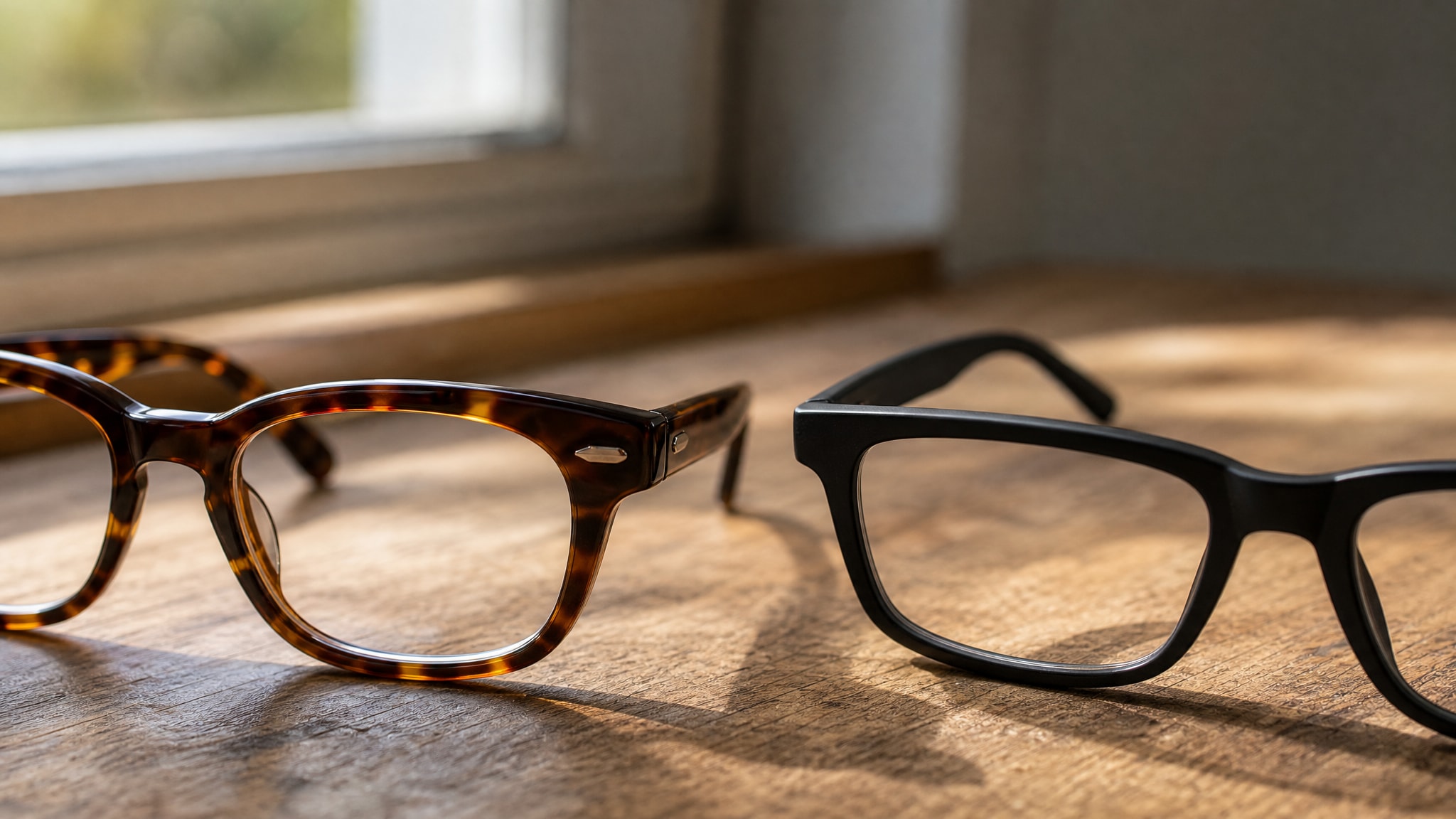
A discontinued frame isn’t damaged, faulty, or out of date in any meaningful sense. It’s simply a style the brand has stopped producing because a newer collection has taken its place on shelves. The optics, materials and construction are exactly the same as they were the day the frame launched.
That distinction matters. “Discontinued” gets confused with “inferior” far too often. In reality, it just means the model isn’t part of the current season’s line-up anymore.
Optical brands typically release new collections on an annual cycle, much like eyewear fashion follows broader retail patterns. When a new range arrives, retailers need shelf and display space. So the previous season’s frames get retired from the catalogue.
This doesn’t happen because the older frames performed poorly or had quality issues. It happens because optometrists and distributors need to keep their in-store ranges current. The result is a stock of perfectly good frames with nowhere left to sell through the usual retail channel.
This is the point worth repeating: discontinued optical frames are not the same as secondhand glasses. Secondhand means someone bought the frame, wore it, and later sold or returned it. Discontinued means the frame never sold at all. It sat in a display cabinet or storeroom until the season changed.
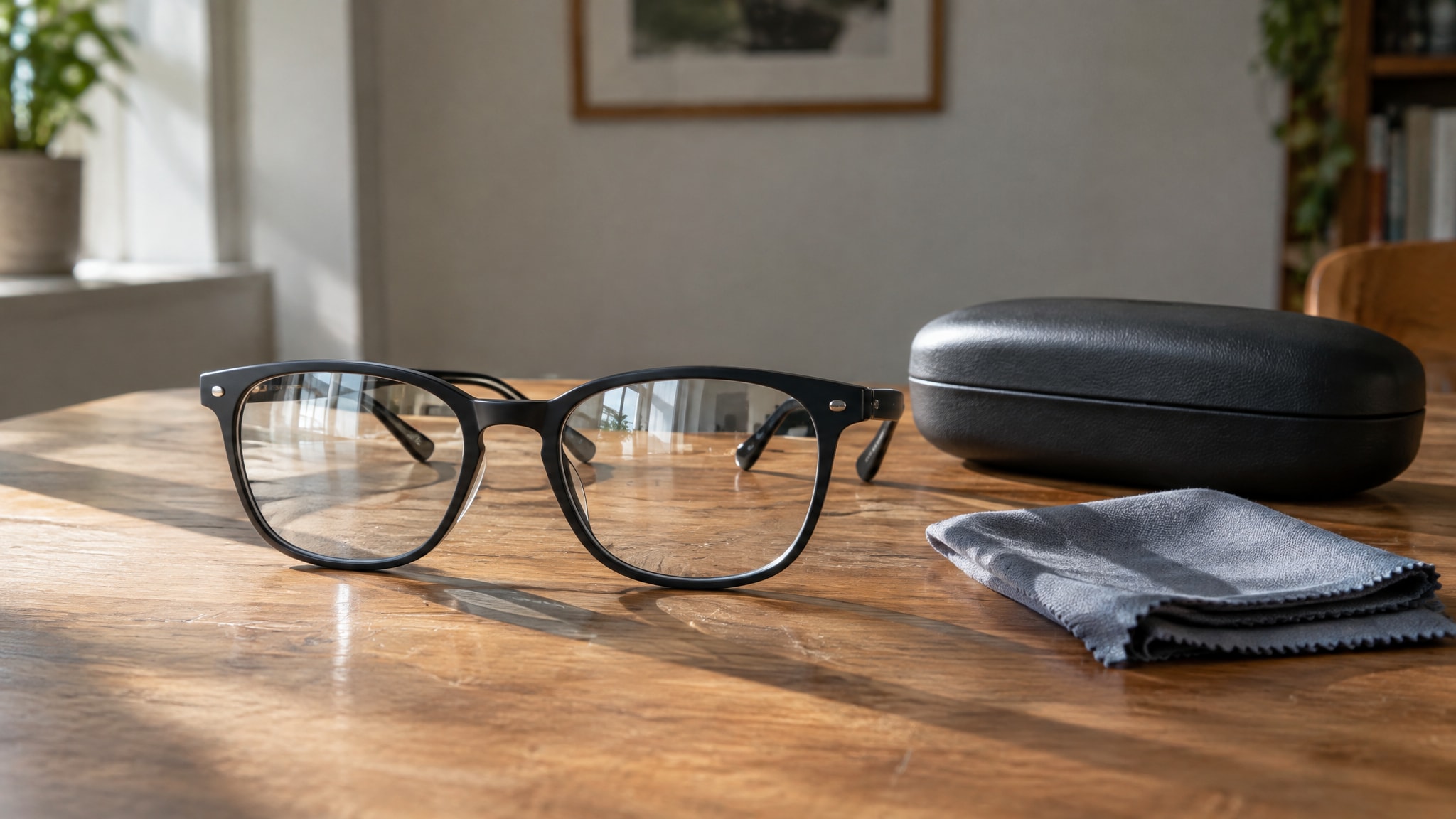
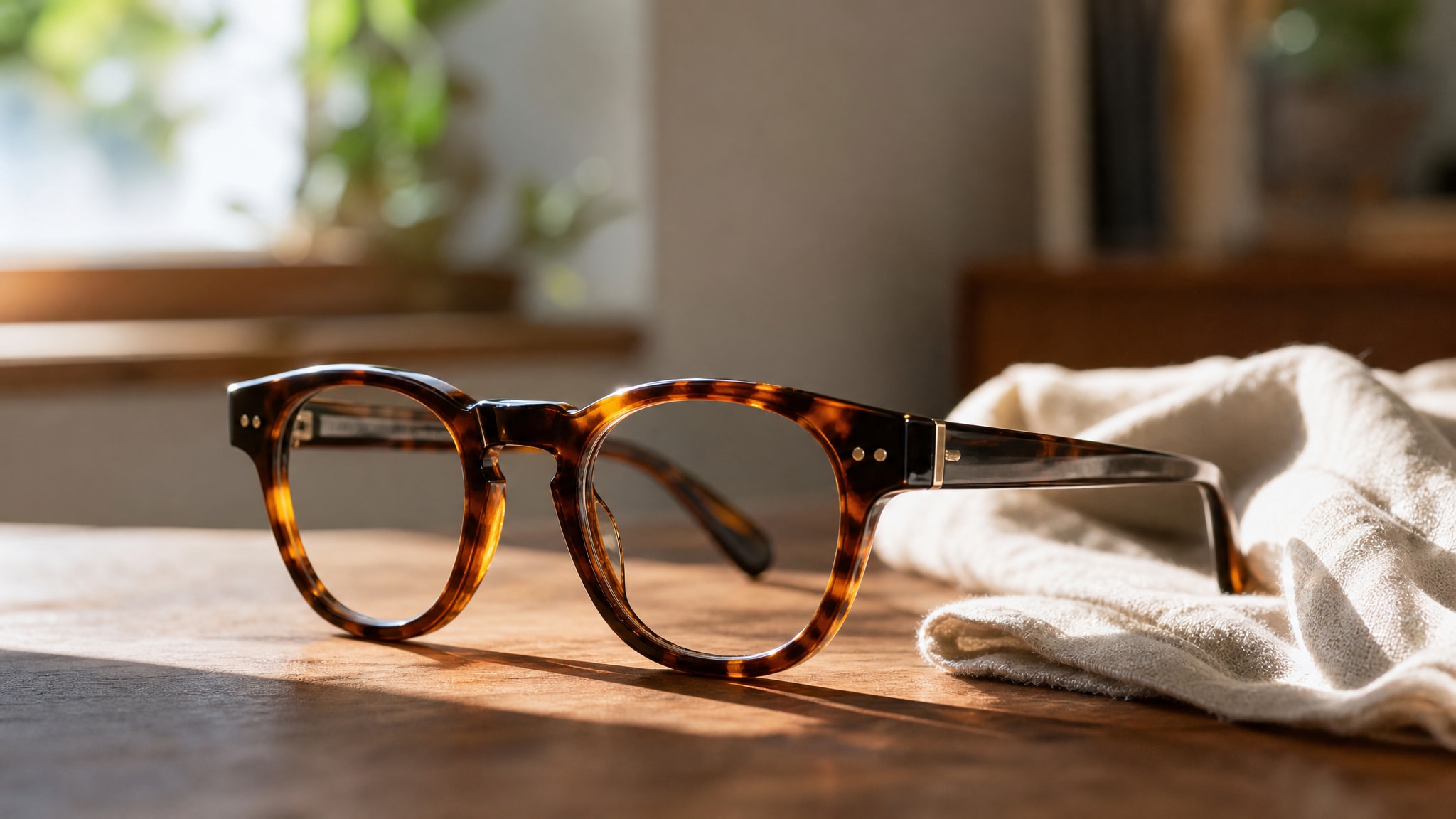
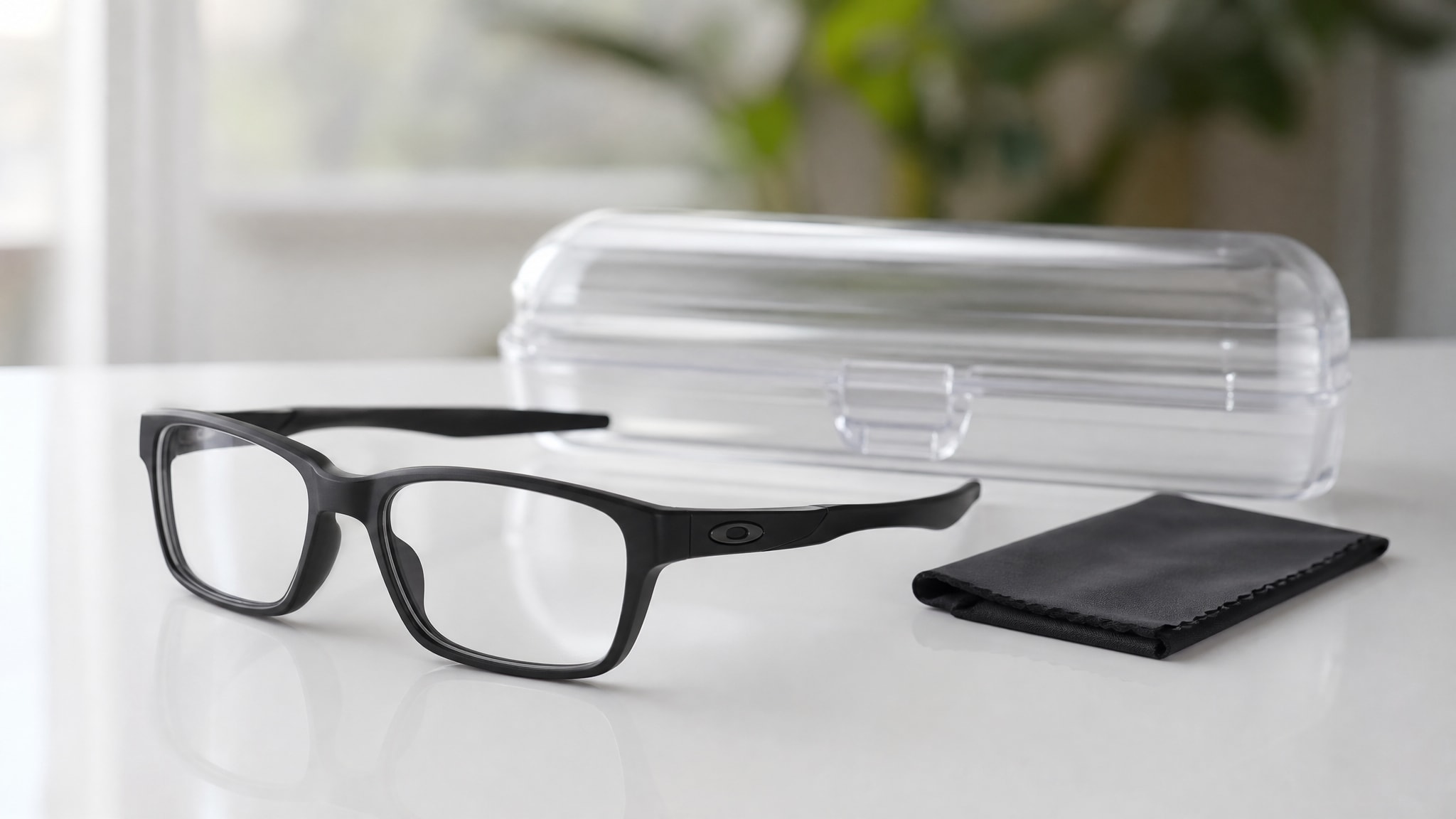
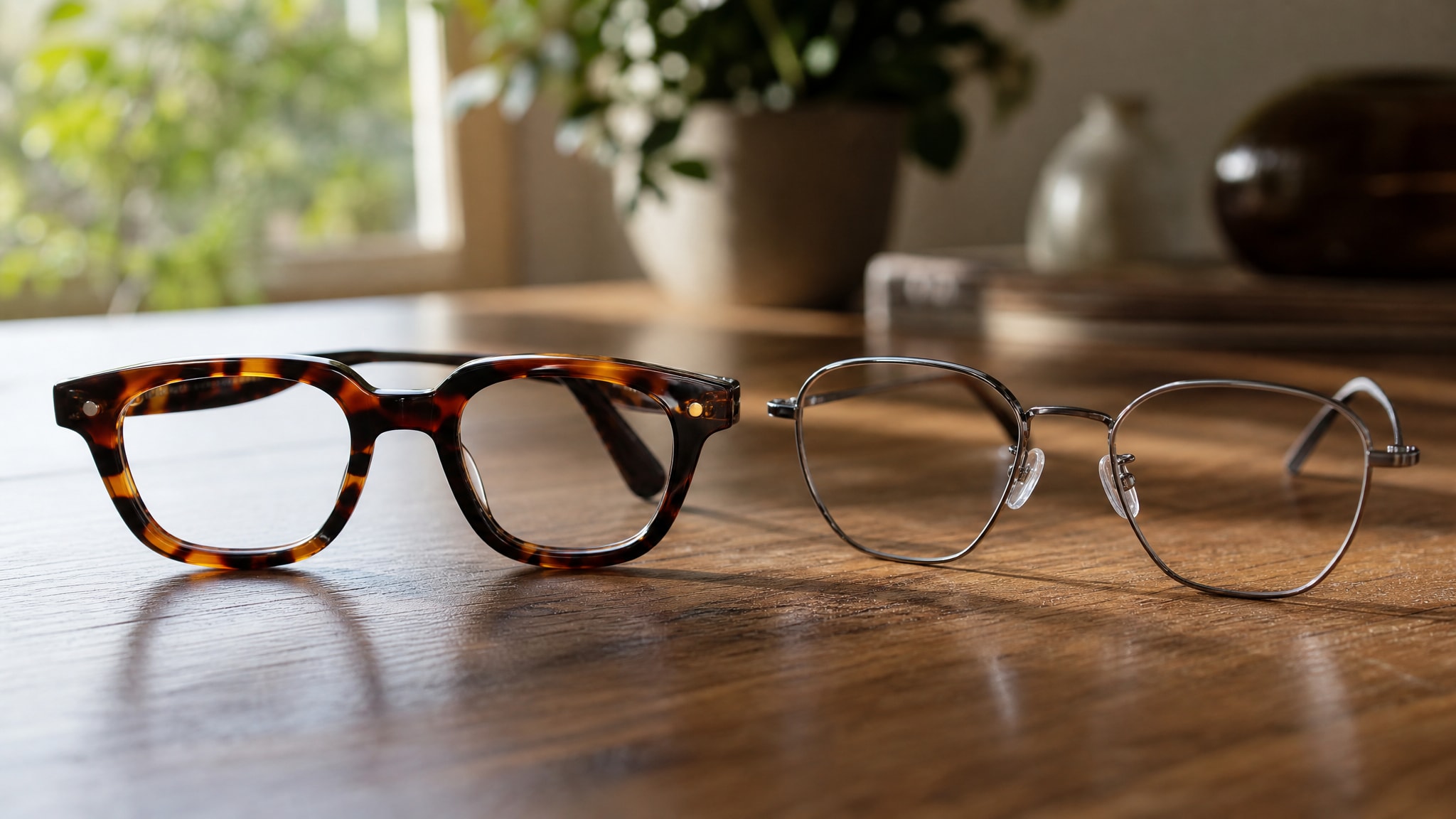
A genuinely unworn discontinued frame comes in its original packaging. No one has adjusted it to fit a face, and it has no wear marks anywhere. The only thing different about it is that it belongs to last season’s range rather than the current one.
Once you know discontinued doesn’t mean secondhand, the next question is where to actually buy. This is where most searches fall short.
Individual optometrist websites usually list only their own small clearance selection, if they list anything at all. You might find three or four frames from one brand, with no way to compare across brands or check whether other practices have better stock.
eBay listings raise a different problem. Condition descriptions vary wildly from seller to seller, and sellers rarely verify authenticity or original stock source. You’re often left guessing whether a “new” listing is genuinely unworn or simply unused for a long time and photographed from an angle that hides scuff marks.
Neither option gives you a proper marketplace experience. There’s no filtering by brand, no consistent condition standard, and no clear paper trail back to a legitimate distributor.
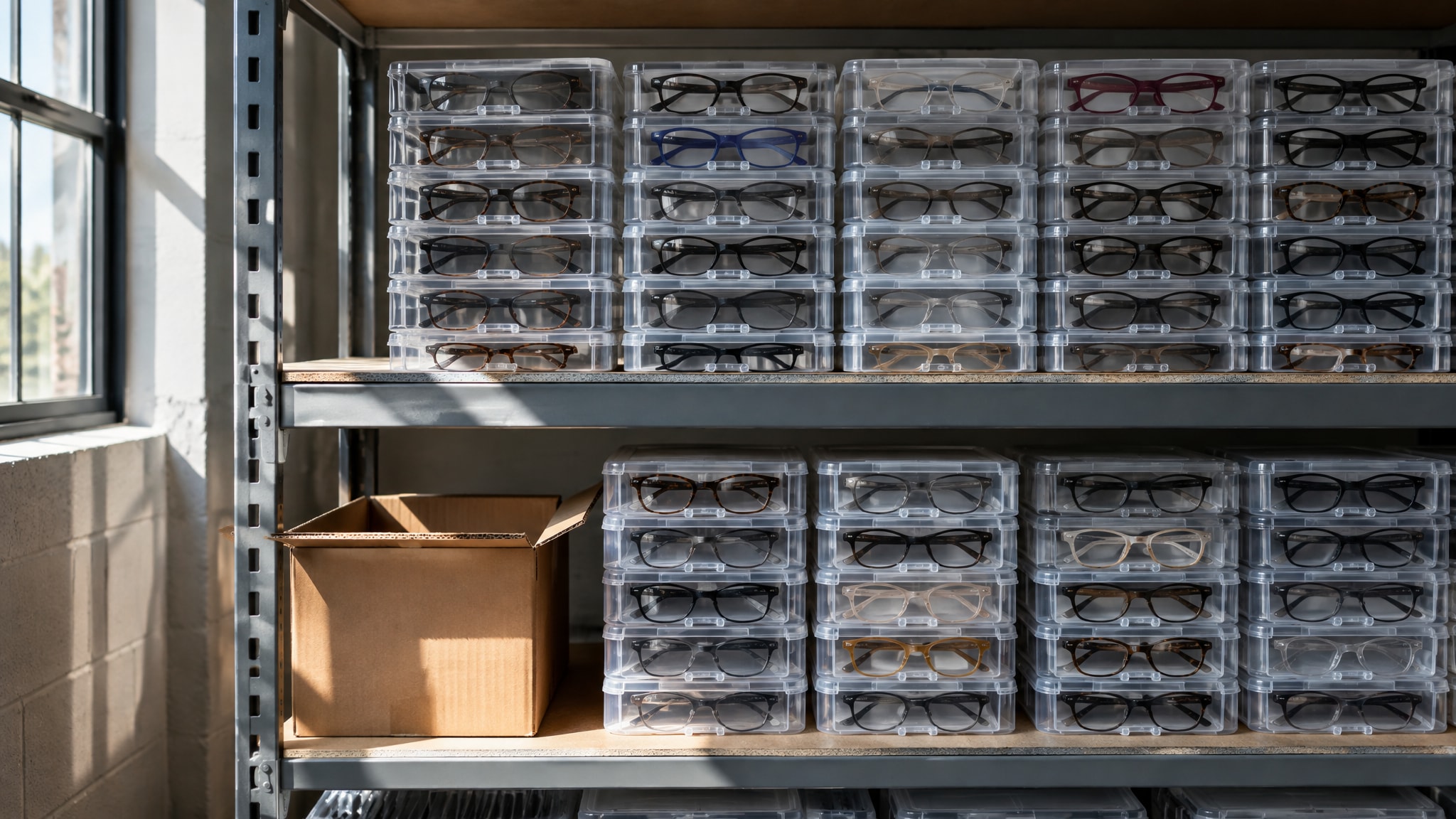
A specialist marketplace fixes this by pulling together genuine prior-season stock from multiple sources in one place. Last Seasons sources surplus prior-season stock directly from optometrists and distributors across Australia and New Zealand, so every frame listed is new and unworn, never previously sold or worn.
That means you can browse across brands, compare styles, and buy with a clear understanding of where the stock came from, rather than piecing together clues from a single eBay photo.
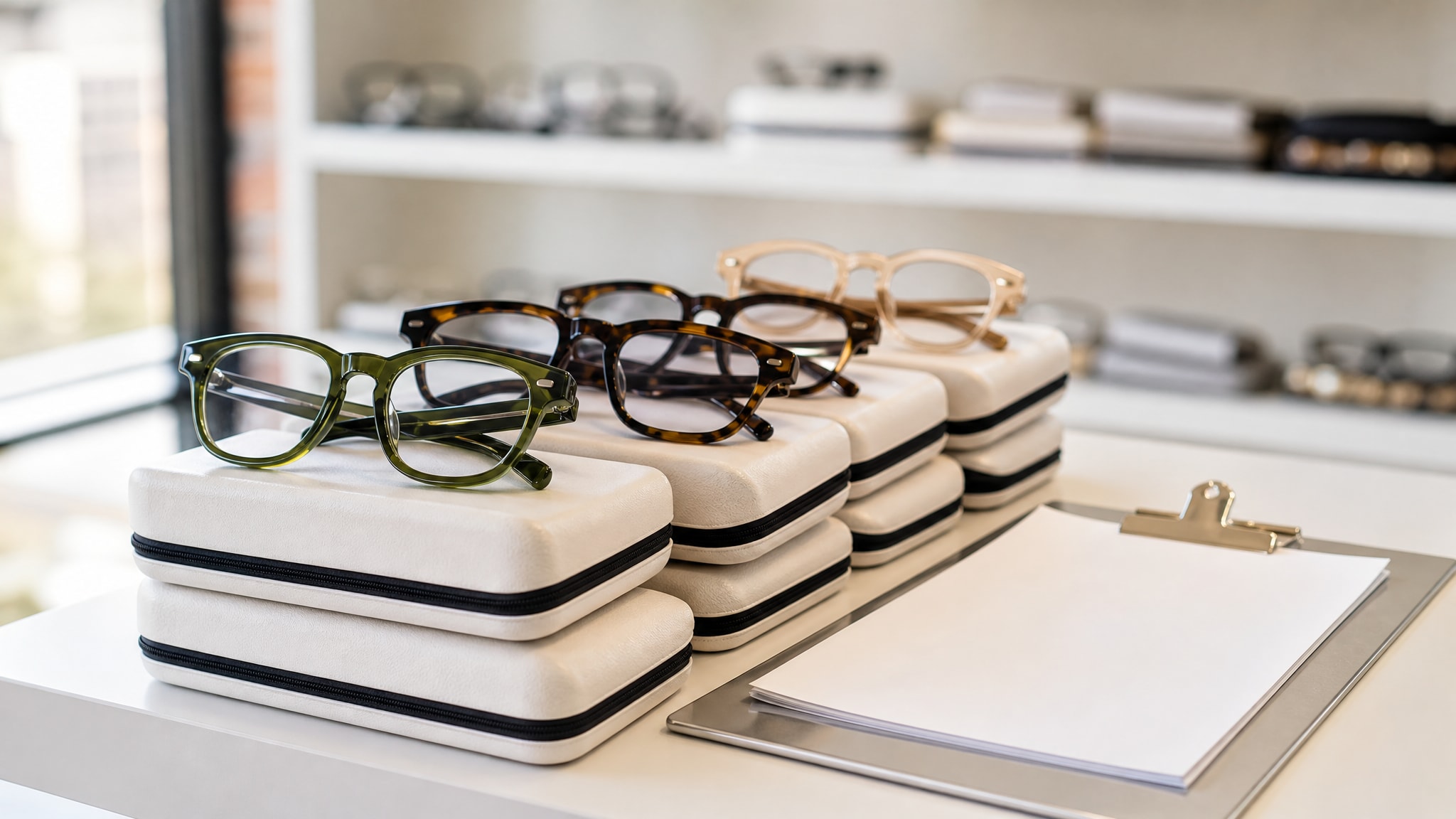
The brands that show up in an old model optical frames sale are usually the same established names you’d find on an optometrist’s shelf at full price. A well-known brand refreshes its frame range each season. Perfectly good, unworn styles from the prior collection get retired from shelves simply to make room for new releases, not because of any fault.
This seasonal refresh cycle is standard across the optical industry. It’s driven by the same forces that push fashion retailers to bring in new stock every few months: shelf space is limited, and brands want their current range visible to customers walking into a practice.
The upshot for buyers is straightforward. Genuine, branded frames that were never sold end up needing a new home, and distributors move them on at a discount rather than let them sit in storage indefinitely. That’s the entire basis for a discontinued eyewear Australia marketplace: real stock, real brands, just from last season’s collection instead of this one.
Buying clearance optical frames online in Australia should feel no riskier than buying current-season frames from an optometrist. To make sure of that, check a handful of specific details before you commit.
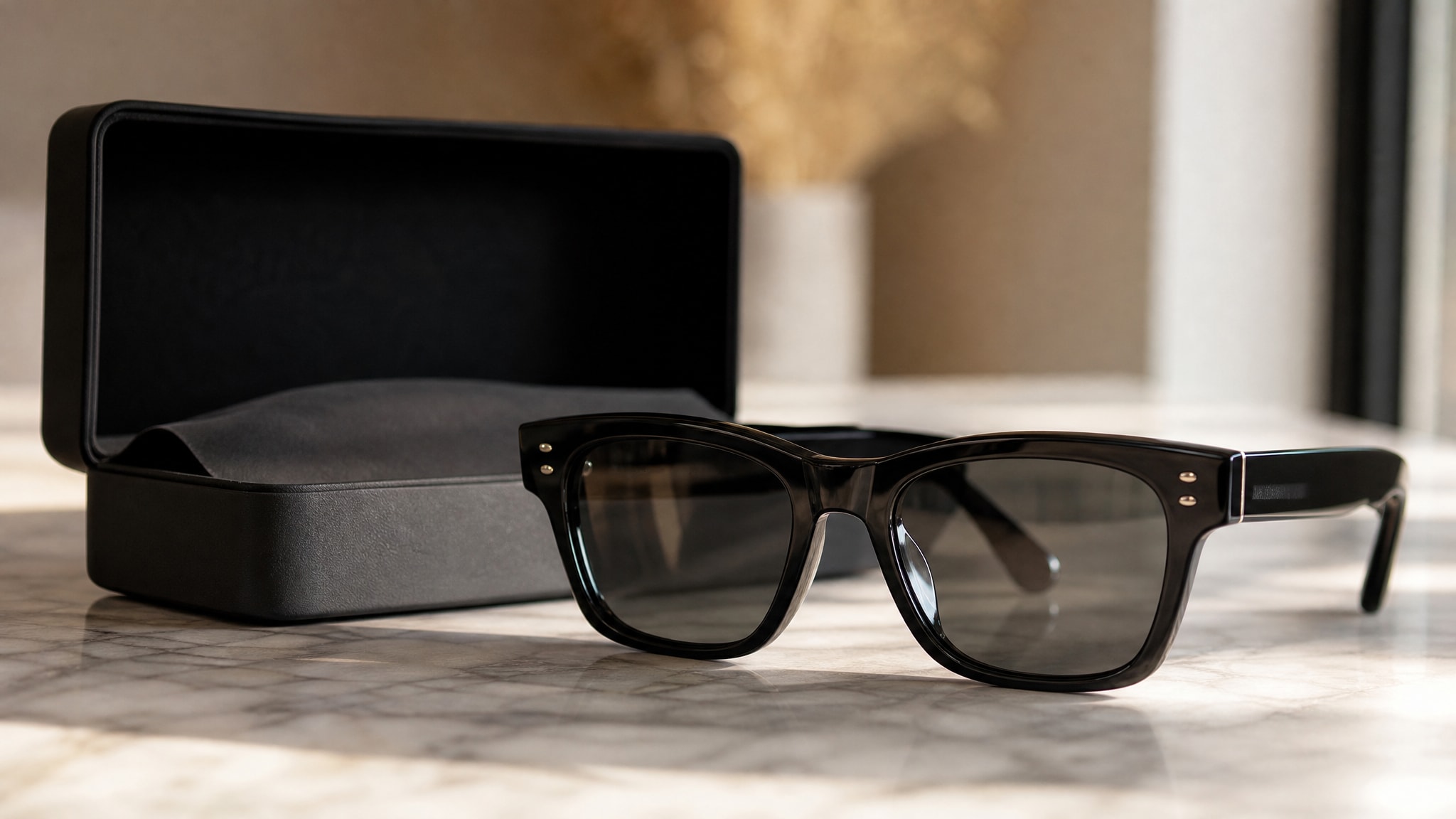
A genuinely unworn frame arrives in its original packaging, complete with any brand tags or protective cases that would normally come with a new pair. Look for the absence of scratches on the lenses or frame arms. Even light use tends to leave marks around the hinges.
Nose pads are another giveaway. Worn frames often show slight discolouration or wear where they’ve sat against skin, while unworn stock will look untouched. The temple tips, too, should be free of the small scuffs that come from being taken on and off repeatedly.
Before buying, ask a seller directly where the stock came from. A legitimate discontinued eyewear seller should be able to explain that the frames come from optometrist or distributor surplus, not returns or trade-ins. Ask whether anyone has ever fitted the frame with prescription lenses before, and whether it comes with any original packaging or documentation.
Optical practices and distributors often hold surplus prior-season stock that never sold through before the new range arrived. It’s genuine, boxed stock with no defects, just last season’s styling. A transparent seller will be upfront about this sourcing rather than vague about where the stock originated.
Once you’re confident the stock is genuine, the practical side of buying prior model glasses frames online comes down to price, fit, and how the whole process works after checkout.
Discontinued frames are typically priced well below what the same brand charges for its current-season range. The value here comes from moving legitimate surplus stock, not premium pricing. The exact discount varies by brand and style, but the saving compared to full retail is usually the main reason buyers choose this route in the first place.
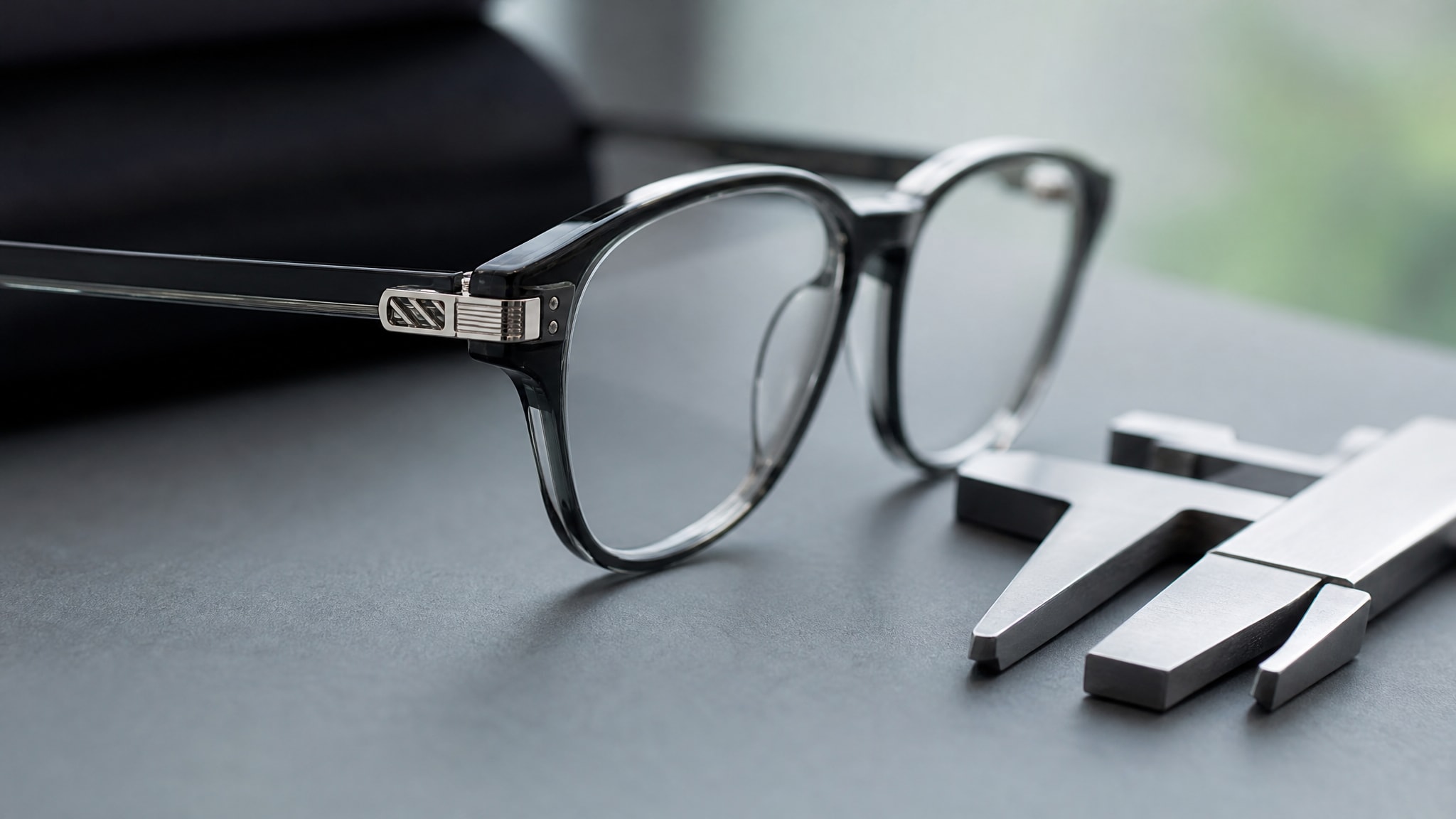
Sizing works the same way it would for any new frame. Check the arm length and lens width measurements against a pair you already wear comfortably. Once you’ve chosen a frame, you can still get prescription lenses fitted to it. A discontinued frame is structurally identical to a current one, so any optometrist or lens lab can glaze it with your prescription just as they would with a brand-new frame bought at full price.
Every frame ships with free Australia-wide delivery, in keeping with the practical, no-hype approach the brand is built on. That removes one more layer of friction from buying online, since you’re not paying extra on top of an already discounted price.
If you’re ready to see what’s currently available, browsing the full range of prior-season frames is the simplest way to find a genuine, unworn pair from a brand you already trust, at a fraction of what it cost when it was new-season stock.