Shopping for designer glasses frames for women on sale can feel like a trade-off. You want a recognised brand, but not the full price tag, and not secondhand goods either. The good news: you don’t have to choose. Previous-season stock is new, unworn, from established brands, at a lower price. It’s cheaper simply because the collection is a season old.
This guide covers what “on sale” really means for designer eyewear, how to pick a shape that suits your face, which brands typically show up in discounted women’s ranges, and how to buy prescription glasses online in Australia with confidence.
“On sale” doesn’t mean used. It means new stock from a past season, sold at a reduced price because it’s no longer the newest release.
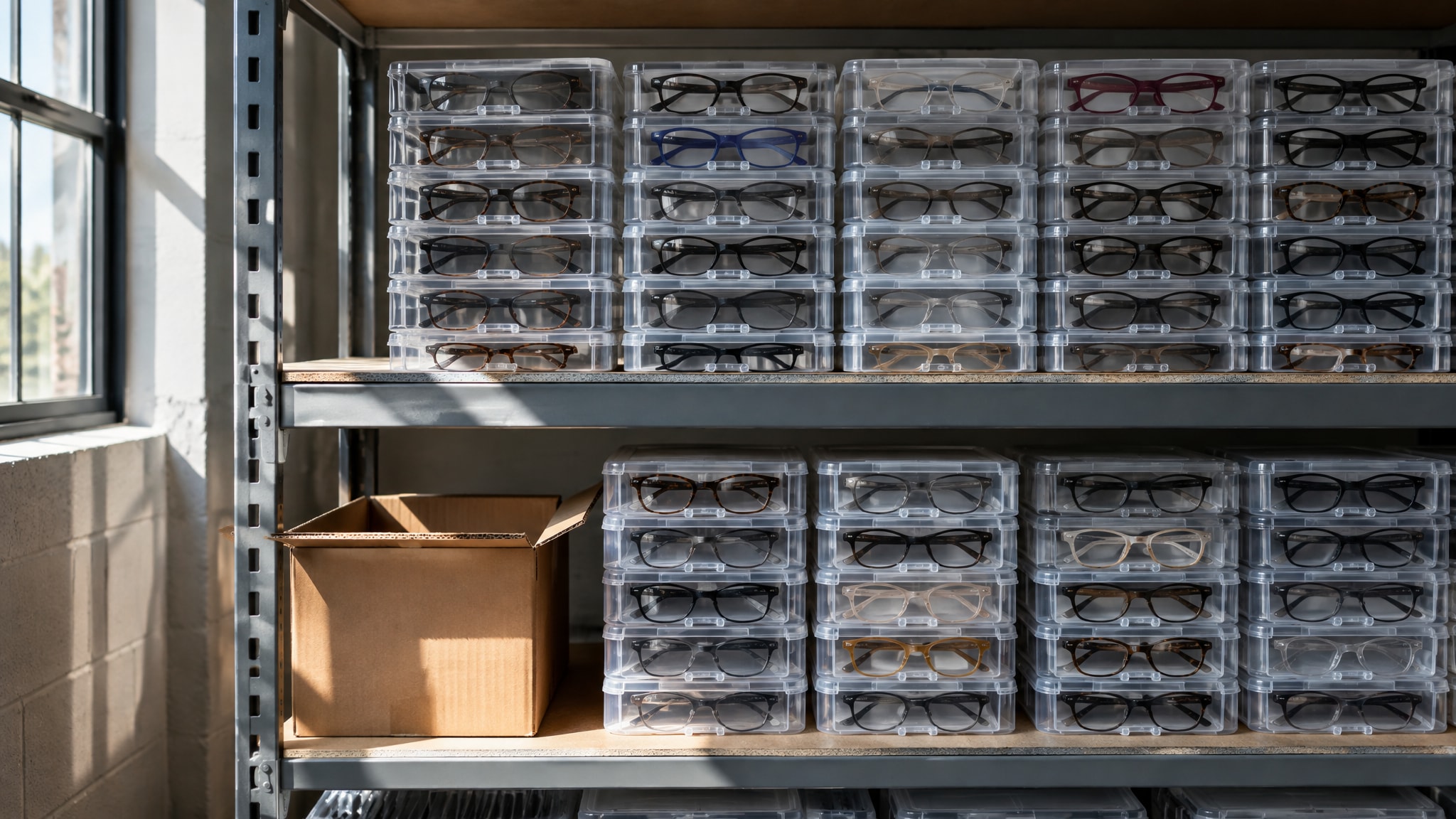
Designer brands and optometrists release new eyewear collections every season, much like clothing. When a new range arrives, the previous one needs to move. That surplus, still boxed and unworn, still carrying the original brand quality, is what ends up discounted.
Secondhand glasses have been worn. They may carry scratches, loosened hinges or a prescription cut for someone else’s frame. Previous-season stock has none of that history.
Last Seasons sources genuine previous-season women’s frames directly from distributors and optometrists clearing surplus stock. Every pair is new and unworn, never secondhand. The only thing “previous” about them is the release date.
Choosing a frame shape is the biggest factor in whether a pair of glasses feels right. Even the best-priced designer frame won’t work if the shape doesn’t suit you. A simple women’s frame shapes guide can narrow the field before you start browsing.
Round frames give a soft, retro look. They work well as a contrast piece against sharper features. Cat-eye frames lift the outer corners, adding a slightly dramatic, vintage-inspired edge. Oversized frames cover more of the face. They suit anyone who wants their glasses to be a clear style statement rather than a subtle accessory.
These three shapes cover most of what you’ll find in women’s designer ranges, whether you’re after optical frames or sunglasses.
The general rule is contrast. Frames that contrast with your natural face shape tend to look the most balanced.
Optometrists commonly recommend two matches: round-faced customers wearing angular or cat-eye frames, and customers with an angular jawline wearing softer, rounded shapes. If your face is more angular, curved frames soften the jawline. If your face is rounder, straighter or cat-eye shapes add definition.
Oval faces have the most flexibility. They can generally wear most shapes without issue. When you’re not sure, it helps to compare a new style against a pair you already own and like.
Previous-season ranges aren’t a lesser tier of eyewear. They’re the same collections from the same brands, just a year behind the current release.
Women’s designer glasses frames on sale in Australia typically come from a mix of established international eyewear houses and brands with a strong local optical presence. These are labels you’d already recognise from optometrist shelves and department store counters, covering both optical frames and sunglasses. The stock comes from prior seasons, not a lower-tier line. So the materials, hinges and lens compatibility match what you’d pay full price for elsewhere.
The breadth also means you’re not limited to one look. A discounted women’s range can span classic acetate frames, lightweight metal styles and bolder statement shapes, all from names with an established reputation for quality.
The discount on previous-season frames comes down to timing, not condition. Nothing about the frame itself is inferior.
Eyewear brands work on seasonal release cycles, similar to fashion. Every year or two, new frame shapes and colours arrive, and retailers need shelf space for them.
That means last season’s stock has to move, even if it never sold and never left the box. Optometrists and distributors clear it at a discount rather than hold onto it indefinitely. The frame hasn’t changed. Only its place in the release calendar has.
This is the retail mechanic behind cheap designer glasses for women: you’re paying for a frame’s age in the catalogue, not its build quality or brand pedigree.
Buying glasses online means you can’t try them on first. But you can still get an accurate fit if you know what to check.
Frame measurements printed on the inside of the temple arm are the most reliable way to check fit when buying glasses online. They’re typically three numbers, separated by a small square or dash, for lens width, bridge width and temple length, all in millimetres.
Lens width tells you how wide each lens sits. Bridge width is the gap over your nose. Temple length is how far the arms extend to your ears. Product listings for women’s optical frames on sale should list these three figures. If a size feels off in the photos, the numbers will confirm it before you buy.
If you’re unsure what the millimetre figures mean in practice, grab a pair of glasses you already wear comfortably and check their measurements. Most frames have them stamped in the same spot.
Match the new frame’s numbers against your own, or at least keep them close. A few millimetres either way is usually fine. A large gap, especially in bridge width, is more likely to cause slipping or pinching.
Even with careful measuring, online sizing isn’t an exact science. That’s why the safety net matters as much as the sizing tips.
All Last Seasons orders ship free across Australia, with an easy exchange process if a frame doesn’t fit or suit once it arrives. Pick a shape using the guidance above, check it against your own measurements, and know you can swap it if it’s not quite right.
That combination is what makes buying women’s prescription glasses online in Australia straightforward: genuine previous-season stock from recognised brands, clear sizing information, and no cost or hassle if the first pick isn’t the one. Browse the current range of women’s designer frames to start comparing shapes, brands and prices for yourself.