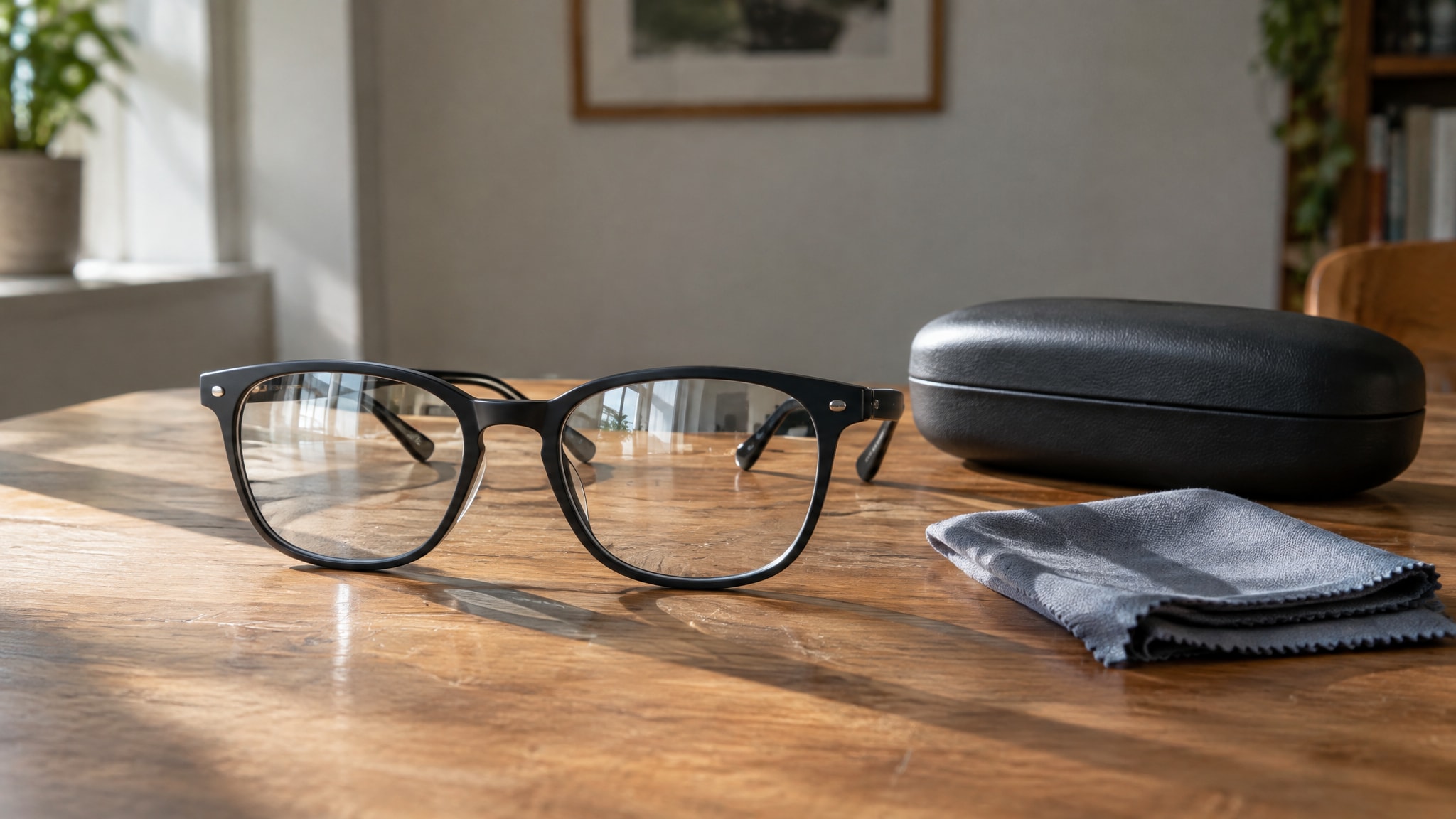
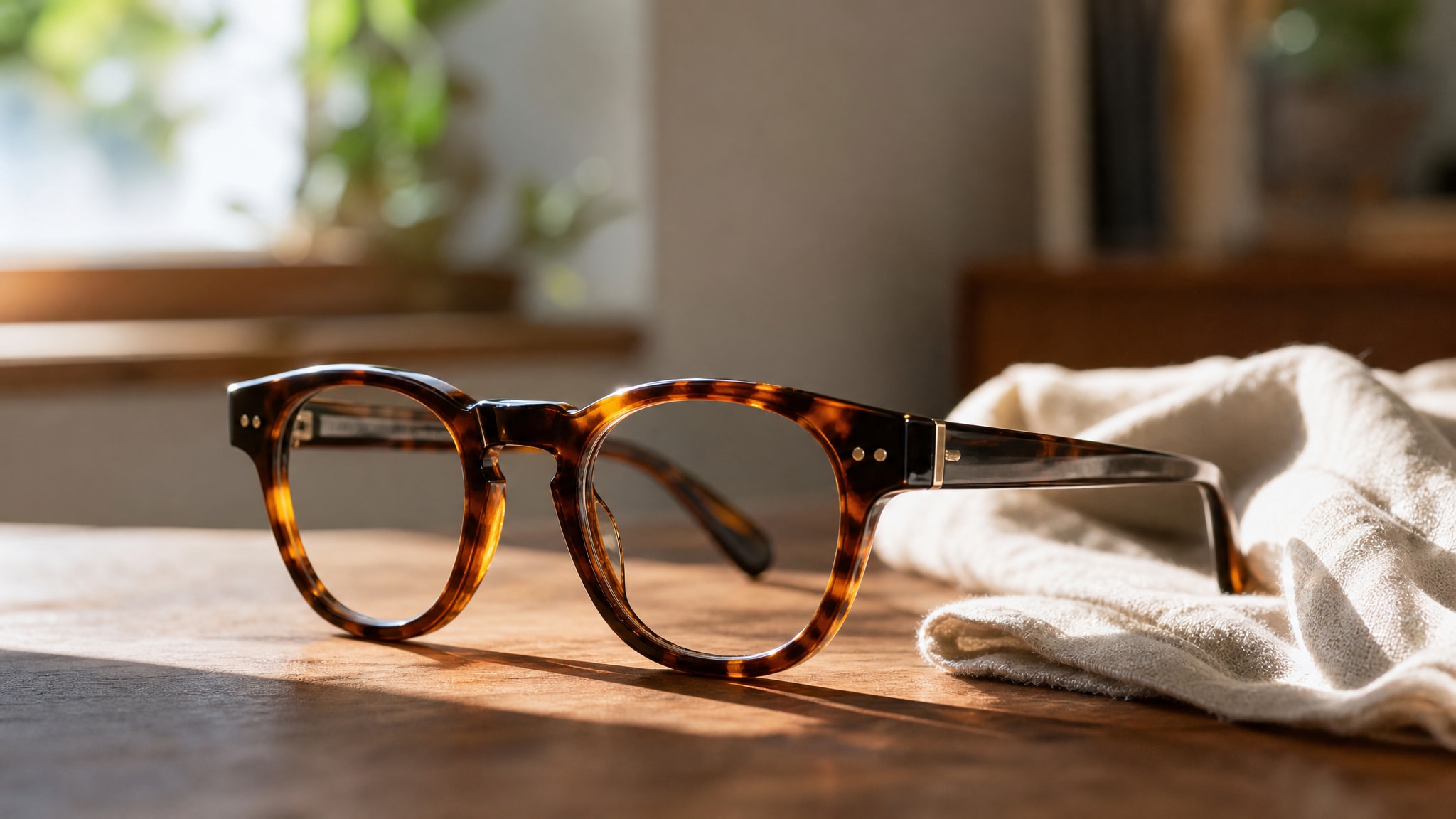
Kids go through glasses fast. A frame that survives the playground, sport, and the odd sibling tug-of-war matters more than the logo on the arm. That’s why more parents are turning to kids glasses frames on sale in Australia instead of paying full price for something that might be scratched, bent, or outgrown within a year.
A child’s face shape changes quickly. So does their prescription. Optometrists generally recommend checking a child’s eyes every 12 to 24 months. That means most kids move through several pairs of glasses before they finish primary school. Paying designer retail prices for something with such a short lifespan rarely makes sense.
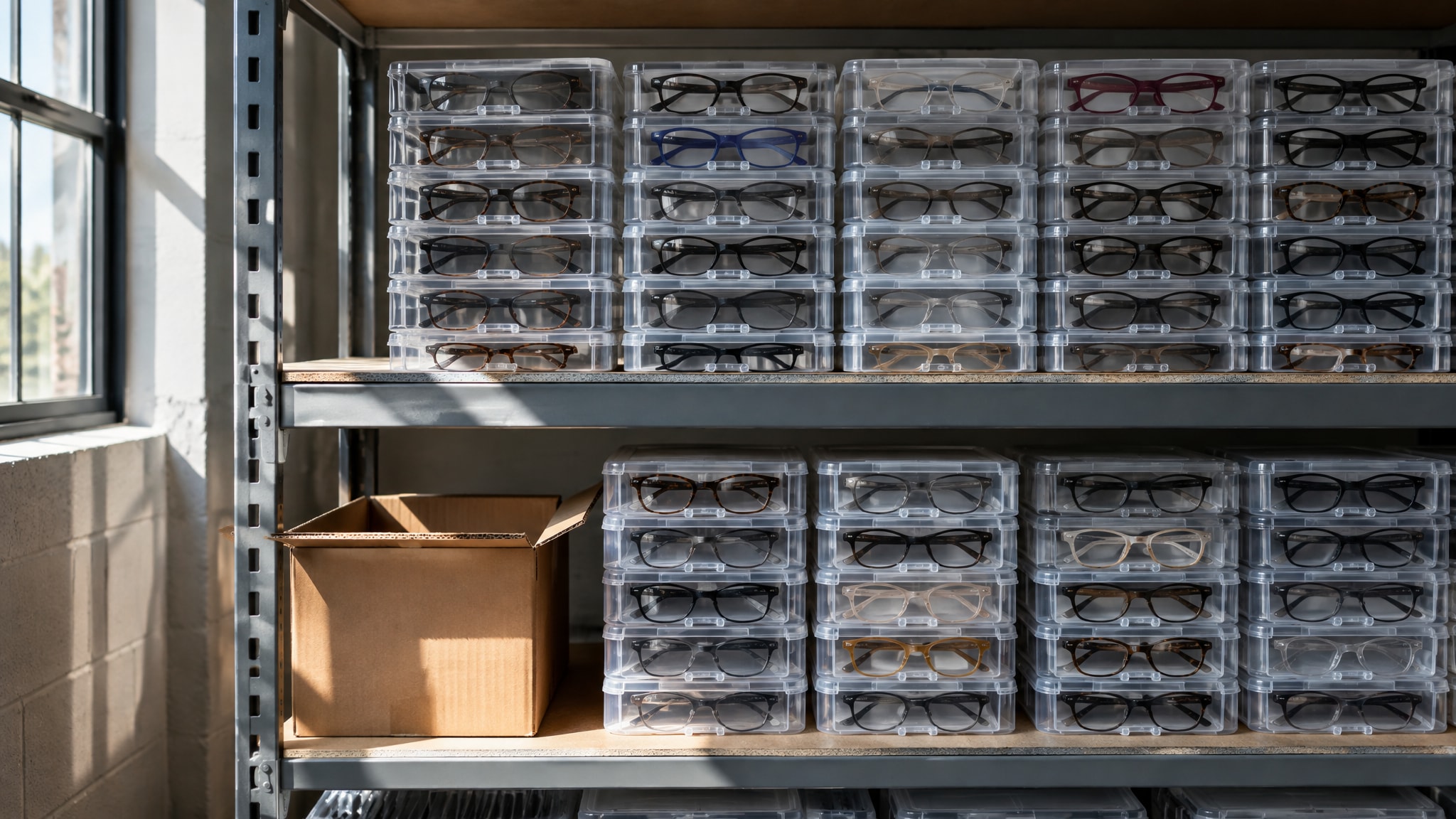
This is where prior-season stock comes in. These are new, unworn frames from a brand’s previous collection, not secondhand or damaged goods. The style might be a season old, but the materials, hinges, and build quality match what’s on shelves at full price right now. For a child who’ll outgrow the frame anyway, last season’s colourway makes no real difference.
Buying this way lets parents get children’s designer glasses frames without paying for the newness premium. The saving comes from timing, not from a lower-quality product.
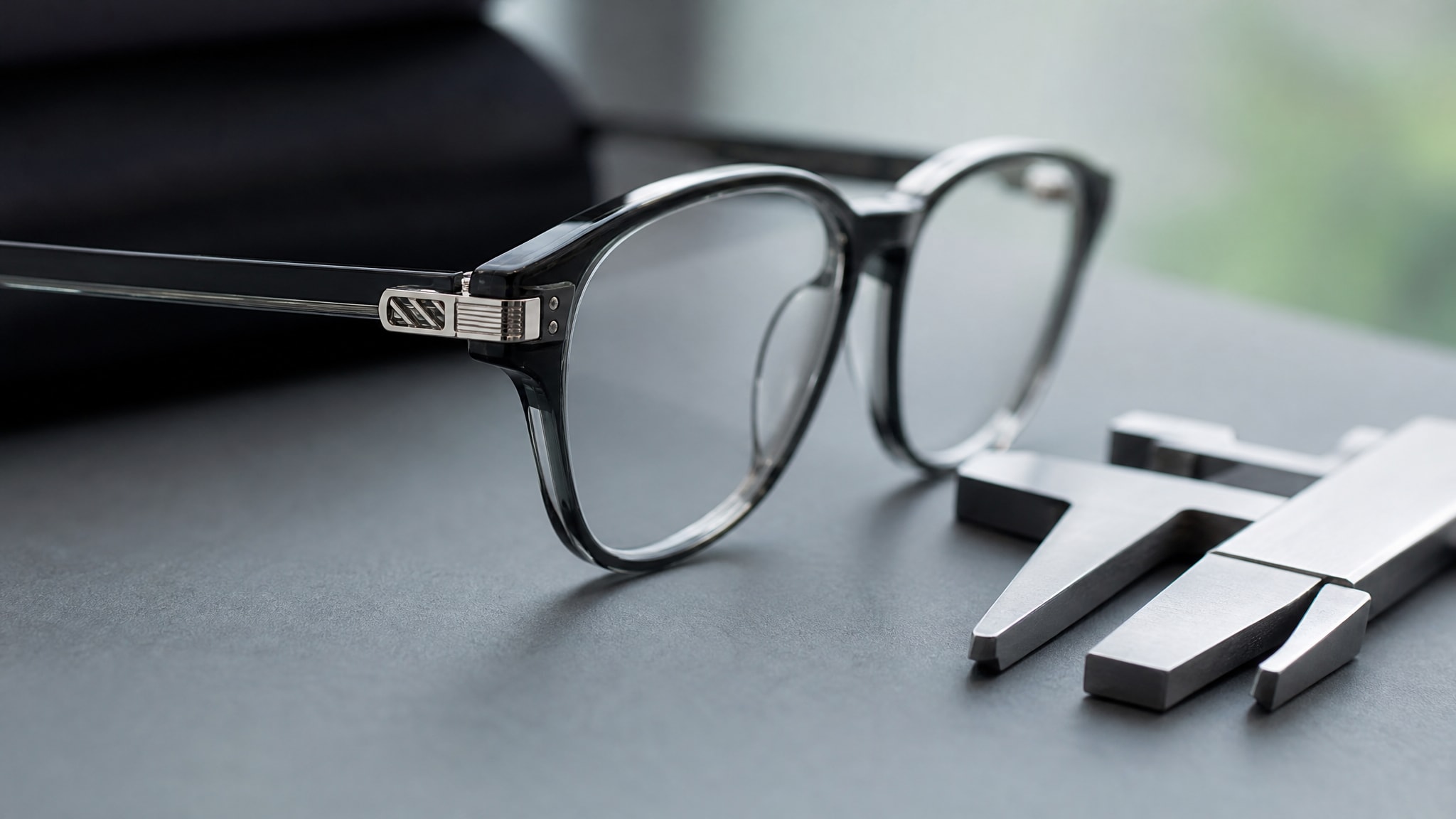
Durability should sit above brand names on the priority list. A few features consistently hold up better to daily wear and tear.
None of these features are exclusive to premium price tags. A well-made, affordable pair with the right hinge and materials will often outlast an expensive frame with delicate detailing.
“Cheap” and “low quality” aren’t the same thing. The goal is a frame that costs less because it’s an older season, not because it’s poorly made.
When comparing cheap kids glasses frames, check three things: the frame material, the hinge type, and whether the lenses can take a scratch-resistant or impact-resistant coating. A frame that ticks those boxes at a discounted price does the same job as a full-price equivalent.
It also helps to buy from a seller who states plainly whether stock is new or used. Reputable sellers of prior-season eyewear will say exactly that. New, unworn, previous season. There’s no need to guess or read between the lines on quality.
Buying kids prescription glasses in Australia has moved online for good reason. There are more brands, more sizes, and prices that beat most retail optical stores. Buying kids optical frames online works well once a child already has a known prescription and frame size from a recent eye test.
A few practical steps make the process smoother:
Online kids optical frames also tend to come from a much wider mix of brands than a single physical optical store can stock. That range matters when you’re trying to match a specific size or style a child will actually keep on their face.
A kids glasses sale in Australia is really a timing opportunity. Prior-season stock gets discounted to make room for new collections, not because anything is wrong with it. For a parent, that timing lines up well with how often kids need new frames anyway.
A practical approach: buy two pairs when there’s a genuine sale on frames that fit well. One as the everyday pair, one as a backup for when the first gets lost, sat on, or left at school. Because the frames are already discounted, having a spare on hand costs a lot less than replacing a single full-price pair mid-term.
It’s also worth checking the lens options included in any sale price. Some retailers bundle basic prescription lenses into the frame price. Others charge separately for coatings and lens type. Comparing the total cost, frame plus lenses, gives a truer picture than comparing frame price alone.
Kids’ eyewear doesn’t need brand prestige to do its job well. It needs to survive daily wear, fit properly, and get replaced without a big dent in the budget when it inevitably does. Prior-season, unworn stock from recognised brands ticks all three boxes at a fraction of the retail price. For growing kids, that’s not a compromise. It’s simply the smarter buy.