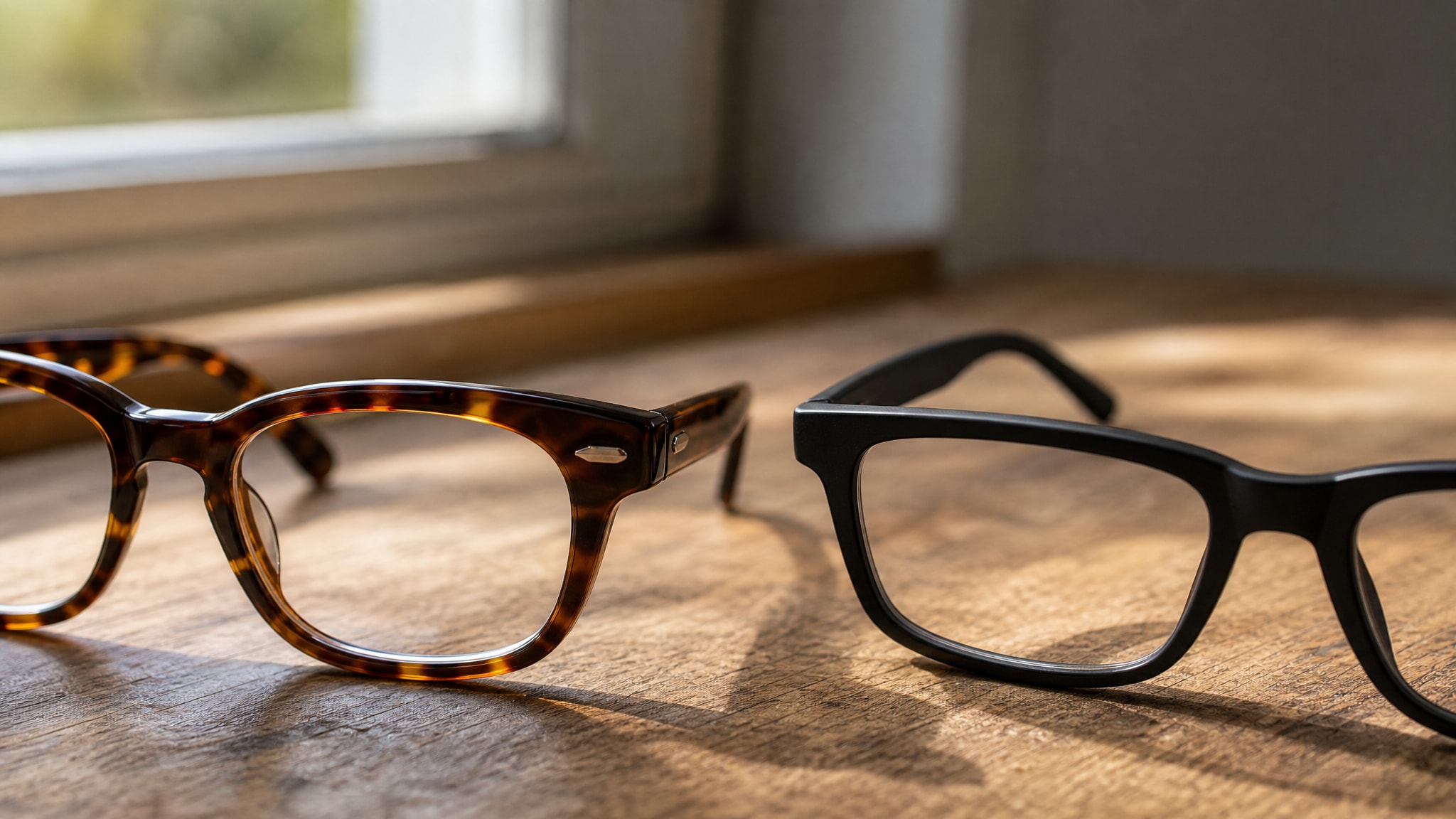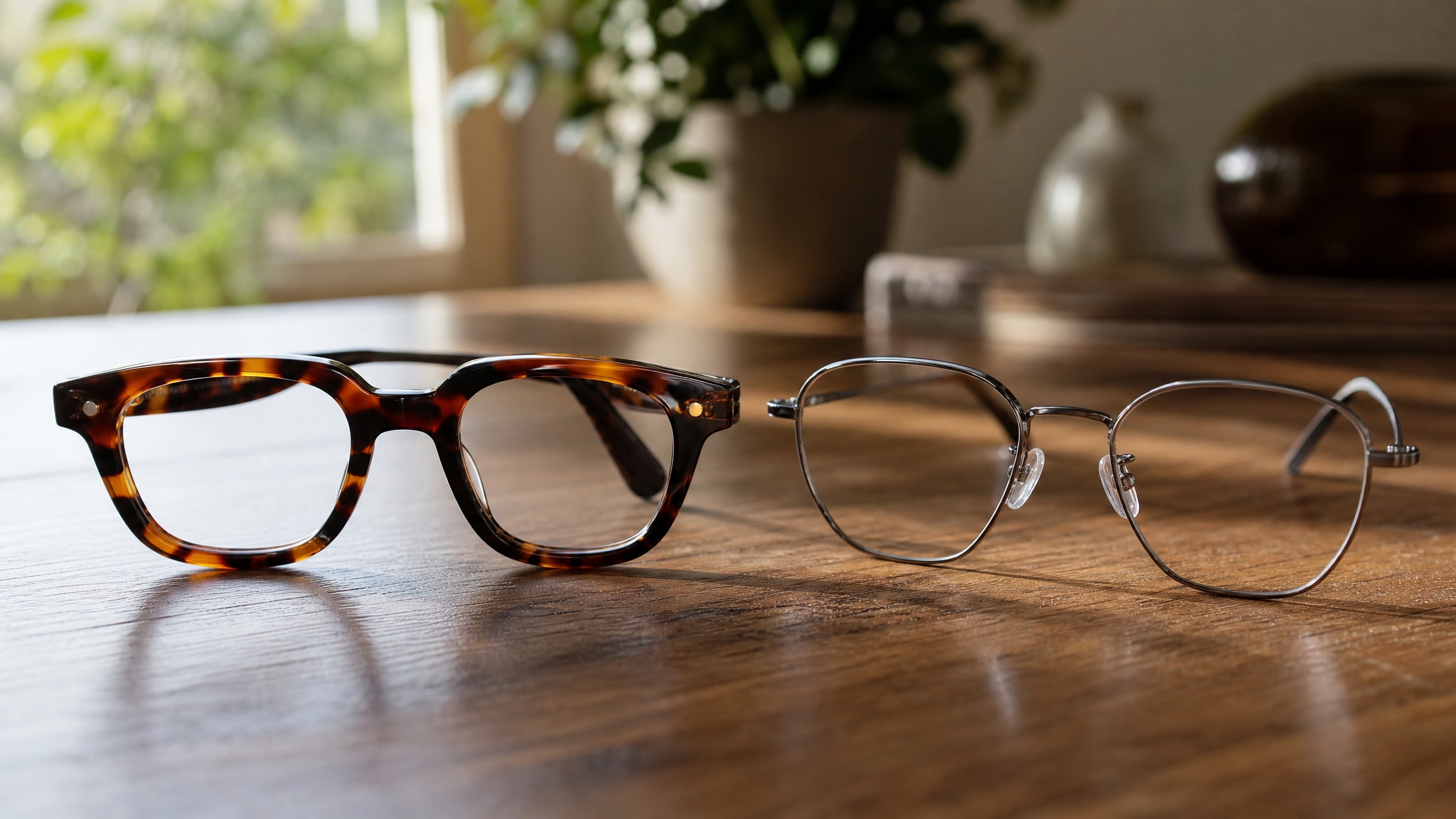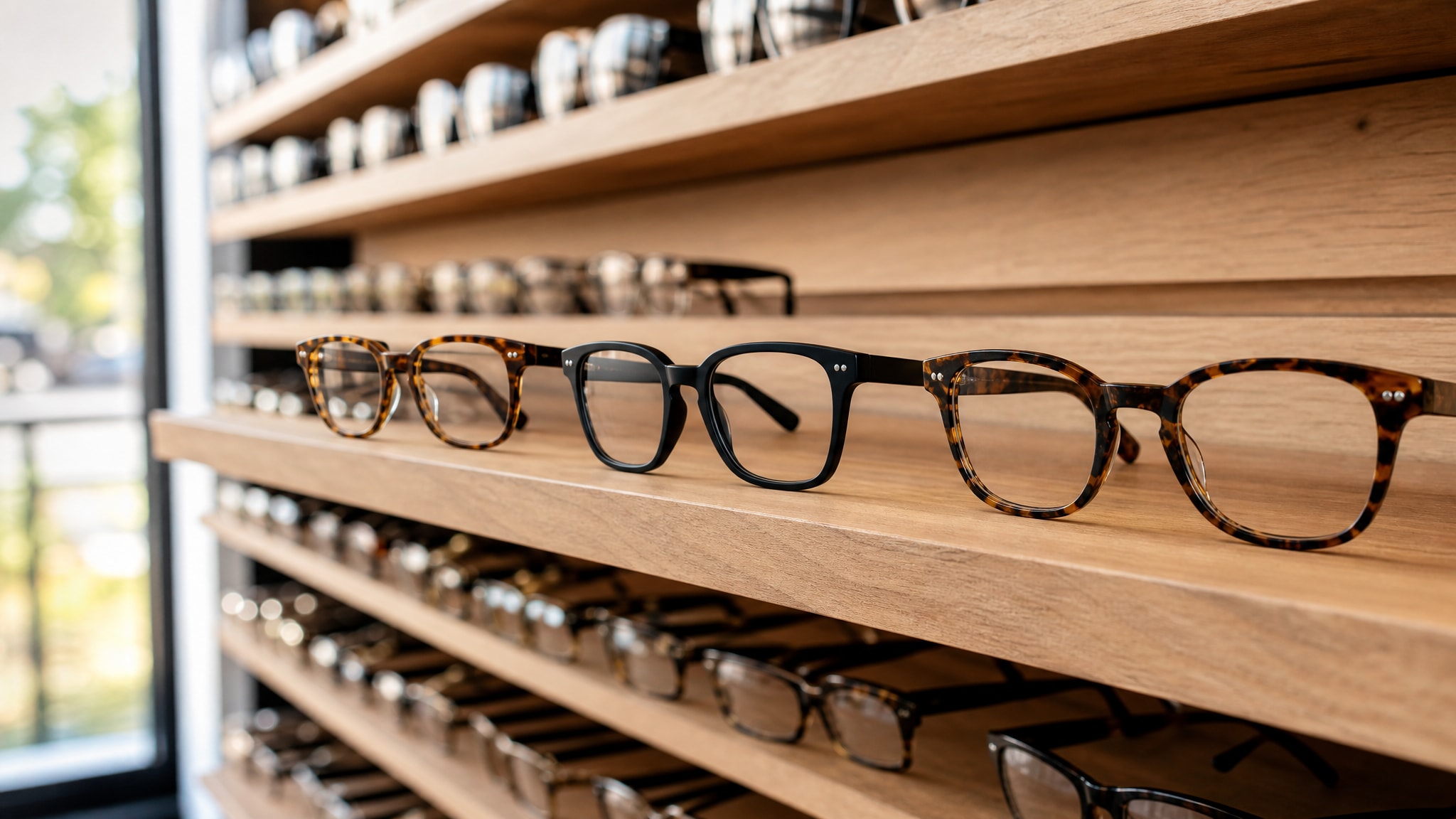
Running an optical practice in 2026 means balancing patient expectations for premium brands against tightening margins. You need inventory that delivers recognised quality without the current-season price tag on every frame on your board. Sourcing previous-season stock in volume is a practical answer: it lets you protect gross profit while still meeting demand for names like Gucci, Prada and Ray-Ban.
The trick is telling genuine prior-season goods from risky surplus, then presenting them as premium value rather than clearance. Last Seasons Eyewear supplies new, unworn previous-season frames directly to Australian optical practices, with free Australia-wide shipping included, so your landed cost stays predictable.
Economic pressure on optical businesses has built through 2026. Strategic purchasing is no longer optional if you want to protect profitability without cutting product standards.
Lab fees, rent and staffing costs have climbed steadily, squeezing the margin between wholesale cost and retail price on standard inventory. Buying frames in bulk for optometrists lowers the unit cost below standard wholesale rates, which absorbs rising overheads without forcing you to raise dispensing prices. That structural advantage protects your bottom line even as external costs keep creeping up.
You can’t control lease renewals or utility hikes. You can control what you pay for the frames on your shelves.
Patients still want recognised brands, but many are more deliberate about where they spend in the current economic climate. They want authentic designer eyewear at an accessible price, not unbranded budget alternatives with no heritage and no resale appeal. Stocking discounted wholesale frames from prior seasons gives you that brand credibility at a price point that encourages a yes instead of a hesitation.
Not all discounted inventory carries the same level of assurance. Confusing the two categories exposes your practice to risk it doesn’t need to carry.
Previous-season frames are new, unworn products from established brands that were part of an official collection but have since been replaced by newer releases. They retain full manufacturer warranties, original packaging and complete brand integrity because they moved through authorised distribution channels before being discounted. When you source previous season glasses frames quality from a verified marketplace, you get goods identical in condition to current stock. Only the release date differs.
Last Seasons operates as a two-sided marketplace where both distributors and optometrists list and acquire surplus prior-season stock. That keeps supply coming from verified trade sources rather than grey-market channels.
Generic surplus often mixes in returns, grey-market imports or frames with incomplete provenance that may carry no warranty at all. Optical buyers rate frame condition and brand authenticity above lowest possible price when sourcing in bulk, because patient trust depends on product integrity. Accepting unverified surplus to save a few dollars a unit can cost far more in returns, warranty disputes and reputation damage once a patient discovers their “new” frames have hidden wear or no manufacturer support.
Bulk buying doesn’t remove the need for due diligence. It just raises the scale at which you have to apply it.
A volume discount only helps your practice if the frames actually sell through in a reasonable timeframe.
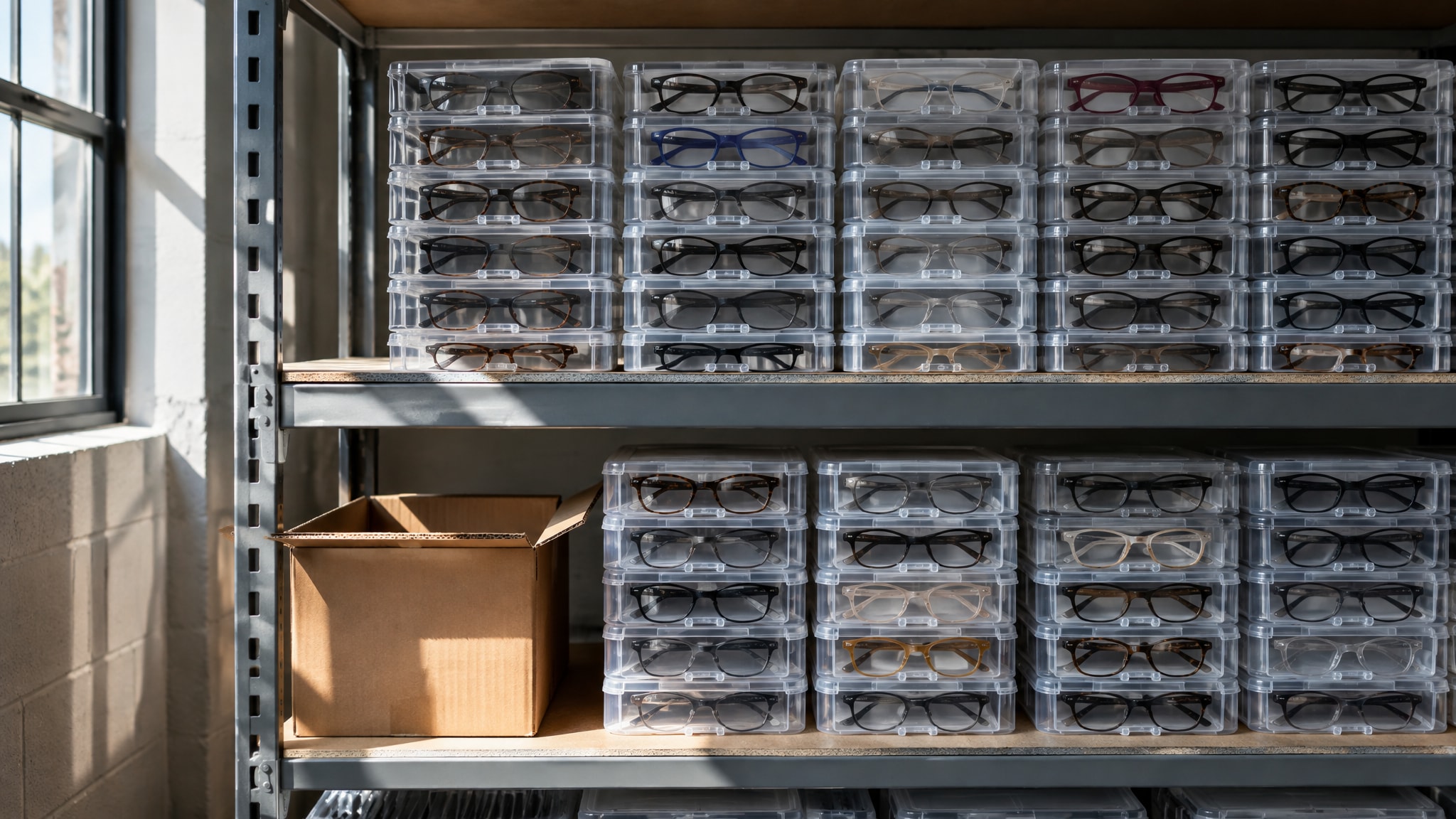
Review your dispensing data from the past twelve months and find which brands, price tiers and styles consistently move off your board. Work out your average monthly sell-through for each category, and use that number to size your orders, rather than ordering to match whatever discount depth is on offer. A bulk discount eyewear supplier offering fifty units at a steep price is only worth it if your own data shows you can realistically dispense forty of them within six months.
Tie every bulk purchase to documented sales patterns, not optimistic projections or a supplier’s minimum order size.
Your patient base has its own preferences, shaped by age, occupation, lifestyle and local fashion sense, and your bulk orders need to reflect that. Choose brands that fit your existing demographic, even when other labels offer a deeper discount on paper; that’s what prevents dead stock. If your practice serves a professional cohort that favours understated luxury, loading up on bold fashion-forward frames just because they’re cheap ties up capital and shelf space without generating revenue.
Trust isn’t negotiable in optical dispensing. Your sourcing process has to guarantee that every frame meets the standard your patients expect.
Reputable suppliers provide batch-level provenance, authorised channel documentation and clear return policies as standard, not as a special favour. Confirm that any bulk discount eyewear supplier can trace inventory back to legitimate brand distributors or licensed optical retailers before you place an order. Taking the time to verify frame authenticity upfront prevents costly disputes later and protects your practice’s reputation from the fallout of unknowingly selling compromised goods.
A supplier who can’t or won’t provide verifiable sourcing documentation isn’t offering a bargain. They’re offering a liability.
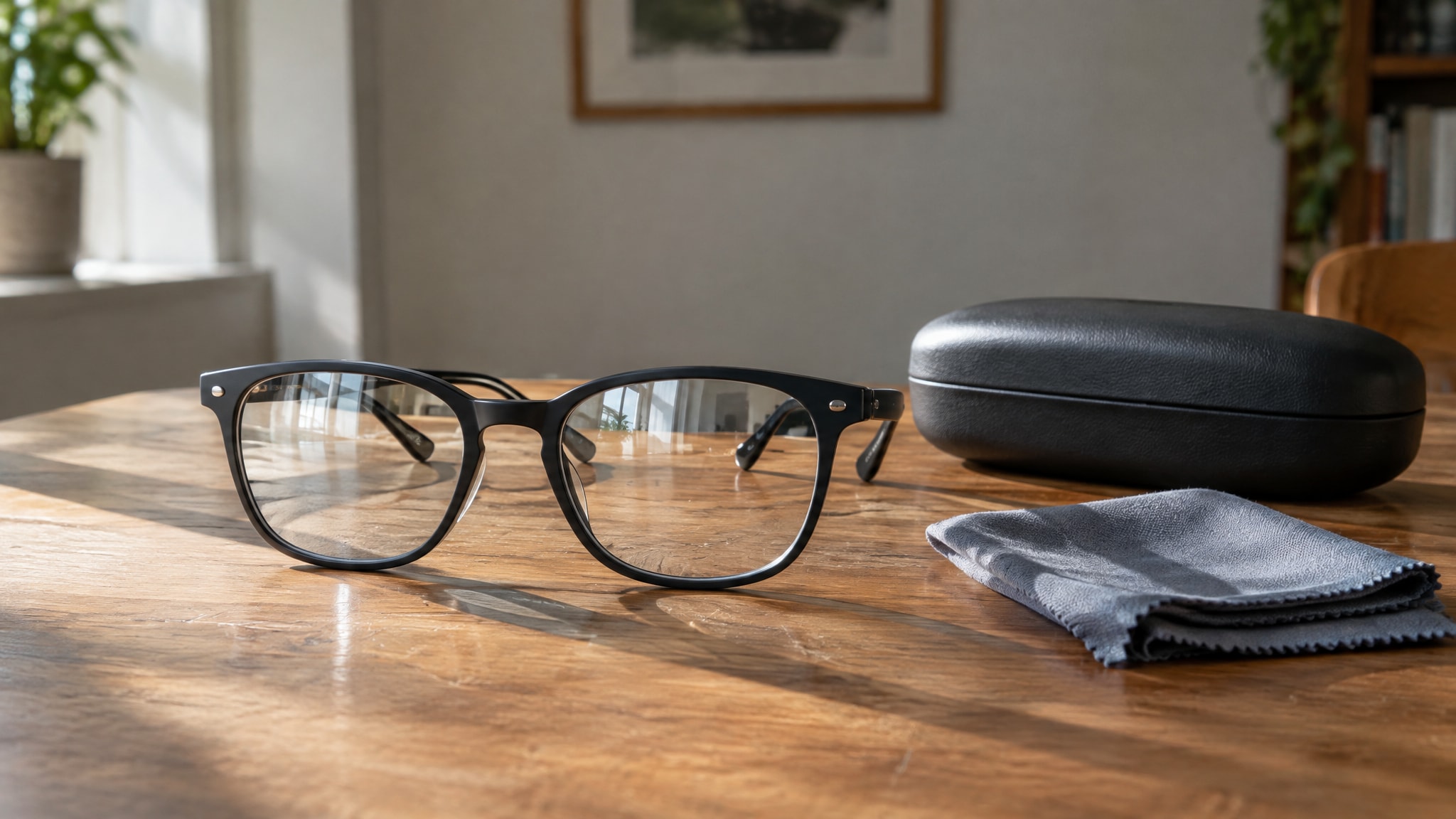
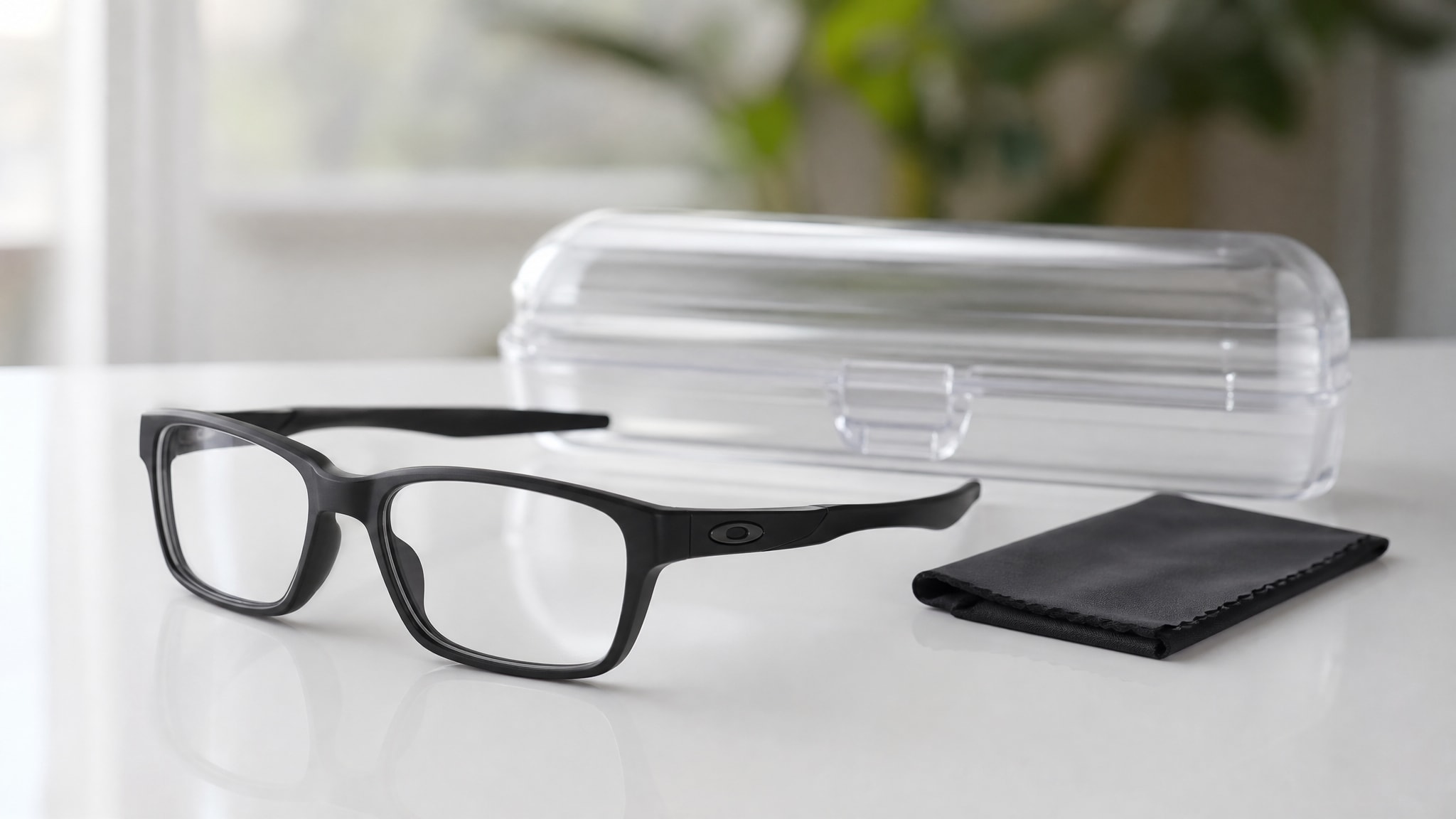
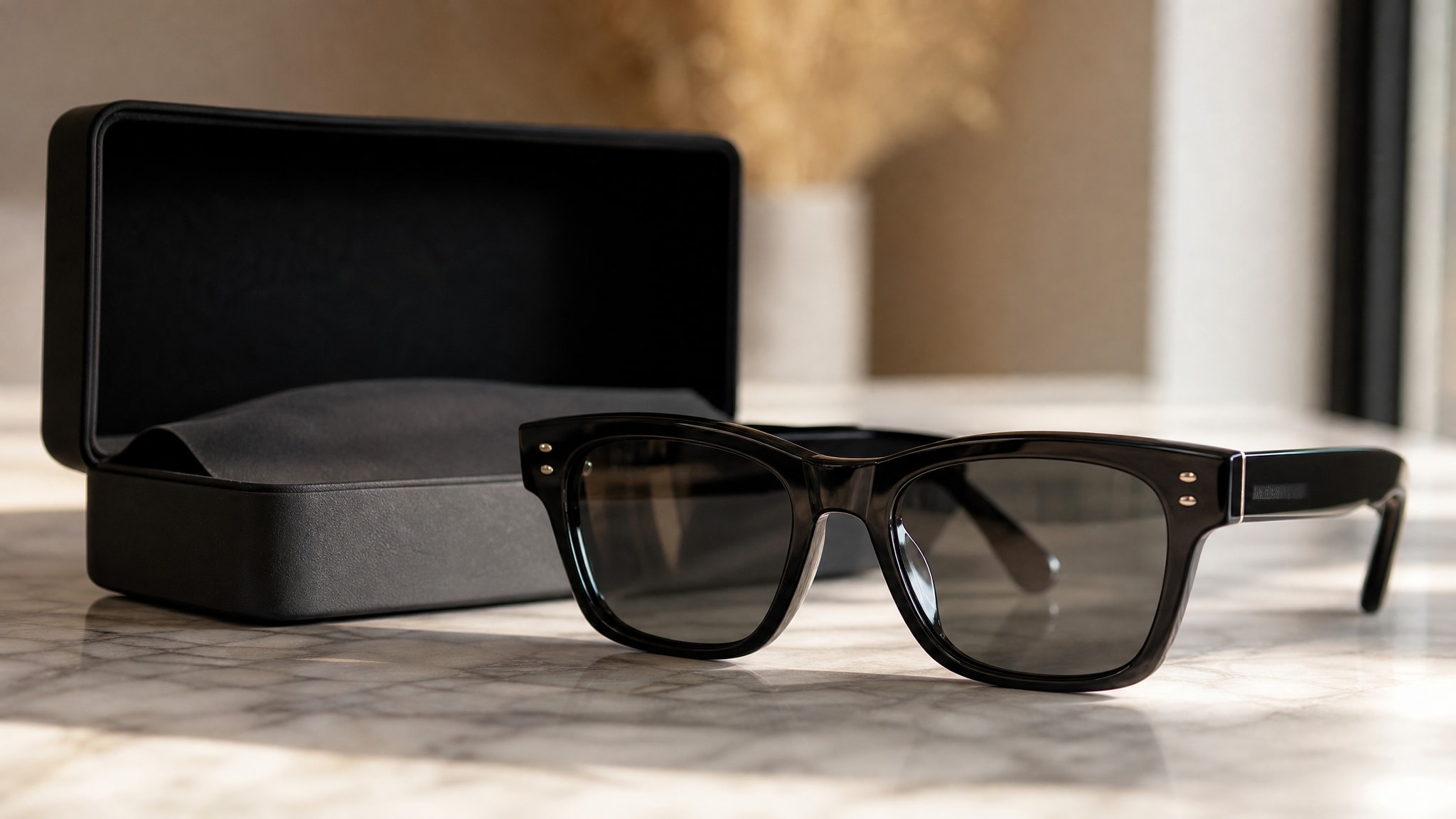
Genuine previous-season stock arrives in original branded packaging with everything intact: case, cloth and warranty card. Inspect sample units or ask for detailed condition reports before committing to large lots, and check hinge integrity, lens demo condition and any sign of prior handling or display wear closely. Frames marketed as new but arriving without proper packaging, or showing micro-scratches, point to poor storage or prior retail exposure, and that undermines the value you’re presenting to patients.
Practices sourcing previous-season branded frames typically land wholesale costs well below current-season RRP, which supports competitive retail pricing while preserving margin. Discounting current-season stock erodes profit directly. Acquiring prior-season frames at a reduced cost keeps your gross profit percentage intact even when you pass patients a lower retail price. That positions your practice as offering genuine value through smart sourcing rather than desperate discounting, which strengthens your brand rather than diluting it.
Private label frames offer high margins but lack the brand recognition that drives patient confidence and cuts down on objections during dispensing.
The wholesale glasses frames market in Australia increasingly rewards practices that balance margin protection with brand credibility, and previous-season sourcing delivers both at once.
How you present and talk about these frames decides whether patients see premium value or leftover stock.
Display prior-season frames alongside current collections with the same lighting, signage and spacing, rather than pushing them into a separate clearance corner. Use shelf talkers or digital displays that highlight brand heritage, build quality and new condition, instead of leading with percentage-off messaging that signals distress. Patients respond to curation and presentation cues, so treating these frames as deliberate selections rather than leftover inventory shapes their view before a word is said.
Your team needs scripting that leads with brand authenticity, unworn condition and smart purchasing, not price savings alone. Train dispensers to explain that these frames come from the same authorised channels as current stock, carry full warranties, and reflect a sourcing decision made to benefit the patient. Staff who believe in the value proposition project confidence that reassures patients; hesitant or apologetic explanations undercut the offer no matter how good the price is.
Price gets attention. Informed staff close the sale and build long-term loyalty.
Many practices hold their own excess inventory from prior seasons, tying up capital and taking up display space. Liquidating that stock through dedicated marketplaces turns dormant assets into working capital, which can fund new bulk purchases better matched to your current patient base. You can sell prior season frames for cash through platforms built for optical trade, creating a circular inventory model that refreshes your offering without an extra cash injection.
This two-sided approach turns surplus management from a loss-mitigation exercise into a sourcing advantage.
Practices exploring discontinued optical frames often find liquidation proceeds cover a good chunk of replacement inventory costs, especially combined with free shipping across Australia that takes logistics costs off incoming bulk orders.
Optometrists ready to improve their margin structure through strategic sourcing can explore available bulk lots of previous-season branded frames on Last Seasons Eyewear to see current inventory and pricing.