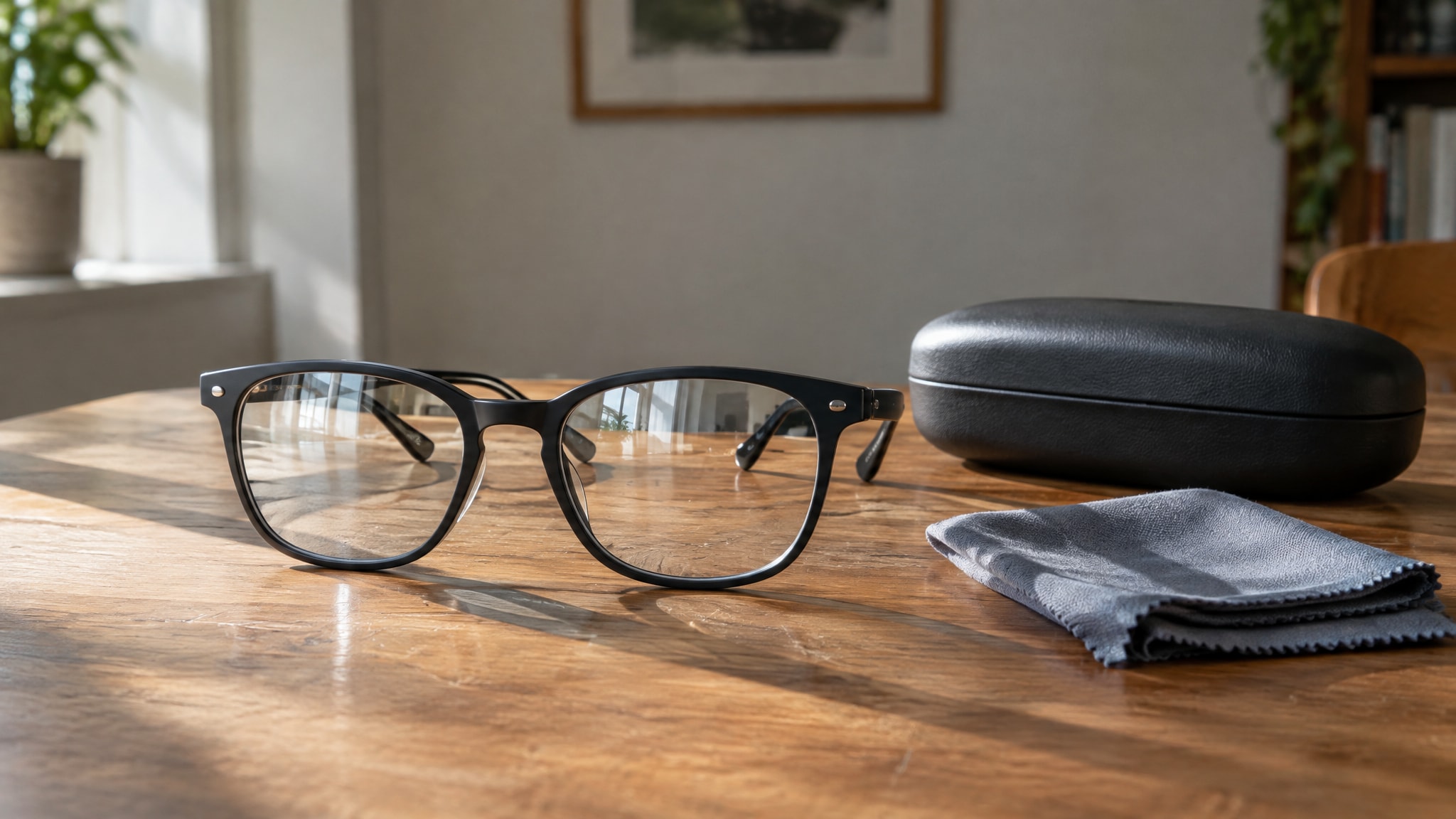
Price tags in Australian eyewear often reflect retail overheads more than the value of the product itself. Search for designer glasses frames cost Australia and you’ll find a big gap between full-service optometrists and specialist online marketplaces. Traditional retail pricing bundles clinical services, showroom rent, and current-season marketing into the frame cost. Prior-season platforms strip those operational expenses out and sell you the product on its own. That distinction matters whether you’re a trade seller managing surplus inventory or a shopper after genuine branded eyewear without the premium markup.
The average cost of glasses frames in Australia isn’t one figure. It’s a spectrum set mostly by brand positioning and distribution channel, not manufacturing complexity. Treat these price bands as benchmarks: the identical physical product can carry very different price tags depending on whether it sits in a current retail display or a surplus warehouse.
Entry-level designer eyewear covers recognised fashion houses and accessible luxury brands with broad market appeal through volume production. At full retail, these frames generally sit between $250 and $350, reflecting standard optical practice markups and current-season positioning. Through prior-season channels, identical new stock frequently drops to the $120–$180 range as distributors clear space for incoming collections. If you want the most accessible entry point to genuine branded eyewear, look at designer glasses frames under $100 during clearance cycles, when surplus levels are highest.
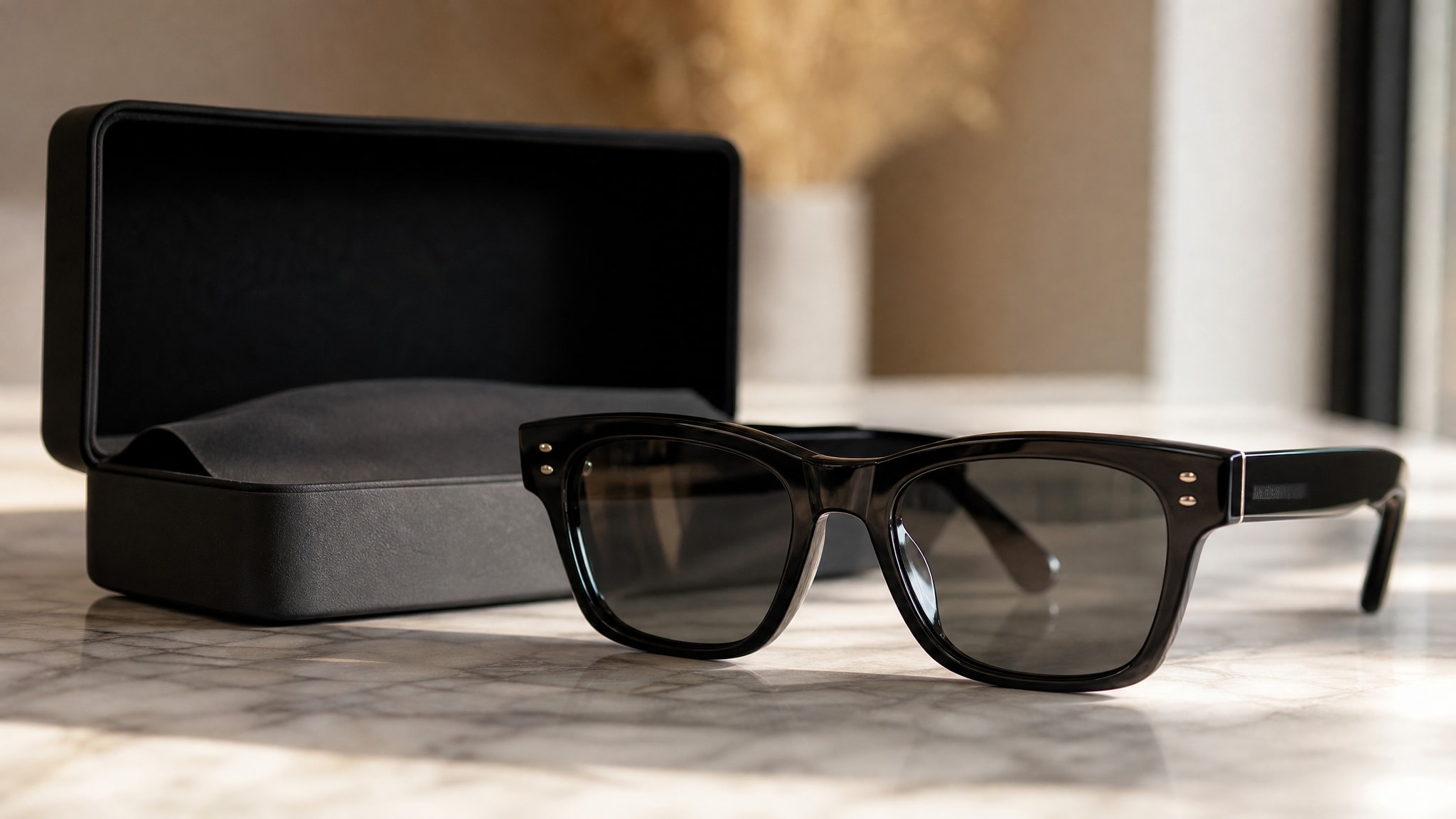
Mid-tier luxury is the core of the designer eyewear market: established European fashion labels and premium independent optical brands. Full retail pricing for these frames at Australian optometrists typically runs $400 to $600, covering the practice’s clinical infrastructure alongside the product margin. Prior-season Gucci or Prada optical frames, for comparison, frequently retail between $180 and $260 on specialist marketplaces, against $450 to $600 for current collections at full-service optometrists. A Gucci sunglasses discount of that size reflects inventory age, not any compromise in materials or authenticity.
High-end and boutique eyewear sits at the top, with specialised manufacturing techniques, proprietary materials, and lower production volumes. Retail prices for these pieces start around $700 and can exceed $1,200 at specialist optical boutiques carrying current collections. Prior-season availability can still cut costs by several hundred dollars while keeping the exact specifications of the original release, since boutique distributors face the same seasonal turnover pressure as mainstream brands. That’s where informed buyers pick up premium craftsmanship below standard retail.
Traditional optical practices typically apply a 2.5x to 3x markup on designer frames to cover clinical overheads. Direct-to-consumer prior-season platforms run on thinner margins because their fixed costs are lower. That structural difference is why the designer glasses price range varies so much for physically identical products across different sales channels.
Optical practices are healthcare providers first and retailers second. Their pricing has to sustain clinical operations, not just product resale. The markup on frames pays for consultation time, diagnostic equipment, regulatory compliance, and professional indemnity insurance, all of which protect patient outcomes. Those costs are legitimate and necessary for full eye care. But they become optional the moment you already have a valid prescription and only need the frame. Separate the product purchase from the clinical service and you pay strictly for the eyewear, not the infrastructure you don’t currently need.
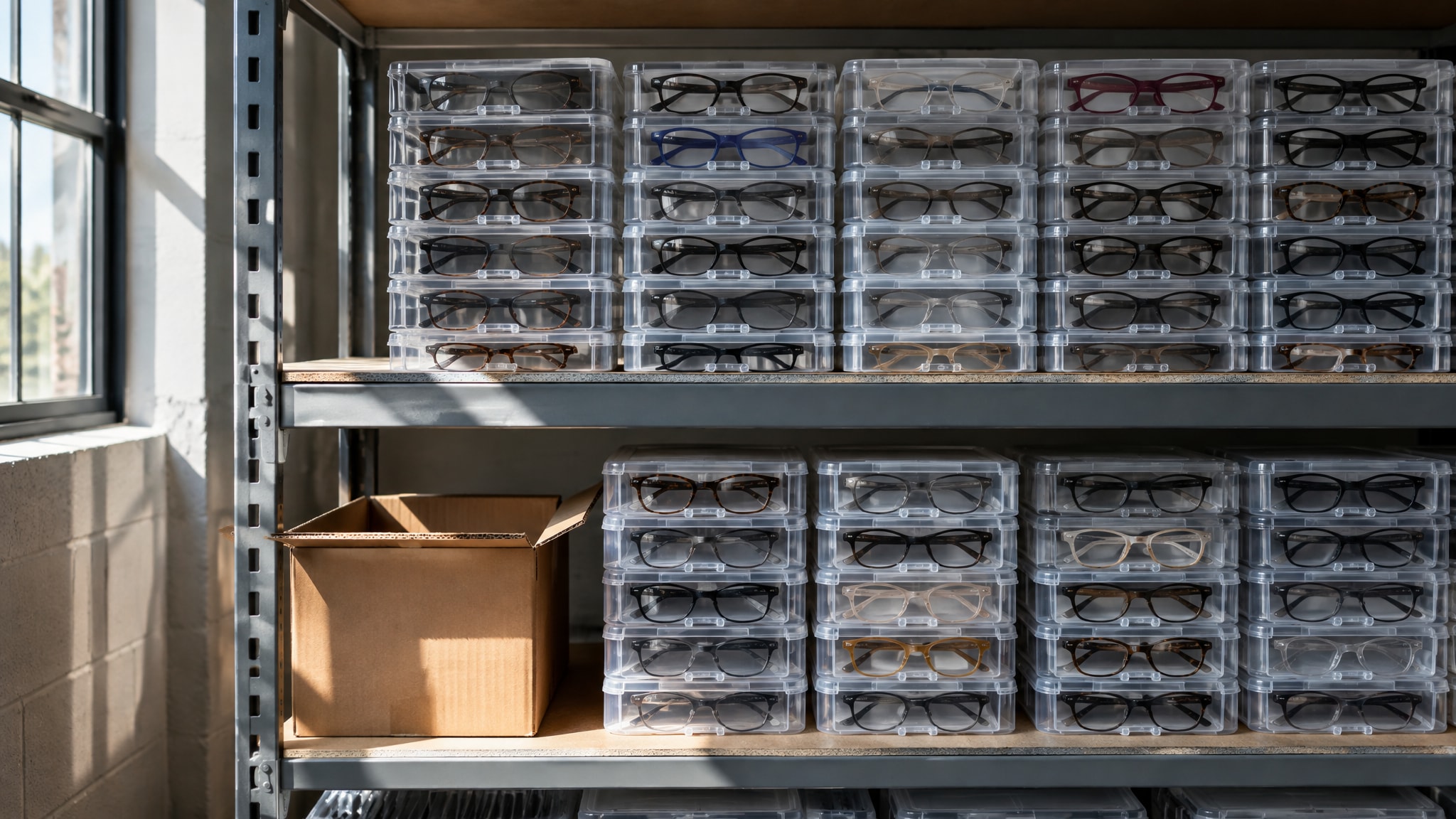
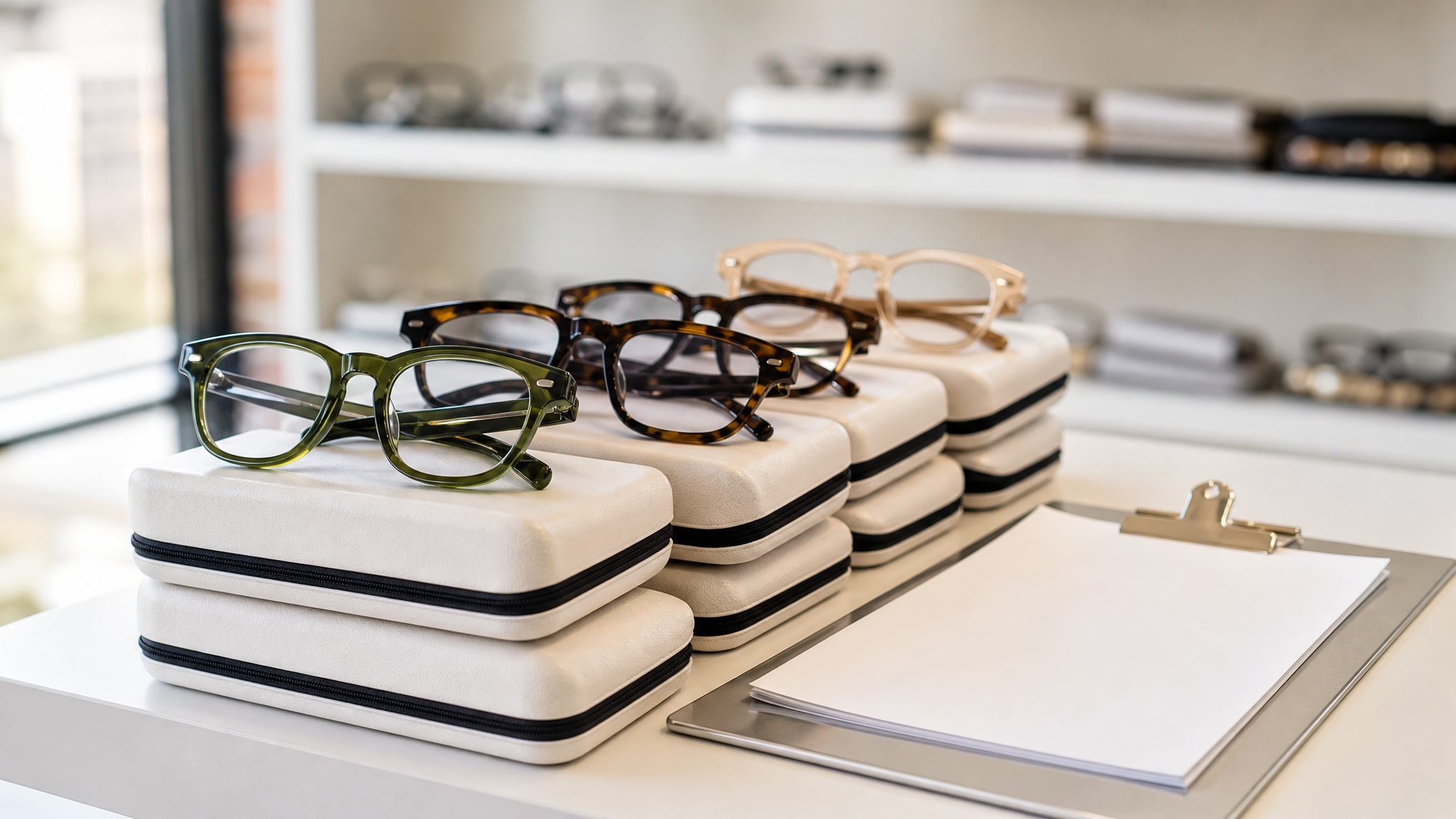
Previous season stock is genuine surplus inventory, optically and structurally identical to current releases despite the lower price. Last Seasons Eyewear sources new, unworn surplus stock directly from Australian distributors and optical practices, so frames are genuine prior-season inventory, not grey-market imports or seconds. Acetate and titanium specifications don’t change between seasonal releases; price cuts on prior-season models reflect fashion cycle turnover, not material downgrades. If you’re wondering about durability or construction standards, previous season glasses frames quality confirms manufacturing integrity holds regardless of calendar year.
This sourcing model won’t suit you if you want the absolute latest colourway or trend-driven silhouette released this quarter.
Brick-and-mortar optical practices carry fixed costs they need to recover through product margins, regardless of sales volume. Prime retail leasing in medical precincts or shopping centres commands premium rents, and that cost factors directly into every frame sold off the display wall. Clinical staffing is another big overhead: qualified optometrists and dispensing opticians earn professional salaries that match their healthcare qualifications.
Display inventory itself ties up capital in current-season stock that depreciates fast as fashion cycles turn over, which pushes practices to keep margins higher on the units that do sell. These expenses make sense within a service model built around in-person clinical care and immediate product access, even when the pricing ends up well above online alternatives.
You benefit from those overheads when you need an eye exam or an urgent adjustment. But if you’re buying frames alone, they’re pure cost with no benefit to you.
A glasses frame pricing breakdown shows how much of your money goes toward tangible product attributes versus brand positioning. That’s the line between a justified premium for better materials and a markup that comes purely from a licensing deal.
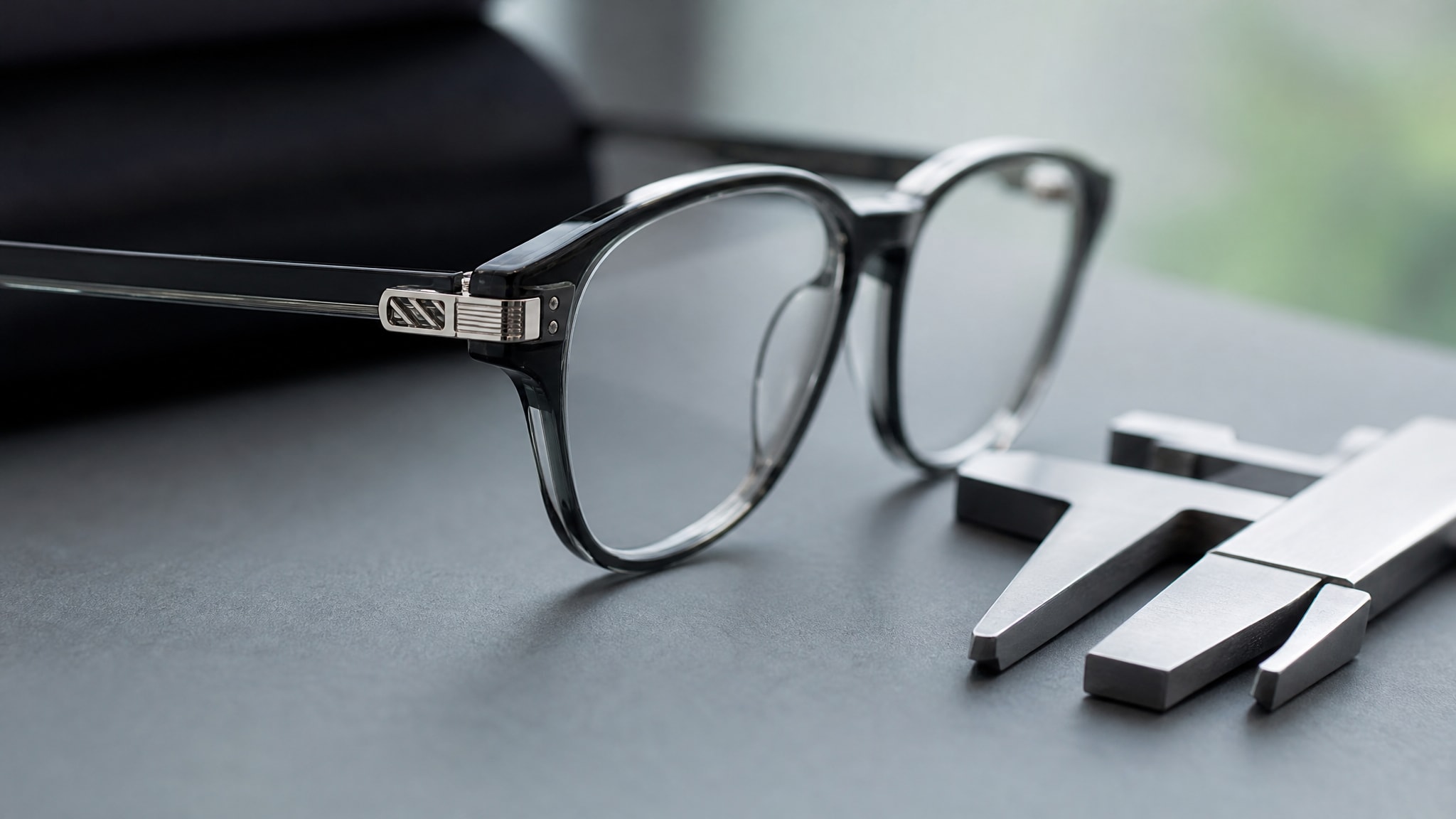
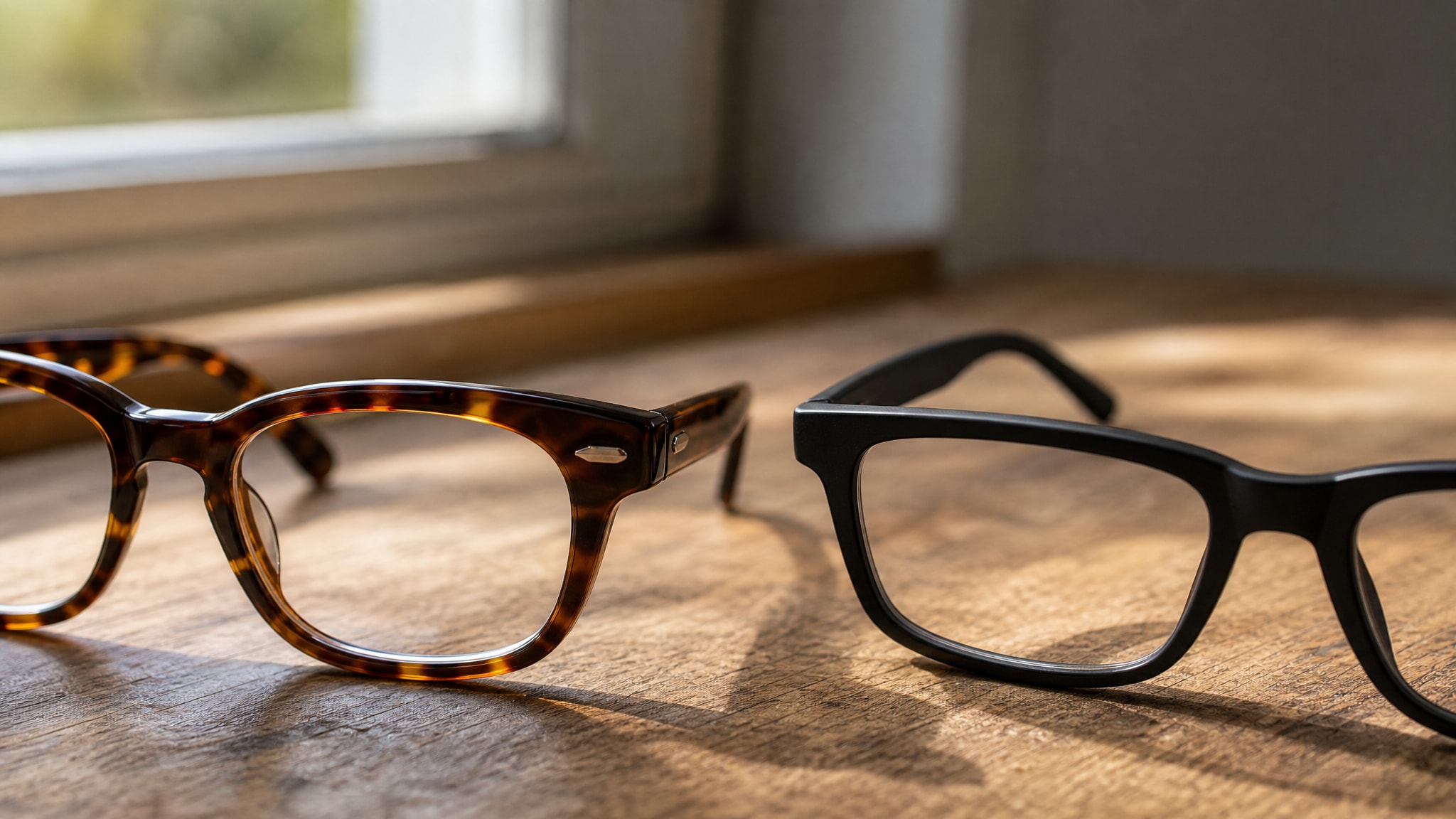
Quality designer frames use specific acetates, titanium alloys, and hinge mechanisms that genuinely affect durability, comfort, and optical performance. Italian Mazzucchelli acetate, for example, holds its polish better and is more hypoallergenic than generic alternatives, which justifies part of the price gap. Titanium construction cuts weight while adding tensile strength, and that requires more sophisticated manufacturing, which adds legitimate cost. These material differences carry across seasonal transitions. A prior-season frame built with premium components performs exactly like its current-season counterpart, at a fraction of the price.
Licensing fees are a big chunk of designer eyewear pricing, and they have nothing to do with manufacturing quality or material cost. Fashion houses license their names to eyewear manufacturers under deals that require royalty payments on every unit sold, which inflates retail prices independent of production expenses. Marketing campaigns, celebrity endorsements, and runway placements add further brand-building costs, spread across consumer purchases.
Buy prior-season stock and you still get the licensed brand name and the prestige that comes with it. The price just reflects cleared inventory rather than active marketing spend. That means you get authentic branded product without subsidising this year’s advertising budget.
Buying designer glasses cheaply and safely means telling legitimate surplus apart from counterfeit or degraded goods that prey on discount-seekers. Price alone doesn’t verify authenticity, so check seller credibility and product condition claims before you commit.
Authentic prior-season eyewear carries specific identifiers that separate it from counterfeits moving through unverified channels. Model numbers, colour codes, and sizing measurements should match manufacturer specifications exactly; any discrepancy is a red flag. Legitimate sellers give you clear provenance, showing authorised distributor relationships rather than vague sourcing claims.
Learn how to check if glasses frames are genuine and you’ll have verification skills that work across any discount purchase. Reputable marketplaces also keep return policies that let you inspect the product on delivery, which cuts your risk buying outside traditional retail.
New-old-stock frames are fundamentally different from secondhand eyewear, in both condition and optical suitability. Genuine prior-season inventory has never been worn, adjusted, or exposed to the skin oils that degrade acetate over time. Secondhand frames may carry hidden stress fractures, stretched hinges, or worn nose pads that affect fit and longevity.
More critically, previously glazed frames can have lens grooves or heating marks that limit reglazing options for your specific prescription. Verified new surplus gets you an optically pristine product suitable for professional lab fitting. Secondhand purchases bring variables that can compromise the final result.
Surplus inventory from Australian distributors often includes premium names that rarely turn up in standard clearance sales or department store promotions. This channel gets you specific, recognised brands at reduced prices, without resorting to generic discount outlets that lack optical credibility.
European fashion houses dominate the designer eyewear segment, and their Australian distributors regularly cycle through seasonal stock, which creates opportunities in the marketplace. Brands like Prada, Tom Ford, and Versace keep consistent manufacturing standards across seasons, so prior-season versions work exactly like current releases. A Ray-Ban outlet alternative through specialist surplus platforms gives you similar accessibility for heritage brands with wider distribution networks. These European labels also run through established optical supply chains in Australia, so surplus stock arrives through legitimate domestic channels rather than parallel imports with uncertain warranty status.
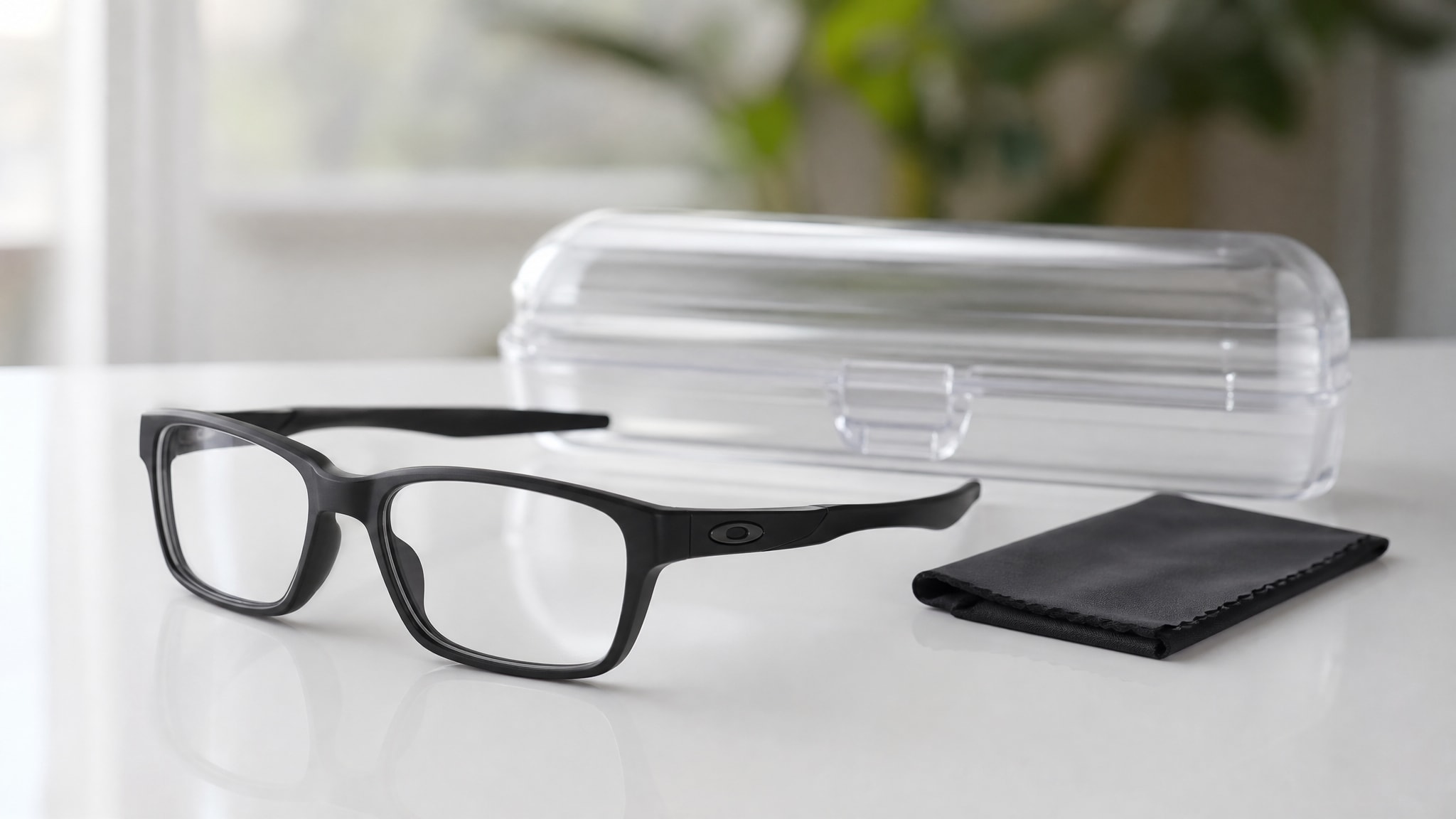
Performance and lifestyle eyewear brands sit in their own niche, where technical specs matter as much as looks. Sports-oriented frames from brands like Oakley or Rudy Project use impact-resistant lenses and grip technologies built for function, not just fashion. Lifestyle brands such as Paul Smith or Moscot blend contemporary styling with traditional craftsmanship for design-conscious buyers.
Surplus stock in these categories often shows up when distributors update colourways or drop specific collaborations, opening a window to buy technically capable frames below standard retail. These are commercial inventory decisions, not product obsolescence, so the performance characteristics that define the brand stay intact.
Frame savings from prior-season purchases free up budget you can redirect toward better lens technology, without blowing your total eyewear spend. Progressive lenses, anti-reflective coatings, and photochromic treatments often make up the largest share of complete eyewear costs, and they deliver real functional benefits day to day.
Discounted frames are fully compatible with standard Australian optical lab glazing services. Any licensed dispensing optician can fit them with your chosen lens package. That compatibility means frame savings turn directly into either lower total spend or better optical performance within the same budget.