Finding polarised sunglasses on sale in Australia usually means scrolling past a wall of no-name brands with vague “polarised” claims and no real lens testing behind them. That’s not what this guide is about. Here’s what polarised lenses actually do, why genuine ones cost more when bought new, and how you can buy a real branded pair without paying full retail or gambling on a used listing.
Polarised lenses aren’t just a darker tint. They’re built with a special filter that changes how light passes through the lens.
Light that bounces off flat surfaces, like water, roads or a car bonnet, tends to scatter horizontally. That horizontal glare is what makes it hard to see past the surface of a lake, or through a windscreen on a bright day.
Polarised lenses have a chemical film that blocks that horizontal light. Non-polarised lenses just reduce overall brightness. They dim everything evenly, but they don’t cut the specific glare that causes eye strain.
This is the core of the polarised vs non-polarised sunglasses debate. Both types cut light. Only one cuts the glare.
Polarised lenses filter out horizontally scattered light. That’s why they cut glare from flat, reflective surfaces, water, wet roads, car bonnets, far more effectively than tinted non-polarised lenses.
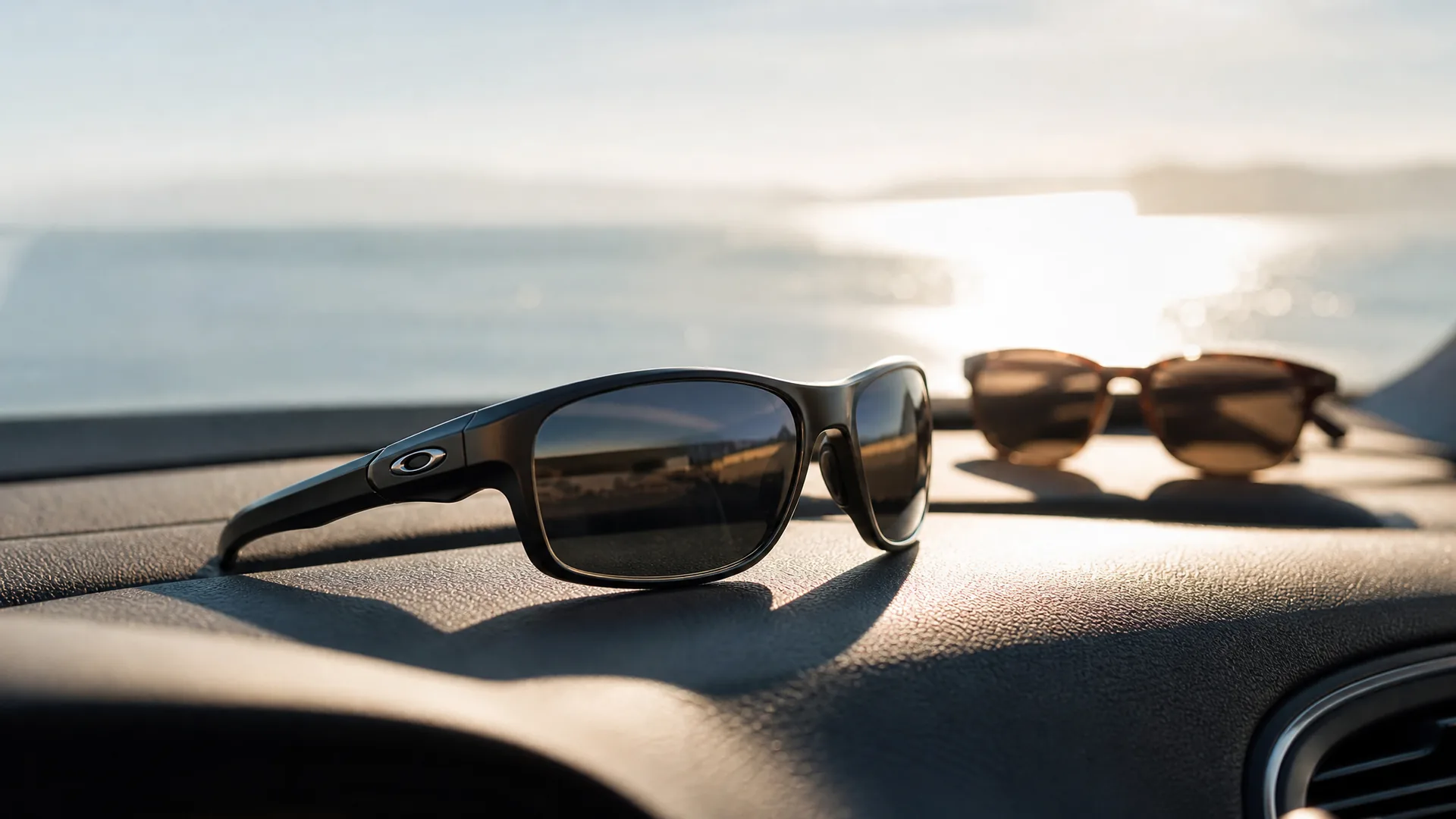
For drivers, that means less squinting and better visibility on wet or sun-drenched roads. For anyone near water, boating, fishing, or just at the beach, it means you can actually see below the surface instead of a wash of reflected light. It’s a genuine functional upgrade, not a marketing add-on.
Genuine polarised lenses cost more to make than standard tinted ones. That shows up in the retail price of a new pair.
Making a true polarised lens takes an extra layer of film and a more complex production process than simply tinting glass or plastic. Brands also license their lens tech and pay to test and certify it.
On top of that, retail markups on eyewear are steep. A brand-name pair of polarised sunglasses often carries several layers of margin, from manufacturer to distributor to shop, before it reaches a customer at full price. None of that markup is unusual. It’s just how new, current-season branded eyewear is normally priced.
The retail markup on a new release doesn’t disappear once the season ends. It just becomes negotiable.
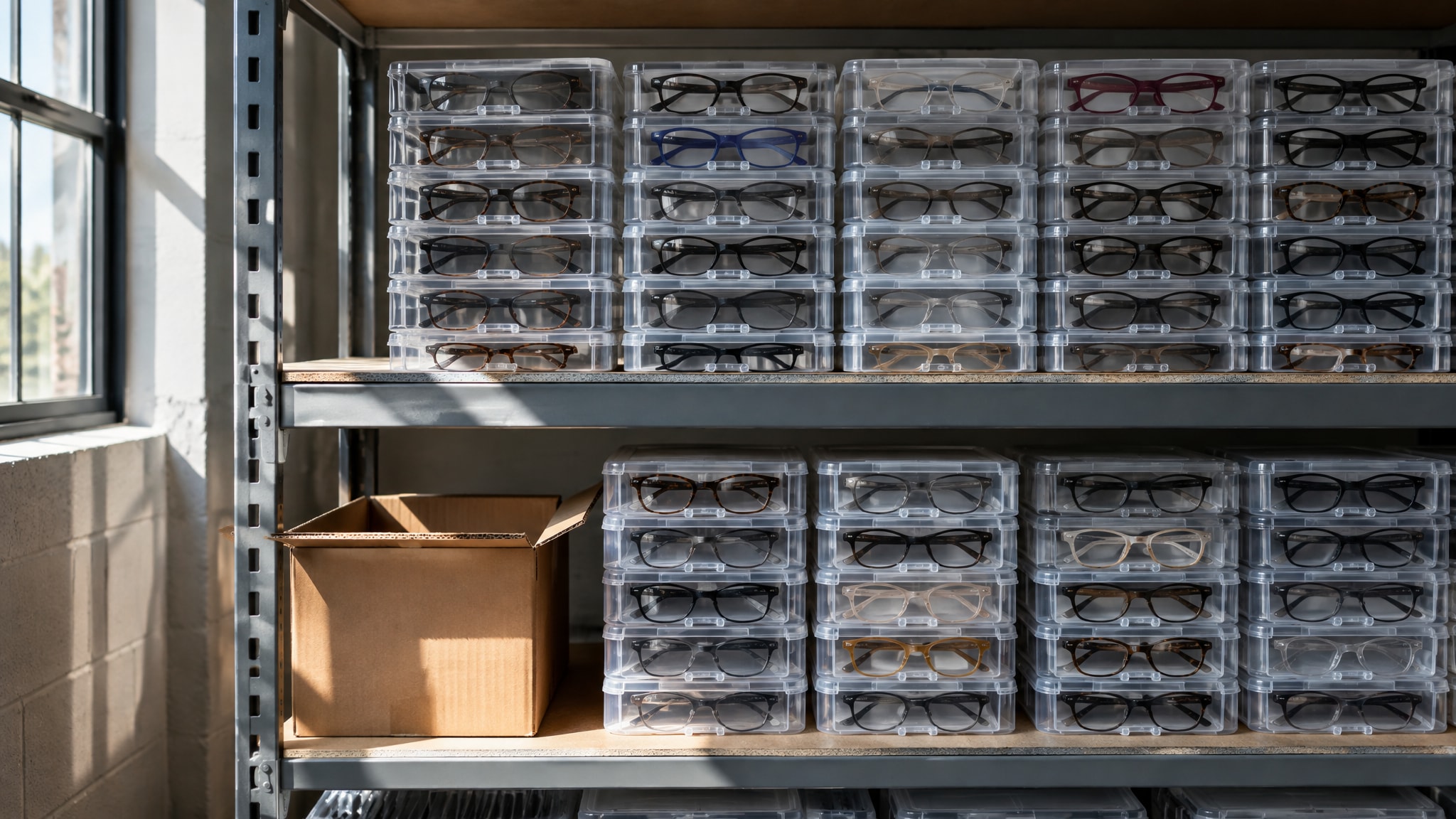
Distributors and optometrists regularly clear stock from previous seasons to make room for new releases. That stock isn’t damaged or used. It’s simply no longer “current.”
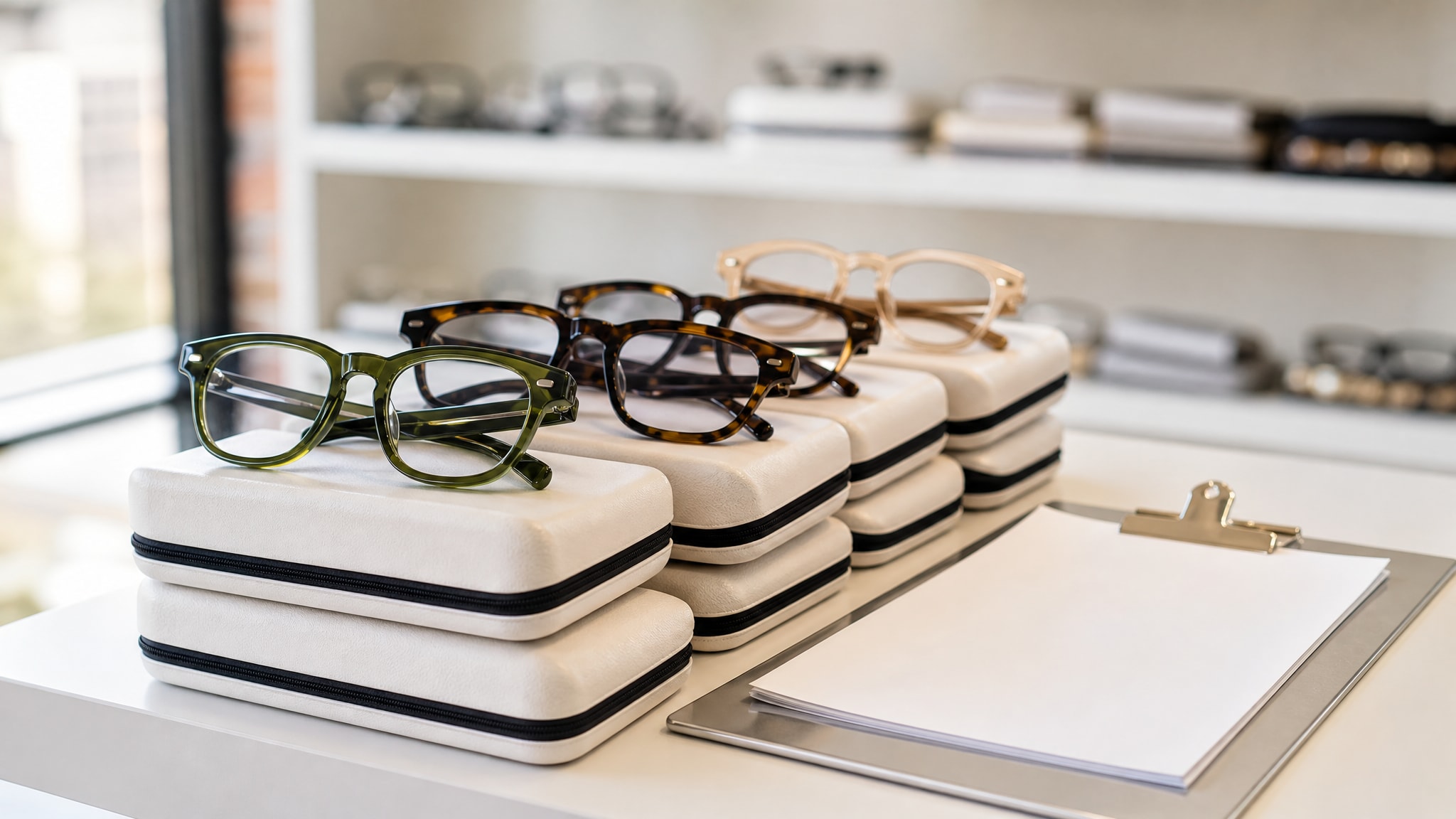
Last Seasons sells new, unworn prior-season polarised sunglasses from recognised brands, sourced directly from distributors and optometrists clearing surplus stock, not secondhand or grey-market goods. Buying this way is one of the more reliable paths to branded polarised sunglasses cheap, because the saving comes from the stock’s season, not its condition or authenticity.
A polarised pair from a recognised brand that sold at full price last season can reach a customer at a markedly lower price once it’s classified as prior-season stock. The lens technology and build quality stay unchanged. The lens still filters glare the same way it did the day it was made. For a wider look at how this pricing model plays out across the year, year-round prior-season sunglasses deals show the same pattern repeating with new stock drops.
Buying polarised sunglasses online in Australia through a prior-season retailer changes the economics, not the product. You’re still getting a genuine branded frame and lens. You’re just buying it after the brand’s current-season marketing cycle has moved on.
It also means broader stock ranges are often available online than in a single physical store, since the retailer draws from multiple prior-season lines rather than one current catalogue.
Not every sale listing is equal. A few checks separate a genuine bargain from a risky purchase.
You can test true polarisation yourself. Look at a reflective screen or water surface through the lens and rotate the glasses. A polarised lens will show the glare change or disappear as you turn it. A non-polarised or fake “polarised” lens won’t show that shift.
Reputable sellers state polarisation clearly on the product listing, along with the lens category and UV protection rating. If a listing is vague about these details, treat it as a red flag.
Check that the listing names the actual brand and model, not a generic description. Genuine branded stock will state this plainly.
Look at frame material, fit notes and any listed condition grading. New, unworn prior-season stock should be described as such explicitly, with no mention of wear, scratches or prior use. If you wear prescription glasses, it’s worth knowing that branded prescription sunglasses at lower prices follow the same prior-season sourcing model.
There’s a real difference between prior-season and secondhand, and it’s worth being clear-eyed about it before you buy.
Secondhand polarised sunglasses, whether from a marketplace listing or an op shop, come with unknown history. Lens coatings wear down with use and cleaning over time, which can reduce how effectively the polarising filter works. Scratches on the lens surface distort vision in exactly the areas where clear sight matters most, like when driving into glare.
There’s also a hygiene angle a lot of buyers don’t think about upfront. Sunglasses sit directly on skin and near the eyes, and a secondhand pair carries someone else’s wear regardless of how clean it looks.
Prior-season stock avoids all of this because it’s new and unworn. It’s simply from an earlier release cycle rather than the current one. For anyone weighing the two options, it’s worth understanding whether previous-season frames are worth it in more detail, and how the sourcing model behind genuine savings on previous-season frames actually works. The same logic that applies to optical frames sourced as discontinued optical frames for sale applies directly to polarised sunglasses: discontinued doesn’t mean lower quality, it means lower price.
Shipping cost is one of the quiet ways a “discount” pair ends up costing close to full retail once it lands in your hands.
Every pair ships free anywhere in Australia. That removes a common hidden cost that inflates the final price on many discount sunglasses listings, across the country, not just for buyers near a capital city. You can read the full free shipping on eyewear across Australia policy for the specifics.
Combined with genuine prior-season branded stock, the price on the listing ends up a lot closer to the price you actually pay. If you’re ready to stop paying full retail for glare protection that costs the same to make regardless of season, browse the current range of genuine branded polarised sunglasses and check what’s in stock before it sells out.