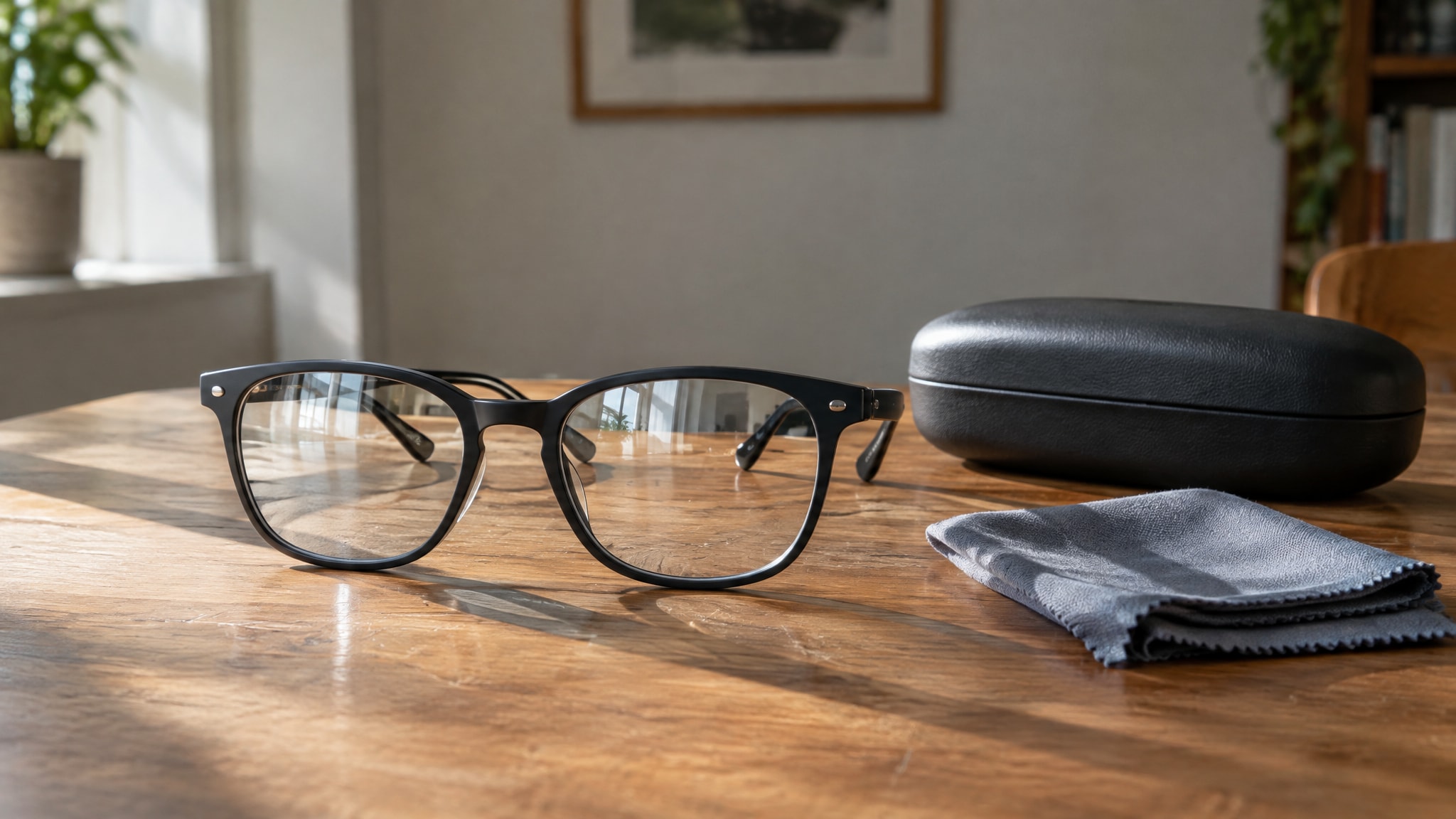
Australians searching for a Warby Parker alternative usually want the same thing: stylish, well-made frames without the full boutique price tag. The trouble is that the best-known direct-to-consumer eyewear brands are based overseas, which creates real friction for local buyers who want reliable service and easy returns. Last Seasons lists new, unworn prior-season stock from established designer brands at reduced prices, with free shipping across Australia.
The marketplace connects optical practices and distributors holding surplus inventory directly with style-conscious buyers. You get genuine branded eyewear that meets current quality standards but costs less because it’s from a previous collection. It’s a straightforward exchange of value that skips international freight complications while keeping premium manufacturing within reach.
Direct-to-consumer eyewear has obvious appeal, but Australian customers hit specific barriers trying to access these labels locally. The marketing suggests simplicity. The reality of cross-border retail often involves unexpected costs and support gaps, which is exactly why a local Warby Parker equivalent makes more sense for everyday wear.
Ordering glasses from an overseas retailer brings in variables that rarely exist in domestic commerce. International shipping fees can add twenty or thirty dollars to the base price. Return logistics get expensive fast if the fit isn’t quite right.
Customs delays and possible import duties complicate things further. You can’t walk into a local store for an adjustment or warranty claim when your frames shipped from a warehouse on another continent.
Local optical support is the piece the international DTC model tends to miss. Most overseas brands have no authorised service partners here, so any repair or lens fitting has to be arranged independently, at your own risk.
Established fashion houses and optical specialists have spent decades refining hinge mechanisms, acetate curing processes, and ergonomic fits. That knowledge shows up in hardware that often outlasts newer entrants chasing trend cycles instead of durability.
Buyers increasingly link brand heritage to build quality rather than just logo prestige. Buy prior-season stock from these labels and you’re getting that accumulated expertise at a price close to generic alternatives.
The demand for affordable designer glasses in Australia comes from wanting that provenance without the premium markup. A frame designed by a dedicated eyewear house carries specifications a generic house brand can’t replicate at scale.
Compare discounted designer eyewear against modern DTC offerings and the differences in materials and construction stand out fast. Both categories target similar price brackets, but the value proposition diverges sharply once you look at the physical product.
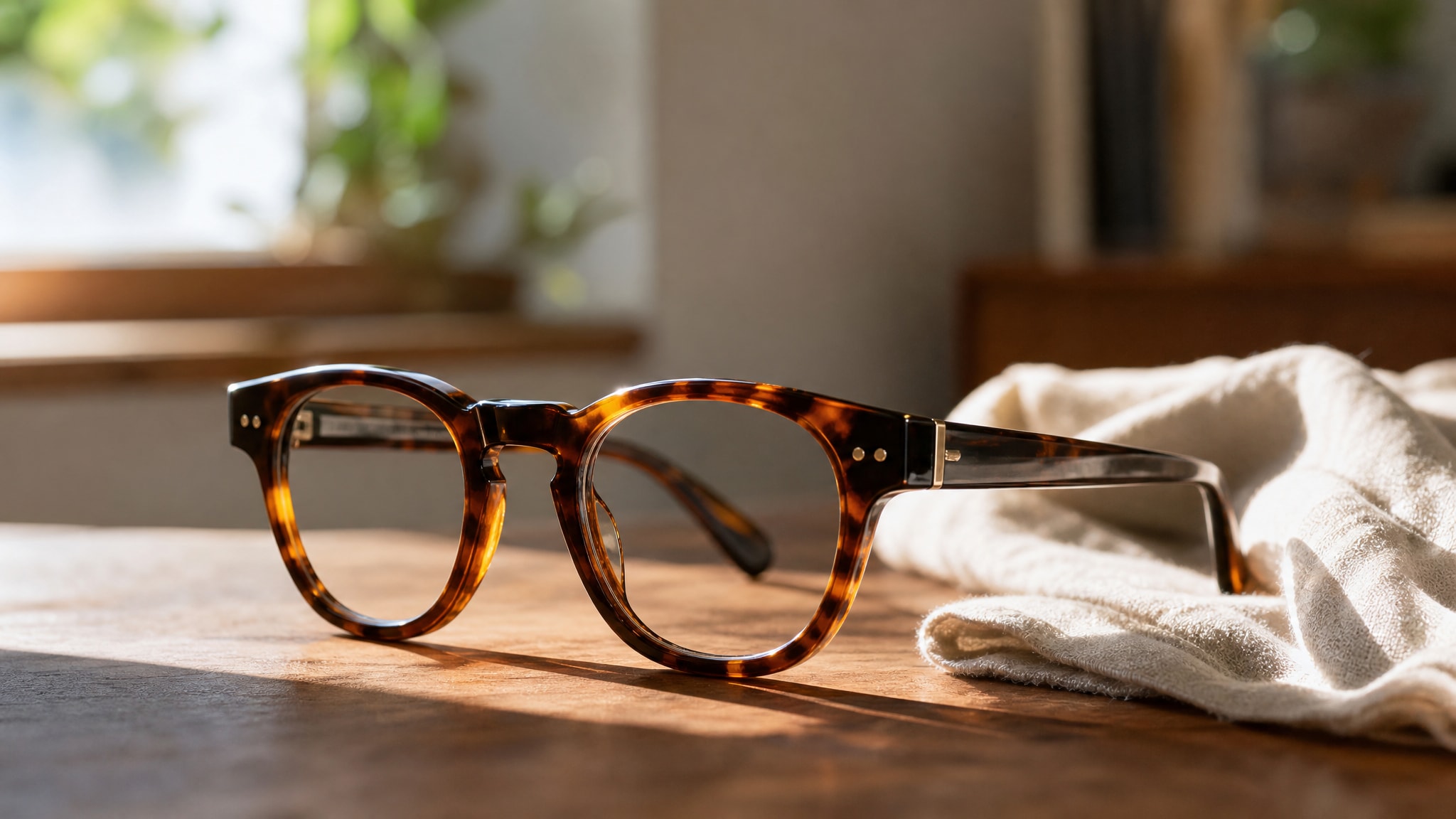
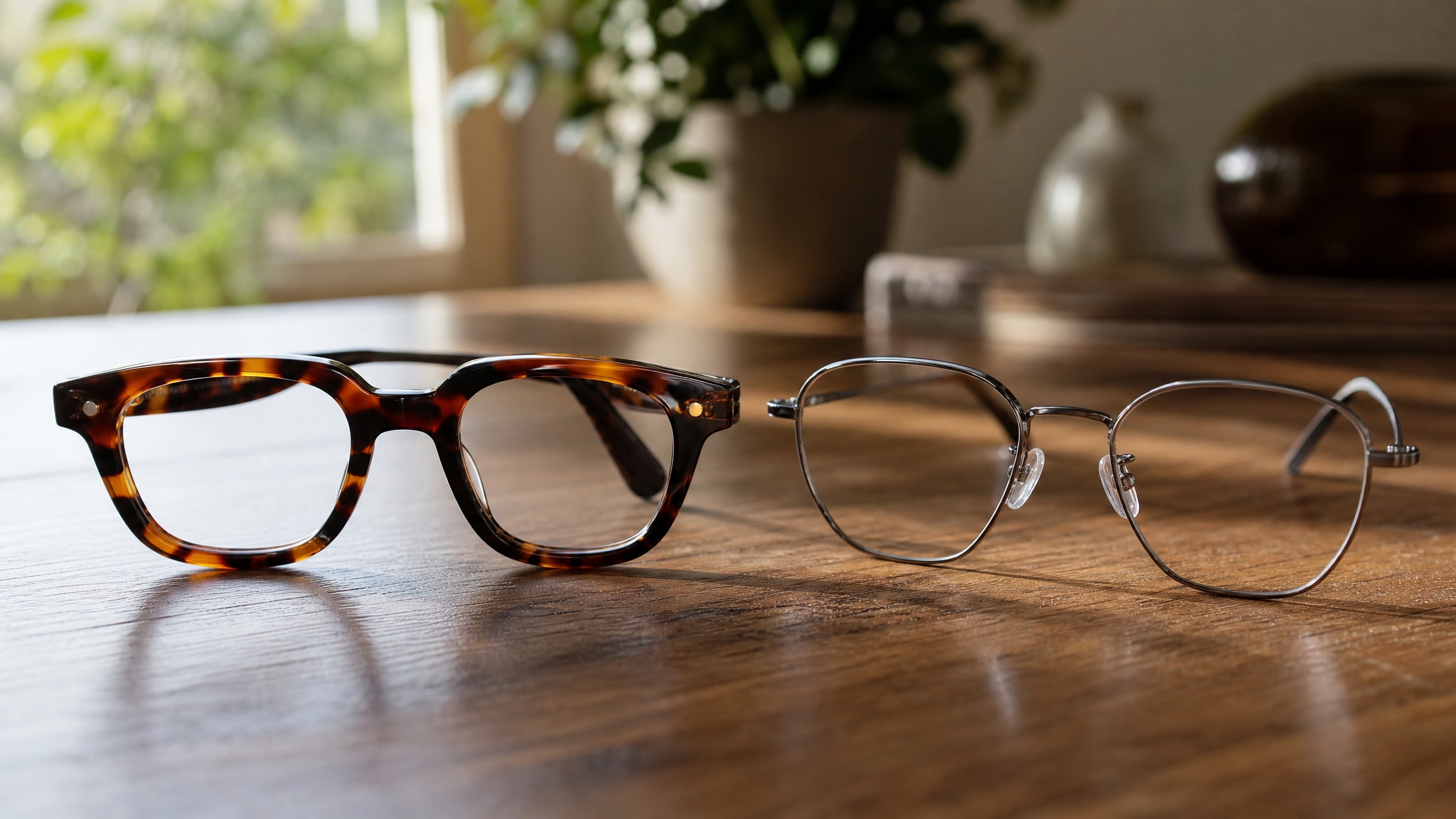
Heritage optical brands typically source acetate from specialised mills in Italy or Japan, built to strict density and polishing standards. It resists warping and keeps its lustre far longer than the standard cellulose acetate used in many budget house brands.
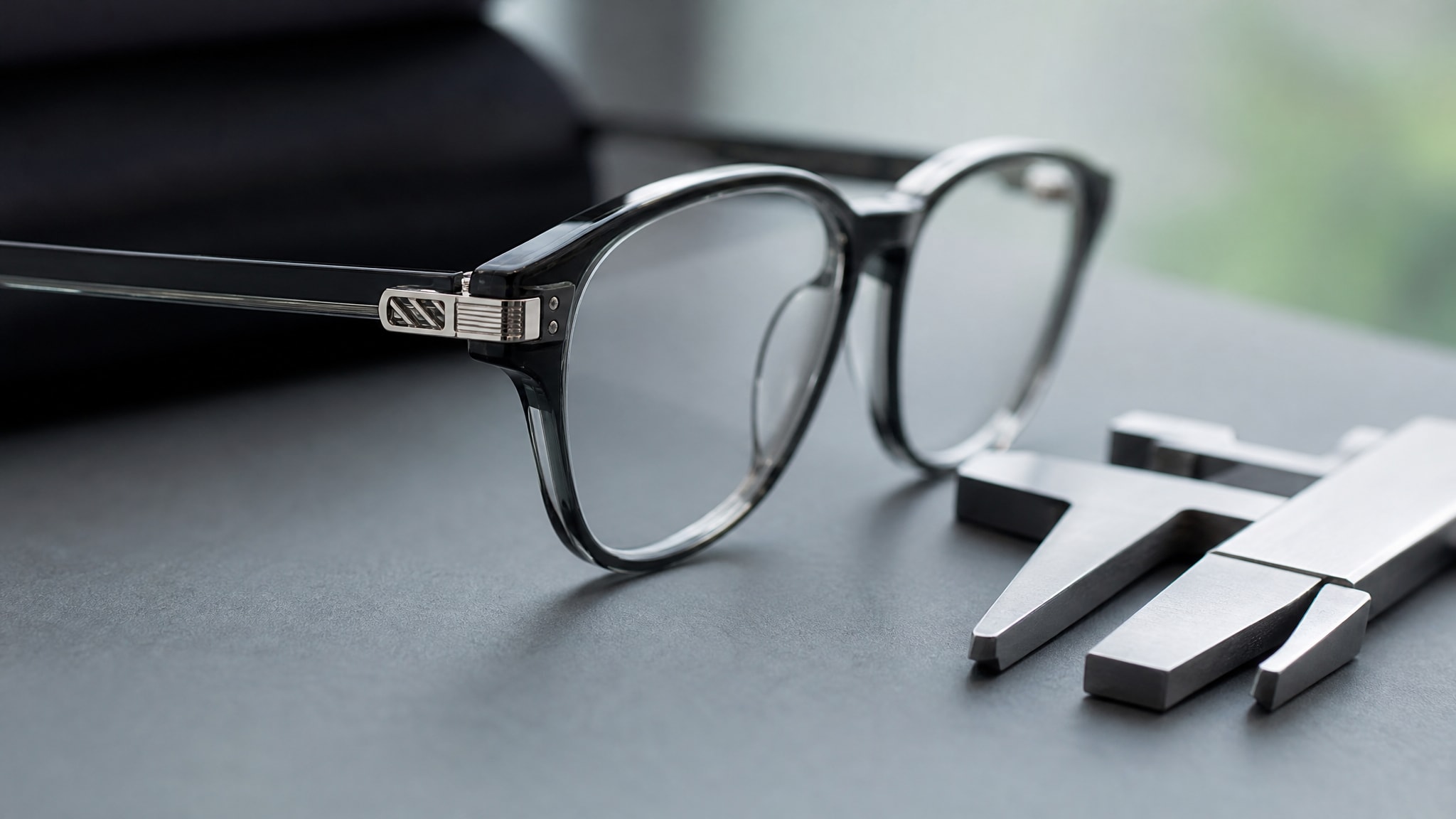
Hinge construction is another good indicator of how a frame was made. Designer frames often use five-barrel hinges or spring mechanisms tested for tens of thousands of articulations. Cheaper alternatives often rely on simpler riveted assemblies that loosen over time.
Buying previous-season eyewear gets you these components without paying current-year retail premiums. The discount reflects inventory age, not a compromise in structural integrity or material grade.
A $180 pair of designer frames worn daily for three years costs roughly sixteen cents a day. A $120 pair of generic frames that needs replacing after eighteen months costs twenty-two cents a day. The cheaper option ends up costing more.
Eyewear is a functional tool under constant handling and environmental stress, so this maths matters. Paying for better build quality at a discounted rate beats cycling through lower-spec alternatives over time.
Prior-season optical frames typically sell at significant discounts off original RRP because they’re surplus inventory, not because of manufacturing defects or inferior materials. You capture the margin that would otherwise go to retail overheads.
Australian marketplaces now give buyers access to tiered designer eyewear that used to sit behind high retail markups or exclusive boutique relationships. Budget-conscious buyers get reputable labels with immediate domestic availability and transparent pricing.
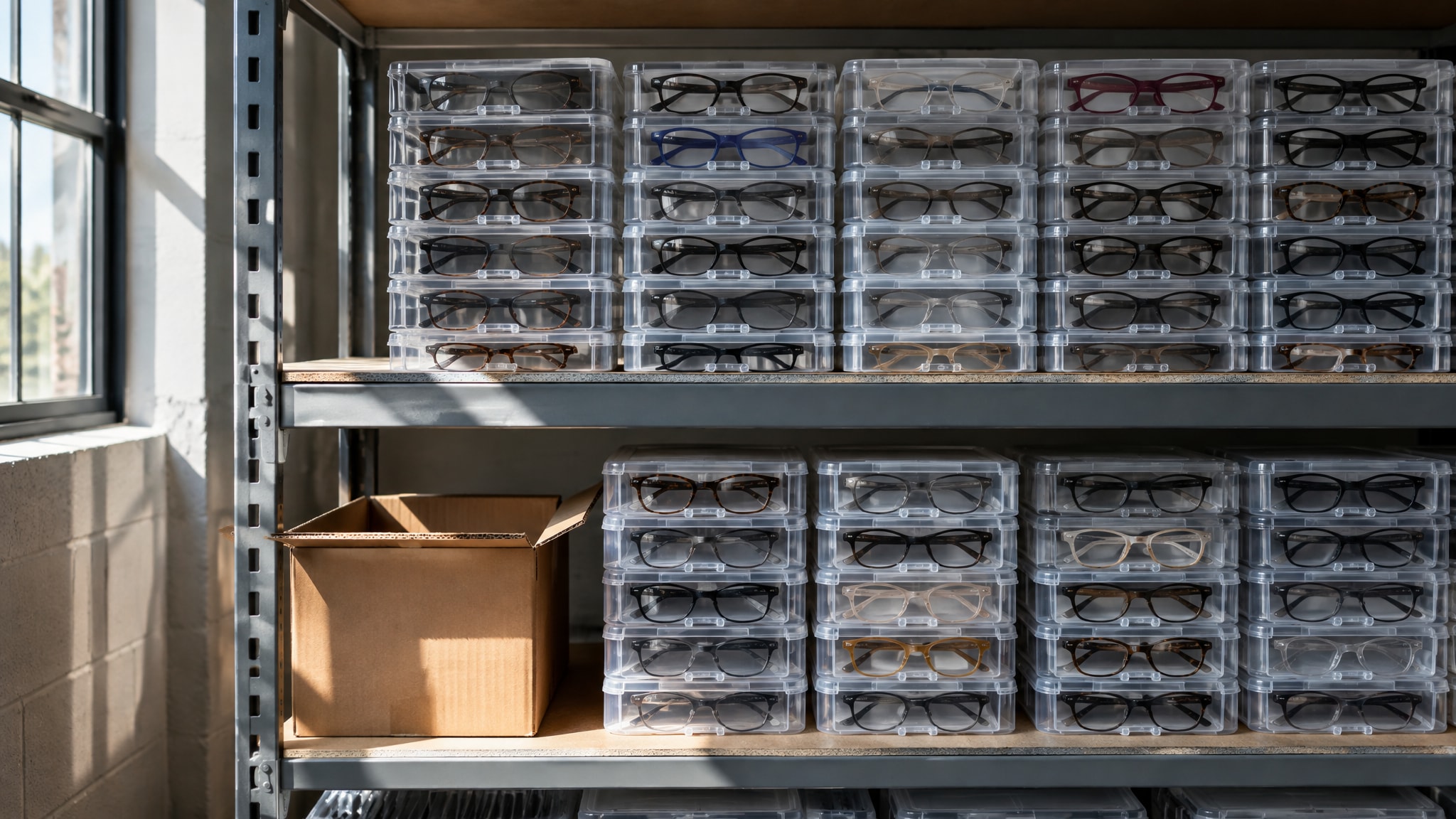
Surplus stock from major fashion houses regularly turns up in the local market well below traditional retail prices. These frames arrive new and unworn, cleared by optometrists updating their display inventory rather than sold as distress stock.
You’ll find established European and Japanese optical brands in this range, each with distinct design signatures and solid construction. The savings come from the calendar, not from cutting corners on production or authenticity.
Distributors need to move volume efficiently, which is exactly why budget designer glasses reach Australian shoppers through this channel. Last Seasons sources unworn surplus stock directly from Australian optometrists and distributors, so frames arrive in new condition rather than as secondhand or grey-market imports.
Sunglass pricing often carries a substantial markup for seasonal relevance and marketing spend. Buying prior-season sunwear strips out that temporal premium while keeping the UV protection and optical clarity of the original spec.
Domestic availability removes the currency conversion risk and freight surcharges that come with importing luxury accessories. You pay Australian dollars for stock already cleared through local customs and stored properly.
All orders include free shipping across Australia, which removes the variable international freight costs and customs delays that come with overseas DTC retailers. That makes premium sunglasses easier to justify, without the guesswork of cross-border shopping.
People still confuse surplus inventory with pre-owned goods, despite a clear industry distinction. Discounted branded frames sold online in Australia through reputable channels are new, never previously worn, and sourced from licensed trade partners.
Secondhand eyewear carries real hygiene risks and unknown wear patterns that affect both safety and comfort. Acetate absorbs skin oils and sweat over time, which can irritate skin or degrade the frame in ways cleaning won’t fully reverse.
Surplus stock keeps its original factory finish, protective coatings, and structural warranty because no one has ever worn it. These affordable frames are new-condition items cleared by optometrists, not pre-owned pieces.
Trade sellers list this inventory to recover capital tied up in slow-moving stock, not to offload defective merchandise. The discount rewards buying speed while protecting the brand’s reputation.
Buying frames separately from lenses has become a preferred approach for Australian shoppers who want both value and professional care. It splits the hardware purchase from the optical service, so you control each part of the transaction.
Buying frames separately from lenses lets Australian consumers get premium branded hardware at reduced prices while keeping their relationship with their local optometrist for fitting and aftercare. Your optometrist can check frame compatibility with your prescription strength and pupillary distance before any lens work starts.
This separation also means measurements get taken in person, not estimated through digital tools. Complex prescriptions in particular benefit from a hands-on look at frame angle and vertex distance.
You keep full Medicare and private health insurance benefits for the optical consultation and lens portion of your purchase. Frame-only transactions sidestep the bundling restrictions some insurers place on packaged deals.
Local fulfilment means your order arrives within standard domestic transit times, not after weeks of international processing. Tracking stays visible the whole way through familiar Australian courier networks.
Returns follow ordinary domestic procedures, with no customs declarations or foreign currency refund delays. If a frame doesn’t suit your face shape or prescription, exchanging it just means posting it back to an Australian address with a prepaid label.
Can you buy prescription-ready frames online and get lenses fitted locally? Yes, and that flexibility is exactly why many Australians prefer domestic marketplaces over integrated overseas retailers. You pick the frame you want, then take it to whichever optical professional you trust for glazing.
Counterfeit eyewear turns up wherever legitimate brands sell at reduced prices, so verification matters. Reputable Australian platforms cut that risk with documented supply chains and direct trade relationships.
Check whether the seller sources exclusively from licensed optical distributors and registered optometry practices rather than open-market wholesalers. Authentic prior-season stock has traceable provenance back to authorised brand representatives.
Product listings should specify exact model numbers, colour codes, and size measurements that match manufacturer databases. Vague descriptions or missing technical details are usually a sign of unverified inventory.
Last Seasons works with Australian optical businesses who put their professional reputation behind every listing. That’s a different accountability structure to anonymous marketplace sellers with no ongoing relationship to brand licensors.
Genuine surplus stock arrives with original packaging, authenticity cards, and manufacturer warranties where applicable. Counterfeit operations rarely replicate these details convincingly.
Shopping prior-season collections means adjusting your expectations around specific colourways and limited size runs. Surplus inventory reflects what retailers originally stocked, not current demand, unlike made-to-order DTC models.
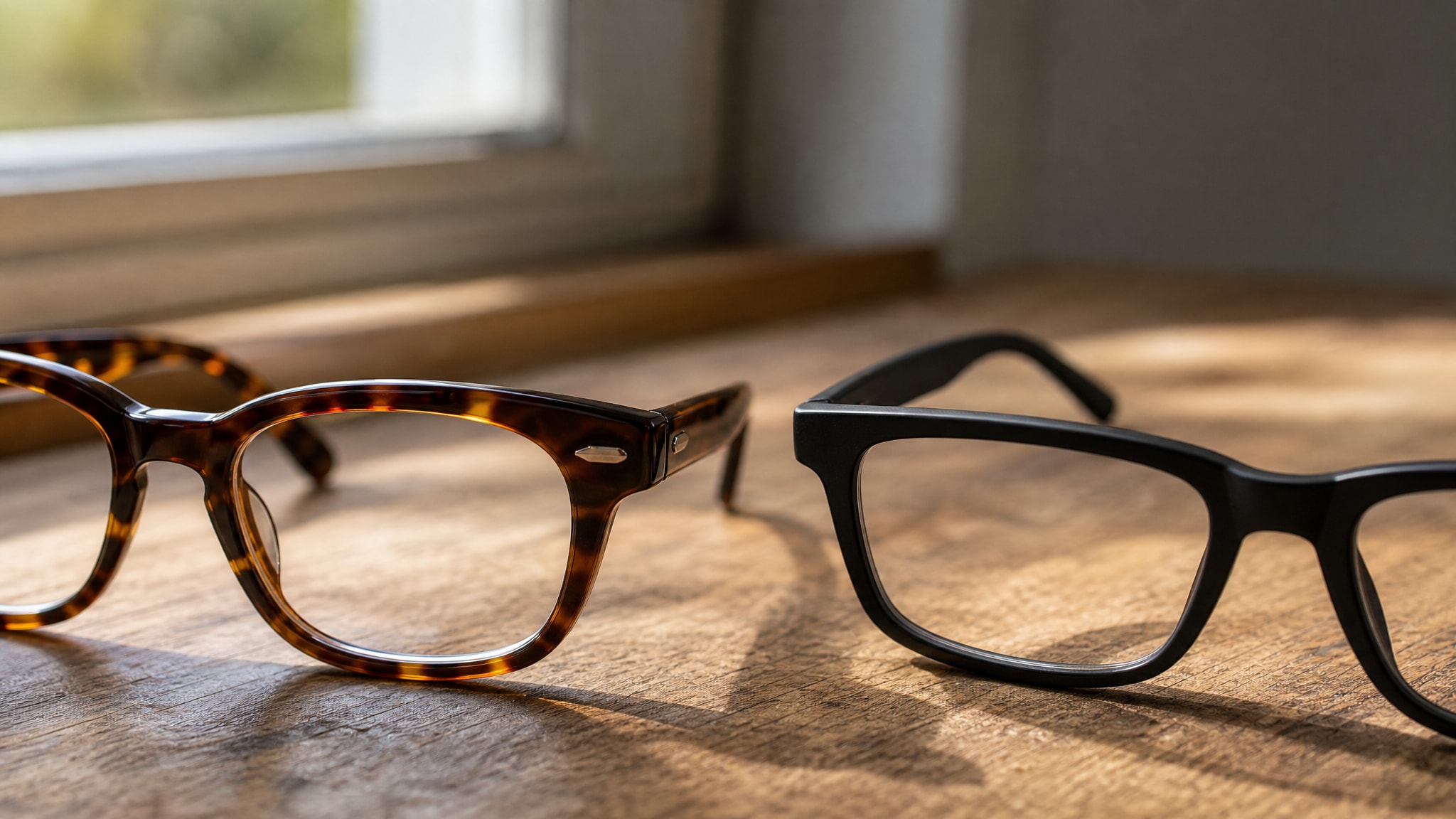
That’s actually good news if you’re after timeless looks over fleeting trends. Classic shapes like rectangular tortoiseshell, round matte black, and aviator metal stay relevant regardless of the season’s marketing calendar.
Look for versatile silhouettes that suit multiple outfits and occasions rather than statement pieces tied to a specific fashion moment. Neutral colourways and proportional sizing hold up well beyond this year’s styling preferences.
Being flexible on the exact SKU pays off if the design itself is built to last. You might not find the precise shade from last month’s editorial, but you’ll get fundamentally better construction at a fraction of the intended retail price.
Browse current new-condition designer frames with free Australian shipping to explore what’s available today.