Glasses frame materials decide how light, durable and comfortable your eyewear feels every single day. Titanium, acetate and TR90 are the three names you will see most often. Yet product pages rarely explain what they actually mean for you. The material is not just a line on a spec sheet. It shapes the weight on your nose, the colours on offer and how long your frames last. This guide translates the jargon into plain English. By the end, you will choose glasses frame materials with total confidence.
Two frames can look almost identical, yet feel completely different to wear. The material is the reason. It controls weight, flexibility, durability and even whether the frame irritates sensitive skin. Furthermore, material affects price, because premium metals cost more to work with than moulded plastics. So before you fall for a shape, it pays to know what it is made from.
The good news is that you only need to understand a handful of materials. Three of them — titanium, acetate and TR90 — cover the vast majority of quality frames. Each one has a clear strength and a clear ideal wearer. With that in mind, let us look at what each material does best
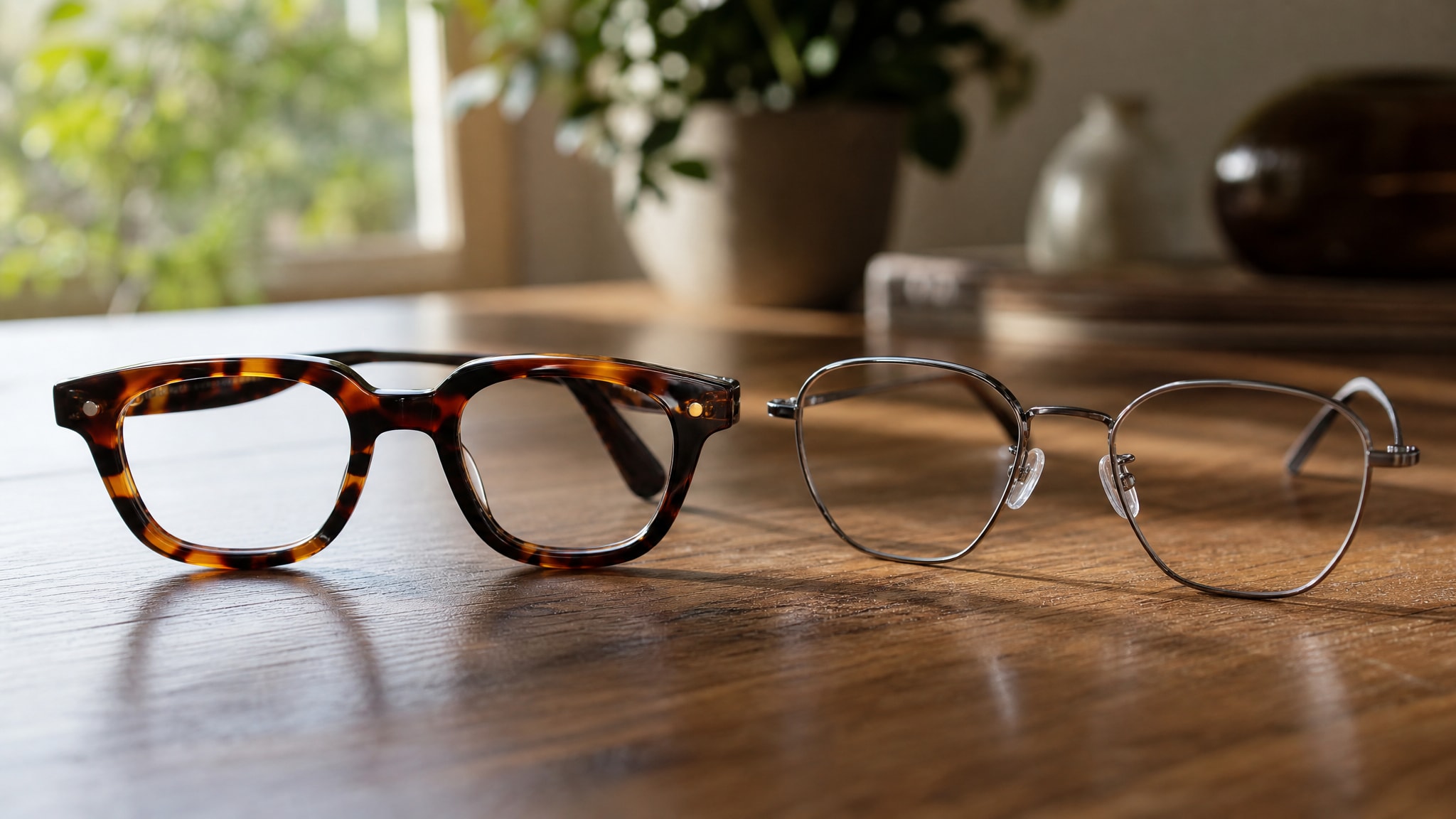
Titanium glasses frames sit at the premium end, and they earn their reputation. Titanium is remarkably strong. Even so, it weighs around half as much as stainless steel. It also resists corrosion and rust, so it copes well with sweat and humidity. Most importantly, titanium is hypoallergenic. That makes it ideal for anyone with sensitive skin or a metal allergy.
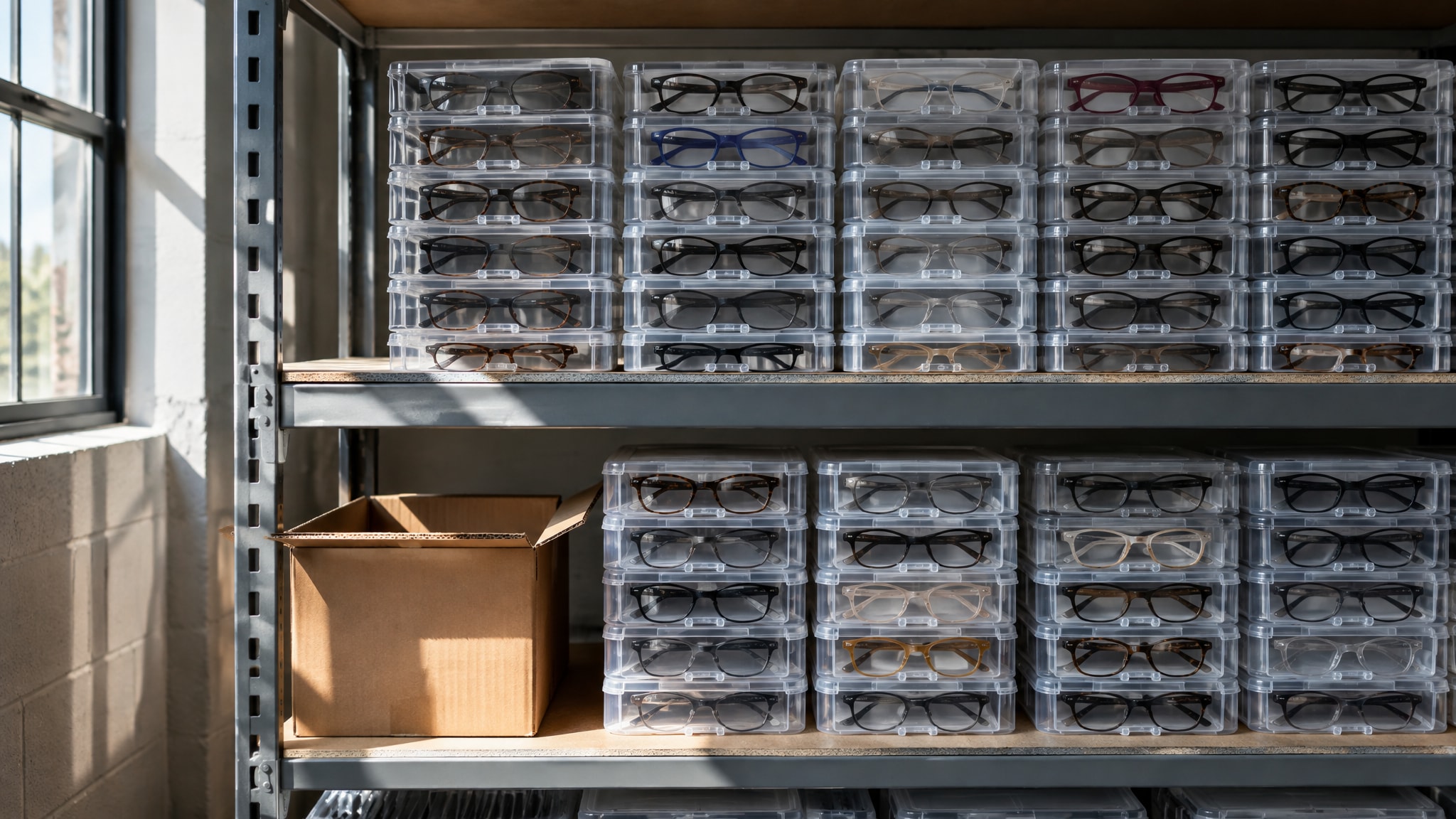
Because it is so light, titanium suits people who wear glasses all day. The frame almost disappears on the face after a few minutes. The one trade-off is price, since titanium costs more to produce than other materials. However, buying previous season glasses frames in Australia gives you that premium feel without the premium price tag.
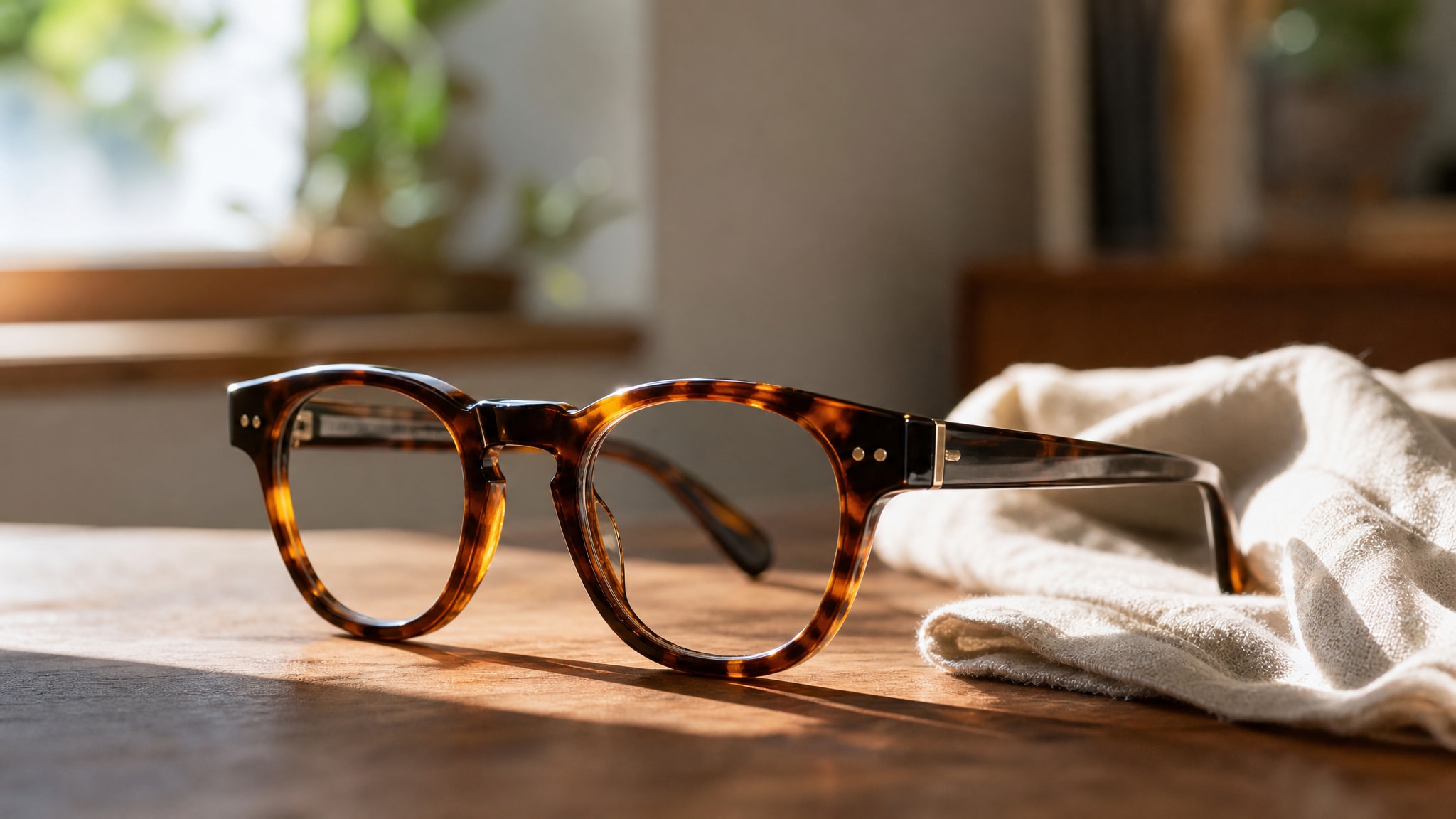
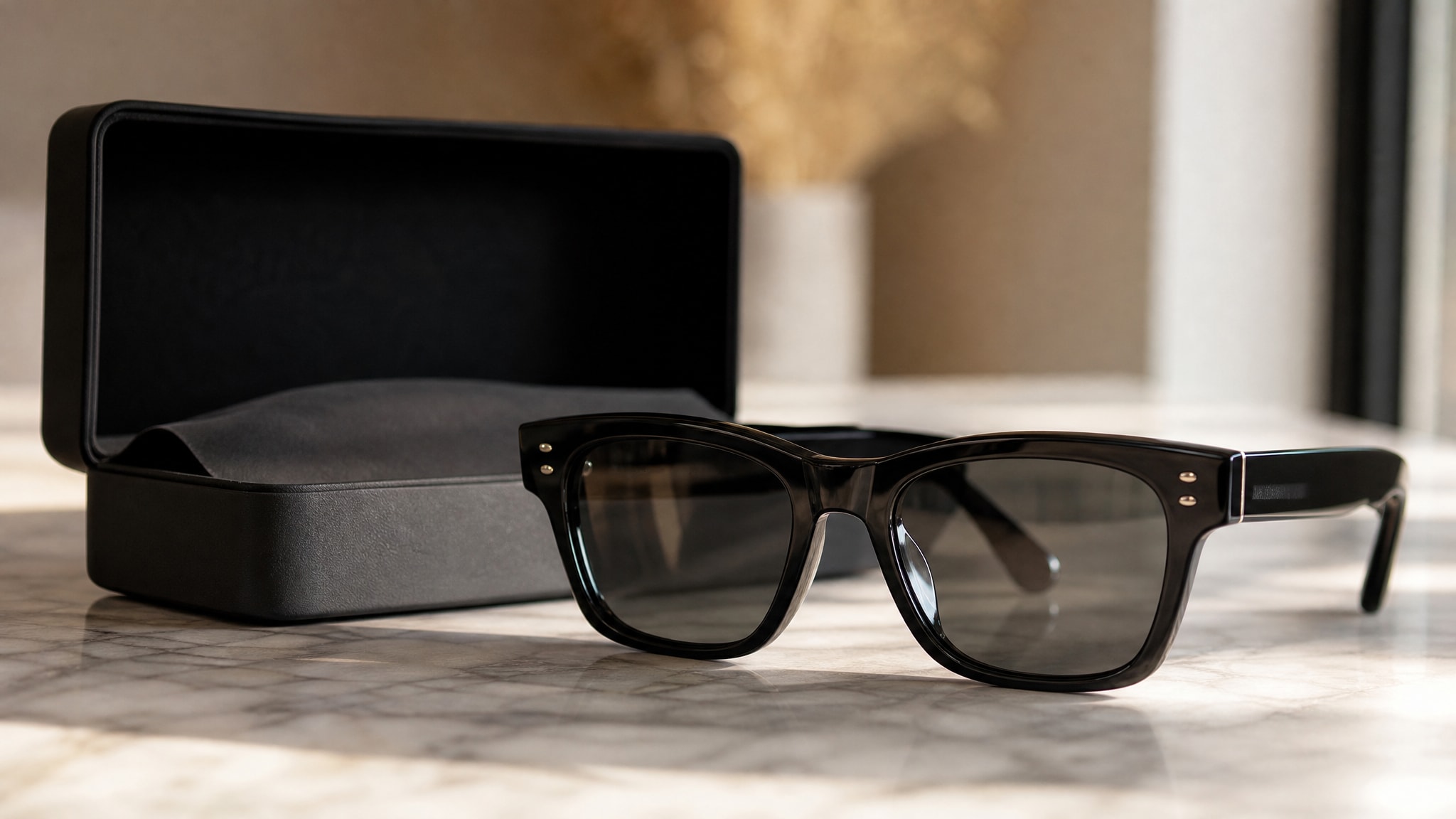
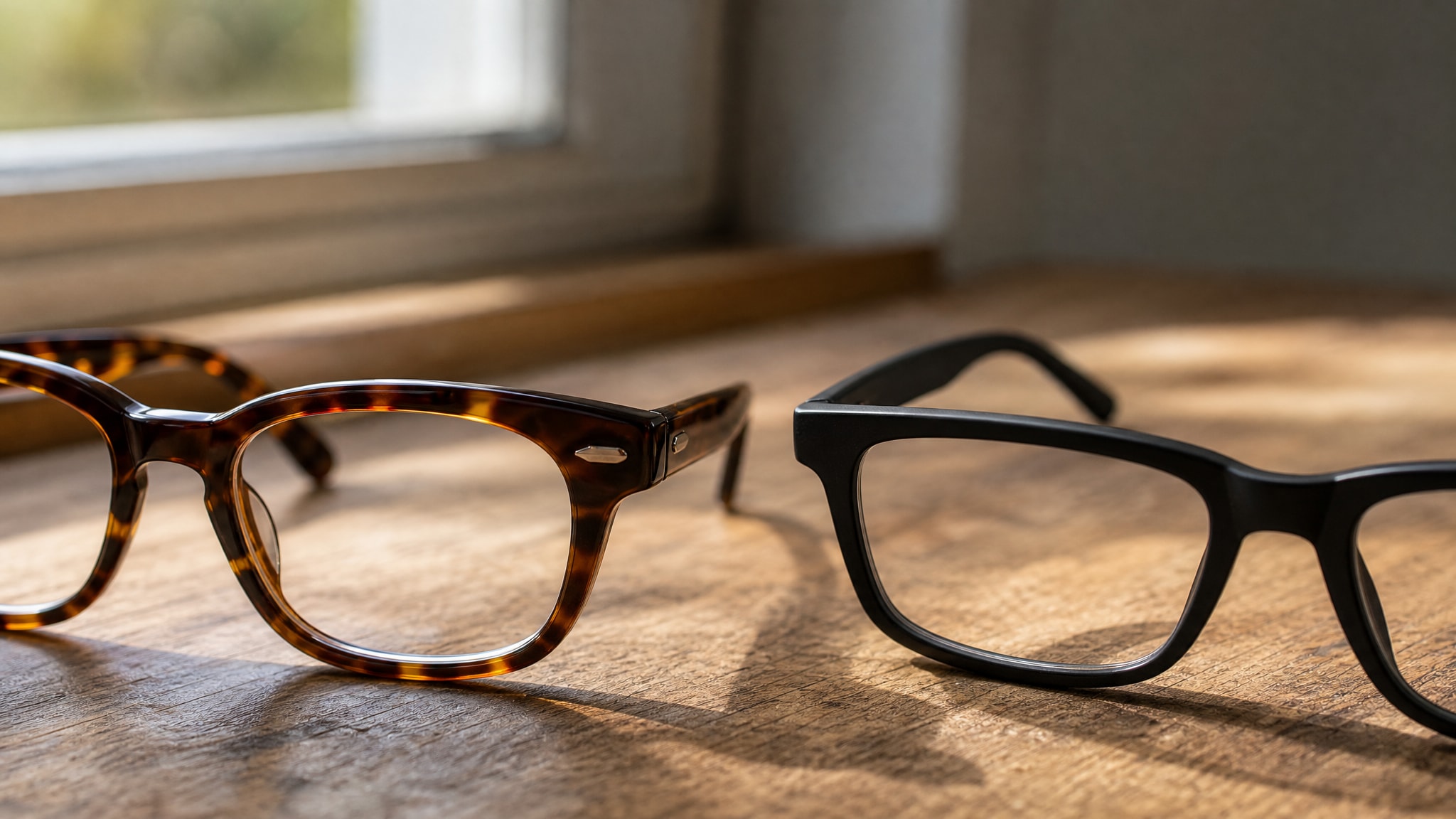
Acetate is a plant-based plastic, and it is the go-to material for bold, colourful frames. Unlike cheap moulded plastic, acetate is layered and polished. This gives it real depth and a genuine quality finish. As a result, acetate produces rich tortoiseshell patterns, translucent tones and striking two-colour combinations. Other materials simply cannot match that range of colour and character.
Acetate frames feel substantial, and many wearers love that grounded, premium weight. On the other hand, that extra weight can build up during a long day at a screen. Acetate is also more rigid than some materials. So an optician may need to fine-tune the fit for total comfort. For sheer style and personality, though, acetate is very hard to beat.
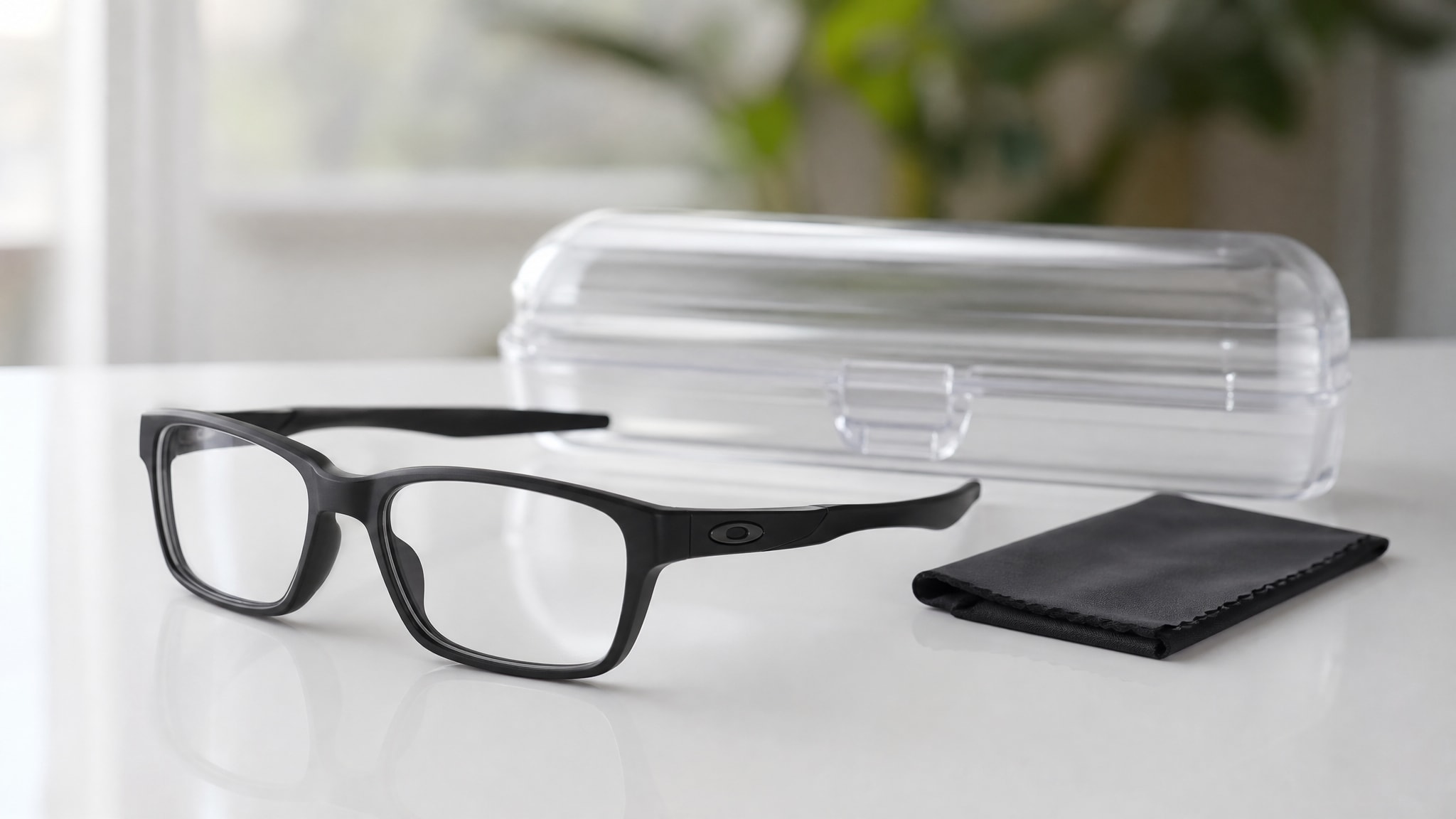
TR90 is a modern thermoplastic, and it is the practical all-rounder of the group. It is incredibly light — roughly half the weight of acetate for the same frame. It is also a memory material. That means it flexes under pressure and springs back to its original shape.
Consequently, TR90 handles drops, bends and rough days far better than most frames. This flexibility makes TR90 a brilliant choice for active wearers and for children. Moreover, it resists heat and impact, so it lasts well under daily wear and tear. The look is more casual and sporty than acetate. Even so, TR90 still comes in plenty of colours and finishes. For many people, it offers the best balance of comfort, durability and price.
Beyond the big three, you will also come across stainless steel and mixed metal alloys. Stainless steel offers slim, classic designs at an affordable price. It also resists corrosion well and suits anyone after a timeless metal look. Metal alloys keep costs down while still giving you that metal finish. Each material has its place. Even so, titanium, acetate and TR90 remain the three most worth understanding before you buy.
To make your decision easier, here is how the main glasses frame materials compare across the features that matter most day to day.
| Material | Weight | Durability | Best For |
| Titanium | Very light | Excellent | All-day wear, sensitive skin |
| Acetate | Heavier | Good | Bold colour and style |
| TR90 | Lightest | Excellent (flexible) | Active wearers and kids |
| Stainless steel | Moderate | Very good | Classic looks on a budget |
There is no single best material — only the best one for your needs. If comfort and sensitive skin top your list, choose titanium. If you want bold colour and character, reach for acetate. If you need lightweight, flexible durability, TR90 is your match. Think about how, where and how often you wear your glasses. Once you do, the right choice quickly becomes clear.
It also helps to weigh up your priorities honestly. Some wearers will happily pay more for the featherlight comfort of titanium. Others care most about a bold, colourful look and will love acetate. Active wearers and parents often land on TR90 for its toughness. None of these choices is a compromise on quality — each is simply the right tool for a different job.
Whichever material suits you, the smart move is choosing previous season. You get the same quality frame in titanium, acetate or TR90, at a far better price than current season retail. Explore titanium glasses frames and the full range at Last Seasons, and feel the quality difference for yourself.