Walk into an optical store or browse online and you’ll hit the same choice: pay full price for a single pair of branded eyewear, or take a bundled deal that looks too good to pass up. Prescription glasses package deals across Australia rely on volume sales of generic frames, not genuine discounts on the established brands you actually want. The perceived savings usually come out of build quality, material integrity and how long the glasses last.
You need eyewear that suits your prescription without forcing a trade-off on frame construction just to get a lower price tag. This guide covers how these bundles work, where the real costs hide, and why buying a prior-season branded frame separately often beats the bundle, whether you’re an optical practice clearing stock or a shopper after genuine quality.
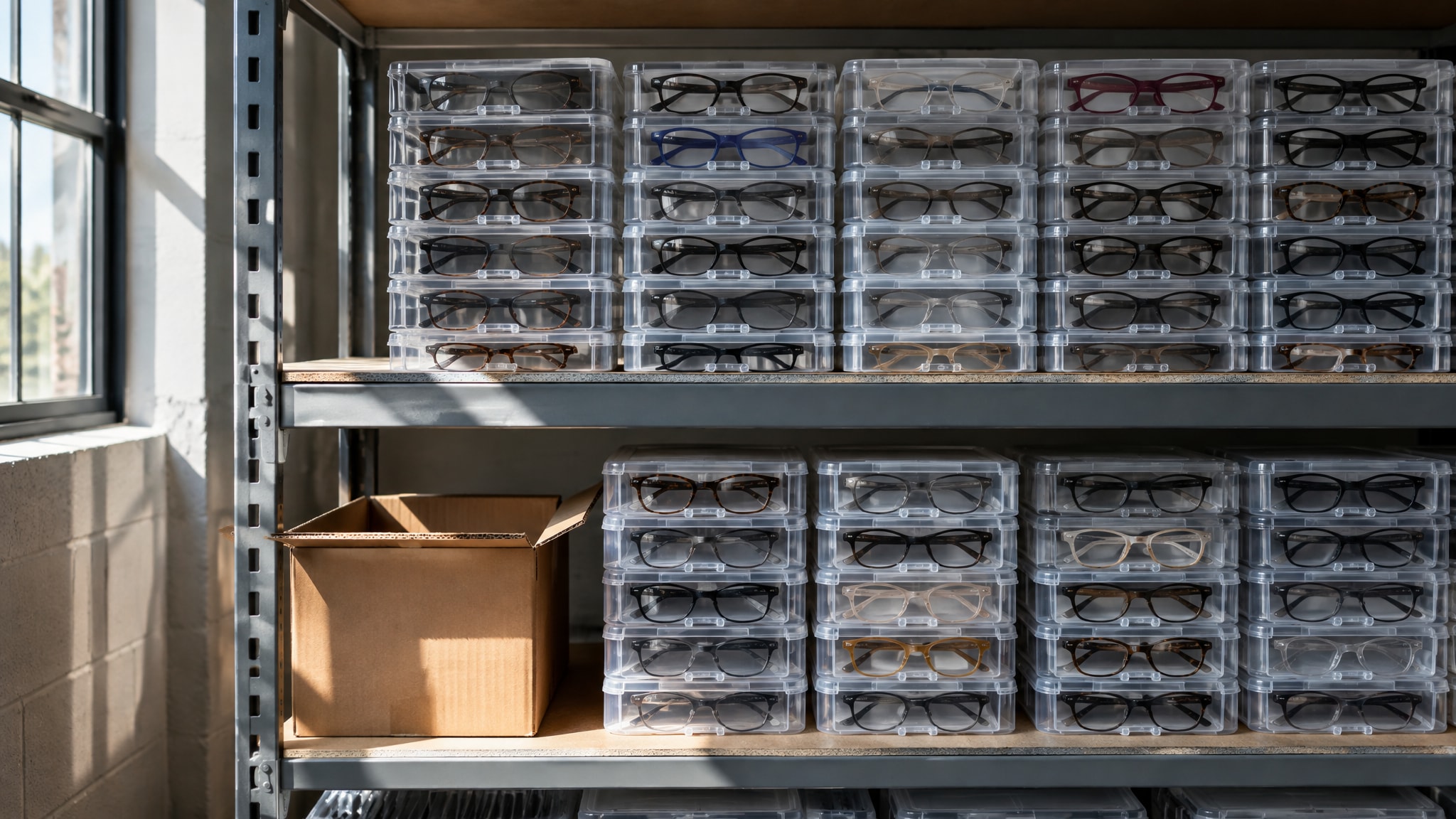
Most prescription glasses package deals in Australia follow a predictable model: shift high volumes of unbranded or house-brand inventory through fixed-price bundling. Retailers buy generic frames in bulk at minimal cost, then pair them with basic single-vision lenses to create an entry-level price that hides thin margins on the actual hardware. Turnover speed matters more than product longevity here, so the frames are built to a price target, not a durability standard.
These packages rarely include recognised optical brands, because established manufacturers hold strict pricing controls and distribution agreements that block deep discounting inside bundle promotions. When you see a 2 for 1 glasses deal advertised, the frames are usually made specifically for that promotion, using lighter acetate, standard hinges and minimal quality checks. Lens options are similarly limited, often basic coatings and index ratings unless you pay upgrade fees that eat into the savings.
The marketing pushes quantity over quality, because the retailer’s profit depends on selling two units rather than one premium one.
Compare the bundled price against a discounted branded frame plus independently sourced lenses, and you can see where the savings are real and where they’re not. A typical 2 for 1 deal might advertise $199 for two complete pairs. If you only need one pair and the second sits unused in a drawer, you’ve paid $199 for a single pair of generic eyewear. That same budget could buy a prior-season branded frame from a recognised manufacturer, plus premium lenses with advanced coatings and higher index materials, sourced independently.
Paying for two pairs you don’t need often costs more than one superior pair once you factor in replacement frequency and how satisfied you actually are wearing them. Generic bundle frames tend to need adjustment more often, lose alignment faster and show wear within months rather than years. Your cost-per-wear stays high despite the low sticker price. Value should be calculated on how long the glasses serve you comfortably, not how many units land in the bag at checkout.
Understanding the true designer glasses frames cost in Australia helps explain why buying separately makes financial sense if you care more about longevity than quantity.
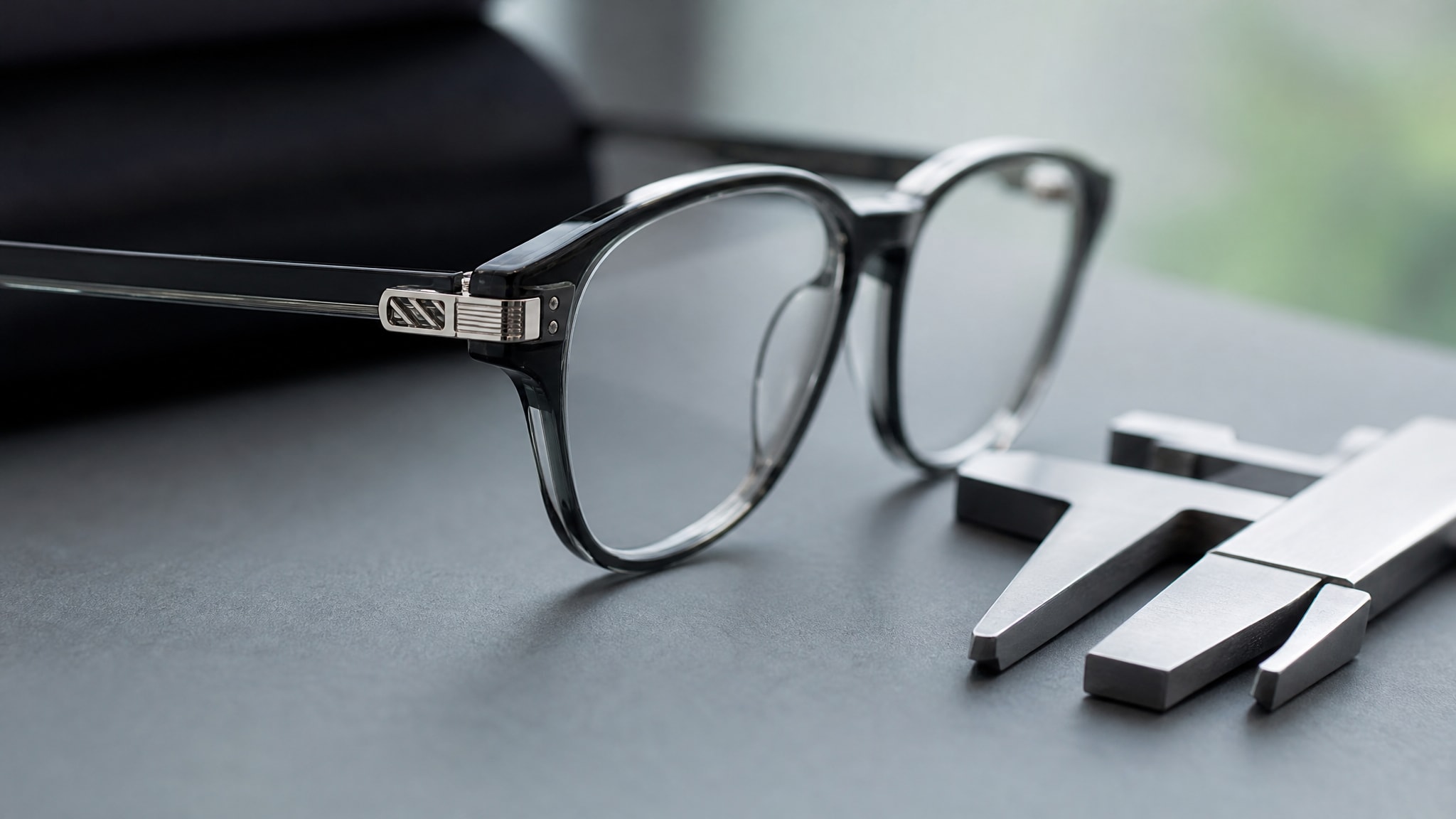
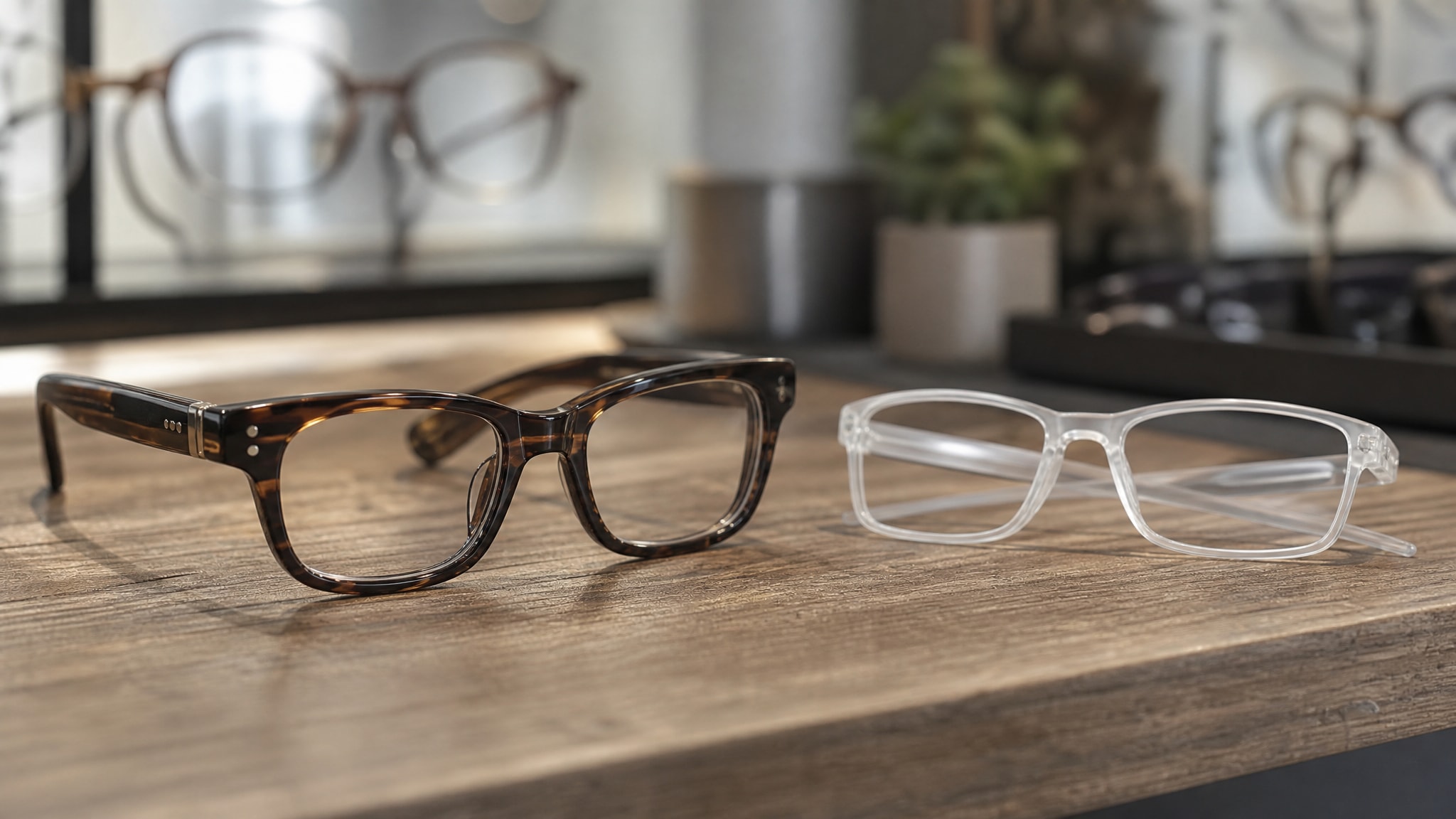
Established optical brands invest heavily in material selection, hinge engineering and frame geometry, because their reputation depends on products that hold up over years of daily wear. According to optical manufacturing standards for branded eyewear, recognised brands maintain consistent quality control across production runs, so a frame from a previous season performs the same as current stock in structural integrity and finish. These manufacturers use higher-grade acetate, stainless steel or titanium alloys that resist warping, corrosion and fatigue far better than the lightweight composites in promotional bundles.
Package deal frames are built to survive assembly and initial fitting, not years of handling, cleaning and environmental exposure. The hinges often skip spring mechanisms or use softer metals that strip threads after repeated adjustments. The acetate may be thinner or improperly cured to cut manufacturing costs. This gap in previous season glasses frames quality shows up within months: bundle frames need frequent realignment and eventually fail at stress points that branded frames handle without issue.
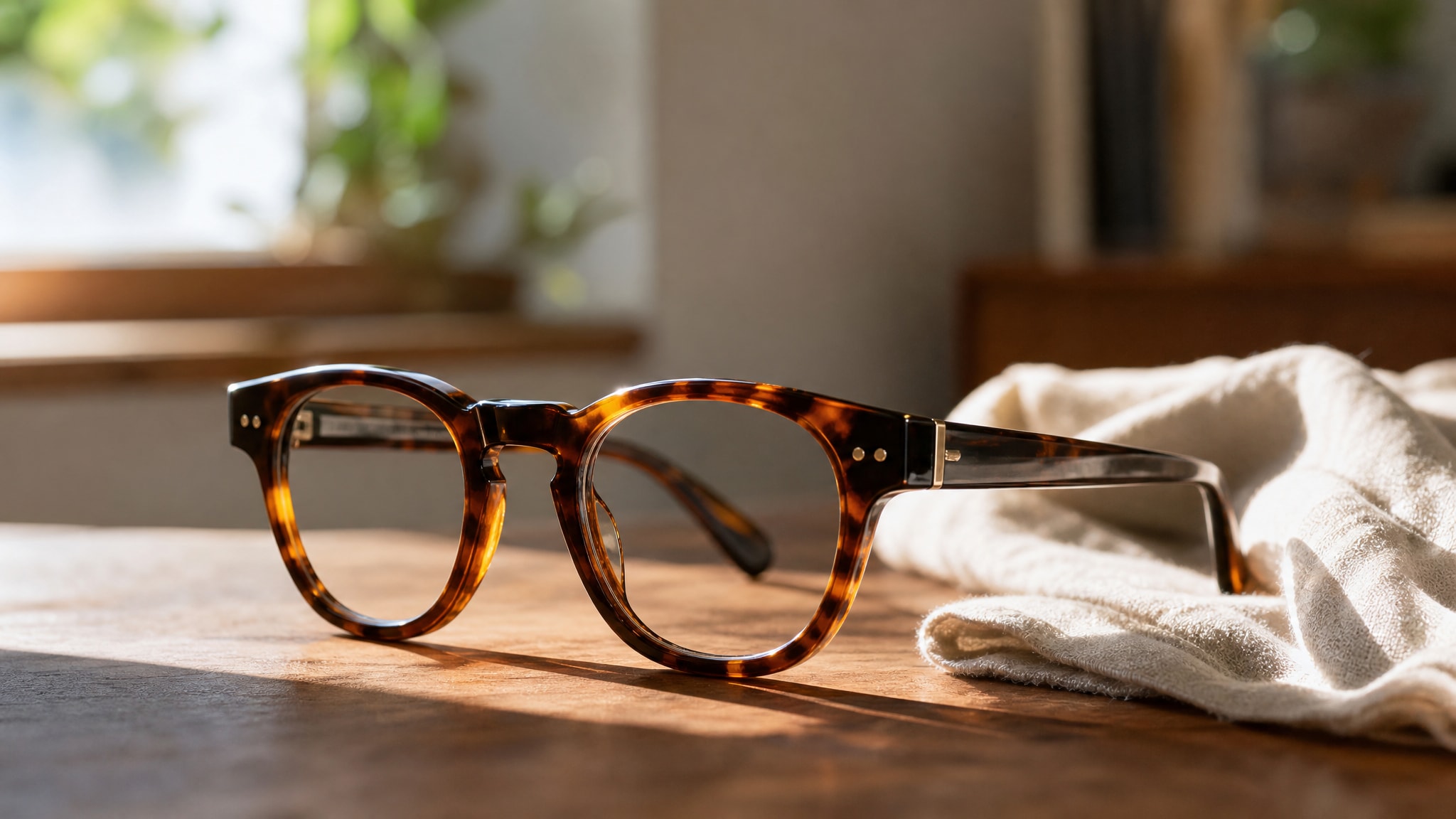
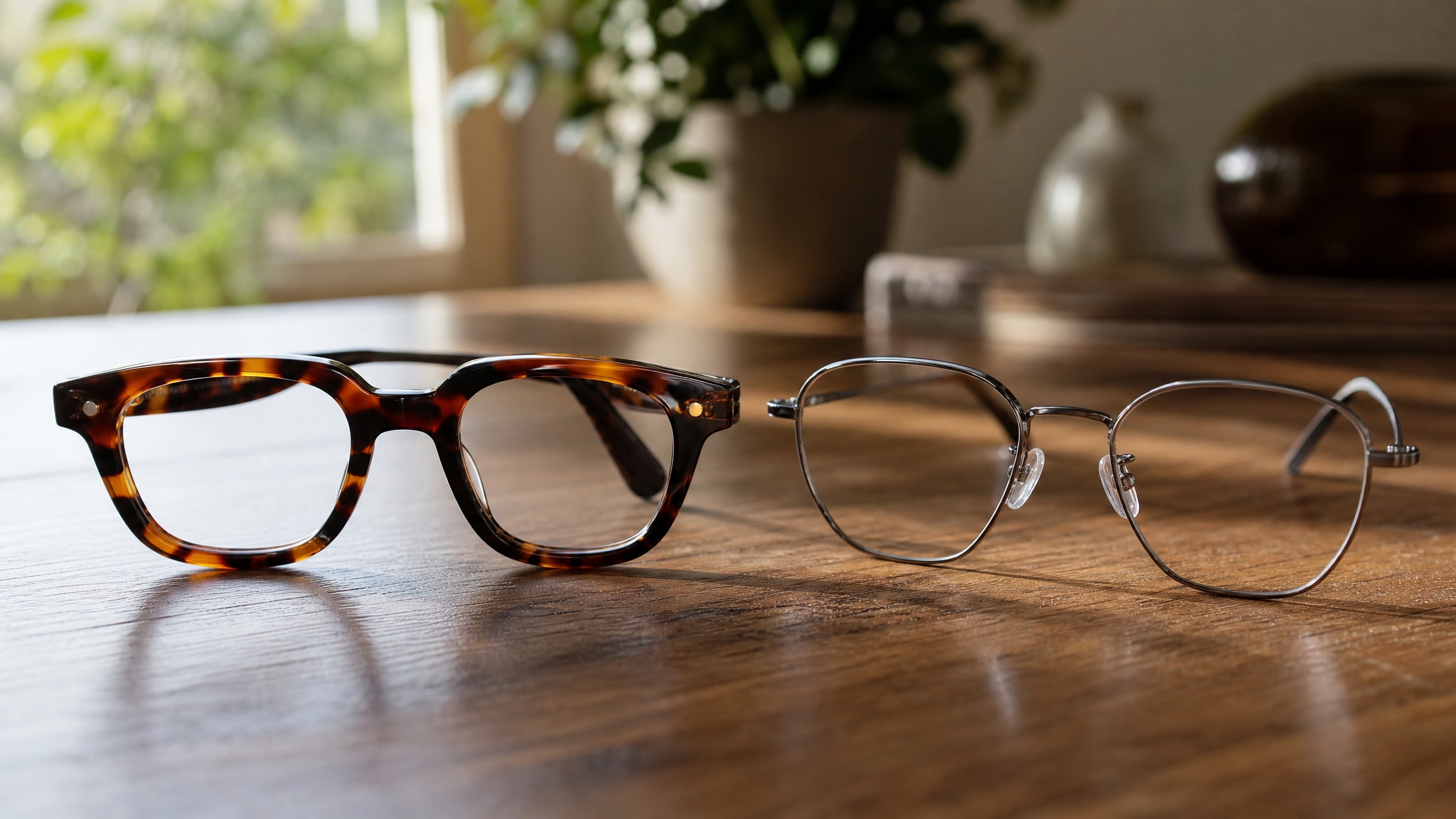
Prior-season frames from established optical brands are sold new and unworn. They retain the original manufacturing standards and warranties despite the lower price.
Working out best value in prescription glasses means shifting focus from upfront price to cost-per-wear over the expected lifespan of the eyewear. A $300 branded frame worn daily for three years costs roughly 27 cents per day. A $150 bundle frame replaced every eight months, due to breakage or discomfort, costs over 60 cents per day and brings ongoing hassle with it. Durability and a timeless style cut down how often you replace frames, compared with fast-fashion eyewear built around seasonal trends rather than ergonomic design.
Value should account for fit stability, material comfort and optical performance alongside the purchase price. Frames that slip, pinch or cause pressure headaches are poor value no matter how little you paid, because they fail at the basic job of holding lenses in correct alignment for clear vision. Timeless designs also dodge the obsolescence that makes trendy bundle frames feel dated within a single season, which stretches their usable life well beyond pure structural durability.
Cheap glasses packages in Australia can’t match this long-term value, because their economics depend on repeat purchases rather than keeping customers through product quality.
Previous-season models offer the same construction, materials and authenticity as current releases, at a much lower price, because of retail clearance cycles and new collection launches. Optical brands release updated colourways and minor style revisions each year, so last year’s inventory has to move to make shelf space for incoming stock, even though nothing about the frame’s performance has changed. That opens a window where you can get genuine branded quality at prices comparable to, or lower than, generic bundle offers.
These frames are new and unworn. That sets them clearly apart from secondhand or compromised goods with unknown wear history or missing warranty coverage. Distributors and optometrists listing surplus prior-season stock are clearing authenticated inventory through legitimate channels, not selling returns, samples or factory seconds with hidden defects. You get the same product that sold at full price twelve months ago, including original packaging and manufacturer support, just because the calendar turned over.
Last Seasons Eyewear offers free shipping on glasses across Australia on all prior-season branded frames, so buying the frame and the lenses separately doesn’t cost you anything extra in logistics.
Pair a prior-season frame with an independent lens supplier and you get premium specifications without the limited options bundled into package deals. Many optometrists will glaze customer-supplied frames, which gives you full control over lens technology, coating and index rating, based on your prescription rather than what fits a promotional margin. This kind of independent lens fitting lets you pick specific coatings and technologies without being locked into a bundle’s limited options.
This approach splits the frame investment from the lens investment, so you put your budget where it matters most for your own needs. You might choose a high-index progressive lens with blue-light filtering for computer work, or a lightweight polycarbonate single-vision lens with photochromic treatment for outdoor use, without paying for upgrades the bundle never included in the first place. The process itself is simple: buy your chosen frame, take it to your preferred optical dispenser with your current prescription, and talk through lens options suited to how you actually use your eyes.
Learning how to safely buy prescription frames online Australia makes sure you get authentic stock suitable for professional glazing.
Deciding between glasses deals for two pairs and a standalone branded purchase comes down to whether you genuinely need multiple sets of eyewear, or just want better quality for your budget. If you need a backup pair, dedicated sunglasses and everyday glasses at the same time, and you’re fine with generic construction, a bundle can serve that purpose. But if your priority is durable, well-fitting eyewear from a brand you trust, the numbers favour one superior frame paired with lenses chosen for your exact prescription.
Optical practices and distributors moving surplus stock benefit from understanding this equation too, since it shapes how they position prior-season inventory against competing bundle promotions. Choosing a discounted branded frame isn’t settling for less. It’s accessing the same quality sold at full price, through different timing. The decision comes down to an honest read of your needs, not a reaction to promotional urgency.
Browse the available prior-season branded frames to compare specifications, pricing and styles against any package deal currently marketed to you.