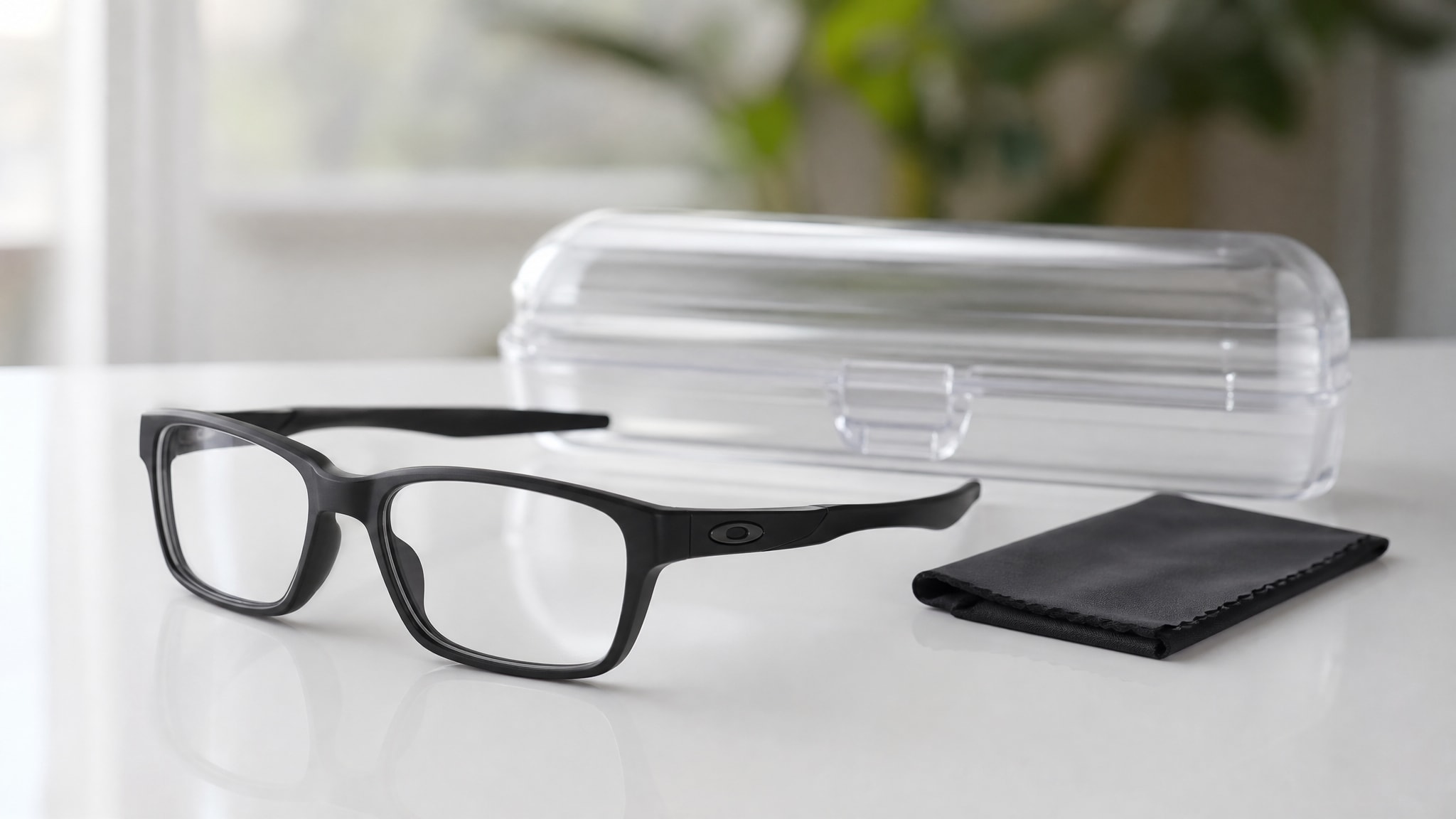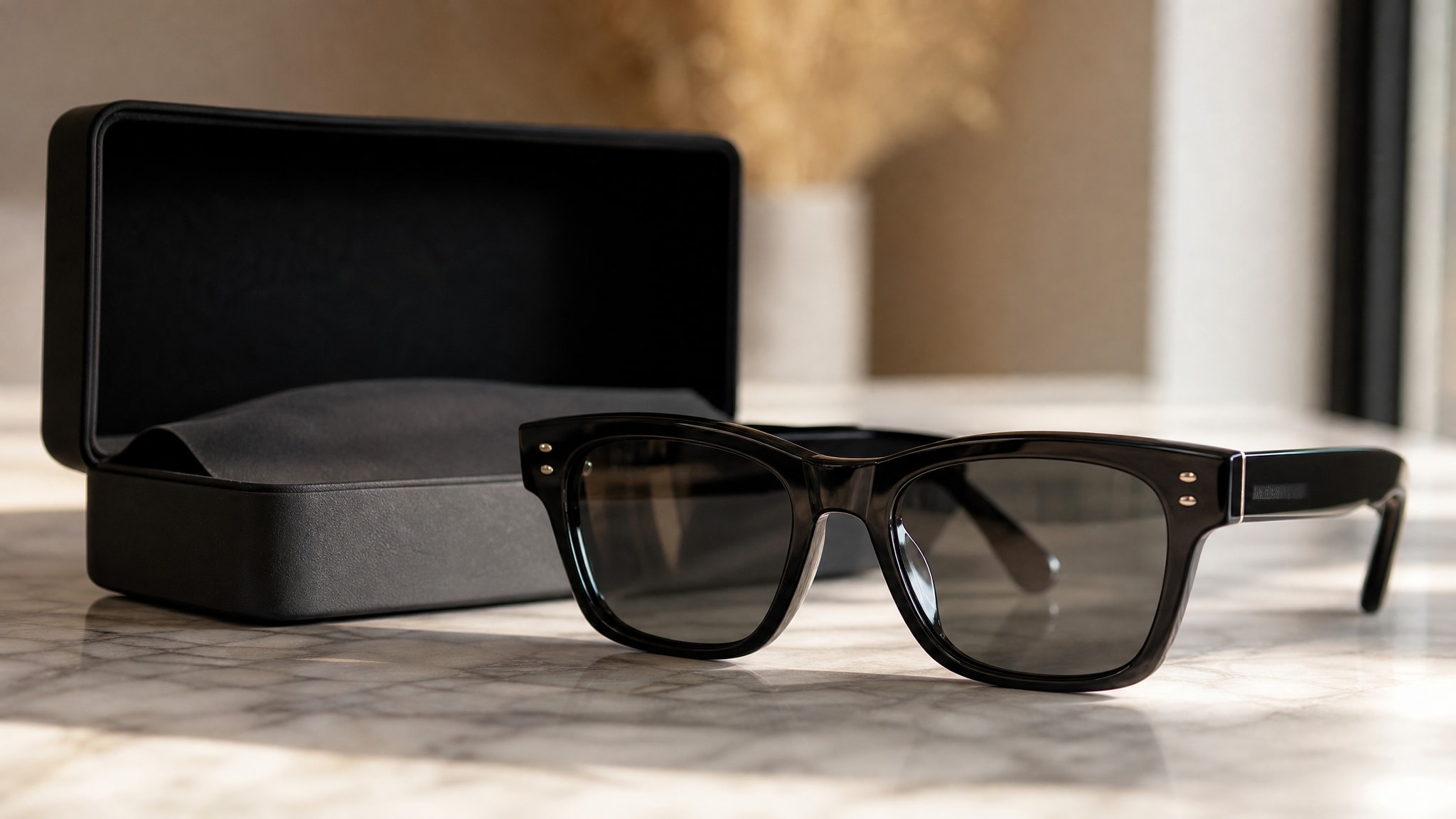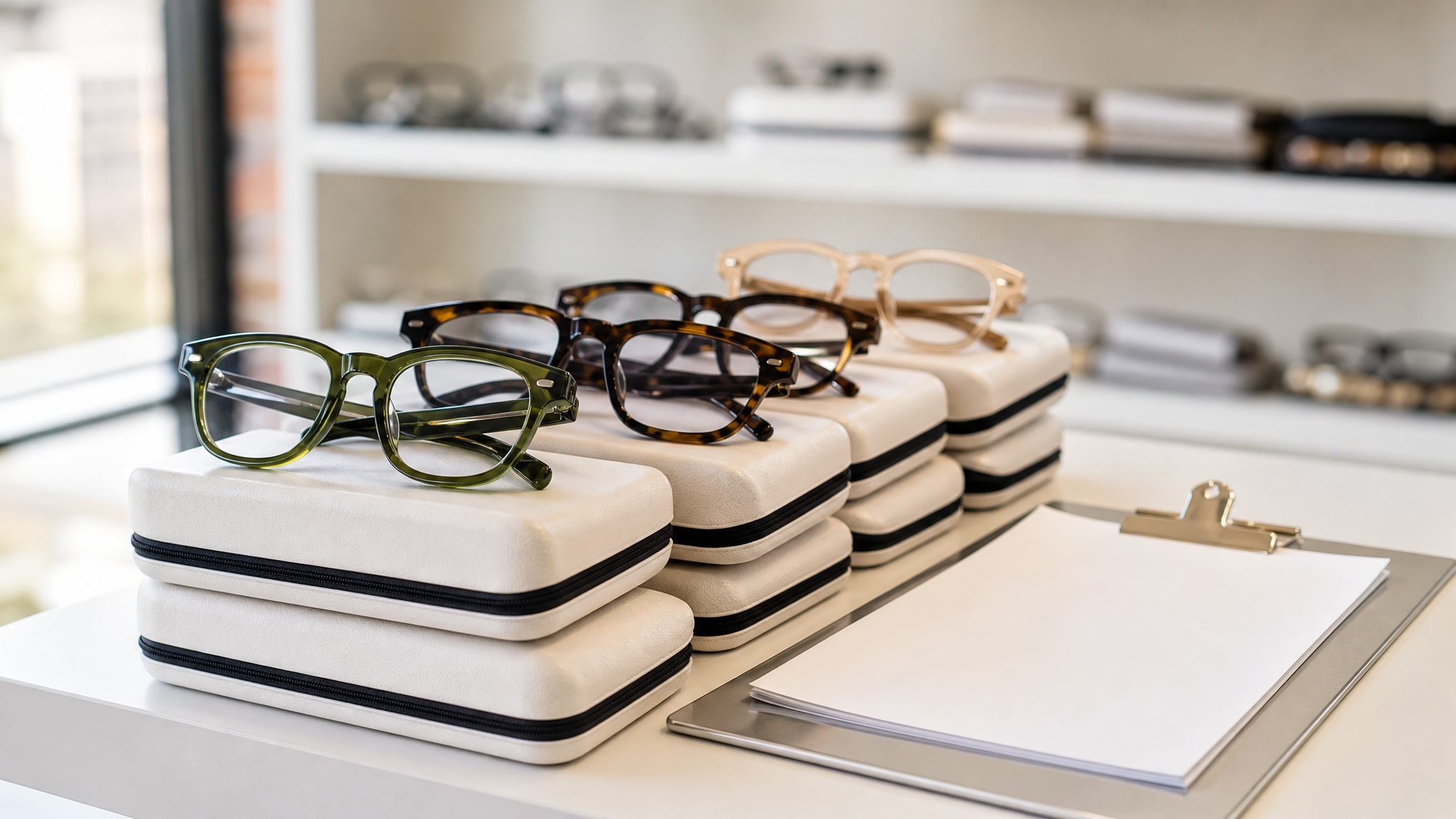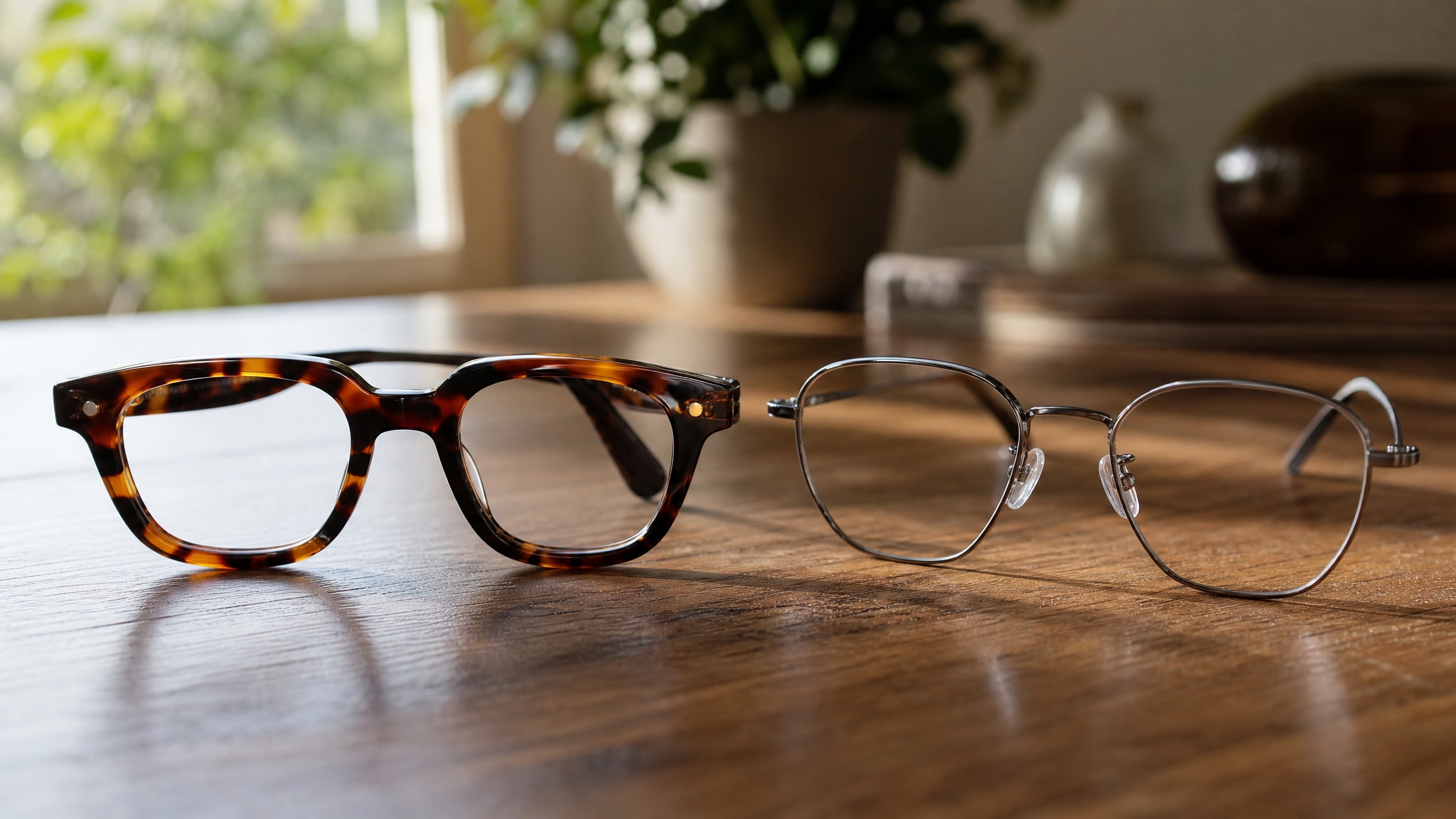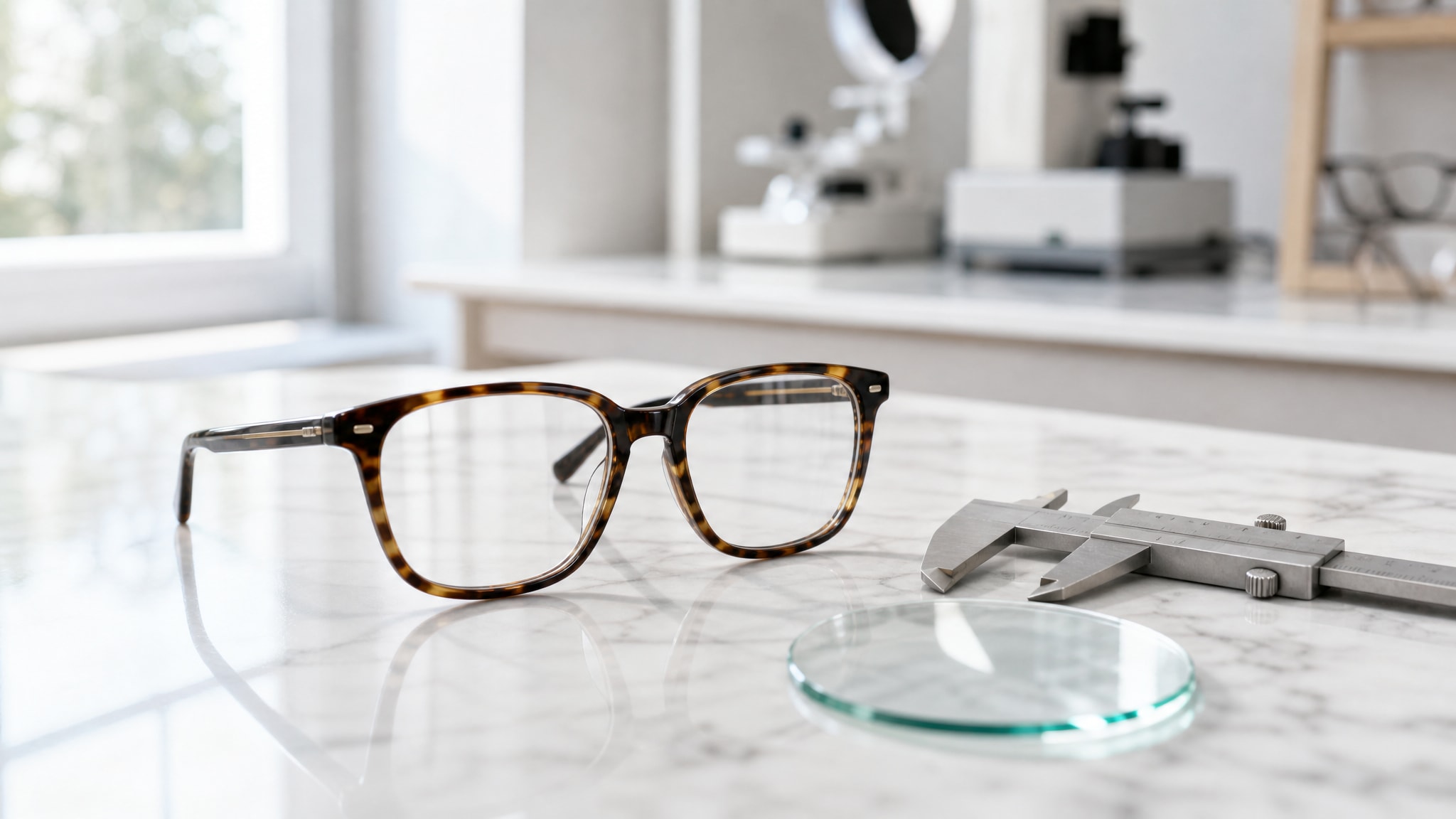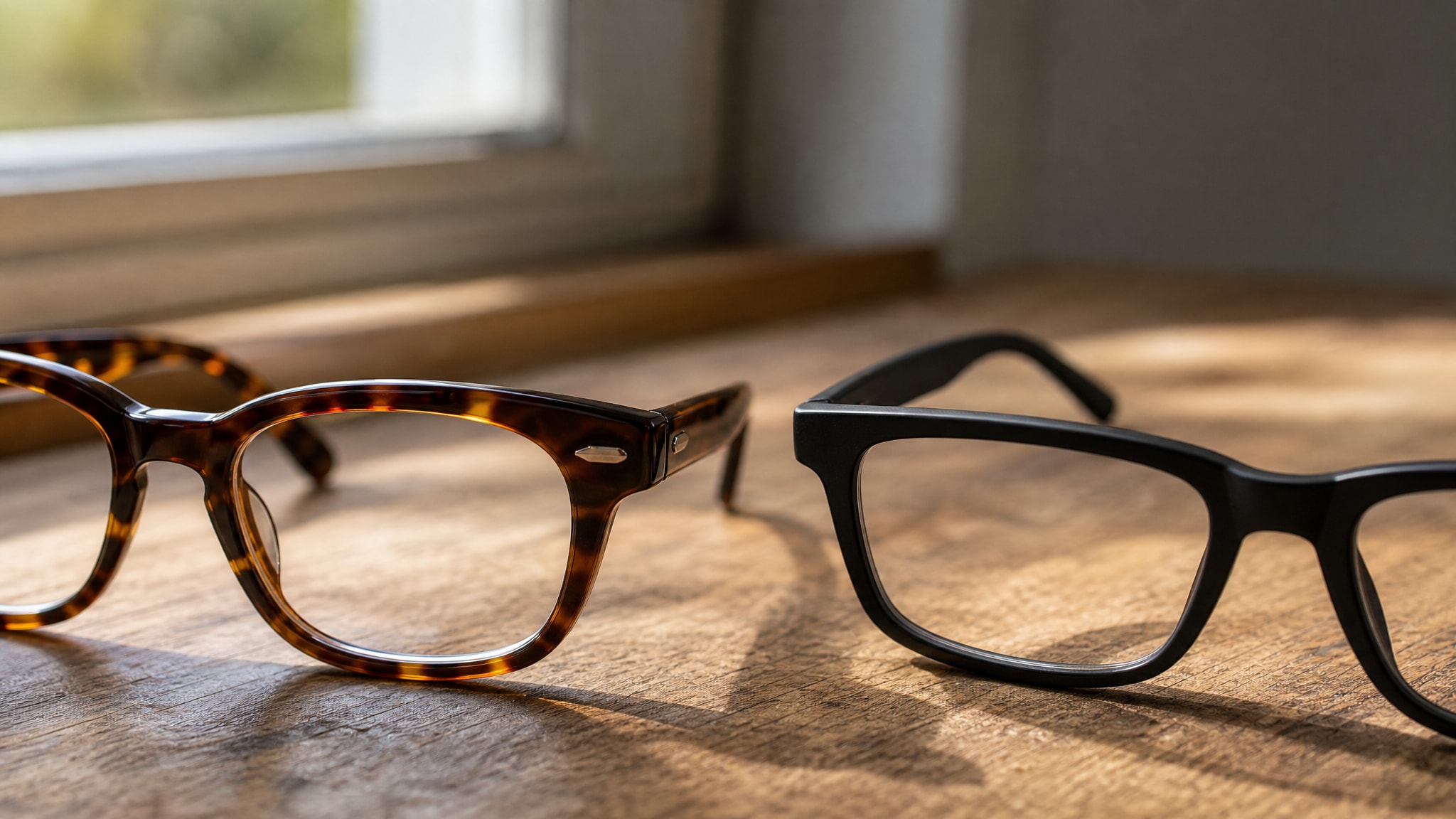
Finding the best budget eyewear marketplace in Australia means telling genuine surplus stock apart from generic low-cost alternatives. Plenty of discount glasses websites in Australia compete on price alone, but value depends on whether you’re buying established optical brands or unbranded imports. This comparison looks at condition, authenticity and logistics, not just the lowest sticker price.
An online eyewear marketplace in Australia and a standard retailer are structured differently, and that difference decides what you actually get for your money. Marketplaces aggregate surplus inventory from distributors and optometrists. High-volume retailers typically sell house brands made specifically for lower price points.
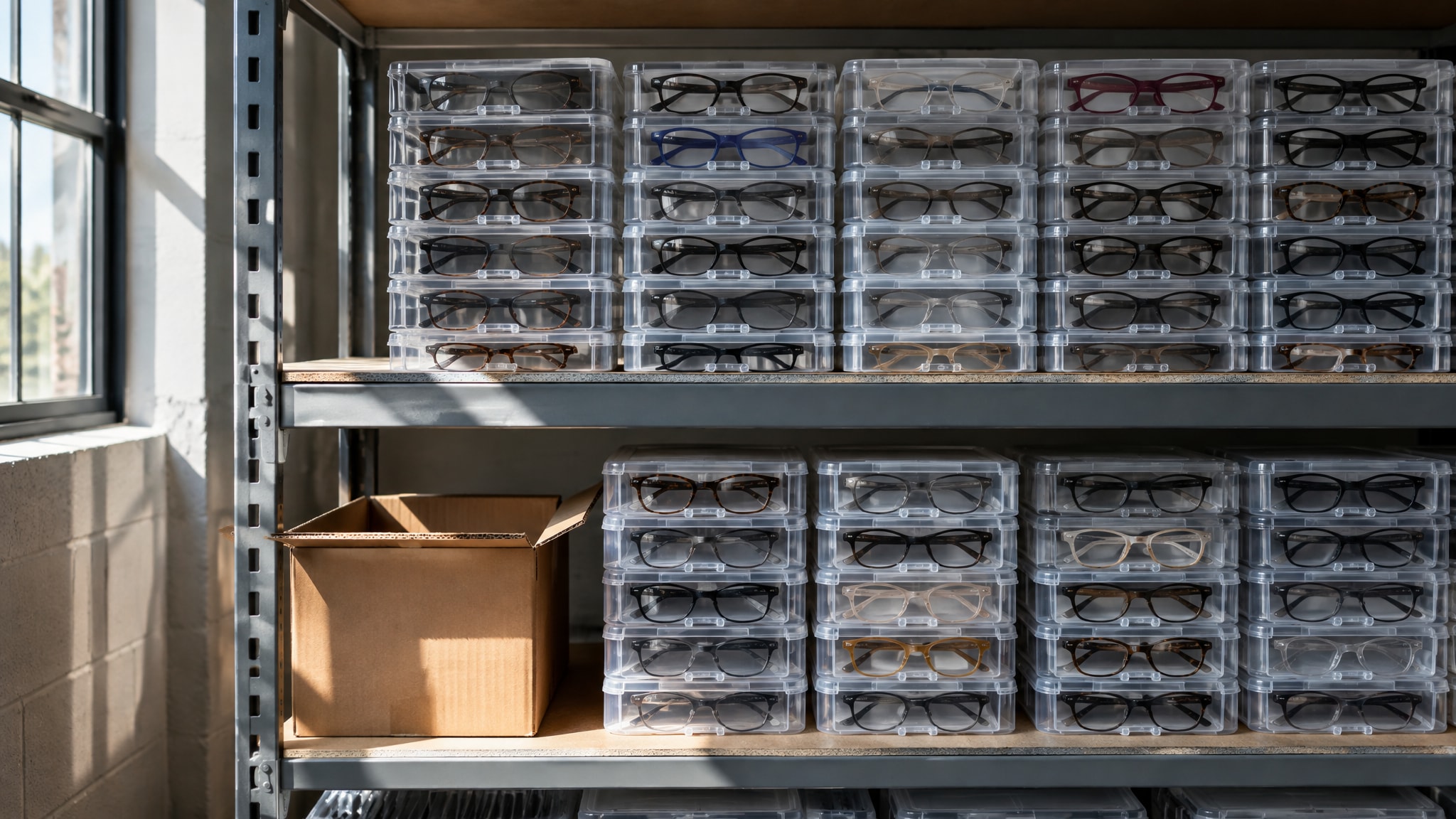
Legitimate platforms work as clearing channels for the optical industry, not as traditional wholesalers. Last Seasons is a marketplace that connects distributors and optometrists with consumers to clear surplus prior-season stock, so the frames are new and unworn. The model lets recognised brands recover revenue on excess inventory without undercutting their retail positioning. That’s why you find premium names at accessible prices.
You benefit because the discount reflects timing, not lower manufacturing standards.
Generic discount sites often rely on unbranded frames or private labels with no optical heritage. These products can be cheap, but they don’t match the build quality or design of established manufacturers clearing genuine stock. When you compare cheap eyewear sites, check whether the platform lists specific brand model numbers or just vague category descriptions.
Brand-specific clearances give you provenance you can verify. Generic retailers can’t offer that.
Trust is the main barrier when buying discounted branded frames online. A legitimate marketplace guarantees new, unworn condition despite the reduced price, which sets it apart from secondhand markets or unverified grey-market sellers.
Discounted doesn’t mean used, yet many buyers assume prior-season stock is pre-owned. You can verify frame authenticity by checking for original packaging, intact manufacturer tags and consistent model numbering across the listing. Authentic surplus channels keep tight quality control because their reputation depends on delivering unused product. Secondhand sellers, by contrast, treat wear as part of the deal.
The distinction matters because optical frames degrade with use. That affects both comfort and lens alignment.
Prior-season frames sold through authorised marketplaces typically keep manufacturer warranty coverage. The warranty holds because the product is genuine new-old-stock, not refurbished or counterfeit, and the seller operates within the brand’s distribution network. Always confirm warranty terms before buying. Some discount glasses websites in Australia exclude coverage on clearance items to protect their margins.
Warranty eligibility is a sign the marketplace has legitimate supply relationships.
The true cost of budget eyewear goes beyond the frame price. Delivery fees, return flexibility and lens compatibility all matter. Some discount sites offset low sticker prices with restrictive policies that raise your financial risk if the frame doesn’t suit.
Shipping costs can erase savings on lower-priced frames, so free delivery is a critical point of comparison. Last Seasons sets out free shipping details that take this variable out of your decision. Work out the landed cost, postage included, when comparing platforms. A $20 saving disappears if delivery adds $15.
Delivery speed matters too if you need frames urgently for a prescription update.
Returns on optical frames carry higher stakes than general retail, because lens fitting is irreversible once cut. Check whether the marketplace accepts returns on unworn frames only, or charges restocking fees that eat into your refund. Transparent return policies signal confidence in product accuracy. Vague terms suggest the seller expects disputes.
A flexible return policy protects you against sizing errors that photos can’t catch.
Marketplace value becomes concrete when you look at specific models against their original retail positioning. The examples below show current-condition frames from recognised brands at prices well below RRP.
The AIKO EYEWEAR Women’s Full Rim Frame in Green | 2217 is a typical example of prior-season marketplace inventory: new condition, a recognised brand, a price well under retail. At around AUD 128.00, this frame offers durability and modern styling without the full retail markup of current collections. Its 53mm lens width and 20mm bridge suit average face shapes, which makes it a practical daily piece.
Similar value shows up in the AIKO EYEWEAR 2210 and 2213 models, both priced around AUD 128.00 with comparable specifications.
Men after sturdier construction can look at the Stepper men’s full rim frame SI 60291 in Brown. At around AUD 208.00, it sits well below Stepper’s typical retail range while keeping the brand’s build standards. The 57mm lens width and 145mm temple length suit larger fits that generic budget frames often ignore.
These frames show that marketplace deals can deliver brand quality, not just a lower price.
Marketplace savings make more sense against the wider Australian optical pricing picture. According to Choice, single-vision lenses with scratch-resistant coating start from $39 with the cheapest frames in Australia, while top-of-the-range premium designer frames can cost up to $1000 or more at full retail.
Prior-season marketplaces sit in the middle. You get recognised optical brands at prices closer to entry-level packages, without giving up build quality or design heritage. That positioning makes them a good place to buy branded glasses cheap when you won’t compromise on authenticity.
A designer frame pricing guide can help you benchmark specific brands against retail averages.
Finding genuine optical stock clearance sales takes a systematic check, not trust in marketing claims. Misleading listings are common, so focus on indicators you can actually verify.
Check that the platform shows complete model numbers, colour codes and dimensional specs for every listing, and confirm the seller identifies as an authorised stockist or marketplace partner rather than an anonymous third party. Look at whether the product photos show the actual stock rather than generic brand imagery, since authentic surplus sellers photograph specific units.
Detail in a listing tends to track directly with how safe the transaction is.
Optometrists provide clinical services a marketplace can’t replace. If you need professional fitting advice, facial measurements or complex prescription guidance, talk to your local practice first. Marketplaces suit buyers who already know their specifications and want brand-quality frames without retail overheads.
This channel suits informed purchasers, not people needing clinical consultation.
Eyewear marketplace reviews in Australia tell you more when you read for specifics than when you just check star ratings. Generic praise about fast shipping says little about authenticity. Detailed feedback naming exact models and condition tells you the sourcing is reliable.
Look for reviews describing the unboxing, packaging integrity and whether the item matched the listing photos. Repeated mentions of new condition across multiple transactions point to systematic quality control rather than luck, and patterns of complaints about fakes or wear deserve just as much attention, since they signal a problem with the supply chain itself.
The best option depends on whether you prioritise brand authenticity or absolute lowest price. Marketplaces specialising in prior-season stock like Last Seasons offer genuine optical brands at reduced prices through inventory clearance. Generic discount retailers may be cheaper but typically sell unbranded or house-brand frames without optical heritage.
For branded frames at discounted prices, prior-season marketplaces provide better value than generic discount sites. These platforms sell new, unworn stock from established optical brands clearing surplus inventory. Ensure the site offers transparent return policies and verifies frame condition before purchasing.
Entry-level single-vision packages start from $39 at budget retailers, but these typically use unbranded frames. Prior-season marketplaces offer recognised brands around $120-$210, providing better long-term value through superior build quality. Compare total landed cost including shipping rather than frame price alone.
Genuine prior-season frames sold through authorised marketplaces typically retain manufacturer warranty coverage. The warranty applies because the product is authentic new-old-stock sold within the brand’s distribution network. Always confirm warranty terms before purchase, as some discount sites exclude coverage on clearance items.