Searching for designer sunglasses online in Australia usually turns up major retailers selling current-season stock at full RRP. That leaves budget-conscious buyers choosing between fast fashion and secondhand marketplaces. There’s a practical middle ground most shoppers overlook, mainly because it sits outside the usual retail cycle.
Previous-season eyewear offers the same build quality and brand heritage as current releases, at a price that reflects inventory turnover rather than any compromise on the product. This guide covers how to buy designer sunglasses online in Australia safely: telling genuine clearance apart from dubious discounts, and knowing what to check before you buy so the frames come with full warranty protection.
The main reason to consider prior-season stock is simple: you save money without giving up optical standards or brand integrity. You get the same manufacturing specifications and materials as the current collection. The only difference is the frame was released in an earlier catalogue year.
Previous-season designer sunglasses typically retail for 30–60% less than current-season equivalents, while the build quality and brand warranties stay identical. Optical practices and distributors need to clear surplus inventory to make room for new collections. That’s the whole reason for the discount, not a defect or a return.
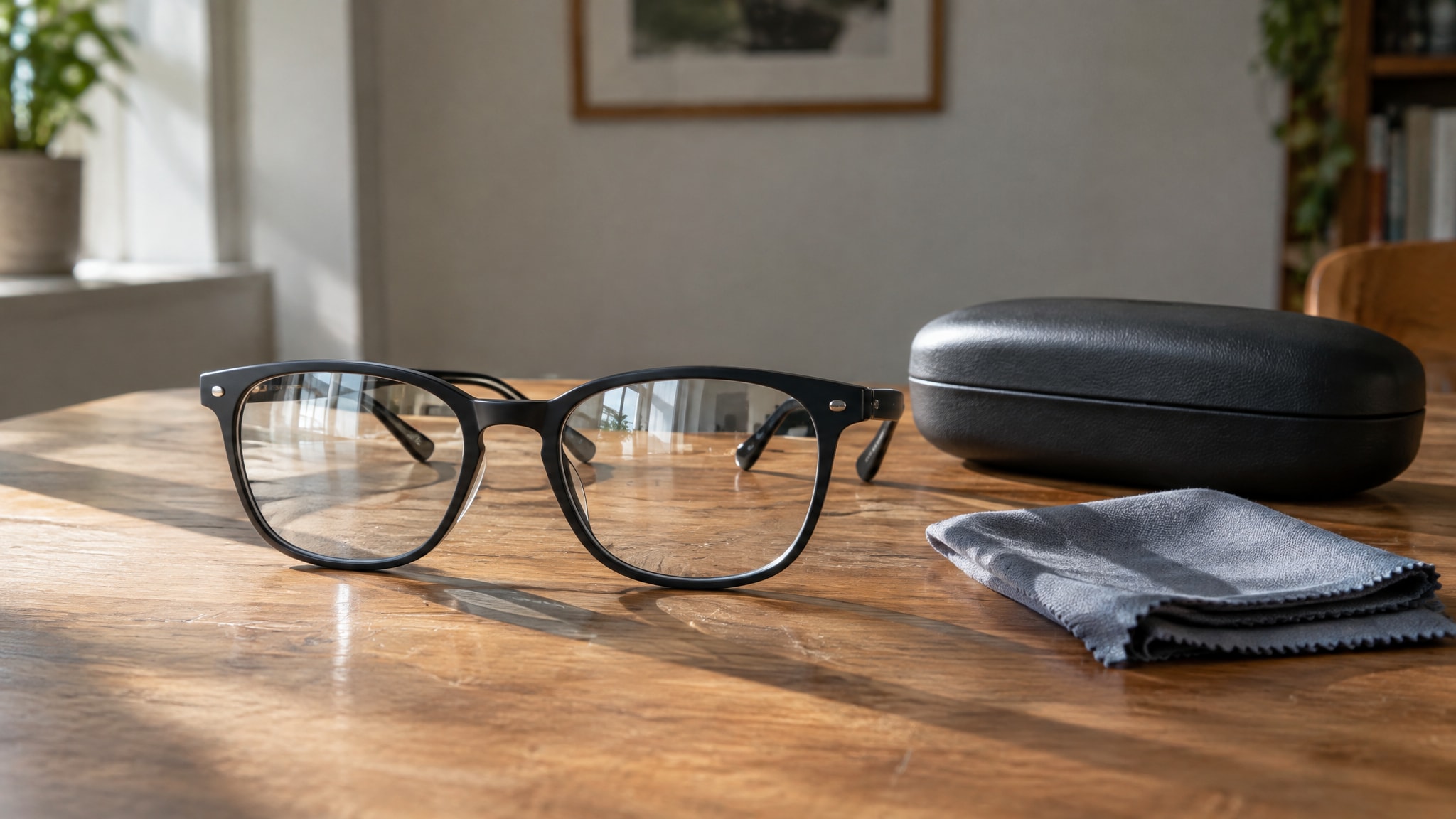
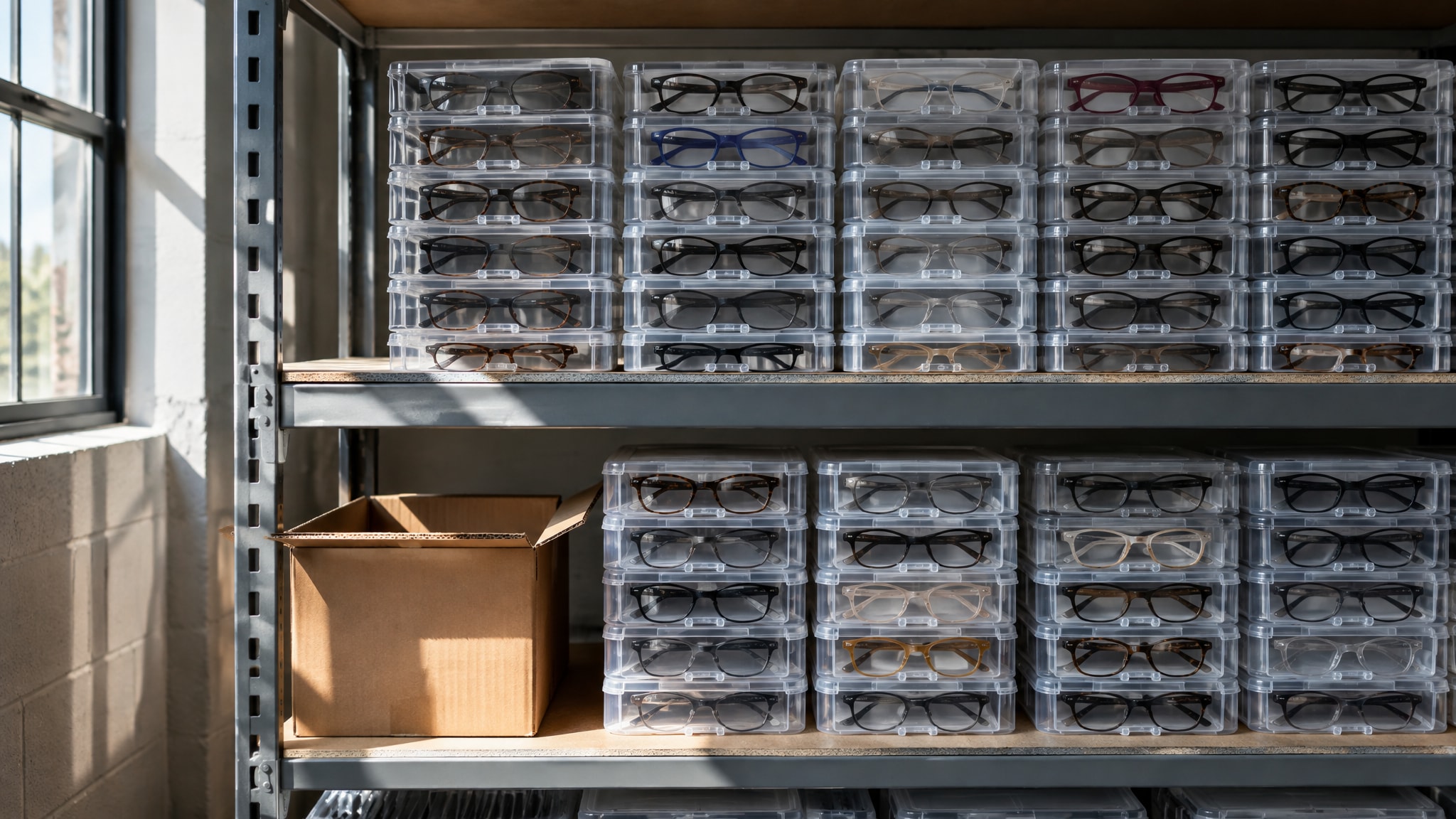
Last Seasons lists only new, unworn prior-season frames from recognised optical brands, sourced directly from Australian distributors and optometrists clearing surplus stock. Nobody has worn these frames or tried them on in a display cabinet, and none of them have been refurbished. They arrive in original manufacturer packaging with the protective films and accessories still intact.
This distinction matters when you buy designer sunglasses online in Australia. It’s what separates legitimate clearance from grey-market imports or customer returns sold as new. The lower price is a business-to-business inventory solution passed on to you, the buyer, so you get unused goods with a traceable origin rather than compromised stock dressed up as a bargain.
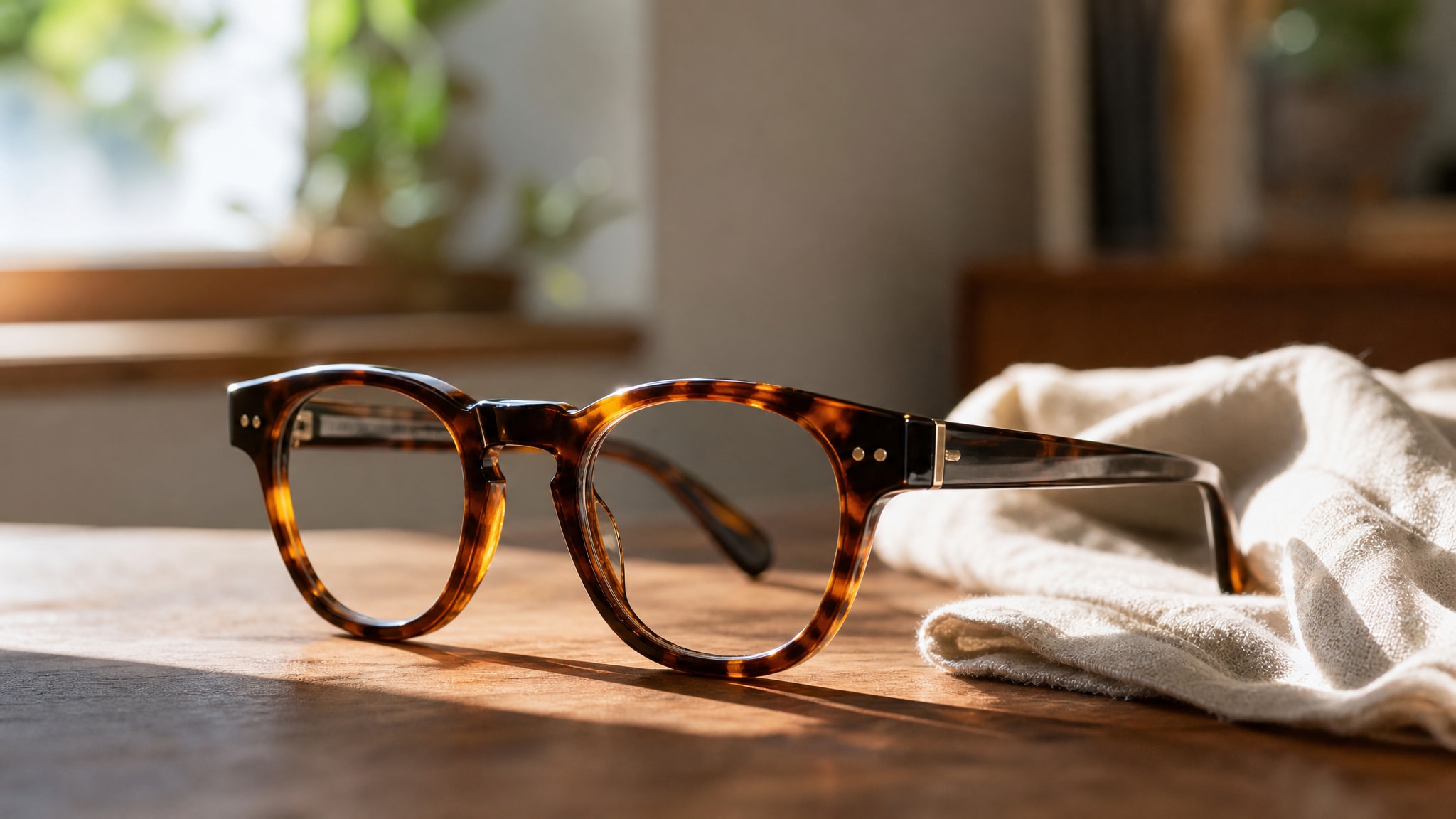
Fashion cycles move fast, and plenty of distinctive colourways or frame shapes get retired after a single season regardless of how popular they were or how well they were made. Buying from previous seasons gives you access to designs no longer sold through standard retail channels, including limited-run collaborations and the signature colours that defined a particular collection year.
For buyers who’d rather stand out than match the crowd, that’s a chance to own recognisable designer eyewear without seeing it on every second face at a summer event. Optical industry professionals confirm that frame materials and lens standards don’t degrade between seasons. Price reductions come from inventory turnover, not inferior product.
The internet is full of listings claiming to offer cheap designer eyewear, but many skip the transparency you need to check authenticity or condition before you buy. Protecting yourself means checking specific operational details, not relying on product photography or marketing copy.
Authentic designer sunglasses online come with traceable sourcing. The seller should be able to explain exactly where the stock came from and why it’s discounted. Reputable Australian marketplaces specialise in verified clearance from licensed optical suppliers, and they’ll back that up with documentation or a clear statement about their distributor relationships rather than vague talk of “warehouse deals.”
Check whether the seller lists an Australian Business Number and physical contact details beyond a generic email form. Genuine domestic sellers, operating under local consumer law, will show these prominently. Offshore counterfeiters tend to obscure their location or use forwarding addresses that make returns and warranty claims harder.
A legitimate discounted designer sunglasses online store honours manufacturer warranties the same way full-price retailers do, because the product chain hasn’t been broken. Check that the warranty card is included, stamped or dated correctly, and issued by an authorised Australian distributor rather than an international entity that local service centres might refuse to honour.
Return policies should give you a reasonable window for change-of-mind returns on unworn items, with clear terms on who pays return shipping. All sunglasses sold through Last Seasons include free Australia-wide shipping and are guaranteed new with original manufacturer packaging, so there’s no financial risk in trying a frame that turns out not to suit you.
Understanding what actually changes between model years helps you separate marketing perception from real product differences. Most seasonal updates are cosmetic, new colour palettes, minor logo repositioning, while the core engineering and materials stay the same across multiple production runs.
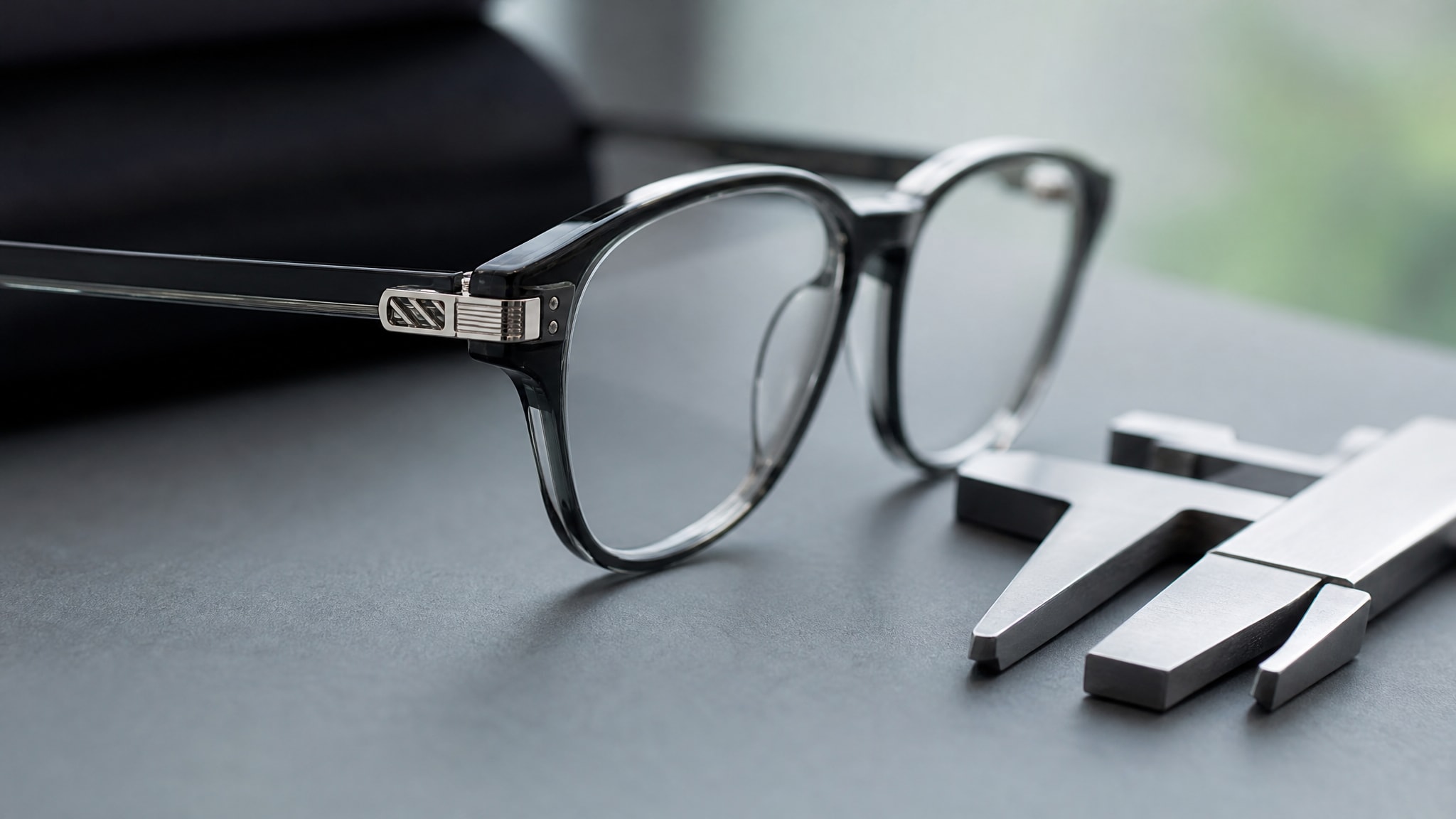
Frame materials such as acetate, titanium and stainless steel get chosen for durability and optical performance. Those properties don’t expire when a new catalogue launches. Lens technology, including UV protection, polarisation filters and anti-reflective coatings, meets the same Australian Standards regardless of release year, so your eye safety is never compromised by buying older stock.
What shifts season to season is mostly the look: colourways, temple detailing, sometimes a bridge width tweak to suit a trending silhouette. If function and timeless styling matter more to you than owning the latest catalogue number, previous-season models give you the same performance at a much lower cost.
Current-season designer sunglasses at major Australian retailers frequently run past $400–$600 for premium optical brands, reflecting retail markups and seasonal positioning. Equivalent previous-season models from the same manufacturers commonly sell for under $250 through specialist clearance platforms, and the savings add up fast if you’re buying more than one pair or upgrading lenses.
These aren’t inflated discounts measured against an artificial RRP. They’re real reductions based on wholesale clearance pricing from verified distributors. Compare identical SKUs across channels and the price gap tracks inventory age, not quality, which makes prior-season purchases the better value if you care about the specs.
Established optical houses show up consistently in Australian clearance markets, thanks to their distribution volume and multi-year product lifecycles. Ray-Ban, Oakley, Persol and Vogue Eyewear appear regularly in prior-season stock, because they produce large ranges that naturally generate surplus across colourways and fits.
Premium fashion labels including Gucci, Tom Ford and Saint Laurent also turn up in verified clearance channels when boutique optical practices rotate their display stock. These brands keep the same quality control across every production run, so a discounted pair carries the same craftsmanship and material grade as one bought at full retail during launch season.
Availability moves with distributor clearance cycles rather than a predictable sales calendar. Checking specialist marketplaces regularly beats waiting for the traditional end-of-financial-year sale, since new stock arrives throughout the year as practices submit their surplus orders.
Shopping a specialist clearance platform is different from a mass-market retailer, because inventory depth varies by SKU rather than restocking endlessly. Knowing how the search and checkout work before you start saves the frustration of a model selling out or a delivery date shifting.
Start by narrowing your search with brand filters if you already know which manufacturer’s sizing or hinge construction suits you. Many platforms let you filter by frame width, lens shape and gender-specific fit, which cuts down browsing time when you’re replacing a known model or matching measurements from an existing pair.
Lens type filters help you isolate polarised, gradient or mirrored options without reading every product description. If you’re after glare reduction for driving or water activities specifically, filtering straight to polarised sunglasses on sale gets you to the functional optics inside the discounted range faster.
Domestic Australian marketplaces typically dispatch within 1–2 business days once payment clears, with transit times varying between metro and regional destinations. Free shipping thresholds are common among verified sellers, which means no surprise fees eating into the savings you came for.
Track your parcel actively rather than assuming a delay means it’s lost, especially during peak periods when courier networks get busy. Most reputable sellers communicate proactively if a dispatch is delayed by supplier stock reconciliation, and that kind of transparency is what separates them from dropshippers with no real inventory to check.
Previous-season designer sunglasses work just as well with prescription lens fitting through Australian optometrists. The frame’s optical bench and rim construction meet the same tolerances as current models, so labs can glaze them with single-vision, bifocal or progressive lenses without any risk to structural integrity.
Polarised lens upgrades are another way to get more out of the purchase, especially if you’ve found a discontinued frame you love but need better visual comfort in specific conditions. Specialist retailers often stock compatible polarised replacement lenses at lower prices than a custom lab order, though what’s available depends on whether the model is still in production and the lens blanks are still supplied.
Confirm with your optometrist before you buy that the specific frame supports your prescription range and preferred lens material. Some high-wrap sports styles or oversized fashion frames have base curve limits that rule out certain prescriptions, so it’s worth checking compatibility first rather than discovering the problem after an otherwise perfect frame arrives.
Four things are worth checking before you complete any online eyewear purchase, to guard against counterfeit goods, misleading condition descriptions and warranty claims that don’t hold up. Confirm the listing states “new” or “unworn” outright, rather than vaguer terms like “excellent” or “like new” that hint at prior use.
Check that the return window gives you enough time to assess fit and style once the frames arrive, with a prepaid return option if you change your mind. Make sure manufacturer warranty documentation is included and issued through an authorised Australian distributor, not a parallel importer whose coverage a local service centre might reject.
Confirm free shipping applies to your address without a minimum spend that cancels out the clearance saving. This check takes under two minutes, and it heads off the most common problems buyers run into when sourcing discounted designer eyewear outside the traditional retail channels.